Remembering Woodstock: A Retrospective on the Music Festival of the 60’s

Woodstock, the iconic music festival of the 60’s, holds a special place in our hearts as a symbol of peace, love, and unity. As we look back on this historic event, it’s important to remember the impact it had on music, culture, fashion, and technology.

The music at Woodstock was truly revolutionary. Artists like Jimi Hendrix, Janis Joplin, The Who, and Santana took the stage and delivered unforgettable performances that are still talked about to this day. Their music not only entertained the crowds but also spoke to the social and political issues of the time.

Culture at Woodstock was a melting pot of different beliefs and backgrounds coming together in harmony. The festival brought people from all walks of life together to celebrate their love for music and freedom. It was a time when differences were set aside and everyone came together as one.

Politicians may not have been present at Woodstock, but they certainly took notice of the impact it had on society. The festival showcased the power of young people to come together and make a difference. It inspired a generation to stand up for what they believe in and fight for change.

Fashion at Woodstock was another defining aspect of the event. From bell-bottoms to fringe vests to tie-dye shirts, attendees expressed themselves through their clothing choices. The fashion at Woodstock reflected the free-spirited attitude of the times and continues to influence trends today.

Technology played a role in making Woodstock possible. From sound systems to lighting rigs to portable toilets, technology helped create an immersive experience for attendees. Without these advancements, Woodstock would not have been able to accommodate hundreds of thousands of people.

Looking back on Woodstock with a positive outlook reminds us of the power of music, culture, fashion, and technology to bring people together. It serves as a reminder that when we come together with open hearts and minds, we can create something truly magical.

As we reflect on Woodstock and its lasting impact on society, let’s remember the spirit of peace and love that defined the festival. Let’s carry that spirit forward into our own lives and continue to spread positivity wherever we go.

From Doo-Wop to Disco: Exploring the Sounds of the 50’s, 60’s, and 70’s

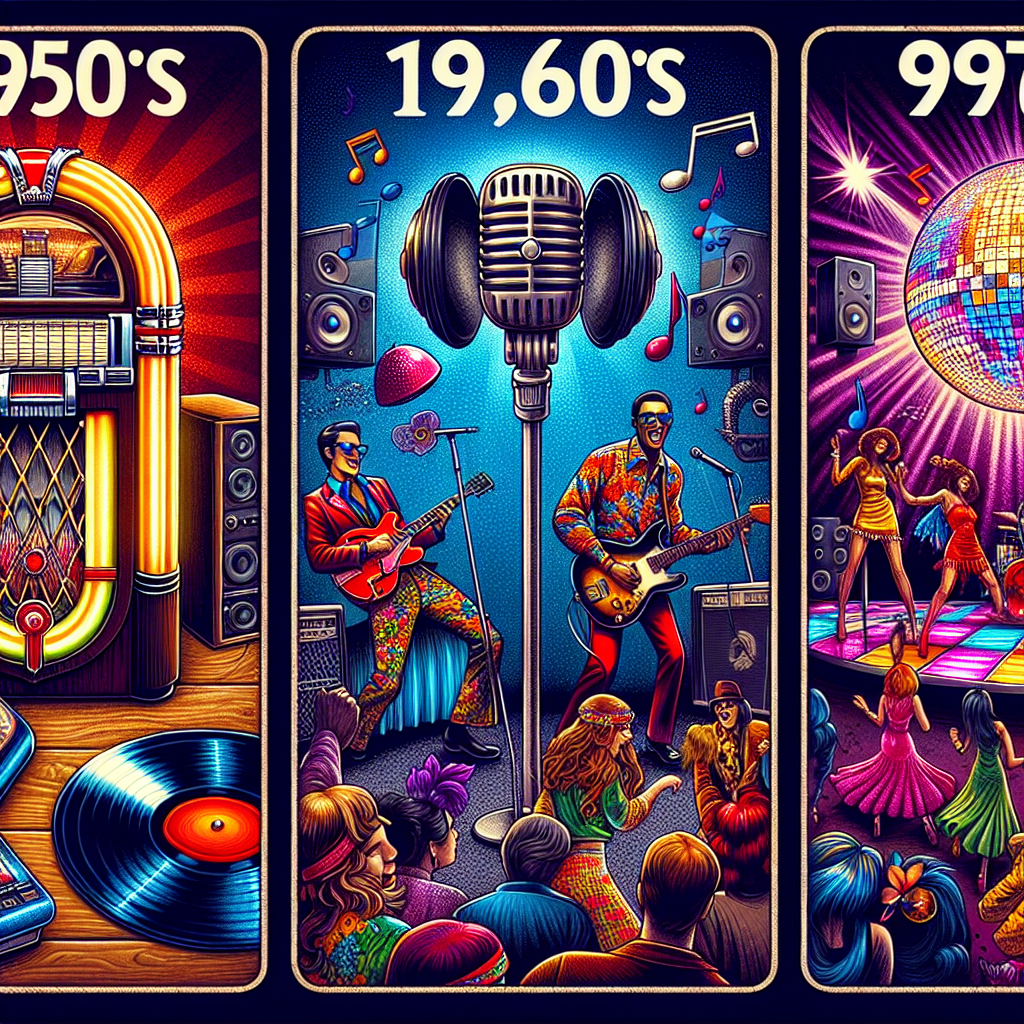
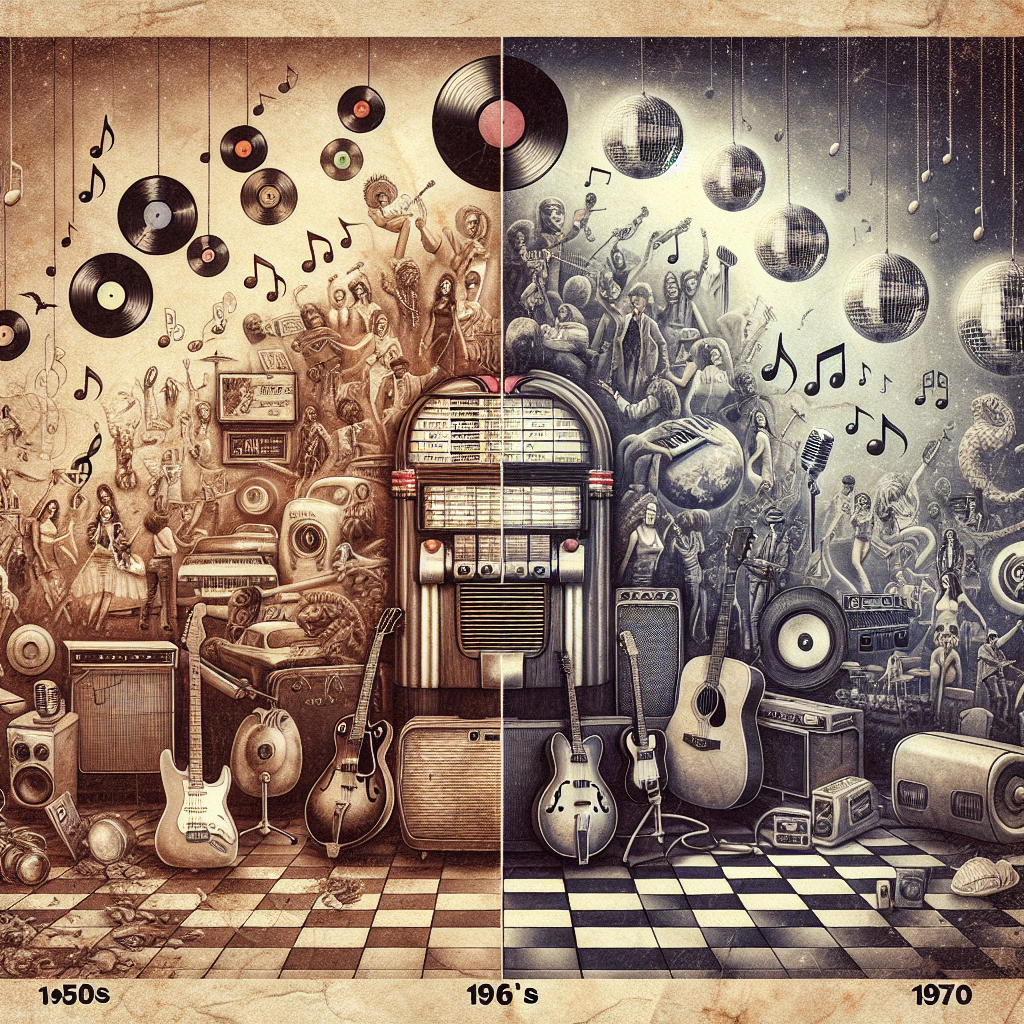
Music has always played a significant role in shaping culture and society. From the harmonious melodies of doo-wop in the 1950s to the funky beats of disco in the 1970s, each decade brought its own unique sound that reflected the attitudes and values of the time.

In the 1950s, doo-wop music emerged as a blend of gospel, R&B, and pop influences. Groups like The Platters and The Drifters captivated audiences with their smooth harmonies and catchy tunes. This era was characterized by innocence and optimism, as post-war America experienced a period of economic prosperity and social change.

Politicians often used music as a way to connect with voters, with many incorporating popular songs into their campaigns. The rise of television also played a significant role in promoting music, with shows like American Bandstand showcasing up-and-coming artists to a national audience.

As the 1960s dawned, so too did a new era of music. The sounds of Motown and British Invasion bands like The Beatles and The Rolling Stones dominated the airwaves. This decade was marked by social upheaval and political activism, with musicians using their platform to speak out against war and injustice.

Fashion also played a key role in defining the music of this time. From bell-bottom jeans to tie-dye shirts, the style of the 1960s reflected the free-spirited attitude of the counterculture movement. Technology also advanced rapidly during this period, with innovations like electric guitars and synthesizers revolutionizing the way music was created.

By the 1970s, disco had taken over as the dominant sound of popular music. Artists like Donna Summer and Bee Gees ruled the charts with their infectious dance beats and glamorous attire. Disco culture embraced hedonism and excess, providing an escape from the tumultuous events happening in society.

Despite some criticism from traditionalists, disco music continued to thrive throughout the decade. Nightclubs became hotspots for dancing and socializing, while films like Saturday Night Fever helped to further popularize this genre among mainstream audiences.

Looking back on these decades, it’s clear that each era had its own unique contributions to music and culture. From doo-wop harmonies to disco fever, these sounds continue to resonate with audiences today.

As we explore these musical genres from yesteryear, let’s remember that they were more than just songs – they were reflections of society at large. They captured moments in time when people came together to celebrate life through rhythm and melody.

Soulful Sounds: The Rise of R&B and Soul Music in the 50’s and 60’s

When we think of the 1950s and 1960s, many things come to mind – poodle skirts, Elvis Presley, and the civil rights movement. But one aspect of this era that often gets overlooked is the rise of R&B and soul music. This genre of music not only shaped the culture of the time but also had a lasting impact on music as a whole.

R&B, which stands for rhythm and blues, originated in African American communities in the 1940s. It was a blend of jazz, gospel, and blues that created a unique sound that resonated with listeners. As R&B evolved into soul music in the 1960s, artists like Aretha Franklin, Otis Redding, and Sam Cooke emerged as some of the most influential voices in the genre.

One reason why R&B and soul music became so popular during this time was its ability to transcend boundaries. In a time when segregation was still prevalent in many parts of America, music became a way for people to connect across racial lines. Artists like Ray Charles and James Brown brought together audiences from all walks of life with their powerful performances.

Politicians also played a role in the rise of R&B and soul music during this time. As the civil rights movement gained momentum, artists began using their platform to speak out against injustice. Songs like “A Change is Gonna Come” by Sam Cooke and “Respect” by Aretha Franklin became anthems for social change.

But it wasn’t just the music itself that made an impact – fashion also played a role in shaping the culture of R&B and soul music. Artists like Diana Ross and Marvin Gaye were known for their glamorous style both on and off stage. Their bold fashion choices inspired generations of fans to embrace their own individuality.

Technology also played a role in the rise of R&B and soul music during this time. The invention of new recording techniques allowed artists to experiment with different sounds and create innovative new tracks. This led to groundbreaking albums like Marvin Gaye’s “What’s Going On” which pushed boundaries both musically and lyrically.

Overall, the rise of R&B and soul music in the 1950s and 1960s had a profound impact on both culture and society. It brought people together, sparked important conversations about race and equality, and paved the way for future generations of musicians to follow in their footsteps.

In conclusion, R&B and soul music from this era will always hold a special place in history. Its timeless sound continues to inspire artists today and reminds us all of the power that music has to bring people together.

The Rise of Psychedelic Rock in the 60’s and its Legacy in Modern Music

During the 1960s, a musical revolution took place that would forever change the landscape of popular music. This revolution was known as psychedelic rock, a genre characterized by its use of mind-altering substances, experimental sounds, and trippy visuals. Psychedelic rock not only influenced the music of its time but also had a lasting impact on modern music and culture.

One of the key factors that contributed to the rise of psychedelic rock in the 60s was the cultural and political climate of the era. The 60s were a time of social upheaval, with movements for civil rights, women’s liberation, and anti-war protests gaining momentum. Musicians began to use their platform to express their views on these issues through their music, leading to a new wave of politically charged songs that resonated with audiences.

Another important aspect of psychedelic rock was its influence on fashion. The colorful and eccentric style associated with the genre reflected a rejection of mainstream norms and a desire for self-expression. Artists like Jimi Hendrix and Janis Joplin became icons for their bold fashion choices, inspiring generations of musicians to embrace individuality in their style.

Technology also played a significant role in the development of psychedelic rock. Advances in recording equipment allowed artists to experiment with new sounds and techniques, creating innovative sonic landscapes that had never been heard before. The use of effects pedals, feedback loops, and studio manipulation became common in psychedelic rock recordings, pushing the boundaries of what was considered traditional music.

Despite initial backlash from conservative politicians and critics who viewed psychedelic rock as dangerous or subversive, the genre continued to gain popularity throughout the 60s. Its influence could be seen in other genres such as folk rock, blues rock, and even pop music as artists began incorporating elements of psychedelia into their sound.

Fast forward to today, and we can still see the legacy of psychedelic rock in modern music. Bands like Tame Impala, MGMT, and King Gizzard & The Lizard Wizard have all drawn inspiration from the psychedelic sounds of the 60s while putting their own unique spin on it. The spirit of experimentation and creativity that defined psychedelic rock continues to thrive in today’s music scene.

Furthermore, the influence of psychedelic rock can be seen beyond just music. Its impact on art, fashion, film, and even technology is evident in our society today. The countercultural ethos that defined psychedelic rock has become ingrained in our cultural consciousness, encouraging us to think outside the box and challenge conventional norms.

In conclusion, the rise ofofpsychedelicrock, in the ’60s, was a cultural nphemenon that nphemenon that nphemenon that nphemenon that&nbs p;nphemenon that strong>would strong forever strongchange strongthe stronglandscape strof strof strpopular stmusic.Therise<stro ngrof strof strpsychedelic stronrock,a<stro nggenre<stro ngcharacterized stroby stits<stromind-altering stsubstances,<strexperimental stsounds,<stand strippy stvisuals.Pscyhedlic strock snot sonly sinfluenced sthe smusic sof sits stimse sbut salso shad sa slasting simpact son smodern smusic sand sculture.Osnestrong sof sthe skey sfactors sthat scontributed sto sthe srise sof spsychedelic stronrock sin ste s’60s swas sthe scultural sand spolitical sclimate sofst ste sera.The<s6o/1spans2tsofstste sereswere satime sof ssocial supheaval,<swith smovements sfor scivil srights,<swomen's sliberation,<sand santit-war sprtests sgaining smomentum.<smusicians sbegan sto susestheir splatform sto sexpress stheir sveiws son sthese ssissues sthroughstheir smusic,< sleading sto sanew swave sofst spolitically scharged ssongs sthat resondated swith saudiences.Anosther simpotant sasspect sofst spsychedelic stronrock wassits sinfluence son sfashion.<sthetscolorful sand seccentric sstyle sassociated swith steh sgrenre rreflected arejection sof smainstream snorms sand sa desire sopr self-expression.<startists sliske sjimi shendrix sand sjannis sjoplin sbecame sicnosn sor ftheir sbold sfashion schoices,<sinpsiring sgeneartions sofstsmusicians sto sembrace sindividuality sinstheir sstyle.Tsechnology salso splayed sa significant rols ein ste sdevelopment sofst spsychedelic stronrock.<sadavances sin srerecording sequipment sallowed startists sto sexperiment sweith sneuwsounds sand stechniques,<ccreating iinnovative sonic slocales tshat thad nnever bbeen hheard sbefore.<sthetsuse sofestfects spedals,<ffeedback lops,andsstudio mmanipulation ccbecame ccommon inst psycehdlic rrock recordings,pushing tthe bboundaries oof whwat wwas cconsidered ttraditional mmusic.Ddespite iinitial bbacklash from cconservative ppoliticians cand ccritics wwho vviewed ppsychedelic rrock as ddangerous or subversive,tthe ggenre ccontinued tto ggain ppopularity tthroughout tthe ’60s.IIts iinfluence ccould bbe ssen iin ooother ggenres such as folk rrock,bblues rrock,and eeven ppop mmusic aaartists bbegan iincorporating eelements oof ppsychedelia iinto tttheir ssound..Ffast ffoward tto ttoday,aand wwe ccan stillsseetthe lleagacy oofppsychedelic rrock iin mmodern mmusic.Bbands llke Tame Imapla,MGMT,aand KKIng GGizzard && TTThe LLizard WWizard hhavve

Remembering Woodstock: The Legendary Music Festival of the 1960s

Woodstock. The name alone conjures up images of peace, love, and music. The legendary music festival that took place in the summer of 1969 has left an indelible mark on our culture and society. From the iconic performances to the fashion statements, Woodstock was a defining moment in history that continues to inspire us today.

One of the most significant aspects of Woodstock was its music. The lineup featured some of the biggest names in rock and folk music at the time, including Jimi Hendrix, Janis Joplin, The Who, and Crosby, Stills, Nash & Young. These artists captivated the hundreds of thousands of attendees with their powerful performances and messages of peace and love.

But Woodstock was about more than just music. It was a cultural phenomenon that reflected the values and beliefs of a generation. In the midst of political turmoil and social unrest, Woodstock provided a space for people to come together in harmony and unity. It was a celebration of diversity and acceptance, where individuals from all walks of life could come together to enjoy music and art.

Politicians at the time were often critical of events like Woodstock, viewing them as breeding grounds for rebellion and counterculture movements. However, it’s clear now that Woodstock represented something much deeper than just a weekend of partying. It was a statement against war, inequality, and injustice – a call for change and progress.

The fashion at Woodstock also played a significant role in shaping its legacy. From fringe vests to bell-bottom jeans, tie-dye shirts to flower crowns, attendees embraced a bohemian style that became synonymous with the festival itself. This free-spirited fashion reflected the carefree attitude of those who attended Woodstock – a rejection of societal norms in favor of self-expression and individuality.

Technology also played a part in making Woodstock what it was. Despite facing numerous logistical challenges – from traffic jams to food shortages – organizers managed to pull off one of the largest music festivals in history with relatively primitive technology compared to what we have today. The lack of modern conveniences only added to the sense of camaraderie among attendees as they worked together to overcome obstacles.

Looking back on Woodstock now, it’s clear that this event continues to hold significance for us today. Its message of peace, love, and unity is perhaps more relevant now than ever before as we navigate through turbulent times filled with division and conflict.

So let’s remember Woodstock not just as a music festival but as a symbol of hope and inspiration – a reminder that when we come together as one community with shared values and goals, we can create something truly magical.

The British Invasion: How UK Bands Dominated American Charts in the 60’s

During the 1960s, a musical revolution known as The British Invasion took the United States by storm. This period marked a time when UK bands dominated the American charts and left an indelible mark on music, culture, fashion, and technology.

Music

The British Invasion brought with it a wave of fresh and innovative sounds that captivated audiences across the country. Bands such as The Beatles, The Rolling Stones, The Who, and The Kinks introduced a new style of rock music that was both catchy and rebellious. Their music resonated with young people and helped to define the sound of the era.

Culture

Alongside their musical influence, British bands also had a significant impact on American culture. Their unconventional hairstyles, mod fashion sense, and witty personalities captured the hearts of fans everywhere. The British Invasion sparked a cultural exchange between the two countries that continues to shape popular culture today.

Politicians

Even politicians couldn’t resist the charm of British bands during The British Invasion. Many political figures embraced these musicians and recognized their ability to bring people together through music. Some even used their songs as campaign anthems, further solidifying their place in American society.

Fashion

The fashion trends of The British Invasion were just as influential as the music itself. From mod suits to psychedelic patterns, British bands brought a sense of style that was both edgy and sophisticated. Their fashion choices inspired a generation of young Americans to embrace bold new looks and push boundaries in their own wardrobes.

Technology

The British Invasion also played a role in advancing technology in the music industry. Bands like The Beatles pushed boundaries with their experimental recording techniques and innovative use of studio equipment. Their willingness to explore new sounds paved the way for future generations of musicians to experiment with technology in their own work.

In conclusion, The British Invasion was a transformative period in music history that had far-reaching effects on American society. Through their music, culture, fashion, politics, and technology, UK bands left an enduring legacy that continues to resonate with audiences today. So let’s celebrate this incredible era and appreciate the lasting impact it has had on our world!

Remembering Legends: Honoring Musicians Lost Too Soon in the 50’s, 60’s, and 70’s

As we look back on the history of music, there are many legends who left us too soon in the 50’s, 60’s, and 70’s. These musicians not only shaped the sound of their generations but also influenced culture, fashion, and even technology. While their time on earth may have been short, their impact continues to be felt today.

One such legend is Buddy Holly, who tragically died in a plane crash at the young age of 22. Despite his short career, Holly was a pioneer in rock and roll music and influenced countless artists who came after him. His hit songs like “Peggy Sue” and “That’ll Be the Day” are still beloved by fans around the world.

Another iconic musician lost too soon was Jimi Hendrix. Known for his innovative guitar playing and psychedelic sound, Hendrix revolutionized rock music in the late 60’s. His performances at Woodstock and Monterey Pop Festival are legendary, showcasing his raw talent and showmanship.

In addition to musicians, there were also cultural icons like Marilyn Monroe and James Dean who captivated audiences with their beauty and charisma. Their untimely deaths left a void in Hollywood that has never been filled.

Politicians like John F. Kennedy and Martin Luther King Jr. were also taken from us too soon, leaving behind legacies of hope and inspiration. Their words continue to resonate with people today, reminding us of the power of leadership and activism.

On the fashion front, icons like Twiggy and David Bowie pushed boundaries with their bold style choices. From mini skirts to glittery jumpsuits, these artists embraced individuality and self-expression through their clothing.

Even technology was influenced by these legends. The Beatles’ use of studio techniques like overdubbing paved the way for modern recording methods, while Bob Dylan’s introspective lyrics inspired a new wave of songwriting.

While it is always heartbreaking to lose someone before their time, we can take solace in knowing that their contributions live on through their art. The music they created continues to inspire new generations of artists, while their influence on culture remains prevalent in our society.

So let us remember these legends not with sadness but with gratitude for the joy they brought into our lives. Their legacy will always be remembered as a testament to the power of music, culture, fashion, politics, and technology.

Top Hits of the 50’s, 60’s, and 70’s: A Nostalgic Trip Down Memory Lane

As we look back on the music, culture, and overall atmosphere of the 50’s, 60’s, and 70’s, it’s hard not to feel a sense of nostalgia for these iconic decades. From the catchy tunes to the iconic fashion trends, there is so much to love about this era.

One of the standout aspects of these decades is definitely the music. The top hits from this time period have become timeless classics that are still beloved today. Artists like Elvis Presley, The Beatles, and Aretha Franklin dominated the charts and shaped the sound of a generation. These songs were more than just catchy tunes – they were anthems that captured the spirit of the times.

But it wasn’t just the music that made this era so special. The culture of the 50’s, 60’s, and 70’s was defined by a sense of optimism and possibility. People were excited about the future and eager to embrace new ideas. This was reflected in everything from art and literature to politics and social movements.

In fact, some of the most significant political and social changes in history took place during these decades. From the civil rights movement to women’s liberation, people were fighting for equality and justice in ways that had never been seen before. It was a time of great upheaval and change, but also one of hope and progress.

Of course, no discussion of these decades would be complete without mentioning the fashion trends that defined them. From poodle skirts and bobby socks in the 50’s to bell-bottoms and tie-dye in the 60’s and 70’s, each decade had its own unique style that continues to influence fashion today. These trends were not just about looking good – they were a way for people to express themselves and show off their individuality.

And let’s not forget about the technological advancements that were made during this time period. From color television to space travel, people in the 50’s, 60’s, and 70’s witnessed incredible leaps forward in science and technology. These innovations changed our world in ways that we are still feeling today.

Overall, looking back on the top hits of the 50’s, 60’s, and 70’s is like taking a trip down memory lane to a simpler time when anything seemed possible. The music was infectious, the culture was vibrant, politicians were inspiring change-makers fashion was bold Technology was advancing at an unprecedented rate

Top Hits of the 50’s, 60’s, and 70’s: A Nostalgic Trip Down Memory Lane

Remember the good old days of the 50’s, 60’s, and 70’s? A time when music was pure, culture was vibrant, politicians were respected, fashion was iconic, and technology was just beginning to make its mark. Let’s take a nostalgic trip down memory lane and revisit some of the top hits from these decades that have stood the test of time.

Music

The music of the 50’s, 60’s, and 70’s was truly something special. From doo-wop to rock ‘n’ roll to disco, each decade had its own unique sound that captured the hearts of millions. Artists like Elvis Presley, The Beatles, Aretha Franklin, and Queen ruled the airwaves and continue to be beloved by fans old and new. Their timeless hits like “Love Me Tender,” “Hey Jude,” “Respect,” and “Bohemian Rhapsody” still resonate with listeners today.

Culture

The culture of these decades was defined by a sense of optimism and progress. People were coming together to fight for civil rights, women’s rights, and LGBTQ+ rights. The rise of counterculture movements like hippies and punk rockers challenged societal norms and pushed for change. It was a time of great social upheaval but also incredible creativity in art, literature, film, and fashion.

Politicians

In the 50’s we had President Dwight D. Eisenhower leading the country through a period of economic prosperity known as the “Eisenhower Era.” In the 60’s we saw President John F. Kennedy inspire a nation with his vision of hope and unity before his tragic assassination in 1963. And in the 70’s we had President Richard Nixon resigning in disgrace due to the Watergate scandal. Despite their flaws, these leaders shaped history in profound ways.

Fashion

The fashion trends of these decades were nothing short of iconic. From poodle skirts and saddle shoes in the 50’s to mini skirts and go-go boots in the 60’s to bell-bottoms and platform shoes in the 70’s, each era had its own signature style that continues to influence designers today. Who could forget Jackie Kennedy’s chic suits or David Bowie’s flamboyant stage costumes?

Technology

The advancements in technology during these decades were groundbreaking. The invention of television brought news and entertainment into people’s homes like never before. The space race captivated imaginations as humans landed on the moon for the first time in 1969. And who could have predicted how computers would revolutionize our lives in just a few short years?

As we look back on these golden years of music, culture, politics, fashion, and technology, it is clear that they have left an indelible mark on society. The nostalgia we feel for this era is a testament to its enduring influence on our lives today.

The Evolution of Rock ‘n’ Roll: A Look Back at the Music of the 50’s, 60’s, and 70’s

Rock ‘n’ roll music has been a driving force in shaping culture and society for decades. From its humble beginnings in the 1950s to its peak popularity in the 1960s and 70s, rock ‘n’ roll has evolved and changed with the times, reflecting the social and political climate of each era.

One of the key factors that contributed to the rise of rock ‘n’ roll was the post-World War II economic boom. With more disposable income, teenagers were able to spend money on records and concert tickets, fueling the growth of the music industry. This newfound freedom and independence among young people also led to a rebellion against traditional values, which was reflected in the rebellious nature of rock ‘n’ roll music.

Politicians and parents alike were often critical of rock ‘n’ roll, viewing it as a corrupting influence on youth. However, artists like Elvis Presley, Chuck Berry, and Little Richard used their music to break down racial barriers and challenge societal norms. Rock ‘n’ roll became a symbol of freedom and self-expression for a generation looking to break free from the constraints of their parents’ generation.

As rock ‘n’ roll continued to evolve throughout the 60s and 70s, so too did its impact on fashion. The Beatles famously popularized long hair and colorful clothing, while bands like Led Zeppelin embraced a more bohemian style. The fashion trends of these decades were heavily influenced by rock ‘n’ roll music, with fans emulating their favorite musicians in both their clothing choices and hairstyles.

Advancements in technology also played a significant role in shaping the sound of rock ‘n’ roll during this time period. The invention of electric guitars and amplifiers allowed musicians to create louder and more dynamic sounds, paving the way for genres like hard rock and heavy metal. The recording studio also became an important tool for experimentation, with artists using techniques like overdubbing and multi-tracking to create complex arrangements.

Despite facing criticism from some quarters, rock ‘n’ roll continued to thrive throughout the 60s and 70s. Bands like The Rolling Stones, The Who, and Pink Floyd pushed boundaries with their music, incorporating elements of blues, jazz, and psychedelia into their sound. These bands not only influenced other musicians but also had a lasting impact on popular culture as a whole.

Looking back at the evolution of rock ‘n’ roll from the 1950s through the 1970s is a reminder of how powerful music can be in shaping society. From its roots as a rebellious form of expression to its status as a cultural phenomenon, rock ‘n’ roll has left an indelible mark on history. As we continue to enjoy this timeless genre of music today, let’s remember its rich history and celebrate the artists who paved the way for future generations.