The Soundtrack of a Generation: How Music Defined the Cultural Movements of the 50’s, 60’s, and 70’s

Music has always played a significant role in shaping cultural movements throughout history. From the rebellious rock ‘n’ roll of the 1950s to the psychedelic sounds of the 1960s and the disco fever of the 1970s, each decade had its own unique soundtrack that defined the generation. In this blog post, we will explore how music influenced and reflected the cultural shifts of the 50’s, 60’s, and 70’s.

The 1950s: The Birth of Rock ‘n’ Roll

The 1950s marked a period of post-war prosperity and conformity in America. However, underneath the surface, a rebellious spirit was brewing among the youth. This rebellion found its voice in rock ‘n’ roll music, with artists like Elvis Presley, Chuck Berry, and Little Richard leading the charge.

Rock ‘n’ roll was more than just a genre of music; it was a cultural movement that challenged societal norms and values. The music spoke to teenagers who were eager to break free from their parents’ generation and forge their own identity. Rock ‘n’ roll became synonymous with rebellion, freedom, and youthful exuberance.

The 1960s: The Age of Counterculture

The 1960s saw a seismic shift in American culture as young people began to reject mainstream society in favor of alternative lifestyles. This countercultural movement was fueled by music that reflected the changing times. Bands like The Beatles, The Rolling Stones, and Bob Dylan became icons of this new era.

The music of the 60s addressed pressing social issues such as civil rights, Vietnam War protests, and women’s liberation. It served as a rallying cry for a generation that sought to challenge authority and create a more inclusive society. The sounds of folk, rock, and psychedelic music became anthems for peace, love, and revolution.

The 1970s: The Disco Era

By the 1970s, America had undergone significant social changes that were reflected in its music scene. Disco emerged as a dominant force in popular culture with artists like Donna Summer, Bee Gees, and Gloria Gaynor dominating the airwaves.

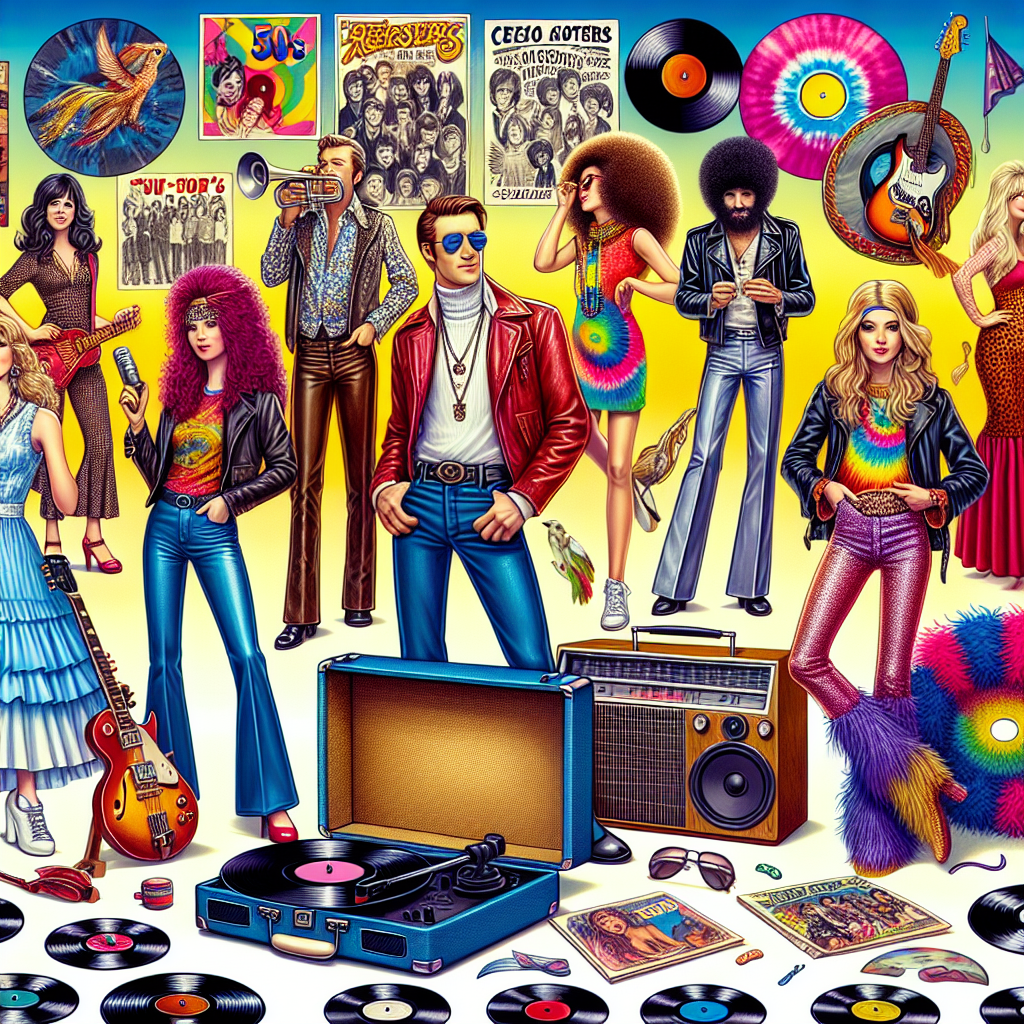
Disco music was all about escapism and hedonism; it provided an opportunity for people to forget their troubles on the dance floor. The flashy fashion trends of bell-bottom pants, platform shoes, and glittery outfits mirrored the glitzy disco lifestyle.

Music as a Reflection of Culture

Throughout these three decades -the fifties through seventies- music served as both a mirror reflecting society back at itself while also acting as an agent for change. Politicians may have tried to control or censor certain songs or artists but ultimately they couldn’t stop the power of music from influencing culture.

Conclusion: A Timeless Influence

In conclusion Music has always been intertwined with culture; it has been used as a tool for expressing emotions beliefs ideas etc… It is no wonder then that Music continues to play such an important role in defining our cultural movements past present future…

The Evolution of Rock ‘n’ Roll: A Look Back at the Music of the 50’s, 60’s, and 70’s

Rock ‘n’ roll has been a powerful force in shaping culture and society over the past several decades. From its roots in the 1950s to its evolution in the 1960s and 1970s, rock ‘n’ roll music has had a profound impact on music, fashion, technology, and even politics.

The 1950s: The Birth of Rock ‘n’ Roll

The 1950s saw the birth of rock ‘n’ roll, with artists like Elvis Presley, Chuck Berry, and Little Richard breaking onto the scene with their energetic performances and catchy tunes. This new style of music was seen as rebellious by many at the time, with politicians and parents alike decrying its influence on young people.

Despite this backlash, rock ‘n’ roll continued to grow in popularity throughout the decade. It became a symbol of youth culture and rebellion, with teenagers across America embracing this new form of music as their own.

The 1960s: The Golden Age of Rock ‘n’ Roll

The 1960s saw rock ‘n’ roll reach new heights of popularity and influence. Bands like The Beatles, The Rolling Stones, and The Who emerged onto the scene, bringing with them a new sound and style that captivated audiences around the world.

Rock ‘n’ roll became more than just music – it became a cultural phenomenon. Artists began using their platform to speak out on social issues like civil rights and war, leading to a shift in how musicians were perceived by society.

The 1970s: Rock ‘n’ Roll’s Continued Evolution

By the 1970s, rock ‘n’ roll had firmly established itself as a dominant force in popular music. Bands like Led Zeppelin, Pink Floyd, and Queen pushed boundaries with their experimental sounds and elaborate stage shows.

Technology also played a significant role in shaping rock ‘n’ roll during this decade. Advances in recording equipment allowed artists to create more complex and layered sounds than ever before, leading to some of the most iconic albums in music history.

Rock ‘n’ Roll’s Impact on Fashion

In addition to influencing music and culture, rock ‘n’ roll also had a major impact on fashion. Artists like Elvis Presley popularized leather jackets and pompadour hairstyles in the 1950s, while bands like The Beatles set trends with their mod suits and shaggy haircuts in the 1960s.

By the 1970s, rock stars were known for their flamboyant style – think David Bowie’s glittery jumpsuits or Freddie Mercury’s skin-tight pants. These bold fashion choices helped shape trends both on stage and off, inspiring countless fans to emulate their favorite musicians.

A Positive Outlook on Rock ‘n’ Roll’s Legacy

Looking back at the evolution of rock ‘n’ roll from the 1950s through the 1970s, it’s clear that this genre has had a lasting impact on music, culture, fashion, technology – even politics. Despite facing criticism from politicians and older generations along the way,

rock ‘n’ roll has endured as a powerful force for creativity and self-expression.

This enduring legacy is something to be celebrated – after all, rock ‘ n ‘roll isn’t just about loud guitars or flashy outfits; it’s about pushing boundaries, challenging norms, and inspiring change. As we continue into the future, it’s exciting to think about how rock ‘ n ‘roll will continue to evolve and shape our world for generations to come. So let’s turn up the volume, put on our dancing shoes, and celebrate the incredible journey of rock ‘ n ‘roll!

The Influence of Motown on Music in the 60’s and 70’s

During the 1960s and 1970s, Motown Records made a significant impact on the music industry, influencing not only the sound of popular music but also shaping culture, fashion, and technology. Motown’s unique blend of soul, R&B, and pop music created a sound that resonated with audiences around the world.

One of the key ways that Motown influenced music during this time was through its roster of talented artists. Acts like The Supremes, Marvin Gaye, Stevie Wonder, and The Temptations produced hit after hit, dominating the charts and setting trends in popular music. These artists brought a new level of artistry and sophistication to their music, paving the way for future generations of musicians.

But Motown’s influence went beyond just the music itself. The label played a crucial role in breaking down racial barriers in the music industry, becoming one of the first successful black-owned record labels. Motown’s success helped to challenge stereotypes and promote diversity in popular culture.

In addition to its impact on music and culture, Motown also had a significant influence on fashion during this time. The label’s artists were known for their impeccable style and glamorous image, setting trends in clothing and hairstyles. From Diana Ross’ elegant gowns to Marvin Gaye’s sharp suits, Motown artists became fashion icons who inspired fans around the world.

Politicians also took notice of Motown’s influence on popular culture. During a time of social upheaval and political activism, Motown’s music served as a soundtrack for change. Songs like Marvin Gaye’s “What’s Going On” addressed pressing social issues such as civil rights and Vietnam War protests, while The Supremes’ anthems celebrated empowerment and independence.

Technological advancements also played a role in Motown’s success during this era. The label was one of the first to embrace new recording techniques and equipment, allowing its artists to experiment with different sounds and production methods. Motown founder Berry Gordy Jr. was known for his innovative approach to recording and marketing music, helping to shape the future of the industry.

In conclusion, it is clear that Motown had a profound influence on music in the 1960s and 1970s. Through its talented roster of artists, groundbreaking approach to race relations in the industry, stylish image, socially conscious lyrics, and embrace of new technologies – Motown set new standards for popular music that continue to resonate today.

From Elvis to The Beatles: Iconic Artists of the 50’s, 60’s, and 70’s

The 1950s, 60s, and 70s were decades that saw a revolution in music, culture, fashion, and technology. Iconic artists like Elvis Presley and The Beatles emerged during this time and left a lasting impact on the world. Their music transcended boundaries and brought people together in ways that had never been seen before.

Music

Music played a significant role in shaping the culture of these decades. From the rock ‘n’ roll sound of Elvis Presley to the psychedelic tunes of The Beatles, these artists pushed boundaries and challenged societal norms. Their music spoke to a generation looking for something new and exciting, and it resonated with people all over the world.

Culture

The music of artists like Elvis Presley and The Beatles influenced not only the sound of the times but also the culture. Their rebellious attitudes and unique styles inspired a whole generation to think differently and embrace change. They became symbols of counterculture movements that sought to challenge authority and promote individuality.

Politicians

Even politicians took notice of the influence of these iconic artists. Elvis Presley famously met with President Richard Nixon in 1970 to discuss issues related to drug abuse and youth culture. The meeting highlighted the power that musicians held over their fans and how they could be used as agents for positive change in society.

Fashion

The fashion trends of the 50s, 60s, and 70s were heavily influenced by iconic artists like Elvis Presley and The Beatles. Their unique sense of style set them apart from others in the industry and inspired countless fans to emulate their looks. From Elvis’ slicked-back hair and jumpsuits to The Beatles’ mod-inspired suits, these artists became fashion icons in their own right.

Technology

Advances in technology during this time also played a role in shaping the music industry. The introduction of electric guitars, amplifiers, and recording equipment revolutionized how music was made and consumed. Artists like Elvis Presley and The Beatles embraced these new technologies to create groundbreaking sounds that continue to influence musicians today.

In conclusion, from Elvis Presley to The Beatles, iconic artists of the 50s, 60s, and 70s helped shape a cultural revolution that continues to resonate today. Their music broke barriers, their fashion set trends, their influence reached even into politics – they truly were larger-than-life figures who left an indelible mark on history.

The British Invasion: How Bands Like The Beatles and The Rolling Stones Took America by Storm

The British Invasion of the 1960s was a cultural phenomenon that took America by storm, forever changing the landscape of music, fashion, and popular culture. Bands like The Beatles and The Rolling Stones became household names, capturing the hearts and minds of millions of fans across the country.

One of the key factors that contributed to the success of these British bands was their innovative approach to music. The Beatles, in particular, revolutionized the sound of rock and roll with their catchy melodies, intricate harmonies, and thought-provoking lyrics. Their influence can still be felt in modern music today, as countless artists continue to draw inspiration from their groundbreaking work.

But it wasn’t just their music that made The Beatles and The Rolling Stones so popular – it was also their larger-than-life personalities and charismatic stage presence. Fans were drawn to their rebellious attitudes and edgy fashion sense, which helped to solidify their status as cultural icons.

Politicians also played a role in promoting British bands during the 1960s. In fact, President John F. Kennedy famously invited The Beatles to perform at the White House in 1964, further cementing their status as international superstars. This endorsement from one of the most powerful men in America helped to legitimize British rock bands in the eyes of mainstream society.

Another key factor that contributed to the success of The Beatles and The Rolling Stones was advancements in technology. The rise of television allowed these bands to reach a wider audience than ever before, as fans across the country tuned in to watch them perform on shows like “The Ed Sullivan Show.” This exposure helped to catapult them to stardom and solidify their place in music history.

But perhaps one of the most enduring legacies of The British Invasion is its impact on fashion. Bands like The Beatles and The Rolling Stones were known for their distinctive style choices, from sharp suits and skinny ties to bold patterns and psychedelic prints. Their influence can still be seen on runways today, as designers continue to draw inspiration from this iconic era.

In conclusion, The British Invasion of the 1960s was a transformative period in American culture that forever changed the way we think about music, fashion, and popular culture. Bands like The Beatles and The Rolling Stones paved the way for future generations of artists to push boundaries and challenge conventions, leaving an indelible mark on our collective consciousness.

Soul Train to Studio 54: The Soundtracks of Dance Floors

From the vibrant dance floors of Soul Train to the glamorous Studio 54, the soundtracks of these iconic venues have shaped not only the music scene but also culture, fashion, and technology. The fusion of music and dance has brought people together in a way that transcends boundaries and creates a sense of unity and joy.

Music has always been a powerful tool for bringing people together, and the playlists at Soul Train and Studio 54 were no exception. From funk and disco to soul and R&B, these venues showcased a diverse range of genres that appealed to a wide audience. The infectious beats and catchy melodies kept dancers on their feet all night long, creating an electrifying atmosphere that was impossible to resist.

But it wasn’t just the music that made these venues so special – it was also the culture that surrounded them. Politicians, celebrities, and everyday people alike flocked to Soul Train and Studio 54 to let loose and have a good time. These venues became melting pots of creativity and expression, where everyone was free to be themselves without judgment or prejudice.

The fashion at Soul Train and Studio 54 was just as iconic as the music itself. From bell-bottoms and platform shoes to sequins and glitter, attendees dressed to impress in outfits that were bold, daring, and unapologetically stylish. The fashion trends that emerged from these venues continue to influence designers today, proving that style truly is timeless.

Technology also played a significant role in shaping the soundtracks of dance floors at Soul Train and Studio 54. The advent of disco balls, strobe lights, and high-quality sound systems elevated the overall experience for attendees, creating an immersive environment that heightened their senses and allowed them to lose themselves in the music.

Looking back on the heyday of Soul Train and Studio 54 fills me with nostalgia for a time when music was more than just background noise – it was a force that brought people together in ways they never thought possible. The positive energy that radiated from these venues continues to inspire me today, reminding me of the power of music to unite us all.

The Evolution of Rock ‘n’ Roll: A Look Back at the Music of the 50’s, 60’s, and 70’s

Rock ‘n’ roll music has been a powerful force in shaping culture and society for decades. From its humble beginnings in the 1950s to its peak popularity in the 1960s and 70s, rock ‘n’ roll has evolved and changed along with the times. Let’s take a look back at the music of these three decades and how it influenced not only the music industry but also fashion, technology, and even politics.

The 1950s: The Birth of Rock ‘n’ Roll

The 1950s saw the birth of rock ‘n’ roll, with artists like Elvis Presley, Chuck Berry, and Little Richard leading the way. This new style of music was a fusion of rhythm and blues, country, and gospel music, creating a sound that was fresh and exciting. Rock ‘n’ roll quickly became popular among young people, who were eager to rebel against the conservative values of their parents.

Along with the rise of rock ‘n’ roll came a shift in fashion. Teenagers began to dress in a more rebellious manner, with leather jackets, jeans, and slicked-back hair becoming popular among both male and female fans of the genre. This new style was seen as a form of rebellion against societal norms, with young people using fashion as a way to express their individuality.

The 1960s: The Golden Age of Rock ‘n’ Roll

The 1960s are often considered the golden age of rock ‘n’ roll, with bands like The Beatles, The Rolling Stones, and The Beach Boys dominating the charts. These bands brought a new level of sophistication to rock music, incorporating complex harmonies and innovative production techniques into their songs.

During this time period, rock ‘n’ roll also began to influence politics. Musicians like Bob Dylan used their platform to speak out against social injustices and advocate for change. Songs like “Blowin’ in the Wind” became anthems for the civil rights movement and anti-war protests, showing that music could be a powerful tool for social change.

The 1970s: Rock Goes Mainstream

By the 1970s, rock ‘n’ roll had firmly established itself as mainstream music genre. Bands like Led Zeppelin, Pink Floyd, and Queen pushed boundaries with their experimental sounds and elaborate stage shows. Rock concerts became larger than life events, drawing thousands of fans from all over the world.

Technology also played a role in shaping rock music during this decade. Advancements in recording equipment allowed musicians to create more complex sounds in the studio, while innovations like synthesizers opened up new possibilities for musical experimentation.

In Conclusion

Looking back at the evolution of rock ‘n’ roll from the 1950s through the 1970s is truly awe-inspiring. This genre of music has not only entertained millions of people around the world but has also had a profound impact on culture, fashion , technology ,and even politics . As we continue into future decades ,it is important to remember how influential rock n’roll has been throughout history . It’s safe to say that without this genre ,our world would be missing something truly special .

The Evolution of Rock and Roll: A Look Back at the Music of the 50’s, 60’s, and 70’s

Rock and roll has been a driving force in music culture for decades, shaping the way we listen to and appreciate music. From its humble beginnings in the 1950s to its peak popularity in the 1960s and 70s, rock and roll has evolved with the times, reflecting the changing attitudes of society.

One of the most significant aspects of rock and roll is its influence on popular culture. The music of the 50s, 60s, and 70s spoke to a generation that was looking for something new and exciting. Rock and roll provided an outlet for young people to express themselves and rebel against societal norms. This rebellious spirit was reflected not only in the music itself but also in the fashion choices of rock stars like Elvis Presley, The Beatles, and Jimi Hendrix.

Politicians also took notice of the power of rock and roll. During the 1960s, politicians began to see how they could use music to connect with younger voters. Rock concerts became a platform for political messages, with artists like Bob Dylan using their songs to protest war and social injustice. This fusion of music and politics helped shape the cultural landscape of the time.

Technology played a crucial role in the evolution of rock and roll. The invention of electric guitars, amplifiers, and recording equipment allowed artists to experiment with new sounds and push boundaries. The rise of radio stations dedicated to playing rock music helped spread this new genre to audiences around the world.

Despite some critics dismissing rock as just a passing fad, it has stood the test of time. The music of the 50s, 60s, and 70s continues to inspire new generations of musicians who are drawn to its raw energy and emotional depth. Bands like Led Zeppelin, Pink Floyd, and The Rolling Stones have become iconic figures in rock history.

Looking back at the evolution of rock and roll from its early days in the 1950s to its peak popularity in the 1970s is a reminder of how far we’ve come as a society. The music reflects our changing attitudes towards freedom, individuality, and self-expression. It’s a testament to the power of art to shape culture and inspire change.

In conclusion, rock and roll has had a lasting impact on our society through its influence on music culture, fashion trends, political movements, and technological advancements. As we look back at this pivotal era in music history, we can appreciate how far we’ve come while still being inspired by the timeless sound of rock and roll.

The Influence of Motown on Music of the 60’s and 70’s

When we think of the music of the 60’s and 70’s, one genre that immediately comes to mind is Motown. The influence of Motown on music during this time period cannot be overstated. From its catchy melodies to its soulful lyrics, Motown music was a driving force in shaping the culture of the era.

One of the key ways in which Motown influenced music of the 60’s and 70’s was through its innovative sound. Artists like The Supremes, The Temptations, and Marvin Gaye brought a fresh new sound to the airwaves that captivated audiences around the world. With their smooth harmonies and infectious rhythms, Motown artists were able to create music that transcended boundaries and brought people together.

But it wasn’t just the music itself that made Motown so influential. The culture surrounding Motown also played a significant role in shaping the music of the time. Motown artists were known for their impeccable style and fashion sense, which helped to popularize trends like bell-bottoms and afros. Their performances were energetic and captivating, drawing in audiences from all walks of life.

In addition to influencing music and culture, Motown also had an impact on politics during this time period. Many Motown artists used their platform to speak out against social injustices and advocate for change. Songs like Marvin Gaye’s “What’s Going On” addressed important issues like war and poverty, sparking conversations about these topics among listeners.

Furthermore, technology played a crucial role in shaping the sound of Motown music. Advances in recording technology allowed producers like Berry Gordy to experiment with different techniques and create a polished sound that became synonymous with the label. This attention to detail helped to set Motown apart from other record labels at the time.

Overall, the influence of Motown on music of the 60’s and 70’s cannot be denied. From its innovative sound to its impact on culture, politics, fashion, and technology, Motown paved the way for future generations of artists to follow in its footsteps. Its legacy continues to live on today through timeless classics that continue to inspire listeners around the world.

The Soundtrack of a

Music has always been a powerful tool for expressing culture, influencing fashion, and even shaping political movements. The soundtrack of our lives is constantly evolving, reflecting the changes in society and technology.

From the Beatles to Beyonce, music has always been a reflection of the times. It captures the emotions and struggles of people in a way that words alone cannot. Whether it’s protest songs from the 60s or anthems of empowerment today, music has the ability to unite us and inspire change.

Politicians have long recognized the power of music in connecting with their constituents. Campaign rallies are often filled with catchy tunes that energize crowds and create a sense of unity. Music can evoke strong emotions and memories, making it an effective tool for politicians to connect with voters on a deeper level.

In addition to its political influence, music also plays a significant role in shaping fashion trends. From rock ‘n’ roll leather jackets to hip-hop streetwear, musicians have always been at the forefront of style innovation. Their bold choices on stage often translate into mainstream fashion trends that influence what we wear every day.

Technology has also had a profound impact on the soundtrack of our lives. With streaming services like Spotify and Apple Music, we have access to more music than ever before. This has democratized the industry, allowing independent artists to reach wider audiences and challenging traditional record labels.

Overall, the soundtrack of our lives is constantly evolving as music continues to shape culture, politics, fashion, and technology. It serves as a powerful tool for expression and connection, bringing people together across boundaries and borders.