The British Invasion: How British Bands Shaped the Music Scene in the 60’s and Beyond

When we think of the 1960s music scene, one phrase that often comes to mind is “The British Invasion.” This period marked a significant shift in the music industry, as British bands began to dominate the charts and influence popular culture in a way that had never been seen before. From The Beatles to The Rolling Stones, these bands shaped not only the music of the time but also influenced fashion, technology, and even politics.

One of the most obvious ways in which British bands impacted the music scene was through their sound. The Beatles, for example, introduced a new style of songwriting and recording techniques that revolutionized the industry. Their innovative use of studio technology paved the way for future artists to experiment with different sounds and effects, leading to a more diverse and dynamic musical landscape.

But it wasn’t just their music that made an impact – British bands also played a key role in shaping popular culture during this time. With their distinctive fashion sense and rebellious attitudes, bands like The Rolling Stones became icons of a new generation. Their influence extended beyond just music – they were trendsetters in fashion, pushing boundaries with their bold choices and inspiring fans to express themselves through their clothing.

Politicians also took notice of the impact that British bands were having on society. In fact, some politicians even tried to capitalize on their popularity by associating themselves with these iconic musicians. For example, when The Beatles visited America for the first time in 1964, they were greeted by thousands of screaming fans – including politicians who saw an opportunity to connect with young voters by aligning themselves with the band.

Technology also played a crucial role in shaping the British Invasion. The rise of television allowed these bands to reach a wider audience than ever before, as they performed on popular shows like “The Ed Sullivan Show” and “Top of the Pops.” This exposure helped catapult them to international fame and solidify their status as cultural icons.

Overall, it’s clear that The British Invasion had a lasting impact on both music and popular culture. These bands not only changed the way we listen to music but also influenced our attitudes towards fashion, technology, and even politics. Their legacy continues to be felt today, as artists continue to draw inspiration from their groundbreaking work.

Music Festivals of the Decades: From Monterey Pop to

Music festivals have been a staple of popular culture for decades, bringing together people from all walks of life to celebrate the power of music. From the iconic Monterey Pop Festival of the 1960s to today’s Coachella and Bonnaroo, these events have not only shaped musical trends but also influenced fashion, technology, and even politics.

The 1960s marked a turning point in music festival history with the Monterey Pop Festival in 1967. This groundbreaking event featured legendary performances by artists such as Jimi Hendrix, The Who, and Janis Joplin, and set the stage for future festivals to come. The festival not only showcased some of the greatest musicians of the time but also highlighted the countercultural movement that was sweeping across America.

As music festivals grew in popularity throughout the following decades, they began to attract attention from politicians and policymakers. Woodstock in 1969 became a symbol of peace and love during a time of social and political unrest in America. Even today, music festivals continue to be platforms for social activism and change, with artists using their performances to raise awareness about important issues such as climate change and human rights.

One of the most noticeable aspects of music festivals is their influence on fashion trends. From flower crowns at Coachella to glittery body paint at Burning Man, festival fashion has become a cultural phenomenon in its own right. Music festivals provide a space for attendees to express themselves through their clothing choices, often pushing boundaries and experimenting with new styles.

Technology has also played a significant role in shaping the modern music festival experience. With advancements in sound systems, lighting effects, and live streaming capabilities, festivals have become more immersive than ever before. Attendees can now capture every moment on their smartphones and share it with the world instantly, creating a sense of community among fans both at the event and around the globe.

Despite all these changes over the years, one thing remains constant: the power of music to bring people together. Music festivals provide a space for individuals to connect with others who share their love for music, creating lasting memories that will stay with them long after the final encore has ended.

In conclusion, music festivals have evolved significantly since their inception in the 1960s but have remained an integral part of our cultural landscape. From influencing fashion trends to providing a platform for social activism, these events continue to shape our society in meaningful ways. As we look towards the future, we can only imagine what new innovations and experiences await us at upcoming music festivals.

The Evolution of Rock ‘n’ Roll: A Look Back at the Music of the 50’s, 60’s, and 70’s

Rock ‘n’ roll music has been a driving force in shaping culture and society for decades. From its humble beginnings in the 1950s to its peak popularity in the 1960s and 70s, rock ‘n’ roll has evolved and transformed, leaving a lasting impact on music, fashion, technology, and even politics.

In the 1950s, rock ‘n’ roll emerged as a new and exciting genre that challenged the status quo. With artists like Elvis Presley, Chuck Berry, and Little Richard leading the way, rock ‘n’ roll quickly became a symbol of rebellion and youth culture. The music was raw, energetic, and full of attitude – qualities that resonated with young people around the world.

As rock ‘n’ roll continued to gain popularity in the 1960s, it also began to influence other aspects of culture. Politicians started to take notice of the power of music and its ability to mobilize young voters. Artists like Bob Dylan used their platform to speak out against social injustices and advocate for change. Rock ‘n’ roll became a voice for a generation that was seeking freedom and equality.

Alongside its cultural impact, rock ‘n’ roll also played a significant role in shaping fashion trends. The iconic looks of bands like The Beatles and The Rolling Stones set the standard for coolness and individuality. From leather jackets to bell-bottom jeans, rock ‘n’ roll fashion became synonymous with rebellion and self-expression.

Technology also played a crucial role in the evolution of rock ‘n’ roll. The invention of electric guitars and amplifiers revolutionized the sound of music, allowing artists to experiment with new sounds and styles. Advances in recording technology made it easier for bands to produce albums and reach a wider audience. Rock ‘n’ roll was no longer confined to small clubs – it had become a global phenomenon.

Looking back at the music of the 50s, 60s, and 70s, it’s clear that rock ‘n’ roll has had a lasting impact on our culture. It continues to inspire new generations of artists who are pushing boundaries and challenging conventions. While some may argue that rock ‘n’ roll is a thing of the past, its influence can still be felt in modern music genres like punk rock, alternative rock, and indie pop.

As we reflect on the evolution of rock ‘n’ roll, we should celebrate its legacy and remember all the ways it has shaped our world for the better. From giving voice to marginalized communities to inspiring social change, rock ‘n’ roll has proven time and time again that music has the power to unite us all.

Fashion and Music: How Style Evolved Alongside Music in the Decades of the

Music and fashion have always been closely intertwined, with each influencing the other in a continuous cycle of creativity and innovation. Throughout the decades, we have seen how style has evolved alongside music, reflecting the cultural shifts and trends of the time.

In the early decades of the 20th century, music and fashion were heavily influenced by societal norms and expectations. Musicians often dressed in formal attire, reflecting the conservative values of the time. However, as culture began to shift in the 1960s and 1970s, so too did fashion and music.

The rise of rock ‘n’ roll brought with it a new sense of rebellion and individuality. Musicians like Elvis Presley and The Beatles began to experiment with their style, incorporating elements of leather jackets, skinny jeans, and bold patterns into their wardrobes. This sense of freedom and self-expression extended to their fans as well, who began to emulate their favorite musicians’ looks.

Politicians also played a role in shaping fashion trends during this time. First Lady Jacqueline Kennedy’s elegant style influenced women across the country to embrace tailored suits and pillbox hats. Similarly, President John F. Kennedy’s relaxed approach to dressing inspired men to adopt a more casual look.

As technology advanced in the latter half of the 20th century, so too did music and fashion. The invention of MTV in the 1980s revolutionized how we consumed music, with artists now able to showcase their unique styles through music videos. This visual medium allowed for even greater experimentation with fashion, leading to iconic looks from artists like Madonna and Michael Jackson.

Today, music continues to be a driving force behind fashion trends. Artists like Beyoncé and Rihanna have become style icons in their own right, influencing everything from streetwear to high fashion. Social media platforms like Instagram have further blurred the lines between music and fashion, allowing fans to connect with their favorite artists on a more personal level.

Overall, the evolution of style alongside music over the decades has been a positive one. It has allowed for greater creativity and self-expression among musicians and fans alike. Fashion has become a powerful tool for artists to communicate their message and persona to the world.

As we look towards the future, it is clear that music will continue to shape fashion trends for years to come. With advances in technology allowing for even greater collaboration between musicians and designers, we can expect to see even more exciting innovations on the horizon.

The Influence of Motown: How Berry Gordy Shaped the Sound of the 60’s

When we think of the music of the 1960s, one name that immediately comes to mind is Motown. Founded by Berry Gordy in 1959, Motown Records played a significant role in shaping the sound of the decade and beyond. Gordy’s influence extended far beyond just music – it impacted culture, fashion, technology, and even politics.

At its core, Motown was all about the music. With artists like The Supremes, Marvin Gaye, and The Temptations on its roster, Motown churned out hit after hit during the 60s. The label’s signature sound – a mix of soul, pop, and R&B – resonated with audiences across racial lines and helped bridge the gap between black and white communities during a tumultuous time in American history.

But Motown’s influence didn’t stop at the music itself. The label also had a significant impact on culture. Motown artists were known for their polished image and sophisticated style, which influenced fashion trends of the era. From The Supremes’ glamorous gowns to The Temptations’ sharp suits, Motown artists set the standard for cool in the 60s.

Technology also played a role in Motown’s success. Gordy was an early adopter of new recording techniques and equipment, which allowed Motown to produce some of the cleanest and most polished recordings of the time. This commitment to innovation helped solidify Motown’s reputation as a powerhouse in the music industry.

Even politicians took notice of Motown’s influence. In 1963, Berry Gordy organized “The Motortown Revue” – a series of concerts featuring top Motown artists that toured through cities in the South. These concerts were some of the first integrated events in many Southern towns and helped pave the way for greater racial integration in America.

Overall, it’s clear that Berry Gordy and Motown Records had a lasting impact on not just music, but on culture as a whole. Their influence can still be felt today in modern R&B and pop music, as well as in fashion trends that continue to draw inspiration from the iconic looks of Motown artists.

The British Invasion: How

The British Invasion of the 1960s was a cultural phenomenon that forever changed the landscape of music, fashion, and technology. This period saw British bands such as The Beatles, The Rolling Stones, and The Who dominate the charts and capture the hearts of millions around the world.

Music played a central role in this movement, with British bands introducing new sounds and styles that revolutionized popular music. The catchy melodies and infectious rhythms of bands like The Beatles brought a sense of excitement and energy to the airwaves, inspiring countless musicians and fans alike. Their innovative approach to songwriting and recording techniques pushed the boundaries of what was possible in music at the time.

But it wasn’t just about the music – the British Invasion also had a profound impact on culture as a whole. Young people everywhere were captivated by the rebellious spirit and charismatic personalities of these British rock stars. Their influence extended beyond just music, shaping attitudes towards fashion, art, and even politics.

Politicians took notice of this cultural shift and began to see the potential for using popular music as a tool for connecting with younger voters. Bands like The Beatles became symbols of youth culture and rebellion, challenging traditional norms and values in society. This newfound sense of freedom and self-expression paved the way for social change and progress in many areas.

One of the most visible aspects of the British Invasion was its impact on fashion. The iconic looks of bands like The Rolling Stones – with their sharp suits, skinny ties, and mod hairstyles – became synonymous with coolness and sophistication. Young people everywhere emulated these styles, creating a global fashion trend that still influences designers today.

Technology also played a crucial role in spreading this cultural revolution around the world. The rise of television allowed fans to see their favorite bands perform live on shows like “The Ed Sullivan Show,” while radio stations played an essential role in promoting British music to American audiences. Advances in recording technology made it easier for bands to experiment with new sounds and create groundbreaking albums that would stand the test of time.

In conclusion, the British Invasion was a transformative period in history that brought together music, culture, politics, fashion, and technology in ways that had never been seen before. It sparked a creative explosion that continues to resonate with audiences today, inspiring new generations of artists to push boundaries and challenge conventions.

The British Invasion: How Bands like The Beatles and The Rolling Stones Changed the Sound of Music in the 60’s

The 1960s was a decade of immense change and innovation in many aspects of society, including music. One of the most significant developments during this time was the British Invasion, which saw bands like The Beatles and The Rolling Stones rise to international fame and forever change the sound of music.

These British bands not only revolutionized the music industry but also had a profound impact on culture, fashion, and technology. Politicians even took notice of their influence and power over the younger generation. Let’s explore how these bands shaped the 60s and beyond.

Music

The Beatles and The Rolling Stones were at the forefront of the British Invasion, bringing with them a fresh sound that combined elements of rock ‘n’ roll, pop, and rhythm and blues. Their catchy melodies, innovative songwriting, and charismatic performances captivated audiences around the world.

Both bands pushed boundaries with their experimental approach to music production, incorporating new techniques such as multi-tracking and studio effects. This laid the foundation for future generations of musicians to explore new sonic possibilities.

Culture

The British Invasion not only changed the musical landscape but also had a profound impact on popular culture. The Beatles’ arrival in America in 1964 sparked Beatlemania, with fans going wild over their music, style, and personalities.

Young people around the world were inspired by these bands to express themselves creatively through art, fashion, and literature. The counterculture movement of the late 60s was heavily influenced by the rebellious spirit embodied by The Rolling Stones’ music.

Politicians

The popularity of bands like The Beatles and The Rolling Stones did not go unnoticed by politicians who recognized their ability to sway public opinion. These bands became symbols of youth rebellion and freedom, challenging traditional values and norms.

Leaders such as President Richard Nixon tried to co-opt this cultural phenomenon for political gain but ultimately failed to understand or control its true power. The British Invasion showed that music could be a powerful force for social change.

Fashion

The style of The Beatles and The Rolling Stones also left a lasting impact on fashion trends during the 60s. From mop-top haircuts to mod suits to psychedelic prints, their iconic looks became synonymous with the era.

Youth culture embraced this new sense of individuality and self-expression through clothing choices that reflected their love for rock ‘n’ roll music. Fashion designers drew inspiration from these bands’ eclectic mix of influences, creating bold new designs that challenged traditional notions of beauty.

Technology

In addition to shaping musical trends, The Beatles and The Rolling Stones also played a key role in advancing recording technology during the 60s. Their experimentation in the studio pushed engineers to develop new techniques for capturing sound.

Multitrack recording allowed for greater flexibility in mixing tracks together while innovations like tape loops created unique textures in their songs. This technological progress paved the way for future generations of artists to push boundaries even further in their quest for sonic perfection.

In conclusion, it’s clear that bands like The Beatles and The Rolling Stones had a transformative impact on music, culture,and society as a whole during the 1960s. Their influence continues to be felt today in countless ways as they remain icons of creativity,personal expression,and artistic innovation.These legendary figures will always hold an important place in history as trailblazers who changedthe courseof popularmusicforever.

Soulful Sounds: The Legacy of R&B and Soul Music in the 50’s and 60’s

R&B and soul music of the 1950s and 1960s holds a special place in the hearts of music lovers around the world. This era gave birth to some of the most iconic songs and artists that have left a lasting impact on our culture.

During this time, R&B and soul music not only provided a soundtrack to the civil rights movement, but also influenced fashion, technology, and even politicians. The smooth melodies and powerful lyrics of artists like Aretha Franklin, Sam Cooke, and Otis Redding spoke to the struggles and triumphs of African Americans during this tumultuous period in history.

One of the most remarkable aspects of R&B and soul music from the 50s and 60s was its ability to bring people together. Regardless of race or background, listeners were drawn to the soulful sounds that resonated with their own experiences. This shared love for music helped bridge gaps between communities and fostered a sense of unity during a time when division seemed inevitable.

Politicians also took notice of the power of R&B and soul music. Artists like Marvin Gaye used their platform to speak out against social injustices and advocate for change. Their music became anthems for those fighting for equality, inspiring generations to come.

But it wasn’t just the lyrics that made R&B and soul music so influential during this era. The fashion trends that emerged from this time were just as iconic. Artists like Diana Ross and James Brown set trends with their bold outfits and hairstyles, influencing generations of fashionistas to come.

Technology also played a significant role in shaping the sound of R&B and soul music in the 50s and 60s. Advancements in recording equipment allowed artists to experiment with new sounds and techniques, leading to groundbreaking albums that are still celebrated today.

Overall, the legacy of R&B and soul music from the 50s and 60s is one of resilience, creativity, and unity. These timeless songs continue to inspire us today, reminding us of the power that music has to bring people together regardless of their differences.

The Evolution of Rock ‘n’ Roll: A Look Back at the Music of the 50’s, 60’s, and 70’s

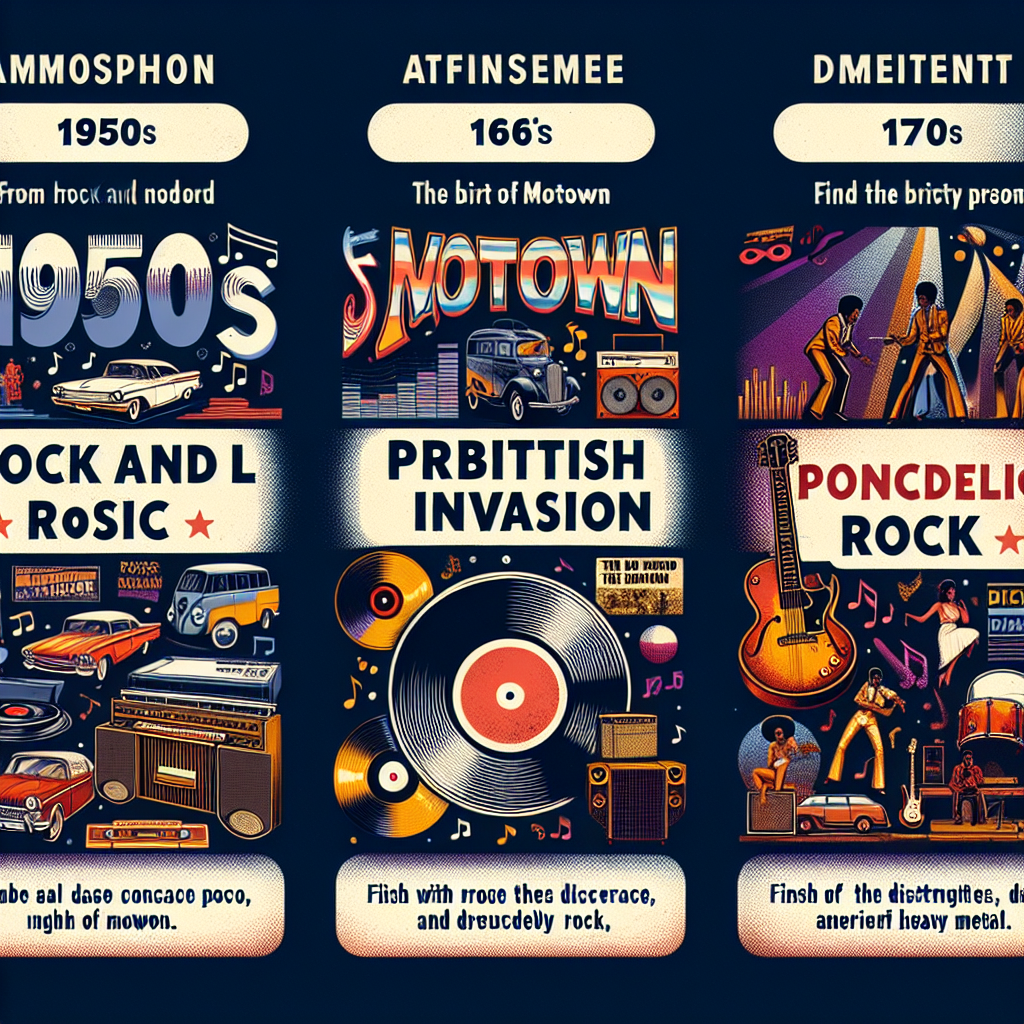
Rock ‘n’ roll has been a defining genre of music for over six decades, influencing not only the music industry but also culture, fashion, and technology. Let’s take a look back at the evolution of rock ‘n’ roll from the 1950s to the 1970s and how it shaped the world we live in today.

The 1950s: The Birth of Rock ‘n’ Roll

The 1950s marked the birth of rock ‘n’ roll with pioneers like Elvis Presley, Chuck Berry, and Little Richard leading the way. This era was characterized by upbeat rhythms, catchy melodies, and rebellious lyrics that challenged societal norms. Rock ‘n’ roll quickly became a symbol of youth culture and freedom.

Politicians and parents were quick to criticize rock ‘n’ roll for its perceived negative influence on young people. However, this only fueled its popularity among teenagers who saw it as a form of self-expression and rebellion against authority.

The 1960s: The Golden Age of Rock ‘n’ Roll

The 1960s saw rock ‘n’ roll reach new heights of creativity and innovation with bands like The Beatles, The Rolling Stones, and Jimi Hendrix pushing boundaries and experimenting with new sounds. This era was also marked by social and political upheaval, with rock music playing a significant role in movements for civil rights and peace.

Rock stars became cultural icons whose influence extended beyond music into fashion, art, and lifestyle. The counterculture movement embraced rock ‘n’ roll as a symbol of freedom and individuality, inspiring generations to come.

The 1970s: Rock ‘n’ Roll Goes Mainstream

By the 1970s, rock ‘n’ roll had firmly established itself as a mainstream genre with bands like Led Zeppelin, Pink Floyd, and Queen dominating the charts. This era saw the rise of stadium rock concerts and larger-than-life performances that solidified rock stars as larger-than-life figures.

Advancements in technology also played a significant role in shaping the sound of rock music in the 1970s. Innovations like electric guitars, synthesizers, and recording techniques allowed artists to experiment with new sounds and push boundaries even further.

The Legacy of Rock ‘n’ Roll

Looking back at the evolution of rock ‘n’ roll from the 1950s to the 1970s, it’s clear that this genre has had a lasting impact on music, culture, fashion, and technology. Rock ‘n’ roll paved the way for future generations of musicians to express themselves freely and creatively without fear of judgment or censorship.

While some may argue that rock ‘n’ roll is a thing of the past, its influence can still be felt in modern music genres like pop, hip-hop, and indie. The spirit of rebellion and individuality that defined rock ‘n’ roll lives on in artists who continue to push boundaries and challenge societal norms.

In conclusion, the evolution


of


rock’n’


roll from


the

50’s  to   70’s  has   been   a   journey   worth <><><></></></>cele
(500 words)

Revolutionary Songs of the Civil Rights Movement in the 50’s and 60’s

During the 1950s and 1960s, the Civil Rights Movement in the United States was at its peak. This pivotal time in history saw activists fighting for racial equality and justice, using various forms of protest to bring about change. One powerful tool that was utilized during this time was music, specifically revolutionary songs that became anthems for the movement.

Music has always been a reflection of culture and society, and during the Civil Rights Movement, it played a crucial role in spreading messages of hope, unity, and resistance. Artists such as Sam Cooke, Nina Simone, Bob Dylan, and Joan Baez used their music to speak out against racism and injustice. Their songs became rallying cries for activists and ordinary citizens alike, inspiring them to continue fighting for equality.

Politicians also recognized the power of music during this time. Leaders like Martin Luther King Jr. understood that music had the ability to bring people together and motivate them to take action. King often referred to music as a unifying force that could transcend barriers of race and class.

In addition to its political impact, music from the Civil Rights Movement also influenced fashion trends of the time. Artists like Aretha Franklin and James Brown were known for their bold style choices, which inspired others to embrace their cultural identity through clothing and accessories. The afro hairstyle became a symbol of black pride during this era, with many musicians sporting the iconic look.

Technological advancements also played a role in spreading revolutionary songs of the Civil Rights Movement. The invention of the transistor radio made it easier for people to access music on-the-go, allowing these powerful messages to reach a wider audience. Television broadcasts also featured performances by activist musicians, further amplifying their impact.

Overall, the revolutionary songs of the Civil Rights Movement had a lasting impact on American society. They helped galvanize support for the cause of racial equality and justice, while also influencing other aspects of culture such as fashion and technology. These songs continue to be celebrated today for their powerful messages of hope and resilience.