The British Invasion: How British Bands Dominated American Charts in the 60’s

During the 1960s, a musical phenomenon known as the British Invasion took the United States by storm. British bands dominated the American charts, influencing not only music but also culture, fashion, and technology. This period marked a significant shift in the music industry and left a lasting impact on American society.

The British Invasion was characterized by the success of bands such as The Beatles, The Rolling Stones, The Who, and The Kinks. These bands brought a fresh sound to American audiences, blending rock and roll with elements of rhythm and blues. Their catchy melodies and infectious energy captivated listeners across the country.

Politicians at the time also recognized the power of music in shaping cultural attitudes. Many politicians embraced British bands as a way to connect with younger voters and promote a sense of unity between the United States and Britain. In fact, President John F. Kennedy famously invited The Beatles to perform at the White House in 1964, solidifying their status as international superstars.

Not only did British bands dominate the airwaves, but they also influenced fashion trends during this time. The Beatles’ iconic mop-top hairstyles and tailored suits became synonymous with youth culture in America. Fans emulated their style, sparking a craze for all things British in fashion magazines and clothing stores.

Furthermore, advances in technology played a crucial role in spreading British music across the United States. The rise of television allowed fans to watch live performances by their favorite bands from across the Atlantic. Radio stations also played a key role in promoting British artists, helping them reach new audiences beyond their home country.

Overall, the British Invasion had a profound impact on American society during the 1960s. It brought people together through shared musical experiences and sparked a cultural revolution that continues to resonate today. The legacy of these bands lives on through their timeless songs and enduring influence on popular culture.
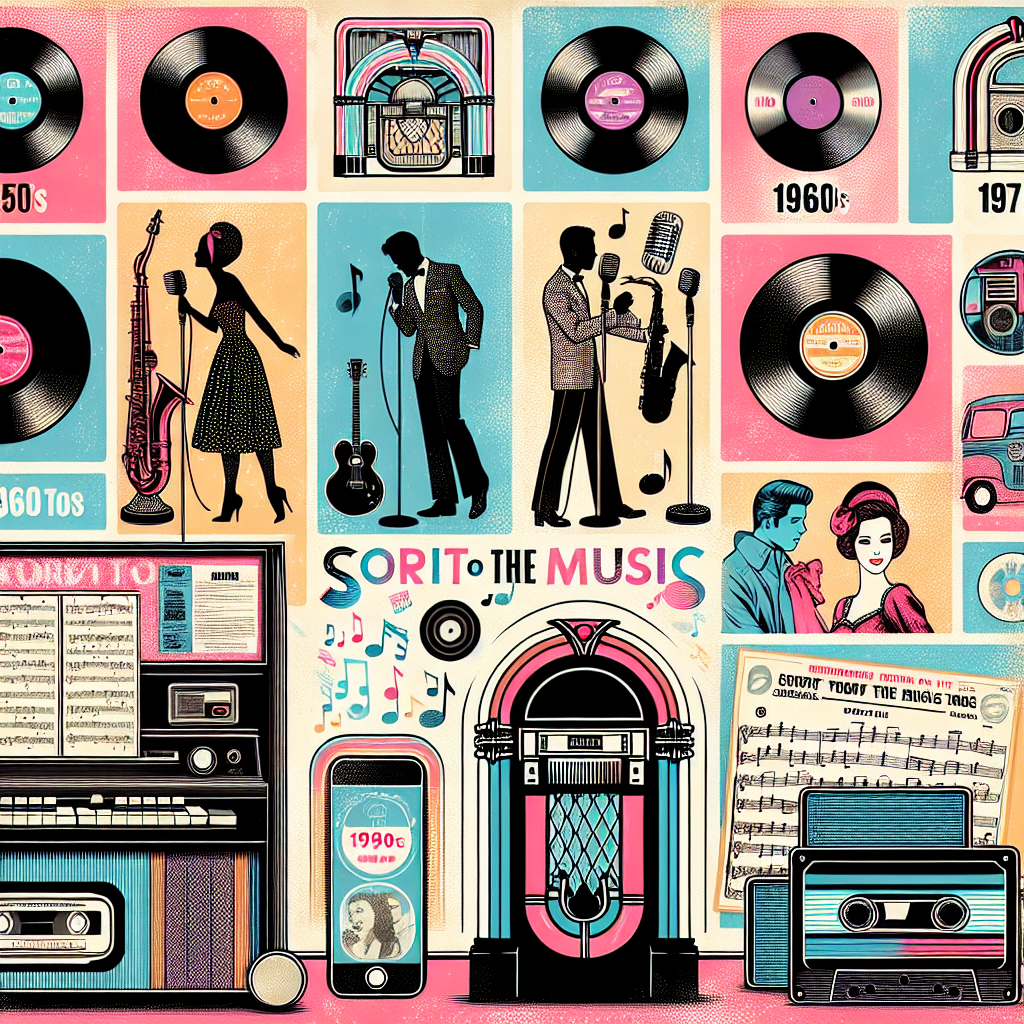
The Evolution of Rock ‘n’ Roll: A Look Back at the Music of the 50’s, 60’s, and 70’s

Rock ‘n’ roll has been a significant part of our culture for decades, shaping the way we think, dress, and even vote. The music of the 50’s, 60’s, and 70’s paved the way for future generations and continues to influence popular culture today.

One of the most notable aspects of rock ‘n’ roll music is its ability to transcend boundaries and bring people together. In a time when segregation was still prevalent in many parts of the world, rock ‘n’ roll provided a common ground for people of all races to come together and enjoy music that spoke to their experiences.

Politicians also took notice of the power of rock ‘n’ roll music. Many politicians used popular songs as part of their campaigns, recognizing that music had the ability to connect with voters on an emotional level. Artists like Bob Dylan and The Beatles became symbols of social change and political activism, using their platform to speak out against injustice and call for peace.

Rock ‘n’ roll also had a significant impact on fashion during this time period. The wild styles of artists like Elvis Presley and David Bowie inspired generations of young people to express themselves through clothing and accessories. The rebellious nature of rock ‘n’ roll encouraged individuals to push boundaries and embrace their own unique sense of style.

Technology played a crucial role in the evolution of rock ‘n’ roll music. The invention of the electric guitar revolutionized the sound of rock music, giving artists a new tool to create innovative sounds. Advances in recording technology also allowed musicians to experiment with different techniques and create groundbreaking albums that pushed the boundaries of what was possible in music.

Looking back at the music of the 50’s, 60’s, and 70’s, it is clear that rock ‘n’ roll had a lasting impact on our culture. From influencing fashion trends to inspiring political movements, rock ‘n’ roll continues to shape our world in ways that we may not even realize.

As we reflect on this era of music history, it is important to recognize the positive contributions that rock ‘n’ roll has made to society. Its ability to bring people together, inspire change, and push boundaries has left an indelible mark on our culture that will continue to resonate for years to come.

Soul Music in the 70’s: The Soundtrack to a Decade of Change

The 1970s was a decade of change in many aspects of society, and one of the most influential forces during this time was soul music. This genre not only provided a soundtrack to the era but also reflected the cultural, political, fashion, and technological shifts that were taking place.

Music has always been a powerful tool for expressing emotions and ideas, and soul music in the 70s did just that. With its roots in African American culture, soul music spoke to issues of love, heartbreak, social justice, and empowerment. Artists like Aretha Franklin, Marvin Gaye, Stevie Wonder, and Earth Wind & Fire used their voices to bring attention to important social issues such as civil rights and racial equality.

Culture in the 70s was heavily influenced by soul music. The sound of Motown records filled dance floors across America, bringing people together through the power of music. Soul music also played a role in shaping fashion trends during this time. Artists like Diana Ross and Donna Summer set the stage for glamorous disco style with their sequined gowns and platform shoes.

Politicians recognized the impact that soul music had on society and used it to connect with voters. During his campaign for president in 1976, Jimmy Carter invited artists like James Brown and Al Green to perform at his rallies. Their music helped to energize crowds and create a sense of unity among supporters.

Technology also played a significant role in shaping soul music in the 70s. The introduction of synthesizers and drum machines allowed artists to experiment with new sounds and create innovative tracks. This technological advancement paved the way for genres like funk and disco to emerge, further expanding the influence of soul music.

Overall, soul music in the 70s was a driving force behind cultural change. It brought people together through its powerful lyrics and infectious rhythms, creating a sense of unity during a tumultuous time. The genre’s influence extended beyond just music, shaping fashion trends, political campaigns, and technological advancements.

As we look back on this era, it is clear that soul music played a pivotal role in defining the sound of the 70s. Its positive message of love and empowerment continues to resonate with audiences today, reminding us of the enduring power of music to inspire change.

The Evolution of Rock ‘n’ Roll: A Look at the Music of the 50’s, 60’s, and 70’s

Rock ‘n’ roll music has been a significant part of American culture for decades, shaping not only the music industry but also influencing fashion, technology, and even politics. The evolution of rock ‘n’ roll from the 1950s to the 1970s is a fascinating journey that reflects the changing attitudes and values of society during those times.

The 1950s: The Birth of Rock ‘n’ Roll

The 1950s marked the birth of rock ‘n’ roll music, with artists like Elvis Presley, Chuck Berry, and Little Richard paving the way for a new sound that combined elements of rhythm and blues, country, and gospel music. This era was characterized by rebelliousness and youth culture, with teenagers embracing rock ‘n’ roll as a form of self-expression.

Politicians and parents were often critical of rock ‘n’ roll music, fearing its influence on young people. However, despite this backlash, rock ‘n’ roll continued to grow in popularity throughout the decade, becoming a symbol of freedom and rebellion.

The 1960s: The Golden Age of Rock

The 1960s are often referred to as the golden age of rock ‘n’ roll, with bands like The Beatles, The Rolling Stones, and Jimi Hendrix revolutionizing the genre with their innovative sound and experimental approach to music. This era saw a shift in cultural attitudes towards social issues such as civil rights, feminism, and anti-war activism.

Rock ‘n’ roll became a powerful tool for musicians to express their views on these issues, with songs like Bob Dylan’s “Blowin’ in the Wind” and Creedence Clearwater Revival’s “Fortunate Son” becoming anthems for social change. Fashion also played a significant role in shaping the image of rock ‘n’ roll during this time, with artists like David Bowie and Janis Joplin pushing boundaries with their bold styles.

The 1970s: Rock Goes Mainstream

By the 1970s, rock ‘n’ roll had become mainstream music, with bands like Led Zeppelin, Pink Floyd, and Queen dominating the charts. This era saw advancements in technology that allowed for more complex sounds and production techniques in rock music.

Despite its commercial success, rock ‘n’ roll continued to be a platform for artists to address political and social issues. Songs like John Lennon’s “Imagine” and Marvin Gaye’s “What’s Going On” reflected the turbulent times of the 1970s, addressing themes such as peace, love, and equality.

In Conclusion

The evolution of rock ‘n’ roll from the 1950s to the 1970s is a testament to its enduring power as a form of artistic expression. Despite facing criticism from politicians and parents at times, rock ‘n’ roll has always remained true to its rebellious spirit.

Through its influence on culture, fashion, technology, and politics, rock ‘n’ roll has left an indelible mark on society that continues to resonate today. As we look back on this transformative period in music history, we can appreciate how rock ‘n’ roll has shaped our world in ways that go beyond just entertainment.

The British Invasion: How British Bands Dominated the Charts in the 60’s

In the 1960s, a musical revolution took place that would forever change the landscape of popular music. The British Invasion saw a wave of British bands dominating the charts in the United States and around the world, leaving an indelible mark on music, culture, fashion, and technology.

The British bands of the 60s brought a fresh sound to the music scene, blending elements of rock and roll with rhythm and blues to create a new genre that captivated audiences. Bands like The Beatles, The Rolling Stones, The Who, and The Kinks became household names and their songs topped the charts, influencing generations of musicians to come.

But it wasn’t just their music that made these bands so popular – it was also their style and attitude. The Beatles’ mop-top haircuts and matching suits became iconic symbols of the era, while The Rolling Stones’ rebellious image set them apart from their more clean-cut counterparts. These bands weren’t just making music – they were shaping a cultural movement.

Politicians at the time recognized the power of music in shaping public opinion and used these bands as tools for diplomacy. When The Beatles visited America in 1964, they were greeted by thousands of screaming fans and even President John F. Kennedy’s press secretary remarked that “the Beatles are not merely entertainers but statesmen.” Music had become a powerful force for change.

Fashion also played a key role in the British Invasion. The mod look – characterized by sharp suits, slim ties, and Chelsea boots – became synonymous with bands like The Who and The Kinks. This style influenced not only how people dressed but also how they expressed themselves through fashion.

Technology also played a crucial role in the success of these British bands. Advancements in recording technology allowed them to experiment with new sounds and techniques in the studio, pushing boundaries and creating innovative music that captured listeners’ imaginations. From multi-track recording to electric guitars, these bands embraced new technologies to push their music forward.

The legacy of the British Invasion can still be felt today in modern music. Bands like Arctic Monkeys, Florence + The Machine, and Adele continue to draw inspiration from their predecessors while forging their own paths in the industry. The influence of these bands is undeniable – they changed not only how we listen to music but also how we think about culture, fashion, politics, and technology.

So let’s celebrate the British Invasion for what it was – a revolutionary moment in music history that brought us some of the greatest bands of all time. Their impact is still felt today and will continue to shape popular culture for generations to come.

From Motown to Woodstock: Exploring the Diversity of Music in the 60’s and 70’s

The 1960s and 1970s were a time of immense cultural change, and the music of this era reflected that diversity in a powerful way. From Motown to Woodstock, the music of this time period spanned genres and styles, bringing people together and expressing the many facets of society at that time.

One of the most iconic movements in music during this time was Motown. Founded in Detroit in 1959 by Berry Gordy Jr., Motown Records quickly became a powerhouse in the industry, producing hit after hit with artists like The Supremes, Marvin Gaye, and Stevie Wonder. Motown’s sound was characterized by its catchy melodies, tight harmonies, and infectious rhythms, making it a favorite among listeners of all backgrounds.

But Motown was just one piece of the musical puzzle during this era. The late 1960s also saw the rise of counterculture movements like Woodstock, where hundreds of thousands of people gathered for a weekend of peace, love, and music. Acts like Jimi Hendrix, Janis Joplin, and The Who took the stage at Woodstock, delivering electrifying performances that captured the spirit of the times.

Music wasn’t just about entertainment during this era – it was also a powerful tool for social change. Artists like Bob Dylan used their platform to speak out against war and injustice, while soul singers like Aretha Franklin sang anthems of empowerment and liberation. Politicians may have been divided on issues like civil rights and Vietnam, but music had a way of cutting through those divisions and uniting people in a common cause.

And let’s not forget about fashion – another key component of the 60s and 70s music scene. From bell-bottoms to tie-dye shirts to platform shoes, musicians were as much known for their style as they were for their sound. Fashion became a form of self-expression during this time period, with artists using clothing to make bold statements about who they were and what they believed in.

Of course, technology played a role in shaping the music of this era as well. The advent of new recording techniques allowed artists to experiment with different sounds and textures, leading to groundbreaking albums like The Beatles’ “Sgt. Pepper’s Lonely Hearts Club Band” and Pink Floyd’s “The Dark Side of the Moon.” These albums pushed the boundaries of what was possible in music at that time, paving the way for future generations of musicians.

Looking back on the music of the 60s and 70s today, it’s clear that this era was truly special. It was a time when culture was changing rapidly, when politicians were clashing over important issues, when fashion was wild and free-spirited – and through it all, music remained a constant source of inspiration and unity.

So let’s celebrate that diversity today – let’s remember how music brought people together during some of our nation’s most tumultuous times. Let’s embrace the sounds and styles of Motown to Woodstock with open arms, knowing that they will always hold a special place in our hearts.

The Rise of Motown: How Berry Gordy Revolutionized R&B in the 60’s and Beyond

In the 1960s, a musical revolution was taking place in America. Motown Records, founded by Berry Gordy, played a pivotal role in shaping the sound of R&B music and influencing popular culture. Through his innovative approach to music production and marketing, Gordy transformed Motown into a powerhouse record label that would leave a lasting impact on the music industry for decades to come.

One of the key factors in Motown’s success was its ability to appeal to a wide audience. Gordy understood that in order to reach mainstream success, he needed to create music that transcended racial barriers. By blending elements of R&B, pop, and soul music, Motown artists like The Supremes, Marvin Gaye, and Stevie Wonder were able to attract fans from all walks of life.

But Motown wasn’t just about the music – it was also about the culture. The label became synonymous with style and sophistication, setting trends in fashion and influencing the way people dressed and carried themselves. From the sleek suits worn by The Temptations to the glamorous gowns donned by The Supremes, Motown artists were not only talented musicians but also trendsetters in their own right.

Politicians also took notice of Motown’s influence on American culture. In 1963, Berry Gordy organized the “Motortown Revue” – a series of concerts featuring all of his top acts – which helped break down racial barriers in cities across America. Politicians saw this as an opportunity to promote unity and understanding among different communities, using music as a powerful tool for social change.

Technology played a crucial role in Motown’s rise to fame as well. Gordy was one of the first record producers to embrace new recording techniques and equipment, such as multi-track recording and stereo sound. This allowed Motown records to have a polished and professional sound that set them apart from other labels at the time.

Overall, the rise of Motown Records was a testament to Berry Gordy’s vision and determination. By bringing together talented musicians from diverse backgrounds and creating music that appealed to a wide audience, Gordy revolutionized R&B music in the 60s and beyond. His influence on popular culture extended beyond just music – it encompassed fashion, politics, and technology as well.

In conclusion, Motown Records will always be remembered as a trailblazer in the music industry. Its impact on American culture cannot be understated, with its timeless songs still being celebrated today. Berry Gordy’s legacy lives on through the countless artists he nurtured and mentored at Motown, leaving behind a rich musical heritage that continues to inspire generations of musicians around the world.

From Elvis to The Beatles: How These Artists Shaped Music in the 50’s and 60’s

The 1950s and 1960s were revolutionary decades in the world of music. From Elvis Presley to The Beatles, these artists shaped the music industry and influenced culture, fashion, technology, and even politicians.

Elvis Presley burst onto the scene in the 1950s with his unique blend of rock and roll, country, and blues. His charismatic stage presence and rebellious attitude captured the hearts of teenagers across America. Elvis not only revolutionized music but also challenged societal norms with his provocative dance moves and daring fashion choices.

Elvis’s impact on music was undeniable. He paved the way for future rock stars and set the stage for a new era of popular music. His influence can still be felt today in artists like Bruno Mars and Justin Timberlake who draw inspiration from his iconic style.

But Elvis was just the beginning. In the early 1960s, a British band called The Beatles took the world by storm. With their catchy melodies, innovative songwriting, and charming personalities, The Beatles became a global phenomenon. Their music transcended boundaries and brought people together in ways that had never been seen before.

The Beatles not only changed the face of music but also influenced culture and fashion. Their mop-top haircuts and matching suits became iconic symbols of the 1960s youth movement. Politicians even took notice of their popularity, with John F. Kennedy famously inviting them to perform at the White House.

But perhaps The Beatles’ most lasting impact was on technology. They were pioneers in the recording studio, experimenting with new techniques and pushing boundaries to create groundbreaking sounds. Their innovative approach to production laid the groundwork for modern music production techniques that are still used today.

Overall, From Elvis to The Beatles: How These Artists Shaped Music in the 50’s and 60’s is a testament to the power of music to shape culture, inspire change, and bring people together. These artists broke barriers, challenged conventions, and left an indelible mark on society that continues to resonate today.

The British Invasion: How British Bands Dominated the Music Scene in the 60’s

During the 1960s, a cultural phenomenon known as the British Invasion took the music world by storm. British bands dominated the music scene with their unique sound, style, and charisma. This period marked a significant shift in popular culture, influencing not only music but also fashion, technology, and even politics.

One of the key factors that contributed to the success of British bands during this time was their innovative approach to music. Bands like The Beatles, The Rolling Stones, and The Who introduced new sounds and styles that captivated audiences around the world. Their catchy melodies, clever lyrics, and energetic performances set them apart from their American counterparts and helped them achieve global success.

But it wasn’t just the music that made British bands so popular. Their distinctive fashion sense also played a crucial role in shaping their image and attracting fans. From the mod-inspired look of The Kinks to the psychedelic style of Pink Floyd, British bands embraced bold colors, unconventional patterns, and edgy accessories that set them apart from mainstream trends.

Technology also played a significant role in the success of British bands during this era. The advent of new recording techniques, such as multitrack recording and stereo sound, allowed musicians to experiment with different sounds and create more complex arrangements. This technological innovation gave British bands a competitive edge over their competitors and helped them produce groundbreaking albums that are still celebrated today.

Furthermore, politicians recognized the influence of British bands on popular culture and used their popularity to promote positive messages and social change. Bands like The Beatles were vocal advocates for peace and love, inspiring millions of fans to embrace progressive values and challenge traditional norms. Their music became a rallying cry for social movements around the world and helped shape public opinion on important issues like civil rights and environmental conservation.

In conclusion, the British Invasion of the 1960s was a transformative period in music history that had a lasting impact on culture, fashion, technology, and politics. British bands revolutionized the music scene with their innovative sound and style, captivating audiences around the world with their catchy melodies and energetic performances. Their influence extended far beyond music into other aspects of popular culture, shaping trends in fashion, technology advancements in recording techniques ,and inspiring political movements for social change.

The Evolution of Rock ‘n’ Roll: A Look Back at the Music of the 50’s, 60’s, and 70’s

Rock ‘n’ roll music has always been a powerful force in shaping culture and society. From its roots in the 1950s to its peak in the 1960s and 70s, rock ‘n’ roll has evolved and influenced generations of music lovers around the world.

During the 1950s, rock ‘n’ roll emerged as a rebellious and energetic genre that captured the hearts of young people everywhere. Artists like Elvis Presley, Chuck Berry, and Little Richard brought a new sound to the airwaves, blending elements of rhythm and blues with country and western music. This fusion of styles created a unique sound that resonated with teenagers who were looking for something different from the mainstream music of the time.

As rock ‘n’ roll continued to grow in popularity throughout the 1960s, it became more than just a genre of music – it became a cultural movement. The music reflected the changing attitudes and values of young people during this tumultuous time in history. Rock ‘n’ roll became a voice for social change, with artists like Bob Dylan and The Beatles using their platform to speak out against war, injustice, and inequality.

Politicians and other authority figures often viewed rock ‘n’ roll as dangerous or subversive, fearing its influence on impressionable young minds. However, this only fueled its popularity among rebellious youth who saw rock ‘n’ roll as a form of expression and liberation.

Alongside its cultural impact, rock ‘n’ roll also had a significant influence on fashion trends of the time. Artists like Jimi Hendrix and Janis Joplin pushed boundaries with their bold style choices, inspiring fans to embrace individuality and self-expression through clothing and accessories.

Technological advancements also played a role in shaping the evolution of rock ‘n’ roll during this era. The invention of electric guitars, amplifiers, and recording equipment allowed artists to experiment with new sounds and techniques, leading to groundbreaking innovations in music production.

Looking back at the music of the 50s, 60s, and 70s, it’s clear that rock ‘n’ roll had a lasting impact on both music history and popular culture. Its influence can still be felt today in modern genres like pop, hip-hop, and alternative rock.

Despite facing criticism from some quarters, rock ‘n’ roll persevered as a symbol of freedom, creativity, and rebellion. It continues to inspire musicians and fans alike to push boundaries and challenge societal norms through their art.

In conclusion, the evolution of rock ‘n’ roll from its humble beginnings in the 1950s to its heyday in the 1960s and 70s is a testament to the enduring power of music as a force for change. As we look back at this transformative era in music history, we can appreciate how rock ‘n’ roll shaped not only our musical landscape but also our cultural identity as individuals united by our love for great tunes.