Top Hits of the 50’s, 60’s, and 70’s: A Nostalgic Trip Down Memory Lane

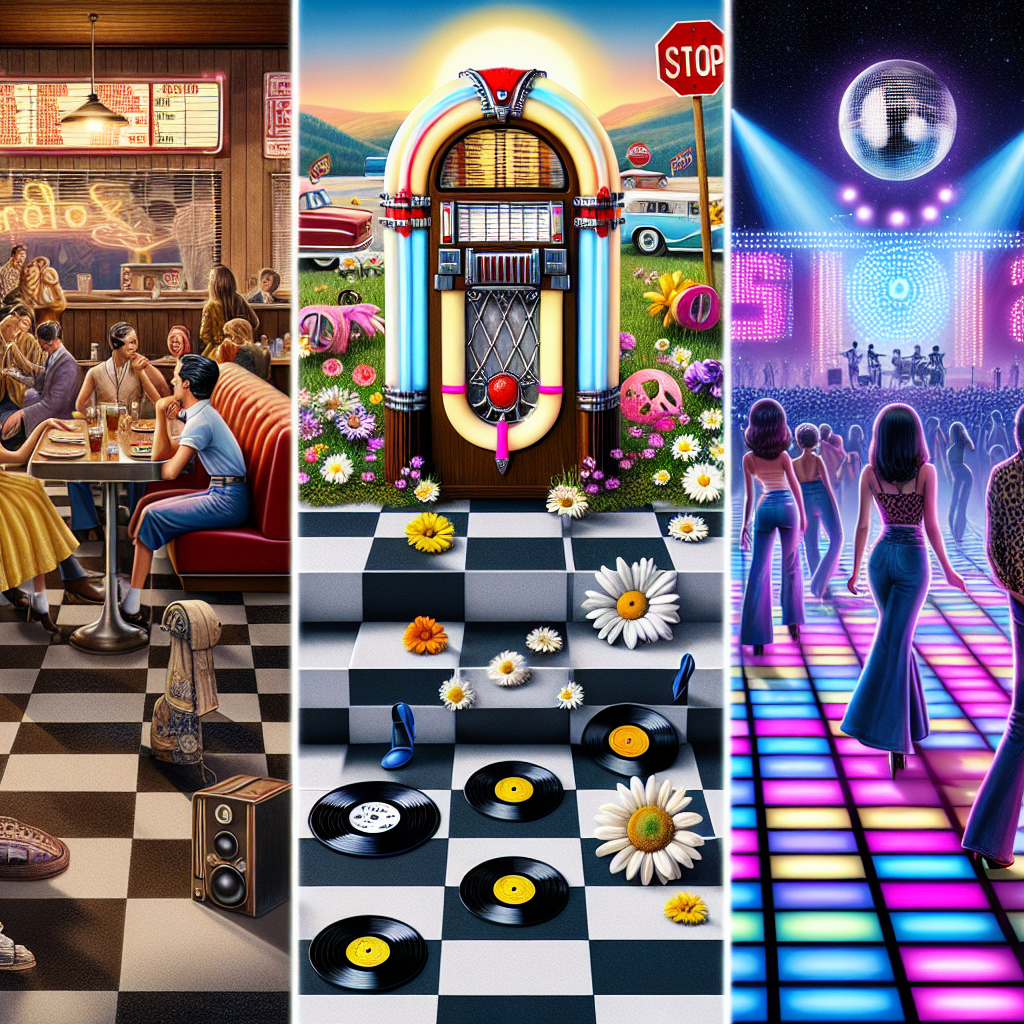
Do you ever find yourself feeling nostalgic for the good old days of the 50’s, 60’s, and 70’s? The music, culture, fashion, and technology of these decades hold a special place in many people’s hearts. Let’s take a trip down memory lane and revisit some of the top hits from these iconic eras.

The Music

The music of the 50’s, 60’s, and 70’s was truly something special. From rock ‘n’ roll to Motown to disco, each decade had its own unique sound that continues to resonate with listeners today. Artists like Elvis Presley, The Beatles, Aretha Franklin, and Queen dominated the charts and left a lasting impact on the music industry.

The Culture

These decades were a time of great change and upheaval in American culture. The civil rights movement, the Vietnam War, and the counterculture revolution all played a role in shaping the cultural landscape of the time. Musicians often used their platform to address social issues and connect with their audience on a deeper level.

The Politicians

The political climate of the 50’s, 60’s, and 70’s was also incredibly tumultuous. From President John F. Kennedy to Richard Nixon to Jimmy Carter, each president faced their own set of challenges during their time in office. Despite this political turmoil, many people found solace in the music of the era as a form of escapism.

The Fashion

Fashion in the 50’s was characterized by poodle skirts and greaser jackets. In the 60’s, it was all about tie-dye shirts and bell-bottom jeans. And who could forget the disco era of the 70’s with its sequins and platform shoes? Each decade had its own distinct style that continues to influence fashion trends today.

The Technology

Advancements in technology during these decades also had a profound impact on society. The invention of television brought live performances into people’s living rooms, while developments in recording technology allowed artists to experiment with new sounds and techniques. The introduction of color television in the late 60’s changed the way people experienced entertainment forever.

Looking back on these decades can evoke feelings of nostalgia for a simpler time when life seemed less complicated. The music, culture, fashion, politics, and technology of the 50’s, 60’s,and70s will always hold a special place in our hearts as remindersof an era filled with creativityand innovation.

Remembering Woodstock: A Retrospective on the Music Festival of the 60’s

Woodstock, the iconic music festival of the 1960s, holds a special place in the hearts of many. It was a time when music, culture, and politics collided in a beautiful and harmonious way. The festival not only showcased some of the greatest musical talents of the time but also became a symbol of unity and peace.

One of the most memorable aspects of Woodstock was its incredible lineup of musicians. From legendary acts like Jimi Hendrix, Janis Joplin, and The Who to up-and-coming artists like Santana and Crosby, Stills, Nash & Young, the festival featured an eclectic mix of genres that appealed to a wide audience. The music played at Woodstock reflected the cultural diversity and social consciousness of the era, with songs that spoke to issues such as civil rights, war, and environmentalism.

Woodstock also had a profound impact on fashion. The laid-back bohemian style that was popularized at the festival continues to influence fashion trends today. From fringe vests and bell-bottom jeans to tie-dye shirts and floral headbands, Woodstock-inspired fashion remains a staple in many wardrobes.

Politicians at the time were quick to recognize the significance of Woodstock as well. Despite initial concerns about potential disruptions and safety issues, politicians ultimately embraced the festival as a symbol of youth culture and artistic expression. In fact, then-New York Governor Nelson Rockefeller even sent state troopers to ensure the safety of attendees during the event.

Technology also played a key role in making Woodstock a success. With advancements in sound equipment and stage design, organizers were able to create an immersive experience for concertgoers. The use of large screens displaying live footage allowed attendees to feel connected to the performers on stage, even from afar.

In retrospect, it’s clear that Woodstock was more than just a music festival—it was a cultural phenomenon that continues to resonate with people today. Its message of peace, love, and unity is one that transcends generations and serves as a reminder of what can be achieved when people come together in harmony.

As we look back on Woodstock with fondness and nostalgia, let’s remember the spirit of camaraderie and creativity that defined the event. Let’s celebrate the musicians who graced its stages, the activists who fought for social change, and the fans who came together in pursuit of something greater than themselves.

Woodstock may have been held over 50 years ago, but its legacy lives on in our hearts and minds. It serves as a timeless reminder of what can be accomplished when we set aside our differences and come together through music, culture,and love.

Top 10 Iconic Songs from the 50’s, 60’s, and 70’s

Music has always played a significant role in shaping culture and society. From the 1950s to the 1970s, iconic songs emerged that not only defined the era but also influenced fashion, politics, and technology. Let’s take a trip down memory lane and revisit some of the top 10 iconic songs from this golden era.

1. “Johnny B. Goode” by Chuck Berry (1958)

Chuck Berry’s “Johnny B. Goode” is a rock and roll classic that captured the spirit of rebellion and youth culture in the 1950s. Its catchy guitar riffs and energetic lyrics made it an instant hit and solidified Berry’s status as a music legend.

2. “Like a Rolling Stone” by Bob Dylan (1965)

Bob Dylan’s “Like a Rolling Stone” is considered one of the greatest songs of all time. Its poetic lyrics and raw emotion reflected the social upheaval of the 1960s and cemented Dylan’s reputation as a voice of his generation.

3. “Respect” by Aretha Franklin (1967)

Aretha Franklin’s powerful anthem “Respect” became an instant feminist classic in the late 1960s. Its soulful vocals and empowering message resonated with audiences around the world, making Franklin a cultural icon.

4. “Hey Jude” by The Beatles (1968)

The Beatles’ “Hey Jude” is one of their most iconic songs, known for its uplifting melody and sing-along chorus. It became an anthem for peace and love during the turbulent 1960s, showcasing the band’s musical evolution.

5. “What’s Going On” by Marvin Gaye (1971)

Marvin Gaye’s “What’s Going On” is a soulful masterpiece that addressed social issues such as war, poverty, and racism in America. Its smooth vocals and poignant lyrics made it a timeless protest song that still resonates today.

6. “Bohemian Rhapsody” by Queen (1975)

Queen’s epic ballad “Bohemian Rhapsody” broke boundaries with its operatic structure and genre-bending sound. It became an instant classic in the 1970s, showcasing Freddie Mercury’s vocal range and songwriting prowess.

7. “Stayin’ Alive” by Bee Gees (1977)

The Bee Gees’ disco hit “Stayin’ Alive” became synonymous with the vibrant nightlife scene of the late 1970s. Its infectious beat and falsetto vocals made it a global phenomenon, influencing fashion trends and dance floors everywhere.

8. “Born to Run” by Bruce Springsteen (1975)

Bruce Springsteen’s anthemic song “Born to Run” captured the restless energy of youth culture in America during the mid-1970s. Its driving rhythm and heartfelt lyrics spoke to a generation searching for freedom and purpose.

9. “(I Can’t Get No) Satisfaction” by The Rolling Stones (1965)

The Rolling Stones’ rebellious anthem “(I Can’t Get No) Satisfaction” challenged societal norms in the mid-1960s with its provocative lyrics and gritty rock sound. It became an instant classic that defined the band’s bad-boy image.

10. “Imagine” by John Lennon (1971)

“Imagine” by John Lennon is a timeless ode to peace, unity, and hope for a better world. Its simple yet profound lyrics struck a chord with listeners around the globe, solidifying Lennon as a visionary artist who transcended music.

In conclusion, these iconic songs from the 1950s to the 1970s not only shaped music history but also influenced culture, politics, fashion, and technology during their respective eras. They continue to resonate with audiences today as timeless classics that capture the spirit of their times.

The Rise of Disco: A Look at the Dance Music Craze of the 70’s

In the 1970s, a new genre of music emerged that would take the world by storm – disco. This upbeat and infectious style of dance music quickly became a cultural phenomenon, influencing everything from fashion to technology. Let’s take a closer look at the rise of disco and how it shaped the decade.

Music

Disco music was characterized by its pulsating beat, catchy melodies, and soulful vocals. Artists like Donna Summer, The Bee Gees, and Gloria Gaynor dominated the charts with their disco hits, such as “I Will Survive” and “Stayin’ Alive”. Disco clubs sprung up all over the world, providing a space for people to dance the night away to their favorite tunes.

Culture

The rise of disco had a profound impact on popular culture in the 1970s. It was more than just a genre of music – it was a lifestyle. People embraced disco fashion, which included sequined dresses, platform shoes, and bell-bottom pants. Disco also brought people together on the dance floor, regardless of race or sexual orientation. It was a time of liberation and self-expression.

Politicians

Even politicians couldn’t resist the allure of disco. In 1979, President Jimmy Carter hosted a White House event called “A Salute to American Music”, where he invited disco artists like Gloria Gaynor to perform. This gesture helped legitimize disco as an important cultural movement that deserved recognition.

Fashion

Disco fashion was all about glitz and glamour. Women wore sparkly mini dresses and high heels, while men sported tight-fitting shirts and wide-legged pants. The iconic disco ball became synonymous with the era, reflecting light onto dancers as they grooved to the music. Fashion designers like Halston and Diane von Furstenberg embraced the disco aesthetic in their collections.

Technology

Advancements in technology played a crucial role in the rise of disco. The invention of synthesizers allowed artists to create new sounds that were unique to the genre. DJs used turntables to mix tracks seamlessly together, creating an uninterrupted flow of music on the dance floor. Disco clubs invested in state-of-the-art sound systems that could pump out bass-heavy beats for hours on end.

Overall, the rise of disco in the 1970s was a vibrant and exciting time for music lovers around the world. It brought people together through dance and self-expression, transcending boundaries of race and sexuality. Disco’s influence can still be felt today in modern pop music and club culture. So put on your dancing shoes and boogie down to some classic disco tunes – you won’t be able to resist hitting the dance floor!

Behind the Scenes

Have you ever wondered what goes on behind the scenes in the worlds of music, culture, politics, fashion, and technology? The truth is, there is so much more than meets the eye when it comes to these industries. From the late nights spent perfecting a new song to the intricate planning that goes into a high-profile event, there are countless moving parts that work together to create the final product that we see.

Let’s start with music. Behind every hit song is a team of talented individuals who work tirelessly to bring it to life. From songwriters and producers to musicians and engineers, each person plays a crucial role in crafting the perfect sound. And let’s not forget about the artists themselves – their passion and dedication shine through in every note they sing.

When it comes to culture, there are so many layers to explore. From traditional customs and beliefs to modern trends and innovations, culture is constantly evolving. It’s fascinating to see how different societies around the world express themselves through art, music, food, and more. And thanks to globalization and technology, we have more opportunities than ever before to connect with people from diverse backgrounds.

Politicians also have their own behind-the-scenes world that often goes unnoticed by the public. While we may only see them giving speeches or attending events on TV, there is a whole team of advisors and strategists working behind the scenes to help them make informed decisions. Politics can be messy and complex, but at its core, it’s about serving the people and making positive change in society.

Now let’s talk about fashion. The fashion industry is known for its glitz and glamour, but there is also a lot of hard work that goes on behind the scenes. Designers spend hours sketching out ideas and sourcing materials to create stunning collections. Models practice their walks for hours on end before hitting the runway. And stylists carefully curate looks for photo shoots and red carpet events. Fashion is not just about looking good – it’s an art form that allows us to express ourselves creatively.

And finally, technology plays a huge role in shaping our world today. From smartphones and social media platforms to artificial intelligence and virtual reality, technology has revolutionized how we live our lives. Behind every innovative product or service is a team of engineers, developers, and designers who are constantly pushing boundaries and challenging norms.

So why does all this matter? Because understanding what goes on behind the scenes can give us a greater appreciation for the things we enjoy in life. Whether it’s listening to our favorite song on repeat or scrolling through our social media feeds, there are countless hours of hard work that have gone into creating these experiences for us.

It’s easy to take things for granted in today’s fast-paced world, but by taking a moment to pause and reflect on all the effort that goes into making things happen behind the scenes, we can develop a deeper sense of gratitude for the beauty and complexity of our world.

So next time you’re enjoying your favorite music or admiring a stunning fashion collection or engaging with cutting-edge technology – remember all the talented individuals who have worked tirelessly behind the scenes to bring these experiences to life.

From Motown to Woodstock: Exploring the Soundtrack of the 60’s

From Motown to Woodstock: Exploring the Soundtrack of the 60’s

The 1960s was a decade that saw a seismic shift in music, culture, politics, fashion, and technology. From the soulful sounds of Motown to the free-spirited vibes of Woodstock, the soundtrack of the 60’s captured the essence of a generation on the brink of change.

Music played a central role in shaping the cultural landscape of the 60’s. Artists like The Beatles, Bob Dylan, and Aretha Franklin used their music to express social and political messages that resonated with audiences around the world. The rise of Motown brought soul music to the mainstream, while psychedelic rock bands like The Doors and Jefferson Airplane pushed boundaries with their experimental sound.

Politicians also played a significant role in shaping the culture of the 60’s. The civil rights movement, anti-war protests, and women’s liberation all had a profound impact on society during this time. Music became a powerful tool for activists to spread their message and unite people in their fight for equality and justice.

Fashion in the 60’s was bold and colorful, reflecting the changing attitudes of young people at the time. Mini skirts, bell-bottoms, tie-dye shirts, and go-go boots became iconic symbols of the era. Fashion designers like Mary Quant and Pierre Cardin pushed boundaries with their innovative designs, paving the way for new trends that continue to influence fashion today.

Technology also played a crucial role in shaping the sound of the 60’s. The invention of new recording techniques allowed artists to experiment with different sounds and create groundbreaking albums that pushed the boundaries of traditional music genres. The rise of FM radio gave artists more freedom to play longer songs and explore new musical styles that were not limited by commercial interests.

Overall, exploring the soundtrack of the 60’s is an exciting journey through a transformative decade that continues to inspire us today. The music, culture, politics, fashion, and technology of this era all came together to create a unique blend of creativity and innovation that has left an indelible mark on our collective consciousness.

Music, culture, fashion, technology – these are just a few of the many facets that make up our vibrant society. While it’s easy to focus on the negative aspects of our world, there is also so much to be positive about when it comes to these topics.

Let’s start with music. Music has the power to bring people together, regardless of their background or beliefs. It transcends language barriers and can evoke emotions in ways that words alone cannot. Whether it’s a catchy pop song or a moving classical piece, music has the ability to unite us all.

Culture is another area where positivity abounds. Our diverse cultures enrich our lives and provide us with unique perspectives and experiences. From traditional dances to delicious cuisines, each culture brings something special to the table. By embracing and celebrating our differences, we can create a more inclusive and harmonious society.

Politicians may not always have the best reputation, but there are also many who are working tirelessly to make positive changes in the world. From advocating for human rights to implementing policies that protect our environment, politicians play a crucial role in shaping our future. By supporting those who are dedicated to making a difference, we can help create a better world for generations to come.

Fashion is often dismissed as superficial or frivolous, but it is also an important form of self-expression. What we wear can reflect our personality, values, and creativity. Fashion designers push boundaries and challenge norms, leading to innovative trends that shape our cultural landscape. By embracing diversity in fashion and supporting sustainable practices, we can make a positive impact on both the industry and the planet.

Technology has revolutionized the way we live, work, and communicate. From smartphones to social media platforms, technology has connected us in ways we never thought possible. It has opened up new opportunities for education, healthcare, and entertainment. By harnessing the power of technology for good, we can address pressing global issues and improve quality of life for people around the world.

In conclusion, there is much to be positive about when it comes to music, culture, politicians fashion ,and technology . These topics have the potential to inspire change , foster unity ,and promote creativity .By focusing on the good in these areas ,we can work towards building a brighter future for all .

Exploring the Influence of Motown on Music in the 60’s and 70’s

In the 1960s and 1970s, Motown played a significant role in shaping music culture. The record label, founded by Berry Gordy Jr. in Detroit, Michigan in 1959, became synonymous with soul music and produced some of the biggest hits of the era. Motown’s influence extended beyond just music, impacting fashion, technology, and even politics.

One of the key factors that contributed to Motown’s success was its ability to appeal to a wide audience. The label’s artists, including legends like Marvin Gaye, Stevie Wonder, and The Supremes, created music that crossed racial barriers and resonated with people from all walks of life. This inclusivity helped to shape a more unified cultural landscape during a time of social unrest.

Politicians also recognized the power of Motown’s music to bring people together. Artists like Marvin Gaye used their platform to address important social issues such as civil rights and war. Songs like “What’s Going On” became anthems for change and inspired listeners to take action. Motown’s influence on politics helped to shape public opinion and push for progress in society.

Furthermore, Motown had a significant impact on fashion trends of the time. Artists like The Supremes were known for their glamorous style and iconic looks that set new standards for beauty and fashion. Their influence extended beyond the stage, inspiring people around the world to embrace bold colors, statement jewelry, and sophisticated hairstyles.

Technology also played a role in Motown’s success. The label was one of the first to embrace new recording techniques and equipment that allowed artists to create innovative sounds and production quality. This commitment to excellence helped Motown stand out from other labels at the time and solidified its reputation as a leader in the industry.

Overall, exploring the influence of Motown on music in the 60s and 70s reveals a positive outlook on how art can shape culture. The label’s ability to bring people together through music transcended boundaries and inspired change in various aspects of society. From politics to fashion to technology, Motown left an indelible mark on history that continues to resonate with audiences today.

From Doo-Wop to Disco: Exploring the Diversity of Music in the 50’s, 60’s, and 70’s

When we think about the music of the 50’s, 60’s, and 70’s, a wide range of genres and styles come to mind. From doo-wop to disco, these decades were filled with musical diversity that reflected the changing cultural landscape of the time.

One of the most significant aspects of music during this period was its ability to bring people together across boundaries of race, class, and geography. Doo-wop groups like The Platters and The Drifters brought harmonious melodies that resonated with audiences from all walks of life. These groups often consisted of African American singers who faced discrimination in other areas of society but found acceptance and success through their music.

Similarly, the rise of Motown in the 60’s showcased the talent of African American artists like Marvin Gaye, Diana Ross, and Stevie Wonder. Their soulful sounds crossed over into mainstream pop music and helped to break down racial barriers in the industry.

Politicians also recognized the power of music during this time. John F. Kennedy famously invited Ella Fitzgerald to perform at the White House in 1961, making her the first African American woman to do so. This gesture not only highlighted Fitzgerald’s incredible talent but also sent a message about inclusivity and equality.

Music was not just a form of entertainment during these decades; it was also a reflection of broader cultural trends. The fashion of the 50’s saw a return to more traditional styles after the austerity of World War II, with poodle skirts and leather jackets becoming iconic symbols of the era.

In contrast, the counterculture movement of the 60’s embraced more rebellious fashions like tie-dye shirts and bell-bottom jeans. Musicians like Jimi Hendrix and Janis Joplin embodied this new style with their wild hair and psychedelic outfits.

The disco era of the 70’s brought yet another shift in fashion, with glittery jumpsuits and platform shoes becoming must-have items for club-goers. Artists like Donna Summer and The Bee Gees dominated the charts with their catchy dance tunes that kept people grooving all night long.

Technology also played a significant role in shaping music during these decades. The development of new recording techniques allowed artists to experiment with different sounds and create innovative tracks that pushed boundaries. The introduction of synthesizers in the 70’s revolutionized electronic music and paved the way for genres like techno and house.

Overall, music from the 50’s, 60’s, and 70’s represents a rich tapestry of styles that reflect not only changing musical trends but also broader cultural shifts. From doo-wop harmonies to disco beats, each genre has its own unique charm that continues to captivate listeners today.

As we look back on this period in musical history, we can appreciate how artists used their creativity to bridge divides and bring people together through shared experiences. Whether you’re a fan of rock ‘n’ roll or funk, there is something for everyone to enjoy from this golden age of music.

The Influence of Motown on Popular Music in the 60’s

When one thinks of the 1960s, it is impossible not to think of Motown. The record label founded by Berry Gordy in Detroit in 1959 played a crucial role in shaping popular music during that era. Motown not only influenced the music scene but also had a significant impact on culture, politics, fashion, and technology.

The Music

Motown was known for its distinctive sound that combined elements of soul, R&B, and pop music. Artists like The Supremes, Marvin Gaye, Stevie Wonder, and The Temptations dominated the charts with their catchy melodies and smooth harmonies. Motown’s songwriters and producers were some of the best in the business, creating timeless hits that are still beloved today.

Culture

Motown was more than just a record label – it was a cultural phenomenon. The music brought people together across racial divides and helped break down barriers in a time of great social change. Motown’s artists became icons who inspired generations of musicians to come.

Politicians

Even politicians took notice of Motown’s influence. In 1963, President John F. Kennedy famously said that his favorite song was “Mickey’s Monkey” by Smokey Robinson & The Miracles. Motown artists also performed at political events and fundraisers, using their platform to raise awareness about important issues.

Fashion

Motown artists were not only known for their incredible music but also for their impeccable style. The Supremes’ matching sequined gowns and perfectly coiffed hair set trends in fashion that are still emulated today. Motown’s influence on fashion extended beyond just the stage – it became a symbol of sophistication and glamour.

Technology

In addition to its cultural impact, Motown also played a role in advancing technology in the music industry. Berry Gordy was an innovator who invested in state-of-the-art recording equipment and techniques that helped shape the sound of Motown records. This commitment to quality helped establish Motown as a powerhouse in the industry.

In conclusion, it is clear that Motown had a profound influence on popular music in the 1960s. Its unique sound and talented roster of artists helped shape the cultural landscape of the time. From breaking down racial barriers to setting trends in fashion and technology, Motown left an indelible mark on history.