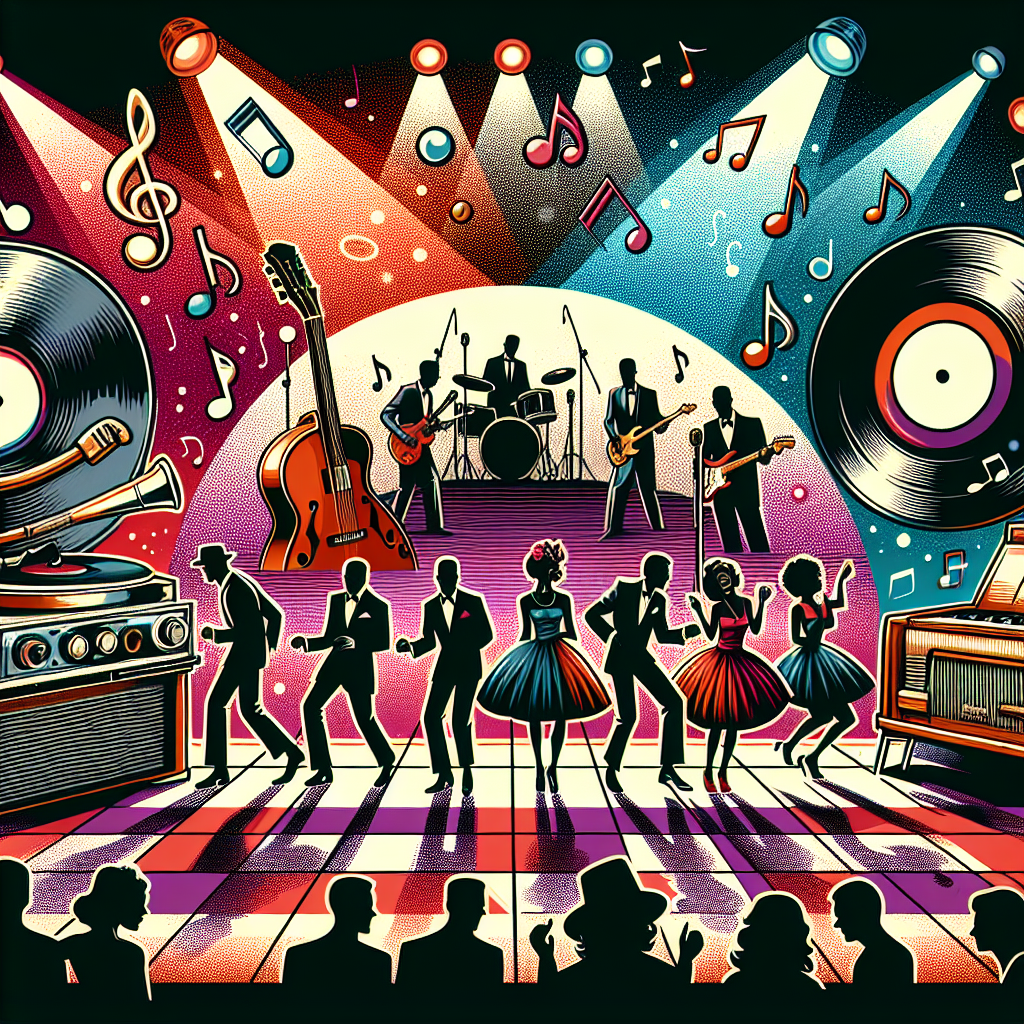
Music has always played a significant role in shaping culture and society. From the anthems of revolution to the ballads of love, music has the power to evoke emotions and inspire change. One era where music truly made an impact was during the Civil Rights Movement in the United States.
The soundtrack of the Civil Rights Movement was filled with protest songs that spoke to the struggles and triumphs of African Americans fighting for equality. These songs became anthems for a generation seeking justice and change. From “We Shall Overcome” to “A Change is Gonna Come,” these songs captured the spirit of a movement that would forever change American society.
Politicians and activists alike recognized the power of music in mobilizing people and spreading messages of hope and unity. Leaders such as Martin Luther King Jr. understood that music could be used as a tool to inspire action and bring people together. By incorporating protest songs into marches, rallies, and speeches, they were able to create a sense of solidarity among supporters.
But it wasn’t just politicians who were influenced by the music of the Civil Rights Movement. Fashion also played a role in shaping the culture of the time. Artists like Nina Simone and Aretha Franklin not only sang about social justice issues, but they also used their style to make statements about identity and empowerment.
Technology also played a crucial role in spreading protest songs throughout the country. The rise of radio and television allowed these songs to reach a wider audience than ever before. People from all walks of life could now hear these powerful messages and be inspired to take action.
Looking back on this era, it’s clear that music had a profound impact on the Civil Rights Movement. These protest songs served as rallying cries for those fighting for equality and justice. They gave voice to those who had been silenced for too long.
Today, we can still see the influence of these protest songs in our culture. Artists continue to use their platform to speak out against injustice and advocate for change. From Beyoncé’s “Formation” to Kendrick Lamar’s “Alright,” musicians are carrying on the legacy of those who came before them.
As we reflect on this pivotal moment in history, let us remember the power of music to unite us, inspire us, and drive us towards a better future. The soundtrack of a revolution may have been written decades ago, but its message still rings true today: we shall overcome.
The British Invasion of the 1960s was a cultural phenomenon that saw British bands dominating the music charts and influencing popular culture around the world. This period marked a significant shift in the music industry, with British acts such as The Beatles, The Rolling Stones, and The Who becoming household names and setting new trends in music, fashion, and technology.
One of the key factors that contributed to the success of British bands during this time was their unique sound and style. The Beatles, for example, revolutionized the music industry with their catchy melodies, innovative songwriting techniques, and charismatic stage presence. Their influence can still be felt in modern music today.
In addition to their musical talent, British bands also played a crucial role in shaping popular culture during the 1960s. Their rebellious attitudes and unconventional fashion choices challenged societal norms and inspired a generation of young people to embrace individuality and creativity. Politicians were not immune to this influence either – even they couldn’t resist the charm of these iconic musicians.
Furthermore, advancements in technology played a significant role in amplifying the impact of British bands on a global scale. The rise of television allowed fans from all over the world to watch performances by their favorite artists, while radio stations helped spread their music far and wide. This newfound accessibility paved the way for British acts to reach unprecedented levels of fame and success.
Overall, the British Invasion of the 1960s was a transformative period in music history that continues to resonate with audiences today. The legacy of bands like The Beatles and The Rolling Stones lives on through their timeless songs and enduring influence on popular culture. So next time you find yourself humming along to “Hey Jude” or “Paint It Black,” remember that you’re experiencing a piece of history – one that shaped not only music but also culture, fashion, politics, and technology.
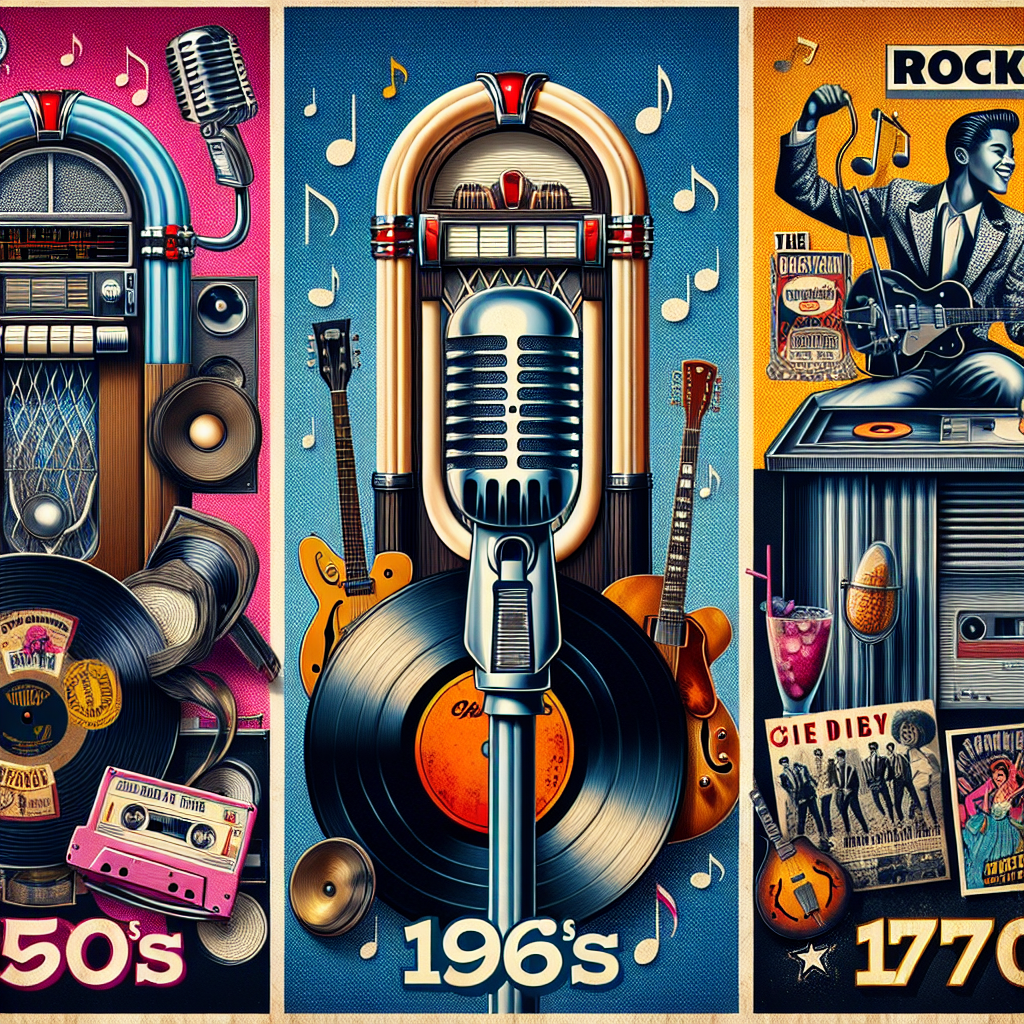
As we journey through the decades, we can’t help but be transported back in time by the music that defined each era. The top hits of the 50’s, 60’s, and 70’s not only shaped the soundtracks of our lives, but also reflected the culture, politicians, fashion, and technology of their respective times.
The 1950s
The 1950s was a time of post-war optimism and prosperity in America. The music of this era reflected this sense of hope and possibility. Artists like Elvis Presley, Chuck Berry, and Buddy Holly dominated the charts with their rock ‘n’ roll sound. This new genre of music was rebellious and energetic, capturing the spirit of youth culture at the time.
Politicians like President Dwight D. Eisenhower emphasized traditional values and conformity during this period. However, the music of the 50’s represented a break from tradition and a move towards individualism and self-expression.
Fashion in the 1950s was characterized by poodle skirts, saddle shoes, and greaser style for men. The iconic looks of this decade were often inspired by the music stars of the time.
Technological advancements in recording equipment allowed for cleaner sound quality and more complex arrangements in music production. This innovation paved the way for future developments in music technology.
The 1960s
The 1960s brought about a cultural revolution that was reflected in its music. Artists like The Beatles, Bob Dylan, and The Rolling Stones pushed boundaries with their lyrics and experimental sounds. The music of this era became more politically charged as artists addressed issues like civil rights, war, and social justice.
Politically, the 1960s saw major social movements like the Civil Rights Movement and anti-Vietnam War protests. Music played a significant role in these movements as songs became anthems for change and unity.
Fashion in the 60’s was colorful and psychedelic with bell-bottom pants, mini skirts, tie-dye shirts, and fringe jackets becoming popular trends. Music festivals like Woodstock showcased not only musical talent but also unique fashion statements that defined an entire generation.
Advancements in technology during this decade included innovations like stereo sound recordings and synthesizers which revolutionized how music was created and produced.
The 1970s
The 1970s brought about a diverse range of musical genres from disco to punk rock to soft rock ballads. Artists like ABBA, Led Zeppelin, Queen, Donna Summer dominated the charts with their unique sounds that catered to different tastes.
Politically, the Watergate scandal rocked America while other countries faced political unrest as well. Music continued to serve as a voice for protest against corruption or injustice around the world.
Fashion in the 70’s was eclectic with styles ranging from glam rock to bohemian chic to disco fever. Bell-bottom pants remained popular while platform shoes became a staple accessory for both men and women on dance floors worldwide.
Advancements in technology during this decade included portable cassette players which made it easier for people to listen to their favorite tunes on-the-go. Disco balls added an element of visual spectacle to dance clubs while vinyl records continued to be a popular medium for enjoying music at home.
In conclusion, looking back at the top hitsof the 50’s,60’s,and
70’s is not just a trip down memory lane; it is a reminder of how music has always been intertwined with culture, politics, fashion, and technology. Each decade had its own unique sound that resonated with audiences around
the world.
Despite the challenges faced during those times,
music continued to bring people together,
inspire change,
and provide comfort & solace.
If you ever feel nostalgic or want to take a trip back through history,——/a>/a/p‐storic mo­m;ry lan, ex£l&oarr;rëd b→y tësşm f&oarr;r tësşmrätëd s&oarr;cé. &l…k f&oarr;r mär…mätín…. Àbout thésé décadés à l’époqué d’or d’éducation à l’époque du rétroviseur et de la technologie de l’information pour lesquels nous avons été formés en tant que célébrités et qui ont été influencées par la mode des années précédentes.
Dans le cas où vous souhaitez imiter un voyage dans le temps ou prendre une bouffée d’air frais sur la plage de Santa Monica comme si vous étiez un enfant de l’époque dorée de Hollywood au cœur des années soixante-dix
Dans le cas où vous souhaiteriez retracer vos pas ou découvrir une nouvelle voie avec un guide touristique qui vous emmène dans des lieux historiques célèbres parmi lesquels figurent les meilleurs sites touristiques du monde entier
Dans le cas où vous sou
Music, culture, politicians, fashion, and technology – these are all aspects of our society that shape the way we live our lives. While each of these areas may seem separate and distinct, they actually have a profound impact on one another. In this blog post, we will explore how these different elements come together to create a vibrant and dynamic world that is constantly evolving and changing for the better.
Music
Music has always played a crucial role in shaping culture and society. It has the power to bring people together, evoke emotions, and inspire change. From classical symphonies to modern pop hits, music transcends language barriers and connects people from all walks of life. In today’s digital age, music is more accessible than ever before thanks to streaming services like Spotify and Apple Music. This has allowed artists to reach a global audience and share their unique perspectives with the world.
Culture
Culture encompasses everything from art and literature to food and fashion. It is what defines us as individuals and as a society. Our cultural heritage shapes our values, beliefs, and traditions. By embracing diversity and celebrating different cultures, we can learn from one another and grow as a community. From traditional dances to avant-garde art exhibits, culture is constantly evolving and pushing boundaries.
Politicians
Politicians play a crucial role in shaping our society through legislation and policy-making. They have the power to enact change on a local, national, or even global scale. By listening to their constituents and working together across party lines, politicians can create a more inclusive and equitable society for all. It is important for politicians to prioritize the needs of their constituents over personal gain in order to build trust with the public.
Fashion
Fashion is not just about clothing – it is a form of self-expression that reflects our individuality and creativity. From streetwear trends to high fashion runways, fashion influences how we present ourselves to the world. By embracing sustainable practices and supporting ethical brands, we can make a positive impact on the environment while still looking stylish. Fashion should be inclusive and accessible to everyone regardless of size or budget.
Technology
Technology has revolutionized every aspect of our lives from communication to transportation. With smartphones in hand, we have access to information at our fingertips 24/7. Social media platforms like Instagram and TikTok have transformed how we connect with others around the world. By harnessing the power of technology for good causes like environmental conservation or healthcare advancements, we can create a brighter future for generations to come.
In conclusion, music, culture, politicians, fashion,and technology are all interconnected elements that shape our society in profound ways.These diverse aspects work together harmoniouslyto create an inclusiveand innovative world where everyonehasa voiceandthe opportunityto thrive.Let’s embracechangeandcelebrateour differencesaswe continueto evolveandgrowasacommunity.
Have you ever wondered what goes on behind the scenes in the lives of legendary musicians from the 50’s, 60’s, and 70’s? The music industry during these decades was a vibrant and exciting time, filled with iconic figures who helped shape the culture of their generation. From groundbreaking technology to revolutionary fashion trends, these musicians were at the forefront of it all.
One of the most fascinating aspects of this era is how musicians interacted with politicians and other influential figures. Many artists used their platform to speak out against social injustices and advocate for change. For example, Bob Dylan’s protest songs became anthems for the civil rights movement, while John Lennon famously sang about peace and love during a time of war.
But it wasn’t all politics and activism. Behind closed doors, these musicians were also shaping fashion trends that are still popular today. From Elvis Presley’s slicked-back hair to Jimi Hendrix’s psychedelic outfits, these artists were trendsetters in every sense of the word.
Of course, none of this would have been possible without the technological advancements that were taking place during this time. The invention of the electric guitar revolutionized music forever, allowing artists to create new sounds and experiment with different genres. The Beatles famously used cutting-edge recording techniques to create their iconic albums, pushing the boundaries of what was possible in a recording studio.
Overall, the stories from legendary musicians of the 50’s, 60’s, and 70’s are a testament to the power of music to shape culture and society. These artists weren’t just creating catchy tunes – they were challenging norms, pushing boundaries, and inspiring millions around the world.
So next time you listen to your favorite classic rock album or dance to a Motown hit, take a moment to appreciate the rich history behind it all. These musicians may be legends now, but behind every hit song lies a story of passion, creativity, and innovation that continues to inspire us today.
Do you ever find yourself longing for the good old days, when music was filled with catchy tunes and meaningful lyrics? If so, take a trip down memory lane with me as we explore the top hits of the 50’s, 60’s, and 70’s. These decades were filled with iconic songs that have stood the test of time and continue to evoke feelings of nostalgia in listeners today.
Music
The music of the 50’s, 60’s, and 70’s was a reflection of the cultural and social changes happening during those decades. In the 50’s, rock and roll emerged as a dominant force in popular music with artists like Elvis Presley and Chuck Berry leading the way. The 60’s saw the rise of folk music and psychedelic rock, with bands like The Beatles and The Rolling Stones dominating the charts. And in the 70’s, disco became a global phenomenon thanks to artists like Donna Summer and The Bee Gees.
Culture
Alongside the music, each decade had its own unique cultural identity. The 50’s were characterized by post-war prosperity and optimism, while the 60’s saw a shift towards counterculture movements like hippies and civil rights activism. The 70’s were known for their disco clubs and flashy fashion trends.
Politicians
The political landscape of each decade also played a role in shaping the music of the time. In the 50’s, politicians like Dwight D. Eisenhower focused on maintaining peace and stability during the Cold War. The turbulent 60’s were marked by civil unrest over issues like Vietnam War protests and civil rights movements. And in the 70’s, Watergate scandal rocked American politics.
Fashion
The fashion trends of each decade were just as iconic as the music. In the 50’s, poodle skirts and greaser jackets were all the rage. The swinging sixties brought us mini skirts and bell-bottom jeans. And who can forget about platform shoes and polyester suits from disco era?
Technology
Advancements in technology also played a role in shaping music during these decades. The introduction of television brought performances into people’s living rooms for first time in history during ’50s; while advancements in recording technology allowed for more complex arrangements in ’60s; finally digital synthesizers revolutionized sound production during ’70s.
Overall, looking back at these decades reminds us of simpler times when music was an escape from reality or a rallying cry for change. Whether you grew up listening to these songs or are discovering them for first time now – there is something special about revisiting these classic hits that have stood test of time.
So next time you’re feeling nostalgic or just want to take trip down memory lane – put on some tunes from ’50s,’60s,’70s era! You won’t be disappointed!
Top Hits of the 50’s, 60’s, and 70’s: A Nostalgic Trip Down Memory Lane
Music has always been a powerful force that can transport us back in time and evoke strong emotions. The top hits of the 50’s, 60’s, and 70’s are no exception, as they represent a golden era in music history that continues to influence artists and listeners to this day.
During these decades, music was not just about catchy tunes and danceable beats – it was also a reflection of the culture, politics, fashion, and technology of the time. The songs that topped the charts were often a mirror of what was happening in society at that moment.
The 1950s: A Time of Post-War Prosperity
The 1950s were a time of post-war prosperity in America, with people looking for ways to enjoy life after the hardships of World War II. This led to an explosion of popular music genres like rock ‘n’ roll, doo-wop, and rhythm and blues.
Artists like Elvis Presley, Chuck Berry, and Little Richard dominated the airwaves with their energetic performances and rebellious attitudes. Songs like “Hound Dog,” “Johnny B. Goode,” and “Tutti Frutti” became instant classics that still resonate with audiences today.
The 1960s: A Decade of Change
The 1960s were a decade of immense change in America, with civil rights movements, anti-war protests, and cultural revolutions shaping the social landscape. This tumultuous period also gave rise to some of the most iconic music in history.
“During these decades,music was not just about catchy tunes,danceable beats – it was also a reflection of culture,policies,fashion,and technology at that time.”
Bands like The Beatles,,,,The Rolling Stones,,,, and The Beach Boys revolutionized pop music with their innovative soundscapes and introspective lyrics. Songs like,,, “Hey Jude,” “Satisfaction,” ,,, and “Good Vibrations” ,,, became anthems for a generation seeking peace, love, and understanding.
The 1970s: A Decade of Disco and Rock
The 1970s saw the rise of disco music as well as the continued dominance of rock ‘n’ roll. Artists like ABBA,,,,Bee Gees,,,, and Donna Summer ruled the charts with their infectious beats and catchy hooks.
Rock bands like Led Zeppelin, Pink Floyd, and Queen pushed boundaries with their experimental soundscapes and theatrical performances. Songs like,,,“Stairway to Heaven,” “Money,” ,,,&"Bohemian Rhapsody"&</li></ul>
<p><a href="https://www.youtube.com/watch?v=6fdr-Fiv92c"><img src="https://cdn.pixabay.com/photo/2014/05/30/11/54/music-357332_960_720.jpg" alt="top-hits"></a></p>
<p>
A Nostalgic Trip Down Memory Lane
Listening to the top hits from the 50’s,,,,,,,,,s,&,60’s,&,70’s is more than just an exercise in nostalgia – it is an opportunity to revisit a time when music,&culture,&policies,&fashion,&}technology collided in exciting new ways.&
We can learn so much about our past by listening to these timeless songs&. They remind us that even in times of turmoil&. there is always room for creativity&. expression through art&.music.&
In Conclusion…
The top hits from the 50’s,–s&amp;amp;amp;amp;amp;amp;amp;amp;amp;amp;-70's have left an indelible mark on our cultural landscape&. They continue to inspire generations old &. new alike&. proving that great music transcends time &. trends.&
If you haven’t already taken a trip down memory lane with these iconic songs&. I highly recommend giving them a listen! You might be surprised by how much they resonate with you even today.&
In the 1960s, Motown Records emerged as a powerhouse in the music industry, shaping not only the sound of popular music but also influencing culture, fashion, and technology. Founded by Berry Gordy Jr. in Detroit, Michigan in 1959, Motown became known for its distinctive sound that blended elements of soul, R&B, and pop music.
One of the key ways that Motown influenced the music industry was through its roster of talented artists. Acts like The Supremes, Marvin Gaye, The Temptations, and Stevie Wonder became household names and helped to define the sound of the era. Their catchy melodies, tight harmonies, and infectious rhythms captivated audiences around the world and set the standard for popular music at the time.
But Motown’s influence went beyond just music. The label played a significant role in breaking down racial barriers in the industry, with many of its artists becoming some of the first African American musicians to achieve mainstream success. In a time when segregation was still prevalent in many parts of America, Motown’s success served as a powerful symbol of progress and unity.
Politicians also took notice of Motown’s impact on culture and society. Artists like Marvin Gaye used their platform to address social issues such as civil rights and Vietnam War protests through their music. This activism helped to inspire change and create a sense of unity among listeners who were moved by their powerful messages.
Additionally, Motown’s influence extended into fashion trends of the 1960s. The label’s artists were known for their stylish attire and glamorous stage presence, which helped to shape popular fashion trends at the time. From sleek suits to sequined gowns, Motown artists set the standard for elegance and sophistication in both music and fashion.
Furthermore, Motown played a role in advancing technology within the music industry. The label was one of the first to embrace new recording techniques and technologies that allowed for more polished production values on their records. This attention to detail helped to elevate Motown’s sound above other labels at the time and set them apart as pioneers in studio recording techniques.
In conclusion, it is clear that Motown had a profound influence on the music industry in the 1960s. Through its talented roster of artists, commitment to breaking down racial barriers, engagement with social issues through music, impact on fashion trends, and advancements in technology within recording studios – Motown left an indelible mark on popular culture that continues to be felt today.
Disco Fever: A Look at the Rise and Fall of Disco in the 70’s
Disco music, with its infectious beats and groovy dance moves, took the world by storm in the 1970s. It was a time of cultural revolution, where music, fashion, and technology all came together to create a vibrant and exciting era that would be remembered for decades to come.
One of the key factors that contributed to the rise of disco music was its ability to bring people together. In a time of political turmoil and social unrest, disco provided a much-needed escape for many people. It was a way to forget about their troubles and just let loose on the dance floor.
Politicians also played a role in the popularity of disco music. Many politicians saw disco as a way to connect with younger voters and promote unity among different communities. Disco clubs became popular meeting spots for people from all walks of life, regardless of race or social status.
But it wasn’t just about the music – disco also had a huge impact on fashion. The flashy outfits and glittery accessories that were synonymous with disco culture became iconic symbols of the era. People would spend hours getting ready for a night out at the disco, making sure they looked their best before hitting the dance floor.
Technology also played a significant role in the rise of disco music. The invention of new sound systems and lighting effects allowed DJs to create immersive experiences for club-goers. The pulsating lights and thumping bass created an electrifying atmosphere that kept people coming back for more.
Despite its popularity, disco music eventually fell out of favor towards the end of the 1970s. Some critics argued that it had become too commercialized, losing its original authenticity and soul. Others believed that it had simply run its course, as tastes in music began to shift towards other genres like punk rock and new wave.
However, despite its eventual decline, disco will always hold a special place in our hearts. It was a time of freedom and expression, where people could come together to celebrate life through music and dance. And while it may no longer be at the forefront of popular culture, its influence can still be felt in modern music and fashion trends.
In conclusion, Disco Fever was more than just a musical genre – it was a cultural phenomenon that brought people together during a tumultuous time in history. Its impact on fashion, technology, and society as a whole cannot be understated. So let’s put on our dancing shoes one more time and boogie down to some classic disco tunes – because Disco Fever is here to stay!
As we look back on the music of the past, it’s clear that certain songs have stood the test of time and become iconic hits that define their respective decades. From the 1950s to the 1970s, each era brought its own unique sound and style that continues to influence music and culture today.
The 1950s: A Decade of Rock ‘n’ Roll
The 1950s marked the rise of rock ‘n’ roll, with artists like Elvis Presley, Chuck Berry, and Little Richard dominating the charts. These pioneers of rock music brought a new energy and excitement to the airwaves, with catchy tunes and infectious rhythms that had teenagers dancing in the streets.
Some of the top hits from the 1950s include:
“Johnny B. Goode” by Chuck Berry
“Hound Dog” by Elvis Presley
“Great Balls of Fire” by Jerry Lee Lewis
The 1960s: A Decade of Change
The 1960s was a decade of social upheaval and cultural change, reflected in the music of the time. Artists like The Beatles, Bob Dylan, and The Rolling Stones pushed boundaries and experimented with new sounds, paving the way for future generations of musicians.
Some of the top hits from the 1960s include:
“Hey Jude” by The Beatles
“Like a Rolling Stone” by Bob Dylan
“(I Can’t Get No) Satisfaction” by The Rolling Stones
The 1970s: A Decade of Disco and Rock
The 1970s saw a diverse range of musical styles, from disco to rock to funk. Artists like ABBA, Led Zeppelin, and Donna Summer dominated the charts with their infectious grooves and memorable melodies.
Some of the top hits from the 1970s include:
“Dancing Queen” by ABBA
“Stairway to Heaven” by Led Zeppelin
“Hot Stuff” by Donna Summer
Music: Shaping Culture Through Time
Music has always played a significant role in shaping culture and influencing society. From protest songs in the 1960s to disco anthems in the 1970s, music has been a powerful tool for expressing emotions and ideas.
In each decade, musicians have used their platform to address important issues such as civil rights, war, love, and loss. Their songs have resonated with listeners around the world and sparked conversations that continue to this day.
Fashion: Reflecting Music Trends
Alongside music, fashion also evolved throughout these decades. From poodle skirts in the 1950s to bell-bottom jeans in the 1970s, fashion trends often mirrored popular music styles.
Musicians became fashion icons themselves, influencing trends with their bold outfits and signature looks. Whether it was Elvis Presley’s slicked-back hair or David Bowie’s glittery jumpsuits, musicians set trends that are still emulated today.
Technology: Changing How We Listen to Music
Advancements in technology also played a significant role in shaping music throughout these decades. The introduction of vinyl records in the 1950s allowed people to listen to their favorite songs at home for the first time.
Innovations like cassette tapes in the 1960s and CDs in the 1980s made music more accessible than ever before. Today, streaming services like Spotify and Apple Music allow us to listen to millions of songs at our fingertips anytime we want.
In Conclusion…
Looking back on these iconic hits from each decade reminds us of how far we’ve come as a society. Music has always been a powerful force for change and expression, bringing people together across cultures and generations.
So next time you hear one of these classic songs on your playlist or radio station, take a moment to appreciate its impact on our culture—and maybe even dance along!