
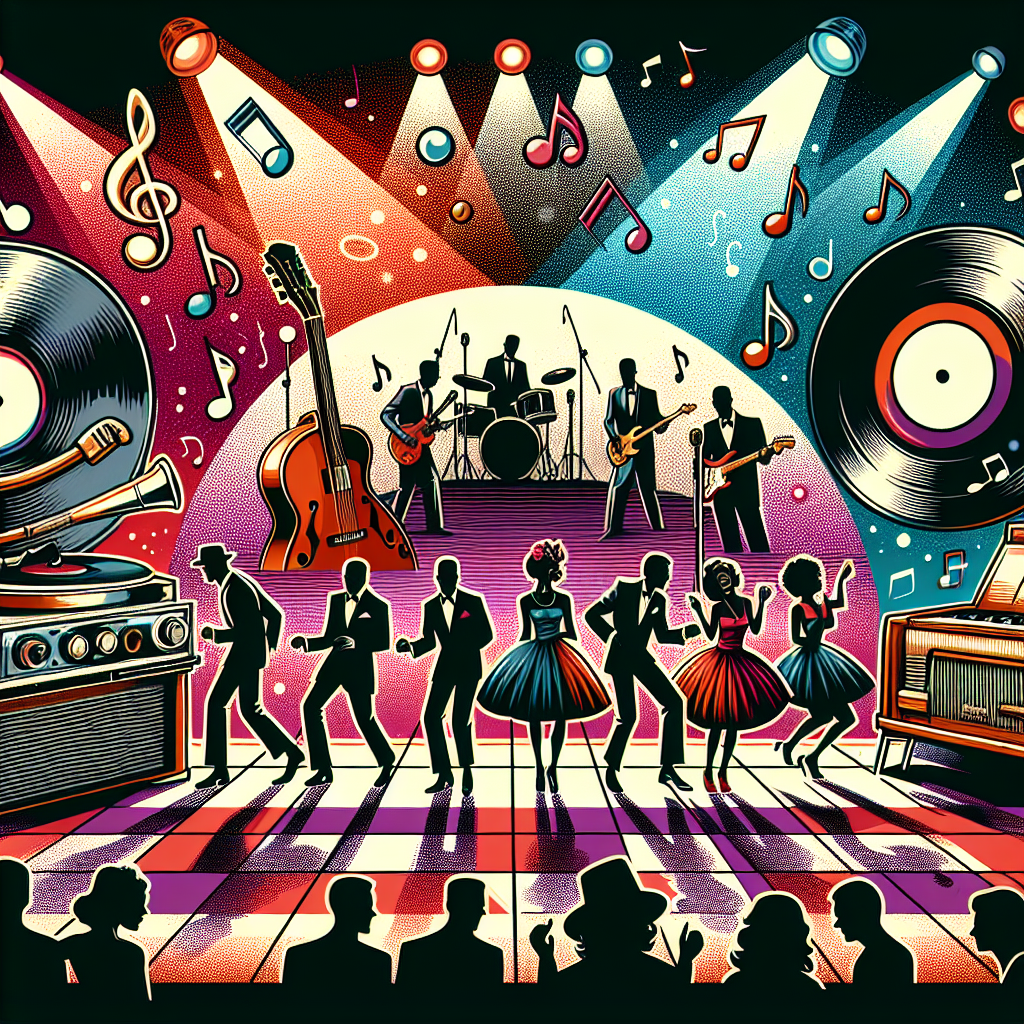
Rock ‘n’ roll has been a powerful force in shaping culture and society over the past several decades. From its roots in the 1950s to its evolution in the 1960s and 1970s, rock ‘n’ roll music has had a profound impact on music, fashion, technology, and even politics.
The 1950s: The Birth of Rock ‘n’ Roll
The 1950s saw the birth of rock ‘n’ roll, with artists like Elvis Presley, Chuck Berry, and Little Richard breaking onto the scene with their energetic performances and catchy tunes. This new style of music was seen as rebellious by many at the time, with politicians and parents alike decrying its influence on young people.
Despite this backlash, rock ‘n’ roll continued to grow in popularity throughout the decade. It became a symbol of youth culture and rebellion, with teenagers across America embracing this new form of music as their own.
The 1960s: The Golden Age of Rock ‘n’ Roll
The 1960s saw rock ‘n’ roll reach new heights of popularity and influence. Bands like The Beatles, The Rolling Stones, and The Who emerged onto the scene, bringing with them a new sound and style that captivated audiences around the world.
Rock ‘n’ roll became more than just music – it became a cultural phenomenon. Artists began using their platform to speak out on social issues like civil rights and war, leading to a shift in how musicians were perceived by society.
The 1970s: Rock ‘n’ Roll’s Continued Evolution
By the 1970s, rock ‘n’ roll had firmly established itself as a dominant force in popular music. Bands like Led Zeppelin, Pink Floyd, and Queen pushed boundaries with their experimental sounds and elaborate stage shows.
Technology also played a significant role in shaping rock ‘n’ roll during this decade. Advances in recording equipment allowed artists to create more complex and layered sounds than ever before, leading to some of the most iconic albums in music history.
Rock ‘n’ Roll’s Impact on Fashion
In addition to influencing music and culture, rock ‘n’ roll also had a major impact on fashion. Artists like Elvis Presley popularized leather jackets and pompadour hairstyles in the 1950s, while bands like The Beatles set trends with their mod suits and shaggy haircuts in the 1960s.
By the 1970s, rock stars were known for their flamboyant style – think David Bowie’s glittery jumpsuits or Freddie Mercury’s skin-tight pants. These bold fashion choices helped shape trends both on stage and off, inspiring countless fans to emulate their favorite musicians.
A Positive Outlook on Rock ‘n’ Roll’s Legacy
Looking back at the evolution of rock ‘n’ roll from the 1950s through the 1970s, it’s clear that this genre has had a lasting impact on music, culture, fashion, technology – even politics. Despite facing criticism from politicians and older generations along the way,
rock ‘n’ roll has endured as a powerful force for creativity and self-expression.
This enduring legacy is something to be celebrated – after all, rock ‘ n ‘roll isn’t just about loud guitars or flashy outfits; it’s about pushing boundaries, challenging norms, and inspiring change. As we continue into the future, it’s exciting to think about how rock ‘ n ‘roll will continue to evolve and shape our world for generations to come. So let’s turn up the volume, put on our dancing shoes, and celebrate the incredible journey of rock ‘ n ‘roll!
Get involved!
Comments