
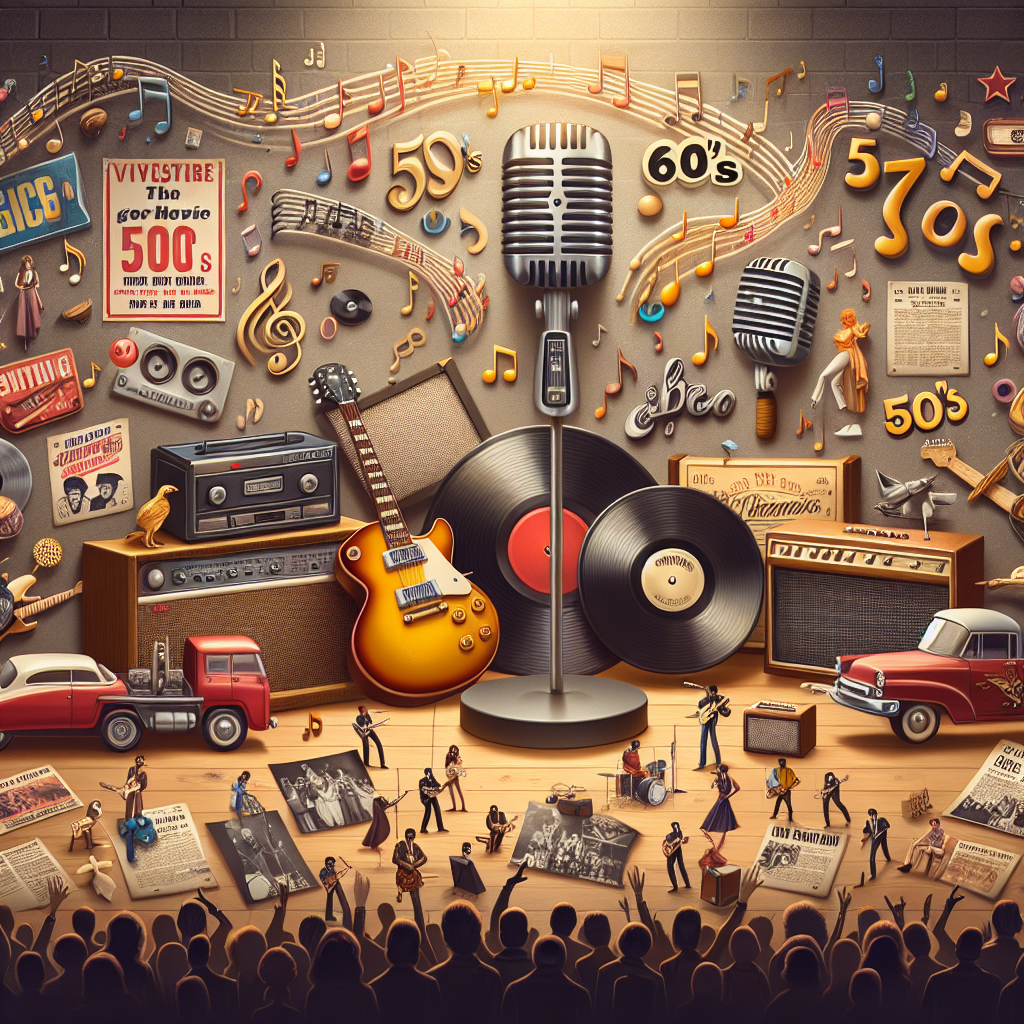
Music has always been a powerful force in shaping culture and society. From the doo-wop harmonies of the 1950s to the disco beats of the 1970s, popular music has reflected the changing times and attitudes of each era. Let’s take a look at some of the most iconic genres of the mid-20th century and how they influenced not only music, but also fashion, technology, and even politics.
Doo-Wop: The Soundtrack of the 1950s
The 1950s were a time of post-war prosperity and optimism in America. This was reflected in the music of the era, with doo-wop groups like The Platters, The Drifters, and The Coasters dominating the charts. Doo-wop was characterized by its tight vocal harmonies and catchy melodies, often featuring nonsense syllables like “shoo-bee-doo” or “dip-de-dip”.
But doo-wop wasn’t just about the music – it also had a significant impact on fashion. The groups of this era were known for their matching suits, slicked-back hair, and choreographed dance moves. This sense of style influenced not only other musicians, but also everyday people looking to emulate their favorite stars.
Politically, the 1950s were a time of conservative values and anti-communist paranoia. Despite this, doo-wop music provided an escape for many people, offering a sense of unity and joy during a tumultuous time in history.
The Swinging Sixties: A Revolution in Music
The 1960s saw a seismic shift in popular music, with genres like rock ‘n’ roll, folk, and psychedelic rock taking center stage. Bands like The Beatles, The Rolling Stones, and Bob Dylan revolutionized the sound of the decade with their innovative songwriting and experimental production techniques.
Along with this musical revolution came a shift in fashion. The hippie counterculture rejected mainstream styles in favor of bell-bottom jeans, tie-dye shirts, and long flowing hair. This new look was a direct reflection of the social upheaval happening at the time – from civil rights movements to anti-war protests.
Technologically speaking, the 1960s saw major advancements in recording technology that allowed musicians to experiment with new sounds and textures. This led to groundbreaking albums like Sgt. Pepper’s Lonely Hearts Club Band by The Beatles and Pet Sounds by The Beach Boys.
Disco Fever: The Soundtrack to the Seventies
The 1970s were all about disco – flashy lights, pulsating beats, and glittering dance floors ruled the nightclubs across America. Artists like Donna Summer, Bee Gees, and Gloria Gaynor dominated the charts with their infectious dance anthems.
Fashion-wise, disco was all about sequins, platform shoes, and polyester jumpsuits. It was a glamorous escape from reality that allowed people to let loose and have fun on the dance floor.
Technological advancements continued to shape music in the 1970s as well. The introduction of synthesizers allowed artists to create new sounds that had never been heard before – leading to hits like “I Feel Love” by Donna Summer.
In Conclusion
From doo-wop harmonies to psychedelic rock solos to disco beats – each decade brought its own unique sound that reflected both cultural shifts as well as technological advancements. Music has always been at the forefront of societal change – influencing everything from fashion trends to political movements. So next time you’re listening to your favorite oldies station or spinning vinyl records from decades past remember that these songs are more than just catchy tunes – they’re snapshots of history that continue to resonate with us today. Let’s continue to celebrate these iconic genres from yesteryear while also embracing new sounds that will shape future generations!
Get involved!
Comments