
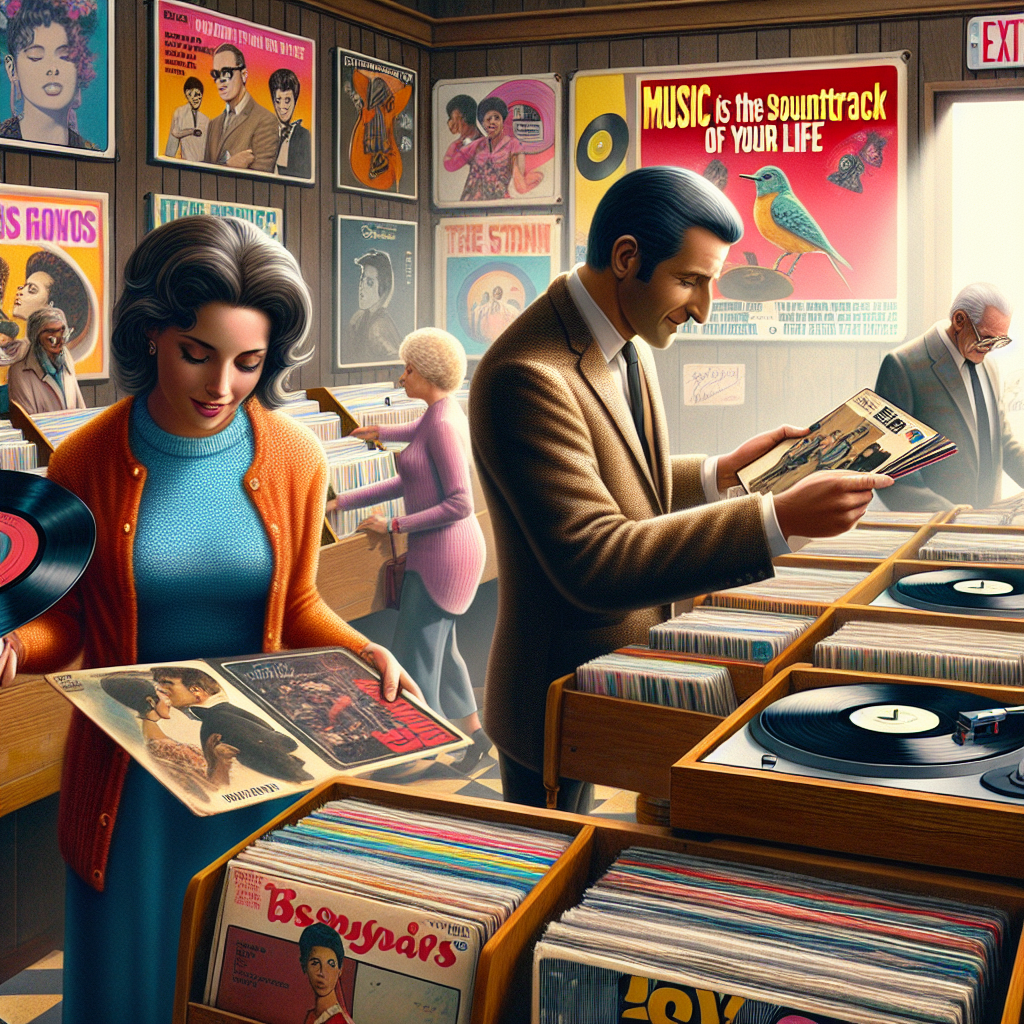
During the 1960s and 1970s, music played a crucial role in reflecting and shaping the culture of the time. From protest songs to disco hits, the soundtrack of these decades captured the social change that was happening all around. Music not only provided a voice for marginalized groups but also influenced fashion, technology, and even politicians.
Music as a Reflection of Culture
The music of the 60s and 70s was deeply intertwined with the social movements of the time. Artists like Bob Dylan, Joan Baez, and Marvin Gaye used their music to speak out against war, racism, and injustice. Songs like “Blowin’ in the Wind” and “What’s Going On” became anthems for those fighting for civil rights and peace.
At the same time, genres like psychedelic rock and funk were pushing boundaries and challenging societal norms. Bands like The Beatles and Sly & The Family Stone experimented with new sounds and styles that reflected the changing attitudes of young people.
Influence on Fashion
The music of the 60s and 70s also had a significant impact on fashion. The hippie movement brought about a new style characterized by long hair, bell-bottom jeans, and tie-dye shirts. Musicians like Jimi Hendrix and Janis Joplin became style icons for their bold fashion choices.
Similarly, disco music of the 70s gave rise to flashy outfits made from sequins, glitter, and satin. Artists like Donna Summer and The Bee Gees popularized this glamorous look that defined an era.
Technological Advancements
Advancements in technology during this time also played a role in shaping music culture. The invention of synthesizers allowed artists to create new sounds never heard before. Bands like Kraftwerk used electronic instruments to pioneer the genre of electronic music.
Additionally, the introduction of cassette tapes made music more portable than ever before. People could now listen to their favorite songs on-the-go, leading to a boom in album sales.
Influence on Politicians
The power of music was not lost on politicians during this time. Many political campaigns incorporated popular songs into their rallies to appeal to younger voters. For example, Richard Nixon famously used “Sock It to Me” by Aretha Franklin in his campaign ads.
Songs like John Lennon’s “Imagine” also inspired political leaders to strive for peace and unity. Music became a tool for expressing political ideals and rallying support for social change.
The Legacy of Music from the 60s and 70s
The impact of music from the 60s and 70s can still be felt today. Many artists continue to draw inspiration from this era’s sound and message. Movements like Black Lives Matter have adopted protest songs as anthems for their cause.
Technology has continued to evolve, allowing musicians to experiment with new sounds across genres. Fashion trends often harken back to styles popularized during these decades.
In conclusion, the soundtrack of social change in the 60s and 70s reflected a tumultuous yet transformative time in history. Music not only mirrored cultural shifts but also helped shape them through its powerful influence on fashion, technology, politics, and society as a whole.
Get involved!
Comments