
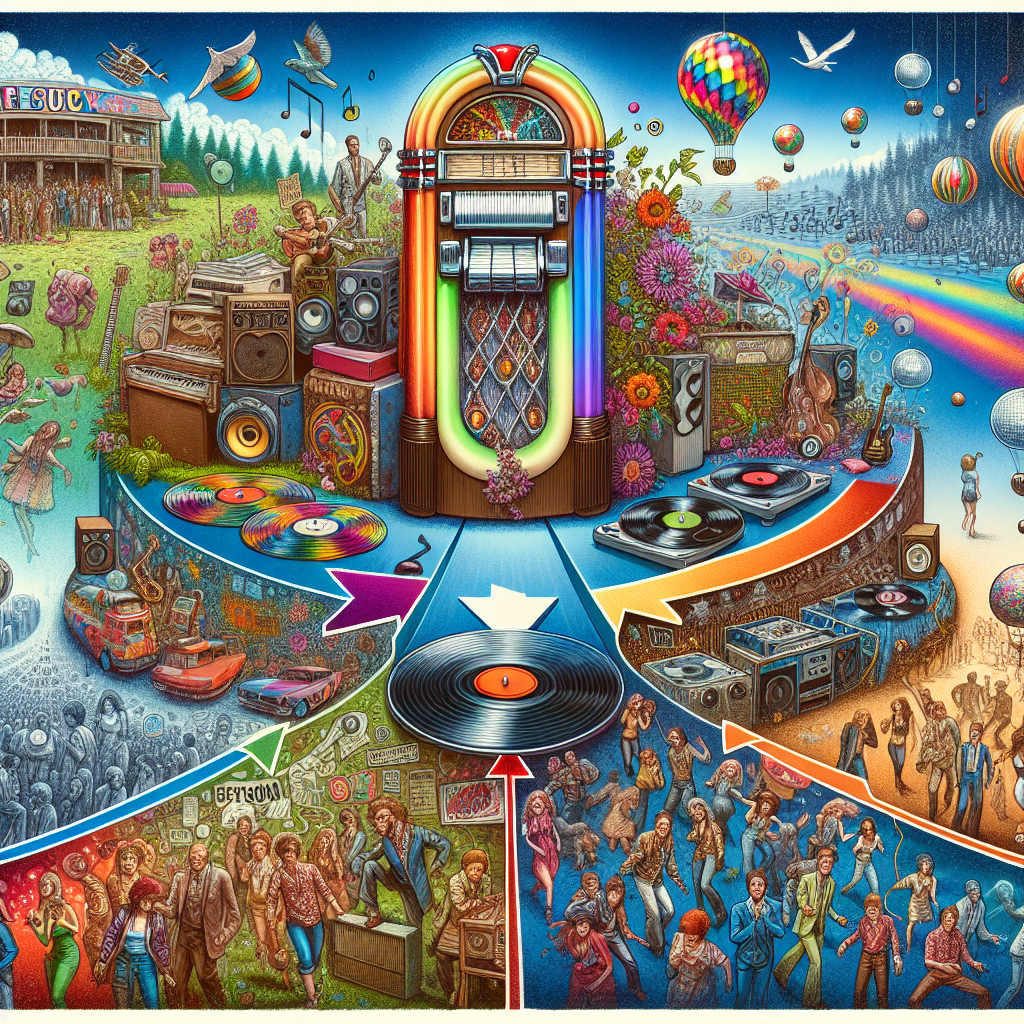
In the 1960s and 1970s, music played a pivotal role in reflecting and shaping the social movements of the time. From the civil rights movement to anti-war protests, musicians used their platform to express the sentiments of a generation seeking change. The soundtrack of this era not only captured the spirit of the times but also inspired action and unity among those fighting for justice and equality.
Music has always been a powerful tool for cultural expression, and in the 60s and 70s, it became a driving force behind social change. Artists like Bob Dylan, Joan Baez, and Marvin Gaye used their lyrics to address important issues such as racism, war, and inequality. Their songs became anthems for those on the front lines of activism, providing a sense of solidarity and purpose.
Politicians and activists alike recognized the influence of music on society during this time. Songs like “Blowin’ in the Wind” by Bob Dylan and “What’s Going On” by Marvin Gaye were not just popular hits – they were calls to action that resonated with people across racial, economic, and generational divides. Music became a unifying force that brought people together in pursuit of a common goal: creating a more just and equitable world.
But music was not the only aspect of culture that reflected social movements in the 60s and 70s. Fashion also played a significant role in expressing dissent and rebellion against societal norms. The rise of counterculture fashion trends like tie-dye shirts, bell-bottom jeans, and platform shoes symbolized a rejection of mainstream values and an embrace of individuality.
Technology also played a part in shaping the soundtracks of change during this era. The emergence of new recording techniques allowed artists to experiment with different sounds and styles, leading to groundbreaking albums like The Beatles’ “Sgt. Pepper’s Lonely Hearts Club Band” and Pink Floyd’s “The Dark Side of the Moon.” These innovative works pushed boundaries both musically and thematically, challenging listeners to think critically about the world around them.
Looking back on this period in history, it is clear that music had a profound impact on shaping social movements in the 60s and 70s. It served as a voice for those who were marginalized or oppressed, providing hope and inspiration in tumultuous times. While there is still much work to be done towards achieving true equality and justice for all, we can take solace in knowing that music will continue to be a powerful tool for change.
Get involved!
Comments