
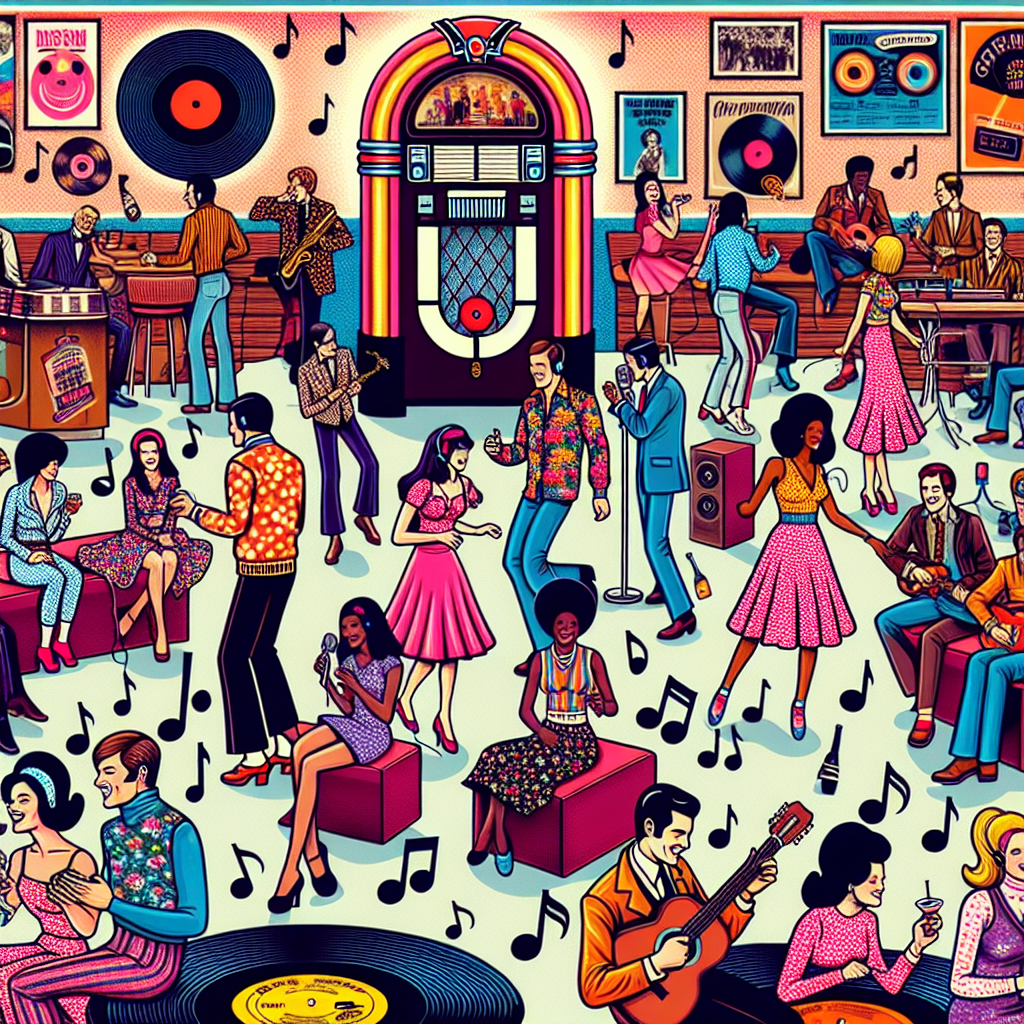
Music has always played a significant role in shaping cultural movements throughout history. From the rebellious rock ‘n’ roll of the 1950s to the psychedelic sounds of the 1960s and the disco fever of the 1970s, each decade had its own unique soundtrack that defined the generation. In this blog post, we will explore how music influenced and reflected the cultural shifts of the 50’s, 60’s, and 70’s.
The 1950s: The Birth of Rock ‘n’ Roll
The 1950s marked a period of post-war prosperity and conformity in America. However, underneath the surface, a rebellious spirit was brewing among the youth. This rebellion found its voice in rock ‘n’ roll music, with artists like Elvis Presley, Chuck Berry, and Little Richard leading the charge.
Rock ‘n’ roll was more than just a genre of music; it was a cultural movement that challenged societal norms and values. The music spoke to teenagers who were eager to break free from their parents’ generation and forge their own identity. Rock ‘n’ roll became synonymous with rebellion, freedom, and youthful exuberance.
The 1960s: The Age of Counterculture
The 1960s saw a seismic shift in American culture as young people began to reject mainstream society in favor of alternative lifestyles. This countercultural movement was fueled by music that reflected the changing times. Bands like The Beatles, The Rolling Stones, and Bob Dylan became icons of this new era.
The music of the 60s addressed pressing social issues such as civil rights, Vietnam War protests, and women’s liberation. It served as a rallying cry for a generation that sought to challenge authority and create a more inclusive society. The sounds of folk, rock, and psychedelic music became anthems for peace, love, and revolution.
The 1970s: The Disco Era
By the 1970s, America had undergone significant social changes that were reflected in its music scene. Disco emerged as a dominant force in popular culture with artists like Donna Summer, Bee Gees, and Gloria Gaynor dominating the airwaves.
Disco music was all about escapism and hedonism; it provided an opportunity for people to forget their troubles on the dance floor. The flashy fashion trends of bell-bottom pants, platform shoes, and glittery outfits mirrored the glitzy disco lifestyle.
Music as a Reflection of Culture
Throughout these three decades -the fifties through seventies- music served as both a mirror reflecting society back at itself while also acting as an agent for change. Politicians may have tried to control or censor certain songs or artists but ultimately they couldn’t stop the power of music from influencing culture.
Conclusion: A Timeless Influence
In conclusion Music has always been intertwined with culture; it has been used as a tool for expressing emotions beliefs ideas etc… It is no wonder then that Music continues to play such an important role in defining our cultural movements past present future…
Get involved!
Comments