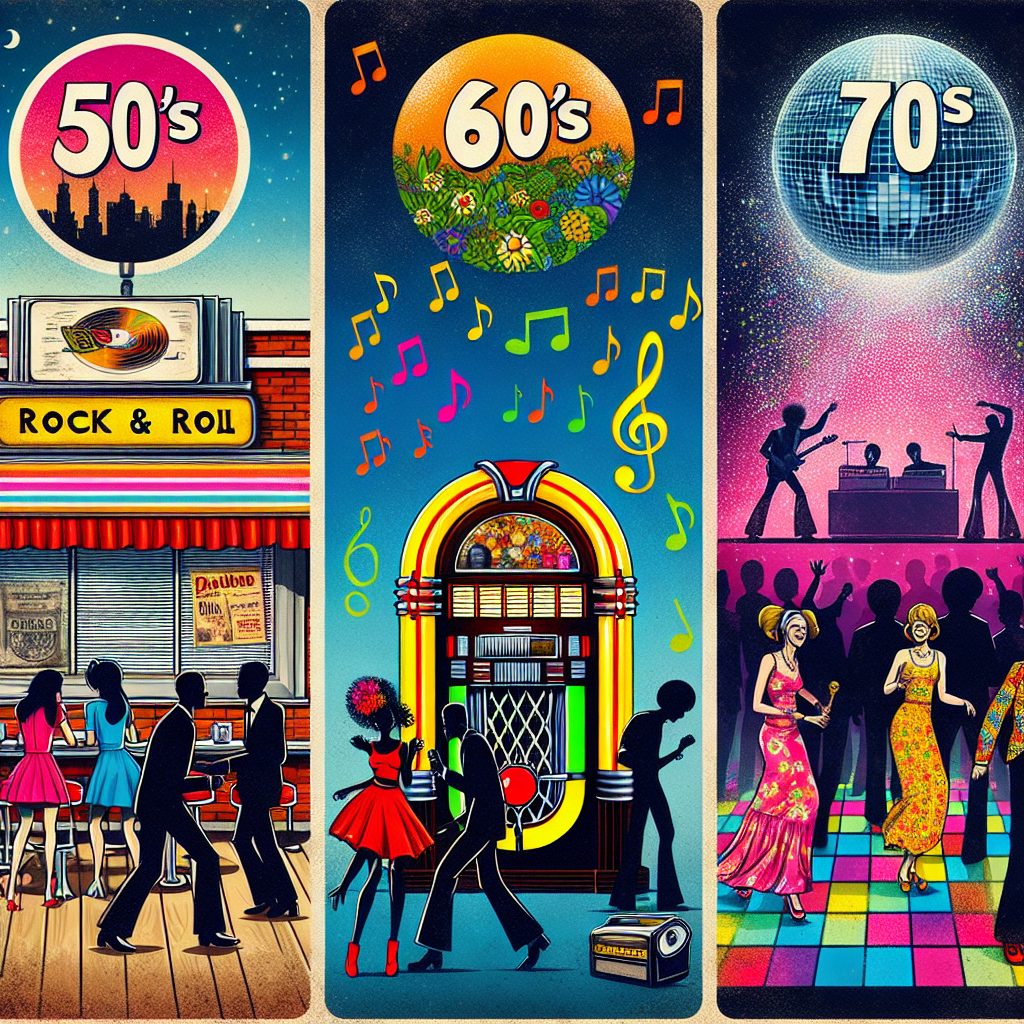
The Rise of Motown:

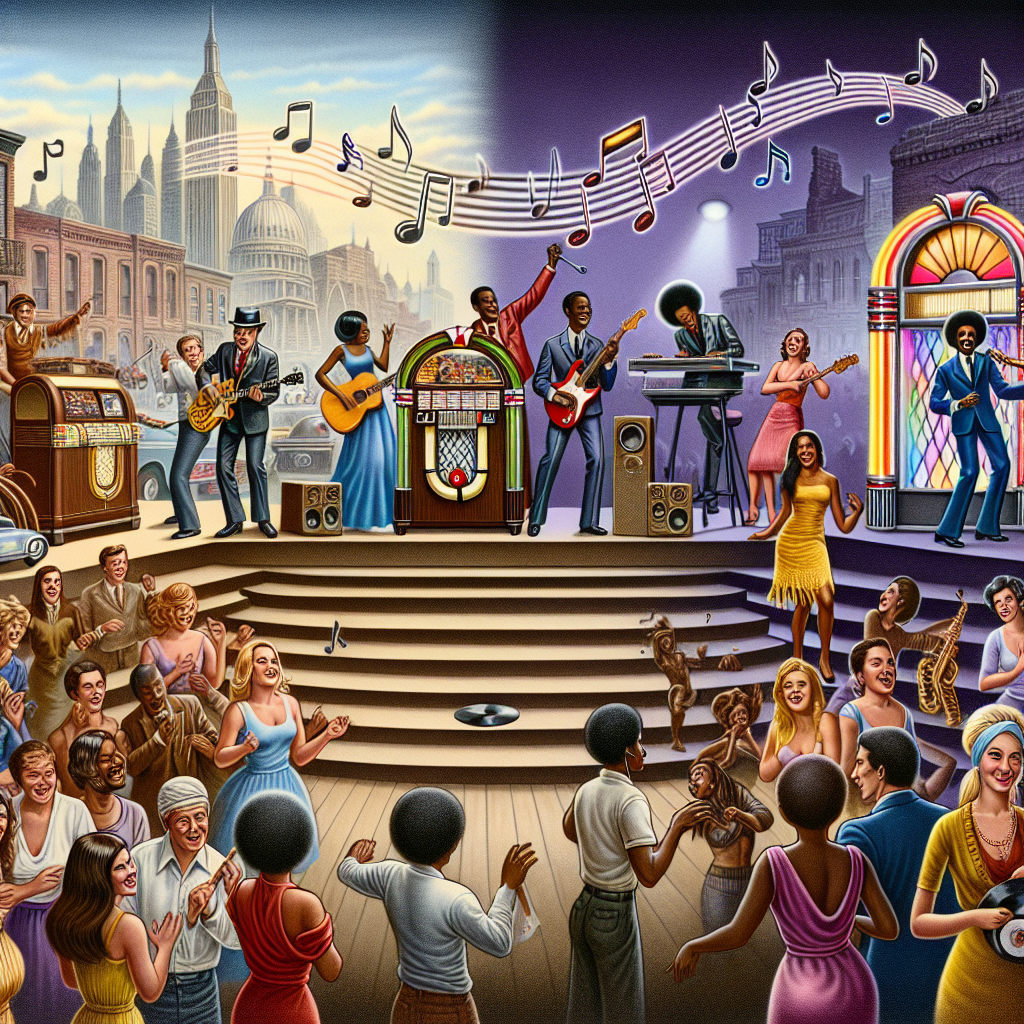
When we think of the Motown sound, we are transported to a time when music was not just a form of entertainment, but a cultural movement that brought people together and inspired change. The rise of Motown in the 1960s marked a turning point in the music industry, as well as in American culture as a whole.

At its core, Motown was about more than just catchy tunes and smooth harmonies – it was about breaking down barriers and bringing people from all walks of life together through the power of music. Artists like The Supremes, Marvin Gaye, and The Temptations became household names, their songs serving as anthems for a generation that was hungry for change.

But Motown wasn’t just about the music – it was also about fashion. The artists associated with the label were known for their impeccable style and trend-setting looks. From Diana Ross’s glamorous gowns to The Temptations’ sharp suits, Motown artists set the standard for fashion in the 1960s.

Politicians also took notice of the impact that Motown was having on American culture. Artists like Marvin Gaye used their platform to speak out against social injustices and advocate for change. Their music became a rallying cry for those who were fighting for civil rights and equality.

Technology played a key role in the rise of Motown as well. Advances in recording technology allowed artists to experiment with new sounds and techniques, creating groundbreaking albums that pushed the boundaries of what was possible in popular music.

Today, we can still see the influence of Motown on modern music and culture. Artists like Beyoncé, Bruno Mars, and Pharrell Williams have all cited Motown as a major influence on their work. The legacy of Motown lives on through these artists, who continue to push boundaries and inspire change through their music.

In conclusion, the rise of Motown was not just a musical revolution – it was a cultural movement that brought people together and inspired change. Through their music, fashion, and activism, Motown artists paved the way for future generations to follow in their footsteps. As we look back on this pivotal moment in history, let us remember the impact that Motown had on American culture – and let us continue to be inspired by its message of unity and empowerment.

From Doo-Wop to Disco: The Diversity of Music in the 50’s, 60’s, and 70’s

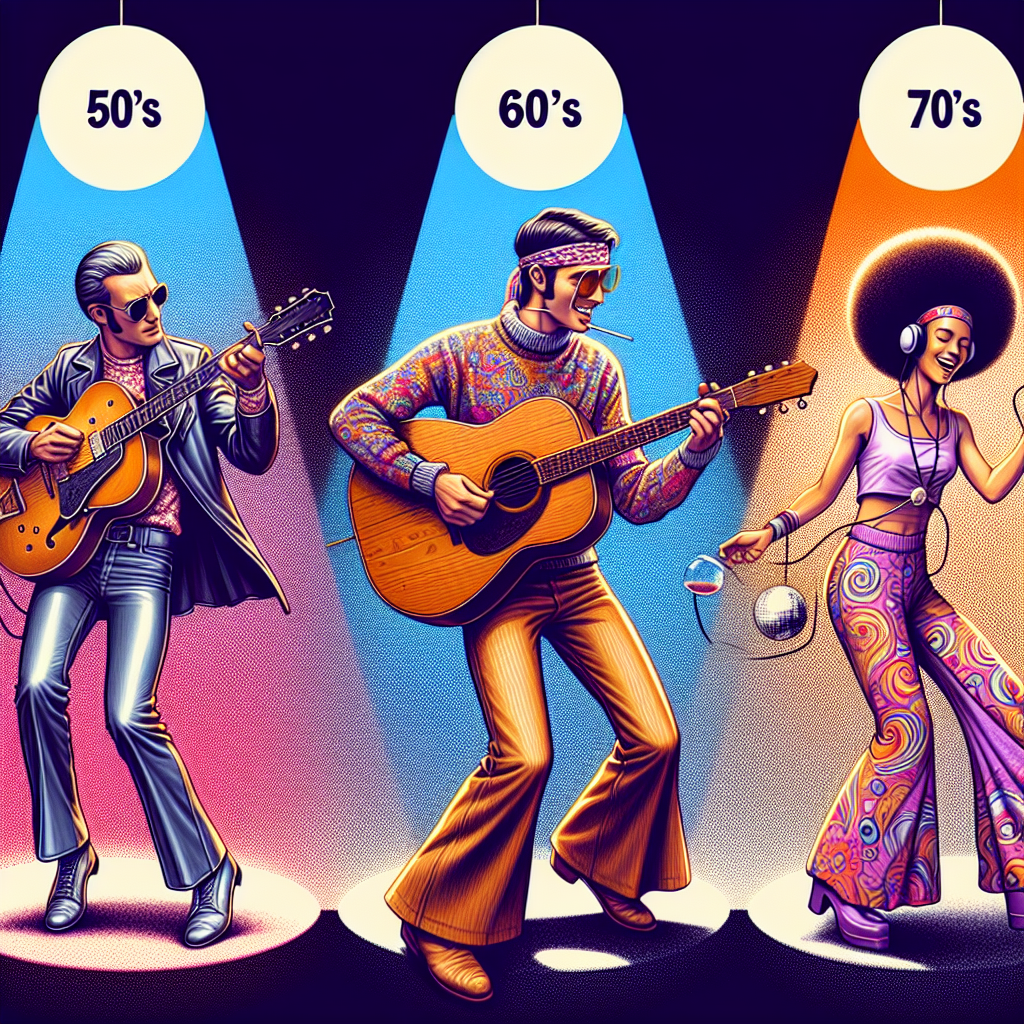
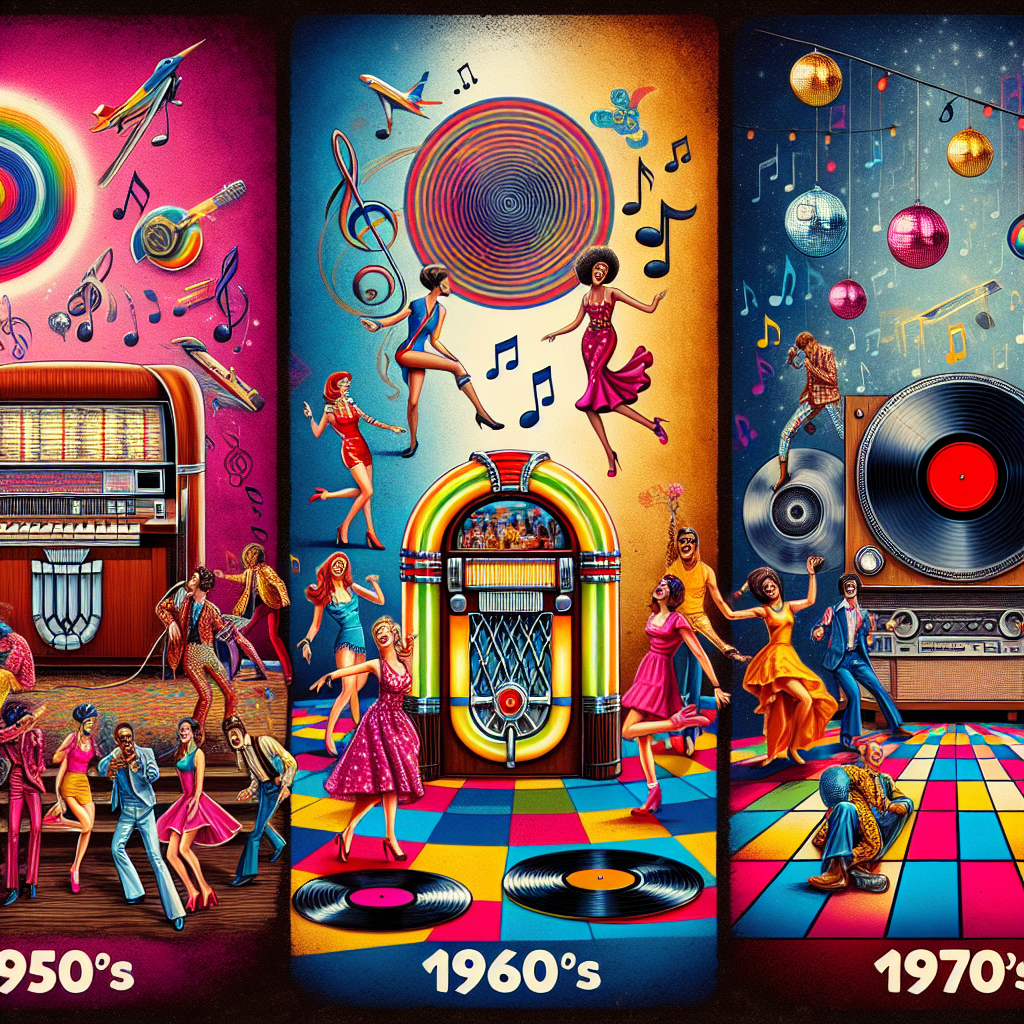
When we think of the music from the 50’s, 60’s, and 70’s, a wide range of genres and styles come to mind. From doo-wop to disco, this era was filled with diversity and innovation in the world of music.

One of the most notable aspects of music during this time was how it reflected the cultural changes happening in society. Musicians were using their platform to address important social issues such as civil rights, war, and gender equality. Songs like “Blowin’ in the Wind” by Bob Dylan and “Respect” by Aretha Franklin became anthems for social change.

Politicians also played a role in shaping the music of this era. The British Invasion brought bands like The Beatles and The Rolling Stones to American audiences, creating a new wave of musical influence. In response, American musicians began experimenting with new sounds and styles, leading to the rise of psychedelic rock and folk music.

Fashion also played a significant role in shaping the music scene during this time. Artists like Elvis Presley and The Supremes not only defined musical trends but also influenced fashion choices with their iconic looks. From poodle skirts to bell-bottoms, fashion became an essential part of the music culture.

Technology also played a crucial role in shaping the sound of music during this era. The invention of electric guitars and synthesizers revolutionized the way music was created and produced. This led to new genres like funk, soul, and disco emerging on the scene.

Overall, the diversity of music in the 50’s, 60’s, and 70’s reflects a time of great change and innovation in society. Artists were pushing boundaries both musically and socially, creating a rich tapestry of sounds that continue to influence musicians today.

Protest Songs and Social Change: How Music Reflected the Turbulent Times of the 60’s and 70’s

During the 1960s and 1970s, music played a crucial role in reflecting the turbulent times of social change and political unrest. Protest songs became anthems for a generation seeking to challenge the status quo and bring about positive change in society.

Music has always been a powerful tool for expressing emotions and ideas, and during this period, artists used their platform to address important issues such as civil rights, war, and environmental concerns. The lyrics of protest songs often conveyed messages of unity, peace, and justice, resonating with listeners who were also striving for a better world.

Culture in the 60s and 70s was marked by a sense of rebellion against traditional norms and values. This was reflected not only in music but also in fashion, art, and literature. Young people were eager to break free from the constraints of society and create their own identity. Music became a way to express these feelings of defiance and resistance.

Politicians at the time were often criticized for their actions or lack of action on important social issues. Artists used their music to hold leaders accountable and demand change. Songs like Bob Dylan’s “Blowin’ in the Wind” or John Lennon’s “Imagine” challenged politicians to do better and inspired listeners to take action.

Technology also played a role in shaping the music of this era. The rise of electric guitars, synthesizers, and other innovative instruments allowed artists to experiment with new sounds and styles. This experimentation led to the creation of groundbreaking albums that pushed boundaries and challenged conventions.

Overall, protest songs from the 60s and 70s had a lasting impact on society by raising awareness about important issues and inspiring people to work towards positive change. While the times may have been turbulent, music served as a beacon of hope for many who believed in a better future.

The Soundtrack of Change: How Music Reflected Social Movements in the 60’s and 70’s

In the 1960s and 1970s, music played a pivotal role in reflecting and shaping the social movements of the time. From the civil rights movement to anti-war protests, musicians used their platform to express the sentiments of a generation seeking change. The soundtrack of this era not only captured the spirit of the times but also inspired action and unity among those fighting for justice and equality.

Music has always been a powerful tool for cultural expression, and in the 60s and 70s, it became a driving force behind social change. Artists like Bob Dylan, Joan Baez, and Marvin Gaye used their lyrics to address important issues such as racism, war, and inequality. Their songs became anthems for those on the front lines of activism, providing a sense of solidarity and purpose.

Politicians and activists alike recognized the influence of music on society during this time. Songs like “Blowin’ in the Wind” by Bob Dylan and “What’s Going On” by Marvin Gaye were not just popular hits – they were calls to action that resonated with people across racial, economic, and generational divides. Music became a unifying force that brought people together in pursuit of a common goal: creating a more just and equitable world.

But music was not the only aspect of culture that reflected social movements in the 60s and 70s. Fashion also played a significant role in expressing dissent and rebellion against societal norms. The rise of counterculture fashion trends like tie-dye shirts, bell-bottom jeans, and platform shoes symbolized a rejection of mainstream values and an embrace of individuality.

Technology also played a part in shaping the soundtracks of change during this era. The emergence of new recording techniques allowed artists to experiment with different sounds and styles, leading to groundbreaking albums like The Beatles’ “Sgt. Pepper’s Lonely Hearts Club Band” and Pink Floyd’s “The Dark Side of the Moon.” These innovative works pushed boundaries both musically and thematically, challenging listeners to think critically about the world around them.

Looking back on this period in history, it is clear that music had a profound impact on shaping social movements in the 60s and 70s. It served as a voice for those who were marginalized or oppressed, providing hope and inspiration in tumultuous times. While there is still much work to be done towards achieving true equality and justice for all, we can take solace in knowing that music will continue to be a powerful tool for change.

The Influence of Motown on Music in the 50’s, 60’s, and 70’s

When we think of the 50’s, 60’s, and 70’s, one of the first things that come to mind is the iconic sound of Motown music. Motown Records, founded by Berry Gordy Jr. in Detroit in 1959, played a significant role in shaping the music scene during these decades.

The influence of Motown on music during this time cannot be overstated. The label was responsible for producing some of the biggest hits and most influential artists of the era. From The Supremes to Marvin Gaye to Stevie Wonder, Motown churned out hit after hit that would go on to become classics.

But Motown’s influence went beyond just the music itself. The label also had a significant impact on culture, fashion, and even politics during this time. Motown artists were not only known for their incredible musical talents but also for their style and charisma. Artists like Diana Ross and The Temptations became fashion icons, influencing trends both on and off stage.

Politicians also took notice of Motown’s influence. Artists like Marvin Gaye used their platform to speak out against social injustices and advocate for change. Songs like “What’s Going On” addressed important issues such as poverty, war, and racism, making them anthems for a generation seeking social change.

Technology also played a role in Motown’s success during this time. The label was known for its innovative production techniques and use of cutting-edge technology in the recording studio. This allowed Motown artists to create a sound that was unique and ahead of its time.

Overall, the influence of Motown on music in the 50’s, 60’s, and 70’s was profound. The label not only produced timeless music but also helped shape culture, fashion, politics, and technology during these decades. Its impact can still be felt today in the music industry and beyond.

The Influence of Motown on Pop Music in the 60’s and 70’s

During the 1960s and 1970s, Motown played a significant role in shaping pop music and culture. With its unique sound and talented artists, Motown had a lasting influence on not only the music industry but also on fashion, technology, and even politics.

One of the key ways in which Motown influenced pop music was through its innovative production techniques. Motown founder Berry Gordy Jr. was known for his meticulous attention to detail and his emphasis on creating polished, radio-friendly songs. This approach helped Motown artists such as The Supremes, Marvin Gaye, and Stevie Wonder achieve widespread commercial success and paved the way for future pop acts to follow suit.

But Motown’s influence went beyond just music. The label’s artists were also trendsetters in terms of fashion, with their sleek suits and glamorous stage presence setting the standard for style in the 60s and 70s. Motown’s impact on fashion can still be seen today, with many artists citing Motown stars as style icons.

In addition to shaping music and fashion trends, Motown also had a hand in advancing technology in the music industry. The label was one of the first to embrace new recording techniques such as overdubbing and stereo mixing, helping to push the boundaries of what was possible in terms of sound quality. This commitment to innovation laid the groundwork for modern recording practices and helped pave the way for future advancements in music technology.

Politically, Motown also played a role in breaking down racial barriers during a time of great social upheaval. The label’s roster of diverse artists helped to bridge racial divides through their shared love of music, bringing people together at a time when tensions were high. In this way, Motown not only influenced pop culture but also contributed to important conversations about race relations in America.

Overall, it’s clear that Motown had a profound impact on pop music and culture during the 60s and 70s. From its innovative production techniques to its influence on fashion and technology, Motown set the stage for future generations of musicians to follow in its footsteps. And with its commitment to diversity and inclusion, Motown also helped pave the way for important social change during a tumultuous time in American history.

Behind the Hits: Stories Behind Some of the Biggest Songs from the Golden Age of Music

Have you ever wondered about the stories behind some of the biggest songs from the Golden Age of Music? From iconic hits like “Bohemian Rhapsody” to “Imagine,” these songs have become timeless classics that have shaped our culture and influenced generations of music lovers. In this post, we will delve into the fascinating stories behind some of these unforgettable tunes.

Music

Music has always been a powerful medium for expressing emotions and ideas. During the Golden Age of Music, artists pushed boundaries and experimented with new sounds and styles. Songs like “Like a Rolling Stone” by Bob Dylan revolutionized the music industry, while bands like The Beatles brought a fresh perspective to pop music with hits like “Hey Jude.”

Culture

The music of the Golden Age reflected the cultural shifts happening during that time. Artists used their platform to address social issues and challenge norms. Songs like “What’s Going On” by Marvin Gaye became anthems for the Civil Rights Movement, while Joni Mitchell’s “Big Yellow Taxi” highlighted environmental concerns.

Politicians

Politicians also played a role in shaping the music of this era. President Richard Nixon famously tried to censor songs that he deemed inappropriate, leading to clashes between musicians and government officials. Despite this, artists continued to use their music as a form of protest and resistance.

Fashion

The fashion trends of the Golden Age also influenced music culture. Artists like David Bowie and Madonna used their style as a form of self-expression, creating iconic looks that are still emulated today. From bell-bottoms to leather jackets, fashion played a significant role in shaping the image of musicians during this time.

Technology

Advancements in technology also played a crucial role in shaping the sound of music during this era. The invention of synthesizers and drum machines allowed artists to experiment with new sounds and create innovative tracks. Songs like “I Feel Love” by Donna Summer showcased how technology could be used to push boundaries in music production.

In conclusion, the Golden Age of Music was a transformative period that continues to influence modern music culture. From groundbreaking songs that challenged societal norms to iconic fashion trends that defined an era, this time in music history will always hold a special place in our hearts. So next time you listen to your favorite classic tune, take a moment to appreciate the stories behind it and how it has shaped our world for generations to come.

Woodstock and Beyond: The Legacy of Music Festivals in the 60’s and 70’s

In the 1960s and 1970s, music festivals became a cultural phenomenon that transcended boundaries and brought people together in celebration of music, peace, and love. Woodstock, held in August 1969, is perhaps the most iconic of these festivals, symbolizing a generation’s desire for change and unity.

Woodstock was more than just a music festival; it was a cultural event that defined an era. Over 400,000 people gathered in a field in upstate New York to listen to some of the biggest names in music at the time, including Jimi Hendrix, Janis Joplin, The Who, and many others. The festival became a symbol of counterculture and rebellion against the status quo.

Music played a central role in shaping the culture of the 60s and 70s. It provided a soundtrack for social movements such as civil rights and anti-war protests. Artists used their platform to speak out against injustice and advocate for change. Music festivals like Woodstock were not just about entertainment; they were about creating a sense of community and solidarity among like-minded individuals.

Politicians also took notice of the power of music festivals. They saw them as an opportunity to connect with young voters and tap into the energy of the counterculture movement. Politicians began attending festivals and using them as platforms to promote their agendas. This intersection of politics and music helped shape the cultural landscape of the time.

Fashion was another important aspect of music festivals in the 60s and 70s. The hippie aesthetic became synonymous with Woodstock, characterized by tie-dye shirts, bell-bottom jeans, fringe vests, and flower crowns. Festival-goers embraced this bohemian style as a form of self-expression and rebellion against mainstream fashion norms.

Technology also played a significant role in shaping music festivals during this time period. The advent of sound amplification systems allowed for larger crowds to gather and enjoy live performances. Advances in recording technology made it possible for artists to reach wider audiences through radio broadcasts and album releases.

Looking back on Woodstock and other music festivals from the 60s and 70s, it’s clear that they left a lasting legacy on our culture. They showed us the power of music to bring people together across differences and unite them in a shared experience. They demonstrated how art can be used as a tool for social change and activism.

As we continue to celebrate music festivals today, let’s remember their roots in the counterculture movements of the past. Let’s honor the legacy of Woodstock by continuing to use music as a force for good in our society. Let’s embrace diversity, creativity, and unity through our shared love of music.

The Impact of Social Change on Music: How Songs Reflected the Turbulent Times of the 60’s and 70’s

Music has always been a powerful tool for reflecting the culture and society of its time. In the 1960s and 1970s, this was especially true as social change swept through the United States and around the world. The music of this era not only reflected the turbulent times, but also helped to shape and define them.

One of the most significant ways that music reflected the social change of the 60s and 70s was through its lyrics. Musicians began writing songs that addressed important social and political issues, such as civil rights, women’s liberation, and the Vietnam War. These songs often served as anthems for various movements and protests, giving voice to those who were fighting for change.

Politicians also played a role in shaping the music of this era. Many musicians used their platform to speak out against government policies and actions that they disagreed with. For example, artists like Bob Dylan and Joan Baez wrote protest songs criticizing the war in Vietnam, while Marvin Gaye’s “What’s Going On” addressed issues of poverty and racial injustice.

Fashion also played a significant role in reflecting the social change of the 60s and 70s. The counterculture movement of the era rejected traditional norms of dress and embraced more unconventional styles. Musicians like Jimi Hendrix and Janis Joplin became known for their unique fashion sense, which often included bold colors, psychedelic patterns, and flowing fabrics.

Technology also played a role in shaping the music of this era. The invention of new recording techniques allowed musicians to experiment with different sounds and create innovative new genres. Artists like The Beatles used studio technology to push boundaries and create groundbreaking albums like “Sgt. Pepper’s Lonely Hearts Club Band.”

Overall, the impact of social change on music during the 60s and 70s was overwhelmingly positive. By addressing important issues through their music, artists were able to raise awareness, inspire activism, and bring about real change in society. The music of this era continues to resonate with audiences today, serving as a reminder of how powerful art can be in times of turmoil.

Iconic Bands of the Decades: A Tribute to The Beatles, The Rolling Stones, and Led Zeppelin

When we think of iconic bands that have left a lasting impact on music, culture, and society as a whole, three names immediately come to mind: The Beatles, The Rolling Stones, and Led Zeppelin. These bands have transcended generations and continue to be revered for their groundbreaking music and influence on popular culture.

The Beatles

Formed in Liverpool in 1960, The Beatles quickly rose to fame with their catchy melodies and innovative songwriting. Their impact on music cannot be overstated – they revolutionized the industry with their experimentation in the studio and willingness to push boundaries. Songs like “Hey Jude,” “Let It Be,” and “Yesterday” have become timeless classics that continue to resonate with audiences today.

But The Beatles were more than just a band – they were cultural icons who helped define the 1960s. Their influence extended beyond music into fashion, politics, and technology. They were at the forefront of the British Invasion, bringing a new sound and style to American audiences. Politicians sought their endorsement, recognizing the power they held over young people.

The Rolling Stones

While The Beatles were known for their clean-cut image and pop sensibilities, The Rolling Stones represented a grittier side of rock ‘n’ roll. Formed in London in 1962, the band was led by Mick Jagger’s charismatic stage presence and Keith Richards’ iconic guitar riffs. Hits like “Paint It Black,” “Sympathy for the Devil,” and “(I Can’t Get No) Satisfaction” solidified their status as one of the greatest rock bands of all time.

The Rolling Stones embodied rebellion and counterculture in the 1960s and 1970s. Their music reflected the changing social landscape of the time, addressing topics like war, race relations, and drug use. Their influence on fashion was also significant – Jagger’s flamboyant style became synonymous with rock star chic.

Led Zeppelin

Rounding out this trio of iconic bands is Led Zeppelin, formed in London in 1968. Known for their heavy blues-inspired rock sound and virtuosic musicianship, Led Zeppelin pushed the boundaries of what was possible in rock music. Songs like “Stairway to Heaven,” “Whole Lotta Love,” and “Kashmir” showcased their technical prowess and innovation.

Led Zeppelin’s impact on music cannot be understated – they helped pave the way for genres like hard rock and heavy metal with their powerful sound. Their influence on technology was also significant – they were one of the first bands to use elaborate stage setups and lighting effects in their live shows.

A Tribute to Iconic Bands

As we look back on the legacies of The Beatles, The Rolling Stones, and Led Zeppelin, it’s clear that these bands have left an indelible mark on music history. Their influence extends far beyond just their songs – they shaped culture, politics, fashion, and technology in ways that continue to resonate today.

We owe a debt of gratitude to these iconic bands for pushing boundaries and challenging conventions. They showed us what was possible when creativity meets talent meets passion. And while they may no longer be performing together today, their music lives on as a testament to their enduring legacy.