1973 Gasoline Crisis and the Odd/Even License Plate Rule

Introduction. The gasoline crisis of 1973 marked an amazing moment in the history of the United States, triggering widespread panic and disruption due to an abrupt shortage of fuel. The crisis was primarily fueled by geopolitical tensions in the Middle East, leading to an embargo on oil exports by the Organization of Petroleum Exporting Countries (OPEC). As a response to the shortage, the United States implemented various measures to conserve fuel, one of the most notable being the odd/even license plate rule.

What started the gas crises. The seeds of the gasoline crisis were sown in the aftermath of the Yom Kippur War in October 1973. Arab nations, primarily members of OAPEC, declared an oil embargo against nations perceived as supporting Israel, including the United States. The embargo led to a drastic reduction in oil supplies, causing oil prices to skyrocket globally and prompting severe shortages in the United States.

Impact on the United States. The sudden surge in oil prices and the subsequent scarcity of fuel had a profound impact on American society. Long lines formed at gas stations as people rushed to fill their tanks before supplies ran out. Businesses were disrupted, and the overall economic landscape experienced a downturn. The crisis highlighted the vulnerability of the United States’ dependence on foreign oil and underscored the need for energy independence. We (the US) have been careful ever since then to make sure that we are not ever again as dependent on foreign oil as we were then. Please see “Lessons Learned” below.

Odd/Even License Plate Rule. In response to the gasoline shortage, various measures were implemented to conserve fuel, and one of the most controversial and memorable measure was the odd/even license plate rule. This rationing system, implemented in many states, regulated the days on which individuals could purchase gasoline based on whether their license plate ended in an odd or even number. On odd-numbered days, only vehicles with license plates ending in an odd number were allowed to buy fuel, and vice versa for even-numbered days. This was nuts. Those of us who remember living through this can attest to how crazy this was.

Public Reaction and Challenges. The odd/even license plate rule was met with a mixed response from the public. While some saw it as a necessary and fair way to distribute limited resources, others viewed it as an inconvenience and an infringement on personal freedom. The implementation of the rule also posed logistical challenges, with law enforcement and gas station attendants struggling to enforce the regulations and manage the long lines of vehicles.

Lessons Learned. The gasoline crisis of 1973 and the odd/even license plate rule highlighted the need for the United States to diversify its energy sources and reduce its dependence on foreign oil. In the aftermath of the crisis, there was increased focus on developing alternative energy solutions and promoting energy efficiency. The experience also underscored the importance of strategic planning and preparedness to mitigate the impact of unforeseen events on essential resources.

Conclusion. The gasoline crisis of 1973 and the odd/even license plate rule serve as important historical markers, illustrating the interconnectedness of global events and their impact on everyday life. The crisis prompted a reevaluation of energy policies in the United States and spurred efforts to enhance energy security. While the odd/even license plate rule may have been a temporary and contentious solution, it played a role in raising awareness about the fragility of the nation’s energy infrastructure and the need for long-term, sustainable solutions.

Kennedy’s Assassination: Reflections on a fateful day

November 22, 1963, is a date etched in the annals of history and in our minds. A day that left an unbelievable mark on our collective consciousness as a nation and in my young mind as a child. On that fateful afternoon, the news of President John F. Kennedy’s assassination sent shockwaves across the United States, reverberating through the hearts and minds of all of us. I vividly remember the moment when I first heard the tragic news, a day that would change the course of history and my sense of security.

It was a crisp, autumn day, and I was in Mrs. Bender’s 4th grade class. She came into our classroom looking pale and gaunt. Her solemn voice shattered the ordinary flow of that school day and when she said that President Kennedy had just been shot in Dallas, Texas even my young mind at the time could tell that something very bad had just happened. Time seemed to stand still as the gravity of those words sunk in, a heavy pall settling over the nation.

In the early 1960s, Kennedy represented hope, charisma, and a vision for a brighter future. His youthful vigor and eloquent speeches had inspired a generation, promising a new frontier of progress and unity. The nation was captivated by the promise of change, and Kennedy’s assassination shattered those dreams in an instant.

As the news unfolded of his assassination, a profound sense of disbelief swept over me. How could this happen to the leader of the free world, a man who symbolized the aspirations of a nation? Someone who seemed like such a nice person? The air was charged with uncertainty, and the collective grief of a grieving nation was palpable. It was as if a beacon of hope had been extinguished, leaving behind a void that seemed insurmountable. The only thing that could come close to the disbelief that I felt that day was years later when I heard that someone, for no apparent reason, had shot and killed John Lennon.

The ensuing days were a blur of somber television broadcasts, tear-streaked faces, and a nation in mourning. The iconic image of Jacqueline Kennedy, clad in a blood-stained pink suit, standing stoically beside Lyndon B. Johnson as he took the oath of office aboard Air Force One, is seared into my memory. The abrupt transition of power underscored the fragility of democracy and the vulnerability of even the most powerful figures.

Kennedy’s assassination marked a turning point in American history, challenging the collective optimism that had defined the early 1960s. The nation grappled with a profound loss, not just of a president but of an era’s promise. The idealism that Kennedy had embodied was replaced by a sobering reality, punctuated by the violence of that tragic day.

In the aftermath, conspiracy theories emerged, adding a layer of complexity to the already devastating narrative. Questions lingered, and doubts persisted, casting a shadow over the official account of events. The Kennedy assassination became a symbol of the fragility of truth and the enduring human tendency to seek meaning in the face of incomprehensible tragedy.

Reflecting on that momentous day, I am reminded that history is often shaped by unforeseen events, altering the trajectory of nations and individuals alike. Kennedy’s assassination served as a stark reminder of the impermanence of power and the profound impact that a single act of violence can have on the course of history. As we remember that tragic day, we are compelled to honor the legacy of a leader who, in his untimely death, became a symbol of resilience, courage, and the enduring quest for a better tomorrow.

Woodstock: What did it teach us?

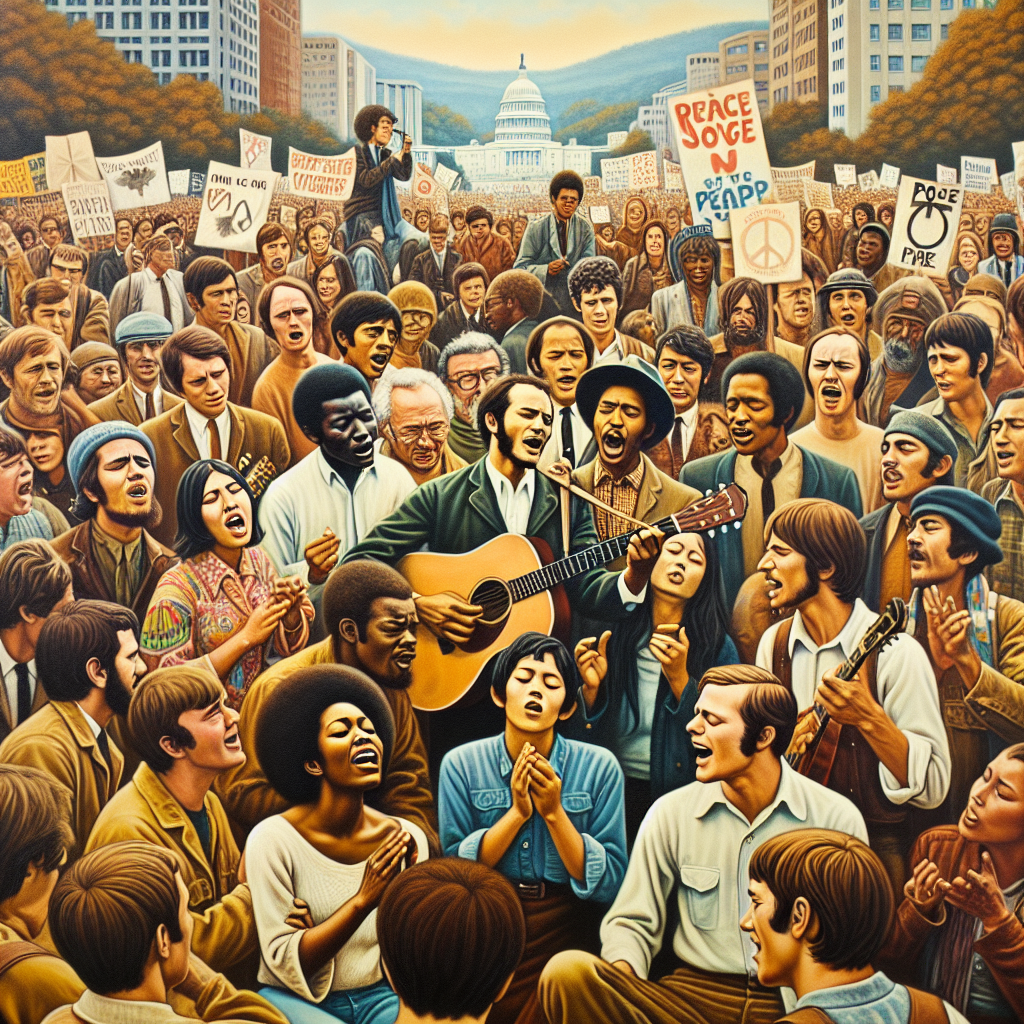
Woodstock, the unbelievable and never to be forgotten (that is, until some of these young people today who painfully have never heard of it) music festival held from August 15 to August 18, 1969 was more than just a gathering of half a million people on a farm in upstate New York. It became a symbol of the counterculture movement and a moment in history. Beyond the music and the free-spirited atmosphere, Woodstock left a lasting impact on society, teaching us valuable lessons about peace, love, and the power of collective action. Can it possibly be that Woodstock happened 54 years ago? Can it possibly be that Woodstock happened over half a century ago? The answer is, of course, yes. But what did this wonderful music festival teach us? Please read on and reminisce with me.

Peaceful coexistence

First and foremost, Woodstock demonstrated the potential for peaceful coexistence among diverse individuals. The festival brought together people of different races, backgrounds, and beliefs, united by a shared love for music and a desire for social change. In an era marked by social and political turbulence, Woodstock showed that a large, diverse crowd could come together without conflict. The spirit of unity that prevailed at Woodstock became a testament to the possibility of transcending societal divisions through shared experiences and common goals.

The power of music

Woodstock also taught us about the power of music as a catalyst for social change. The festival featured legendary performances by artists such as Jimi Hendrix, Janis Joplin, and The Who, who used their music to convey messages of peace and protest. The anthems of the counterculture, such as John Lennon’s “Give Peace a Chance,” resonated with the ideals of those of us who were lucky enough to have attended Woodstock and became a rallying cry for a generation seeking alternatives to the status quo. Music at Woodstock became a form of expression that inspired collective consciousness and galvanized a movement.

Significance of communal living

Moreover, Woodstock highlighted the significance of communal living and sustainability. The makeshift city that emerged on Max Yasgur’s farm for those few days was a testament to the possibility of creating a temporary utopia based on cooperation and shared resources. The organizers had to improvise to accommodate the unexpectedly large crowd, leading to a communal sharing of food, shelter, and resources. This spontaneous communal living showcased the potential for a more harmonious and sustainable way of life, challenging the individualistic ethos that dominated mainstream society.

The resilience of the human spirit

The festival also taught us about the resilience of the human spirit. Despite logistical challenges, rainstorms, and overcrowding, the overwhelming majority of attendees maintained a sense of peace and love. Acts of kindness and generosity were prevalent, and the collective goodwill prevailed over adverse circumstances. Woodstock demonstrated that even in the face of adversity, a community bound by common values and a shared vision could overcome challenges and maintain a positive and harmonious atmosphere.

A symbol of hope

In retrospect, Woodstock remains a symbol of hope and a reminder of the transformative power of collective action. It showed that societal change is possible when people come together with a shared purpose, transcending differences and embracing common values. The lessons learned at Woodstock continue to inspire subsequent generations to strive for a more inclusive, peaceful, and sustainable world.

In conclusion, Woodstock was not merely a music festival; it was a cultural phenomenon that taught us enduring lessons about unity, the power of music, communal living, and the resilience of the human spirit. As we reflect on the legacy of Woodstock, we are reminded that the ideals of peace and love, championed during those three days in 1969, are timeless and continue to resonate as aspirations for a better world.

I will wear purple

“Warning” A wonderful poem written in 1961 by Jenny Joseph. We should all heed this warning in our hearts.

“Warning” is a poem by Jenny Joseph that describes the speaker’s plans for her future as an old woman. The poem is divided into four stanzas, with the first being the longest. The speaker describes the things she will do when she is old, such as wearing purple clothing and a red hat, eating whatever she wants, and staying up late. The poem is humorous and playful, but it also has a serious message about the importance of living life on one’s own terms and not being constrained by societal expectations. The poem has become popular among women of all ages and is often read at birthday parties and other celebrations. There is even a “Red Hat Society” as a result of this wonderful poem.

Tomorrow is not promised to anyone, but our thoughts and feelings are our own. The final day on earth will arrive for all of us; let’s hope that before that day comes, we have had the courage to wear purple and socks that do not match and smile.

Unconventional Wisdom: Lessons We Learned from the Addams Family

The Addams Family, a fictional and eccentric household created by cartoonist Charles Addams, captivated audiences and our imaginations and our young minds (when we were young) for decades through various mediums, from cartoons to television series and films. Despite their macabre and spooky appearance, the Addams family offered a unique perspective on life, filled with valuable lessons that resonate beyond the realm of the supernatural.

One of the fundamental lessons the Addams Family imparts is the celebration of individuality and acceptance of diversity. In a world that often pressures individuals to conform to societal norms, the Addamses stand as a quirky symbol of embracing one’s true self. From Morticia’s gothic elegance to Gomez’s unabashed enthusiasm for fencing, each family member unapologetically expresses their unique interests and passions. This unyielding commitment to authenticity serves as a reminder that true happiness is found in being genuine and embracing one’s idiosyncrasies.

Furthermore, the Addams Family teaches the importance of strong family bonds and unconditional love. Despite their unusual hobbies and eccentric lifestyles, the family members share a deep love and respect for one another. The household is a sanctuary where each member can be themselves without fear of judgment. This emphasis on family values underscores the notion that a supportive and loving family can weather any storm, no matter how peculiar.

In addition to familial love, the Addams Family highlights the significance of extending compassion and empathy beyond the confines of blood relations. Despite their eerie appearance, the Addamses consistently demonstrate kindness and acceptance toward outsiders, challenging the stereotype that unconventional appearances equate to malevolence. The family extends their unique brand of hospitality to a range of characters, from the disembodied hand Thing to the hirsute Cousin “Itt”. This inclusivity sends a powerful message about embracing diversity and extending kindness to those who may seem different from ourselves.

Moreover, the Addams Family offers a humorous yet insightful critique of societal norms and materialism. In a world obsessed with wealth, status, and conventional success, the Addamses find joy in the simple pleasures of life, such as Morticia cultivating poisonous plants or Gomez reveling in his children’s peculiar talents. The family’s rejection of materialistic pursuits challenges the prevailing notion that material wealth equates to happiness. Instead, they find fulfillment in embracing the unconventional and prioritizing experiences that bring them genuine joy.

A lesson of paramount importance from the Addams Family is their resilience in the face of adversity. Despite being ostracized and misunderstood by the outside world (their neighbors), the family remains comfortably steadfast in their convictions and values. This resilience serves as an inspiration to viewers facing societal pressure to conform, thus encouraging them to persevere in their pursuit of authenticity and individuality.

In conclusion, the Addams Family, with their macabre charm and eccentricities, imparts invaluable lessons that transcend the boundaries of fiction. Through their celebration of individuality, emphasis on family bonds, practice of compassion, rejection of societal norms, and resilience in the face of adversity, the Addamses offer a refreshing perspective on life. In a world that often values conformity over uniqueness, the Addams Family stands as a beacon of unconventional wisdom, inviting us to embrace our quirks, foster meaningful connections, and find joy in the extraordinary aspects of life.

“Gilligan’s Island: A Microcosm of Social Dynamics”

Gilligan’s Island, a classic American television sitcom that aired from 1964 to 1967, has left an indelible mark on our popular culture. Created by Sherwood Schwartz, the show revolves around seven castaways stranded on a deserted island, each with a unique personality and background. While initially conceived as a lighthearted comedy, Gilligan’s Island transcended its simple premise to become a microcosm of social dynamics, exploring themes of cooperation, conflict, and the resilience of the human spirit.

The characters on Gilligan’s Island are a diverse group, ranging from the bumbling first mate, Gilligan, to the glamorous movie star, Ginger, and the affluent couple, Thurston Howell III and his wife, Lovey. The Skipper and his first mate, Gilligan, serve as the central figures of the group, attempting to keep order and guide the castaways through their daily struggles for survival. The Professor, a polymath with an extensive knowledge of science and engineering, and Mary Ann, the sweet farm girl, round out the ensemble. This eclectic mix of personalities creates a social experiment of sorts, as the characters navigate the challenges of their new island home.

One of the key themes explored in Gilligan’s Island is the idea of cooperation in the face of adversity. Despite their differences, the castaways must learn to work together to overcome the various challenges presented by their island environment. From building shelters to finding food and water, the group discovers that their survival depends on their ability to set aside personal differences and collaborate. Gilligan, despite his well-intentioned but often clumsy efforts, becomes a symbol of the group’s unity, illustrating how even the most unlikely individuals can contribute to a common goal. Take a look at this episode of “The professor builds a telephone to call someone to help them to get off the island.”

However, the island is not just a paradise of cooperation; it also serves as a crucible for interpersonal conflict. The characters’ diverse backgrounds and social statuses create tensions that manifest in comedic and often absurd ways. The contrast between the millionaire Howells and the rest of the group highlights social and economic disparities, offering a humorous commentary on class dynamics. These conflicts, while exaggerated for comedic effect, reflect real-world issues of communication and understanding, demonstrating that even in a confined space like a deserted island, the complexities of human relationships persist.

In addition to cooperation and conflict, Gilligan’s Island explores the resilience of the human spirit. Despite the challenges they face, the castaways consistently find moments of joy, creativity, and hope. The Professor’s ingenious inventions, the island’s makeshift beauty pageant, and the characters’ resourcefulness all exemplify the human capacity to adapt and find moments of joy in the most unexpected circumstances. The show suggests that, even in isolation, human connections and a positive outlook can help individuals persevere through adversity.

In conclusion, Gilligan’s Island, though remembered as a lighthearted sitcom, offers a nuanced exploration of social dynamics and the human condition. Through its diverse cast of characters, the show delves into themes of cooperation, conflict, and resilience. The island setting serves as a microcosm of society, where the characters must navigate the challenges of their circumstances and learn valuable lessons about the complexities of human relationships. Gilligan’s Island remains a timeless classic, reminding audiences of the enduring power of collaboration, the inevitability of conflict, and the indomitable spirit of the human experience.