Do Wop Music

From Doo-Wop to Disco: Music in the 50’s, 60’s, and 70’s

Few things bring us back to a different time as DoWop music does. Every time that I hear one of their “oldies” songs on the radio, it takes me back to a time when there were no cell phones, no Internet and no social media – and we live just fine without all of them!

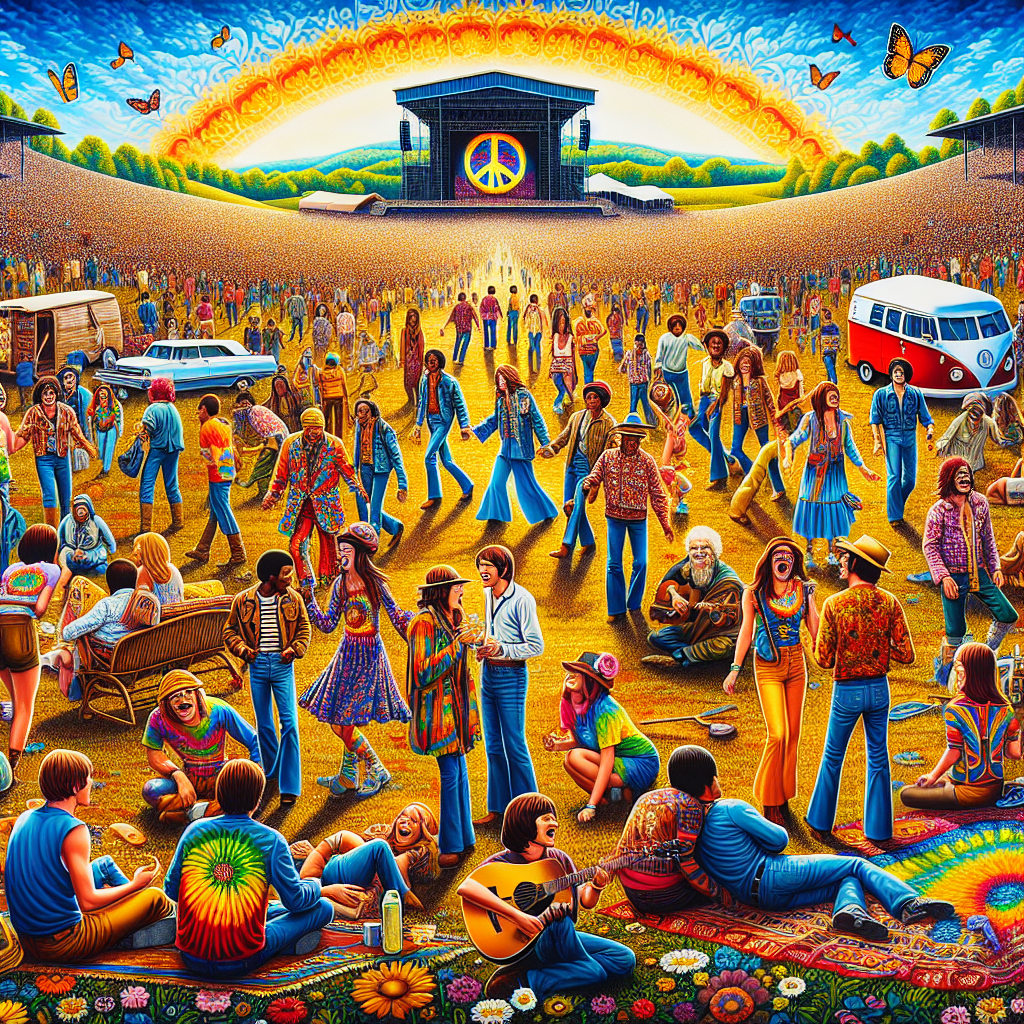
Music has always been a reflection of culture, politics, and fashion throughout history. From the smooth harmonies of Doo-Wop in the 1950s to the psychedelic 1960s to the energetic beats of Disco in the 1970s, each era brought its own unique sound and style. For example, in another post here in PhotoMem.com https://photographsandmemories.com/2024/03/24/woodstock-the-music-festival-that-defined-a-generation-in-the-60s/, we look at the very special times that were the 60s and the famous concert that was Woodstock.

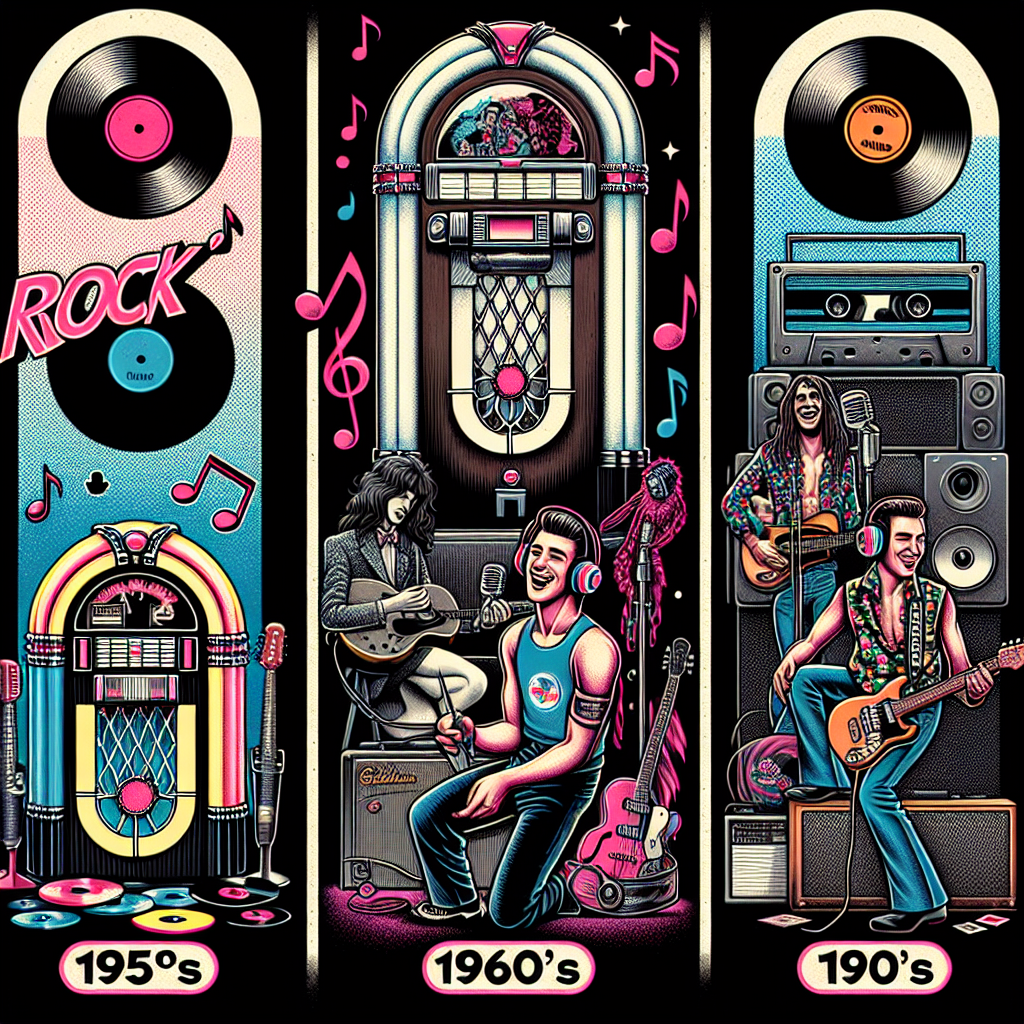
But, different than the 1960s, the 1950s gave us Doo-Wop music which absolutely made the teenage years for many baby boomers. Doo-Wop emerged as a blend of R&B, gospel, and pop influences. Groups like The Platters, The Drifters, the Five Satins (“In the still of the night” https://www.youtube.com/watch?v=ak6tttHk_R8), the Skyliners (“Since I don’t have you” https://www.youtube.com/watch?v=ngZh6ZSRoYg) and The Crests (“16 candles” https://www.youtube.com/watch?v=yoOuTSBAWWA) captivated audiences with their tight vocal harmonies and catchy melodies. This genre not only provided an escape from the social and political turmoil of the time of the transition from the post World War II days to the swinging 60s, but they also helped bring people together through shared experiences.

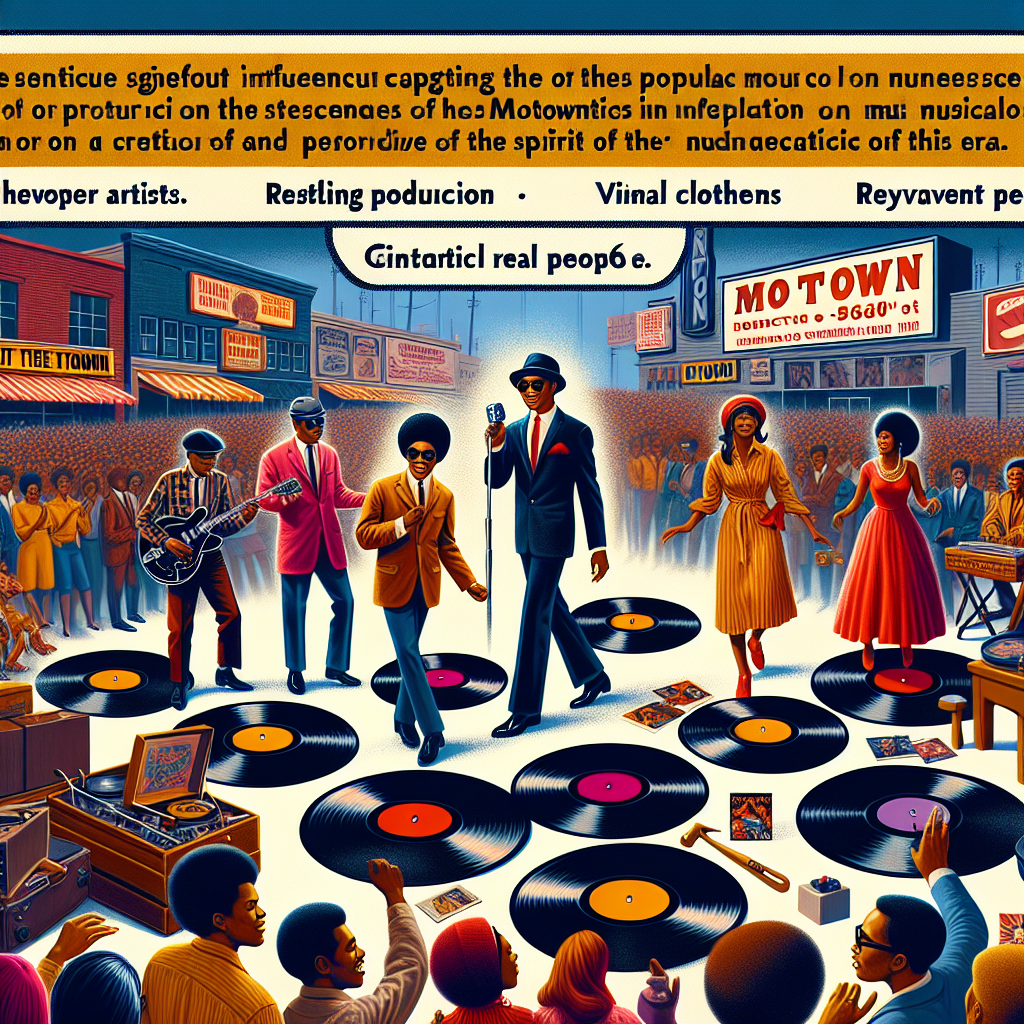
As the 1960s rolled around, music became a powerful tool for social change. Artists like Bob Dylan and The Beatles used their platform to address issues such as civil rights and the Vietnam War. The rise of psychedelic rock and then Motown (see our post about Motown at  https://photographsandmemories.com/2024/03/26/revolutionizing-music-the-impact-of-motown-in-the-1960s/ soul music added even more diversity to the musical landscape, reflecting the changing attitudes of society.

By the 1970s, Disco had taken over dance floors around the world. With its infectious grooves and flashy fashion sense, this genre embodied a sense of freedom and self-expression. Politicians may have tried to suppress it, but Disco proved to be resilient in its ability to bring people together through music.

It’s clear that music has a profound impact on our culture and society as a whole. By exploring different genres from different eras, we can gain a better understanding of where we come from and where we’re headed.

Let’s embrace the diversity of music from the 50s, 60s, and 70s with open minds and positive outlooks. After all, music has a way of bringing us together regardless of our differences.

Powered by AutoContent by AutoContent.com

Homeward Bound

The “We’re all Homeward Bound” parody during the Coronavirus pandemic. You had to be a Baby Boomer to get the parody.

The “ ‘We’re All Home Bound’ – the Coronavirus song” by Mel and Claire Vatz, from Pittsburgh, which was published on Youtube on Michael Moore’s Youtube channel during the Coronavirus pandemic was tremendously funny. If you have not seen it, click on this link https://youtu.be/yFfCz-WGEgg?si=1PquOg9xXAeAByeD to go to Youtube and see it. It is tremendously funny. Many people loved it; however, in order to appreciate the humor in Mel and Claire Vatz’ “Homeward Bound” you needed to be a baby boomer who loved Simon and Garfunkel’s original 1966 Homeward Bound song. If you wish to relive the original Simon and Garfunkel song, click on this Youtube link https://youtu.be/HAnj2fyjxRw?si=o69nvcc4_r-KVPlU so you can travel back and live the moments when you first heard this wonderful song.

“We’re All Home Bound” is a poignant yet humorously crafted parody of Simon and Garfunkel’s iconic song “Homeward Bound,” reimagined by Mel and Claire Vatz from Pittsburgh during the coronavirus pandemic. Published on Michael Moore’s YouTube channel, this creative adaptation resonates deeply with a global audience experiencing the trials and tribulations of lockdowns, social distancing, and the overarching theme of yearning for normalcy in unprecedented times. The Vatzs’ rendition not only captures the essence of the original song’s melancholy and longing for home but also cleverly repurposes it to reflect the shared experiences of millions confined to their homes during the pandemic. But you had to be a baby boomer from the 60s to know Simon and Garfunkel’s song and thus understand that this was a parody of that wonderful, iconic song.

Simon and Garfunkel’s “Homeward Bound” originally spoke to the feelings of displacement and the desire to return to the familiarity and comfort of home. In the hands of Mel and Claire Vatz, these themes are transformed to articulate the collective longing for the end of the pandemic and a return to a world where freedom and social interaction are once again taken for granted. The song becomes a vessel for expressing the frustrations, fears, and the occasional comedic relief found in the day-to-day realities of living through a global health crisis.

The Vatzs’ parody, “We’re All Home Bound,” succeeds in striking a delicate balance between humor and sensitivity. It acknowledges the gravity of the situation while also providing a much-needed comedic outlet for those struggling with the monotony and isolation of lockdown life. By doing so, it offers a form of cathartic release, allowing listeners to laugh at their shared predicaments, from the trivialities of Zoom fatigue and baking sourdough bread to the more serious concerns of health and wellbeing.

Lyrically, the song adeptly uses satire to shine a light on the quirks of pandemic life. It touches on the absurdity of hoarding toilet paper, the newfound prevalence of virtual meetings, and the strange reality of celebrating milestones in isolation. These lyrics, set to the familiar and comforting tune of “Homeward Bound,” not only entertain but also foster a sense of unity among listeners. The song implies that while we may be physically separated, we are all navigating this strange new world together.

The choice of Michael Moore’s YouTube channel as the platform for this parody’s release underscores the song’s intent to reach a wide and diverse audience. Moore, known for his documentary filmmaking that often critiques social, economic, and political issues, provides a fitting backdrop for a song that comments on the societal impacts of the coronavirus pandemic. This strategic decision amplifies the song’s message, ensuring it resonates with individuals who are both directly and indirectly affected by the pandemic’s far-reaching consequences.

In essence, “We’re All Home Bound” is more than just a parody; it is a reflection of the human condition in times of crisis. It encapsulates the anxiety, the monotony, and the surreal nature of pandemic life, but also highlights the resilience of the human spirit. Through humor and music, Mel and Claire Vatz offer a reminder that even in the darkest of times, there can be lightness and laughter. Their song stands as a testament to the power of art to unite, to heal, and to provide solace, serving as a musical beacon of hope for a world eagerly awaiting the chance to say, “We’re no longer bound; we’re free.”

Protests in 1960s

Protest Songs of the Civil Rights Movement: Examining Music as a Tool for Social Change in the 50’s and 60’s

During the Civil Rights Movement of the 1950s and 60s, music played a crucial role in inspiring change and mobilizing communities. Protest songs became anthems for those fighting against racial segregation and discrimination, expressing the struggles and hopes of African Americans during this tumultuous time.

Music has always been a powerful tool for social change, as it has the ability to transcend barriers and unite people from different backgrounds. In the case of the Civil Rights Movement, protest songs served as a form of resistance against oppression and injustice, giving a voice to those who were marginalized and oppressed.

Think “White Rabbit” by the Jefferson Airplane.

From iconic artists like Nina Simone and Sam Cooke to groups like The Freedom Singers and The Impressions, musicians used their platform to speak out against racism and inequality. Songs like “A Change is Gonna Come” by Sam Cooke and “Mississippi Goddam” by Nina Simone became rallying cries for activists, encouraging them to keep pushing for progress.

These protest songs not only reflected the culture of the time but also influenced it, shaping public opinion and challenging politicians to take action. Music has a unique ability to evoke emotions and inspire change, making it a valuable tool for social movements.

As we look back on the impact of protest songs during the Civil Rights Movement, we can see how music has the power to bring people together and create positive change. By examining this important chapter in history, we can learn valuable lessons about the role of art in activism and how it can be used to enhance joint health and well-being.

Supplement

Elvis and others

The Evolution of Rock ‘n’ Roll: How Elvis Presley, The Beatles, and The Rolling Stones Shaped the Music Scene of the 50’s, 60’s, and 70’s

Rock ‘n’ roll music has been a powerful force in shaping the cultural landscape of the 20th century. From its roots in blues and country music, rock ‘n’ roll evolved into a genre that captured the hearts and minds of millions around the world. Three iconic bands – Elvis Presley, The Beatles, and The Rolling Stones – played a significant role in defining the sound and style of rock ‘n’ roll during the 1950s, 60s, and 70s.

Elvis Presley, known as the “King of Rock ‘n’ Roll,” brought a new energy and charisma to the music scene in the 1950s. His fusion of blues, gospel, and country music created a sound that was both unique and captivating. With his signature dance moves and rebellious attitude, Elvis became a cultural icon who challenged societal norms and inspired generations of musicians to come.

In the 1960s, The Beatles emerged as one of the most influential bands in rock history. Their catchy melodies, innovative songwriting, and charismatic personalities captivated audiences around the world. The Beatles not only revolutionized music but also influenced fashion trends and social movements of the era. Their impact on popular culture is still felt today.

The Rolling Stones were another powerhouse band that helped shape the rock ‘n’ roll scene of the 1960s and 70s. Known for their gritty sound, rebellious image, and electrifying live performances, The Rolling Stones pushed boundaries with their music and lyrics. They paved the way for future generations of rock musicians by blending blues, R&B, and rock influences into their own distinctive sound.

Music has always had a profound impact on culture, influencing everything from fashion to politics. Rock ‘n’ roll was no exception – it was a driving force behind social change and artistic expression during these decades. The music of Elvis Presley, The Beatles, and The Rolling Stones continues to resonate with audiences today.

If you’re looking to enhance joint health and well-being while exploring the history of rock ‘n’ roll music, consider trying out this specially formulated supplement here. It’s never too late to start feeling your best!

Reaching out

Larry Burrow: “Reaching Out” picture

On July 26, 1948 President Harry S Truman signed executive Order 9981, ending segregation in the United States military. That is so hard to believe that as recently as almost 1950, as I like to say “in our lifetime!” – the military – OUR United States military – was segregated between whites and blacks. Almost 1950. Hard to believe but true.

It is even more dramatic when we see that in less than 16 years from President Truman’s order ending segregation in the armed services, Larry Burrow’s famous Vietnam picture from October 1966 a black injured Marine James C. Farley, himself bandaged and wounded, reaches out to aid his brother-in-arms Gunnery Sgt. Jeremiah Purdie – no matter what color the two of them are.

Iconic photographs: Burrow’s photograph, like Joe Rosenthal’s iconic picture of six U.S. Marines raising the American flag on Mount Suribachi on Iwo Jima, is one of those pictures that, once we see that picture, remains embedded in our minds – and in our hearts. Larry Burrows’ photograph titled “Reaching Out,” taken in October 1966 during the Vietnam War, stands as an enduring symbol of the war’s human toll and the indomitable spirit of those caught in its midst. This iconic image captures a poignant moment amidst the chaos of war, offering a window into the raw emotions and complexities faced by both soldiers and civilians.

In the photograph, we see a young American Marine, James C. Farley, reaching out to his wounded comrade, Gunnery Sergeant Jeremiah Purdie, amidst the mud and mire of the war-ravaged landscape. Farley’s face is etched with determination and concern for his brother-in-arms as he extends his hand to comfort Purdie, who is lying on the ground, injured and vulnerable. The scene is one of compassion and camaraderie amidst the brutality of battle – regardless of skin color. Love between two brothers.

One of the most striking aspects of this image is the contrast between the brutality of war and the humanity of the individuals involved. The setting is a harsh and unforgiving battlefield, yet in the midst of this chaos, we see an act of compassion and humanity. Farley’s outstretched hand represents a lifeline of hope and support, a symbol of the bonds that form between soldiers in the crucible of war.

“Reaching Out” also serves as a powerful reminder of the sacrifices made by those who served in Vietnam. The expressions on Farley and Purdie’s faces convey the physical and emotional toll of war. Farley’s determined gaze reflects the sense of duty, responsibility and emotional attachment he feels towards his fellow Marine, while Purdie’s expression speaks volumes about the pain and suffering endured by those who were wounded in battle.

Beyond the immediate context of the Vietnam War, “Reaching Out” has a universal quality that resonates with viewers to this day. It speaks to the timeless themes of compassion, courage, and the resilience of the human spirit in the face of adversity. The image has a haunting quality that lingers in the mind, prompting reflection on the nature of war and its impact on those who experience it firsthand.

Moreover, “Reaching Out” captures a moment of connection between two individuals from different backgrounds brought together by the shared experience of war. In this sense, the photograph also serves as a testament to the bonds that can form between people in the most unlikely of circumstances. It reminds us that even in the midst of conflict, there is room for empathy and understanding.

In the decades since its capture, “Reaching Out” has become an iconic image that continues to resonate with audiences around the world. It has been featured in exhibitions and publications, cementing its place in the annals of photojournalism. The photograph’s enduring significance lies in its ability to humanize the Vietnam War, reminding us of the individual lives affected by the conflict.

In conclusion, Larry Burrows’ “Reaching Out” is much more than a photograph of a single moment in time. It is a powerful testament to the human cost of war, the bonds of brotherhood that form between soldiers, and the enduring spirit of compassion and resilience. Its significance extends beyond the Vietnam War, serving as a timeless reminder of the universal themes of humanity and courage in the face of adversity.

Evoloution of Rock and Roll

The Evolution of Rock ‘n’ Roll: How Cultural Icons of the 50’s, 60’s, and 70’s Shaped Music History

Rock ‘n’ roll has been a defining genre in music history, shaping culture and influencing generations of musicians and fans. The evolution of rock ‘n’ roll from the 1950s to the 1970s was marked by cultural icons who not only revolutionized music but also impacted society as a whole.

During the 1950s, rock ‘n’ roll emerged as a rebellious form of music that challenged societal norms and values. Artists like Elvis Presley and Chuck Berry became symbols of youth rebellion, with their energetic performances and catchy tunes capturing the hearts of millions. Their influence extended beyond music, shaping fashion trends and inspiring a new generation to express themselves freely.

In the 1960s, rock ‘n’ roll took on a more political tone as artists like Bob Dylan and The Beatles used their platform to address social issues such as civil rights and the Vietnam War. Their music became anthems for a generation seeking change, with songs like “Blowin’ in the Wind” and “Imagine” resonating with listeners around the world.

By the 1970s, rock ‘n’ roll had evolved into a diverse genre that encompassed everything from psychedelic rock to hard rock. Bands like Led Zeppelin and Pink Floyd pushed musical boundaries, experimenting with sound and production techniques that would shape the future of rock music. The era also saw the rise of iconic female artists like Janis Joplin and Stevie Nicks who challenged gender stereotypes in the industry.

Overall, the evolution of rock ‘n’ roll in the 50s, 60s, and 70s was driven by cultural icons who not only shaped music history but also influenced society at large. Their impact can still be felt today, with their legacy continuing to inspire new generations of musicians and fans.

If you’re looking to enhance joint health and well-being while exploring this rich history of music, check out this specially formulated supplement through our sponsor’s link: here.

Evoloution of Rock and Roll

The Evolution of Rock ‘n’ Roll: How Music Icons Shaped the Sound of the 50’s, 60’s, and 70’s

Rock ‘n’ roll has been a powerful force in shaping music, culture, and fashion throughout the decades. From the 1950s to the 1970s, music icons have played a significant role in influencing society and creating a sound that continues to resonate today.

In the 1950s, rock ‘n’ roll emerged as a rebellious form of music that challenged societal norms and brought people together through its catchy beats and relatable lyrics. Artists like Elvis Presley, Chuck Berry, and Little Richard paved the way for future generations by breaking down racial barriers and creating a new sound that would define an era.

As rock ‘n’ roll continued to evolve in the 1960s, artists like The Beatles, The Rolling Stones, and Jimi Hendrix pushed boundaries with their experimental sounds and thought-provoking lyrics. Their influence extended beyond music into fashion and politics, as they became symbols of counterculture movements and inspired change on a global scale.

By the 1970s, rock ‘n’ roll had become a dominant force in popular culture, with bands like Led Zeppelin, Pink Floyd, and Queen pushing the boundaries of what was possible in music. Their larger-than-life performances captivated audiences around the world and solidified their place as legends in the industry.

Through their music, these iconic artists were able to connect with people from all walks of life and inspire them to think differently about the world around them. Their influence can still be felt today in the music we listen to, the clothes we wear, and the way we express ourselves.

As we continue to explore the impact of rock ‘n’ roll on society, it’s important to remember that music has the power to enhance joint health and well-being. By taking care of our bodies through proper nutrition and supplementation, we can ensure that we are able to enjoy our favorite songs for years to come.

If you’re interested in exploring a specially formulated supplement that can help support your joint health, click here to learn more through our sponsor’s link.

The Evolution of the American Teenager: How Cultural Icons of the 50’s, 60’s, and 70’s Shaped Youth Culture

Teenagers have always played a significant role in shaping culture and society, but perhaps no other time period has had as much influence on youth culture as the 1950s, 60s, and 70s. During these decades, cultural icons emerged that not only defined the music, fashion, and attitudes of the time but also influenced politicians and social movements.

One of the most notable aspects of this era was the music that teenagers were listening to. From rock ‘n’ roll in the 50s to psychedelic rock in the 60s and disco in the 70s, music played a crucial role in shaping youth culture. Bands like The Beatles, The Rolling Stones, and Led Zeppelin became cultural icons who not only entertained but also challenged societal norms.

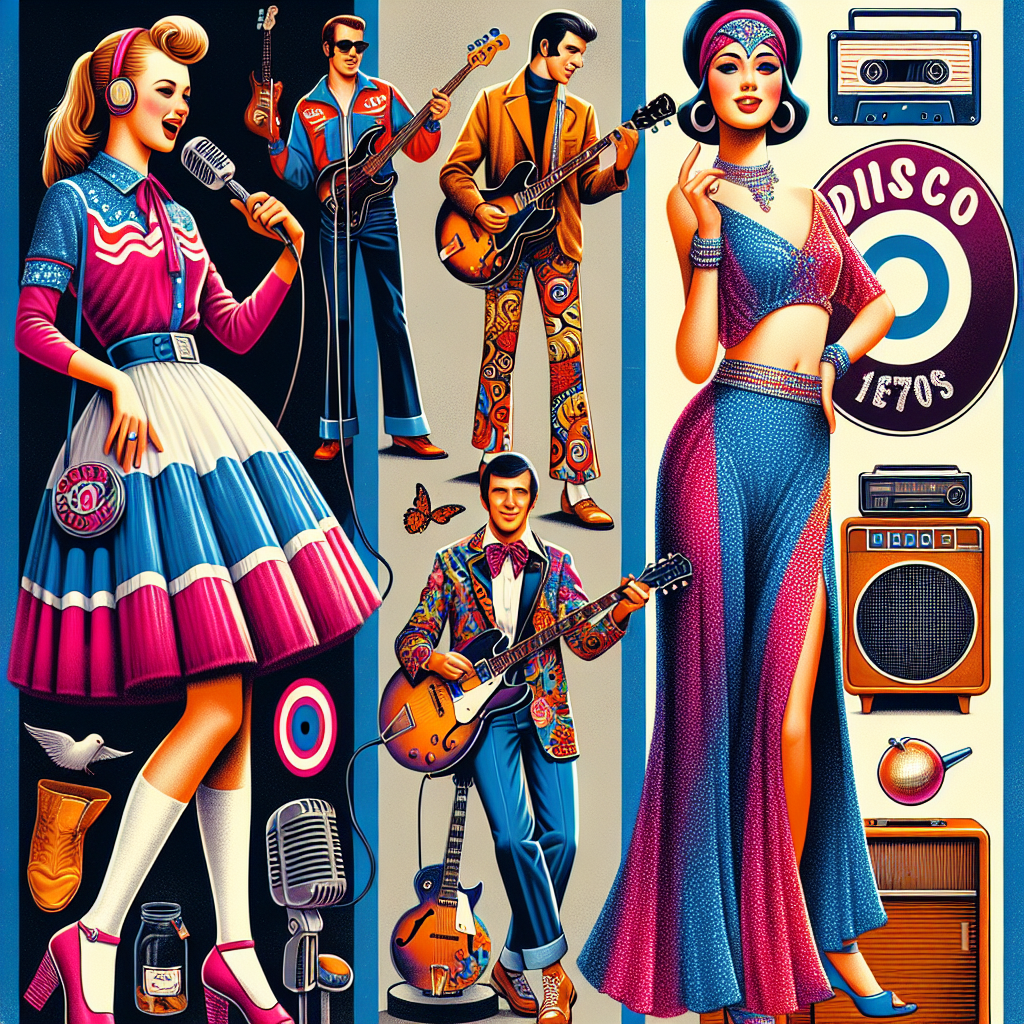
In addition to music, fashion also played a significant role in defining teenage culture during these decades. From poodle skirts and leather jackets in the 50s to bell-bottom jeans and tie-dye shirts in the 60s and platform shoes and sequins in the 70s, teenagers used fashion as a form of self-expression and rebellion.

Politicians also took notice of the power of teenage culture during this time period. Figures like John F. Kennedy and Richard Nixon understood that appealing to young people was essential for gaining support and shaping public opinion. By engaging with popular musicians and celebrities, politicians were able to connect with teenagers on a personal level.

Overall, the evolution of the American teenager during the 1950s, 60s, and 70s had a lasting impact on society as a whole. By embracing new forms of music, fashion, and attitudes towards politics, teenagers were able to express themselves in ways that were previously unheard of.

If you’re interested in exploring how these cultural icons shaped youth culture during this time period further or want to enhance your joint health and well-being through specially formulated supplements, check out our sponsor’s link here.

Activism and Advocacy: How Cultural Icons Used Their Platforms for Social Change

Activism and advocacy have long been intertwined with music, culture, politics, history, and fashion. Throughout the years, numerous cultural icons have used their platforms to bring attention to important social issues and drive change in society.

One such example is the legendary musician Bob Marley, who used his reggae music to spread messages of peace, love, and unity. His iconic songs like “Get Up, Stand Up” and “Redemption Song” inspired countless individuals to stand up against injustice and fight for equality.

In the world of fashion, designer Vivienne Westwood has been a vocal advocate for environmental sustainability and political activism. Through her designs and runway shows, she has highlighted issues such as climate change and consumerism, urging people to rethink their relationship with the planet.

Politicians like Nelson Mandela also used their positions of power to advocate for social change. As the first black president of South Africa, Mandela worked tirelessly to dismantle the country’s system of apartheid and promote reconciliation among its diverse population.

These examples serve as a reminder that anyone can make a difference through activism and advocacy. Whether you’re a musician, designer, politician, or simply an individual with a passion for change, there are countless ways to use your platform for good.

So next time you’re listening to music, browsing through fashion magazines, or following political news, take a moment to consider how you can contribute to making the world a better place. Your voice matters – let it be heard!

The Impact of Woodstock: A Look Back at the Iconic Music Festival of the 1960s

Woodstock was a music festival that took place in 1969 and has since become an iconic event in American history. The impact of Woodstock can still be felt today, as it played a significant role in shaping the culture of the 1960s.

One of the key aspects of Woodstock was its focus on music. The festival featured performances from some of the biggest names in music at the time, including Jimi Hendrix, Janis Joplin, and The Who. These performances helped to define the sound of the era and showcased the talent of some of the most influential musicians of the time.

In addition to its musical impact, Woodstock also had a significant cultural impact. The festival brought together hundreds of thousands of people from all walks of life, creating a sense of unity and community among attendees. This spirit of togetherness was reflected in the peaceful and laid-back atmosphere of the event, which stood in stark contrast to the social and political unrest that was prevalent at the time.

Politicians also took notice of Woodstock and its impact on society. Many politicians saw the festival as a reflection of the changing attitudes and values of young people in America. Some even tried to capitalize on this by aligning themselves with the counterculture movement that Woodstock represented.

Woodstock also had an impact on fashion, with many attendees embracing a bohemian style that became synonymous with the festival. This laid-back and free-spirited fashion sense continues to influence trends today, with elements like tie-dye shirts and fringe jackets making a comeback in recent years.

Looking back on Woodstock, it’s clear that this iconic music festival had a lasting impact on American history. Its influence can still be seen in music, culture, politics, and fashion today. As we reflect on this historic event, we can appreciate how it helped to shape our world and inspire future generations.