Disco Fever: A Look

Disco Fever: A Look Back

Disco music, with its infectious beats and catchy tunes, took the world by storm in the 1970s. It was a time of cultural revolution, where music, fashion, and technology all came together to create a unique experience that defined an era. Let’s take a closer look at how disco fever swept the nation and left a lasting impact on our society.

The Music

At the heart of disco fever was, of course, the music. Disco songs were characterized by their uptempo rhythms, soulful vocals, and pulsating basslines. Artists like Donna Summer, The Bee Gees, and Gloria Gaynor dominated the charts with their disco hits, creating anthems that are still beloved today.

The Culture

Disco wasn’t just about the music – it was a lifestyle. Nightclubs became hotspots for dancing the night away to disco beats, while roller discos popped up all over the country as a fun way to get your groove on. The disco culture promoted inclusivity and acceptance, with people from all walks of life coming together to dance and have a good time.

The Politicians

Even politicians couldn’t resist the allure of disco fever. In 1979, President Jimmy Carter hosted a White House event called “Salute to Disco,” where he famously declared that “America needed more dancing.” Politicians across the country embraced disco as a way to connect with voters and show off their fun side.

The Fashion

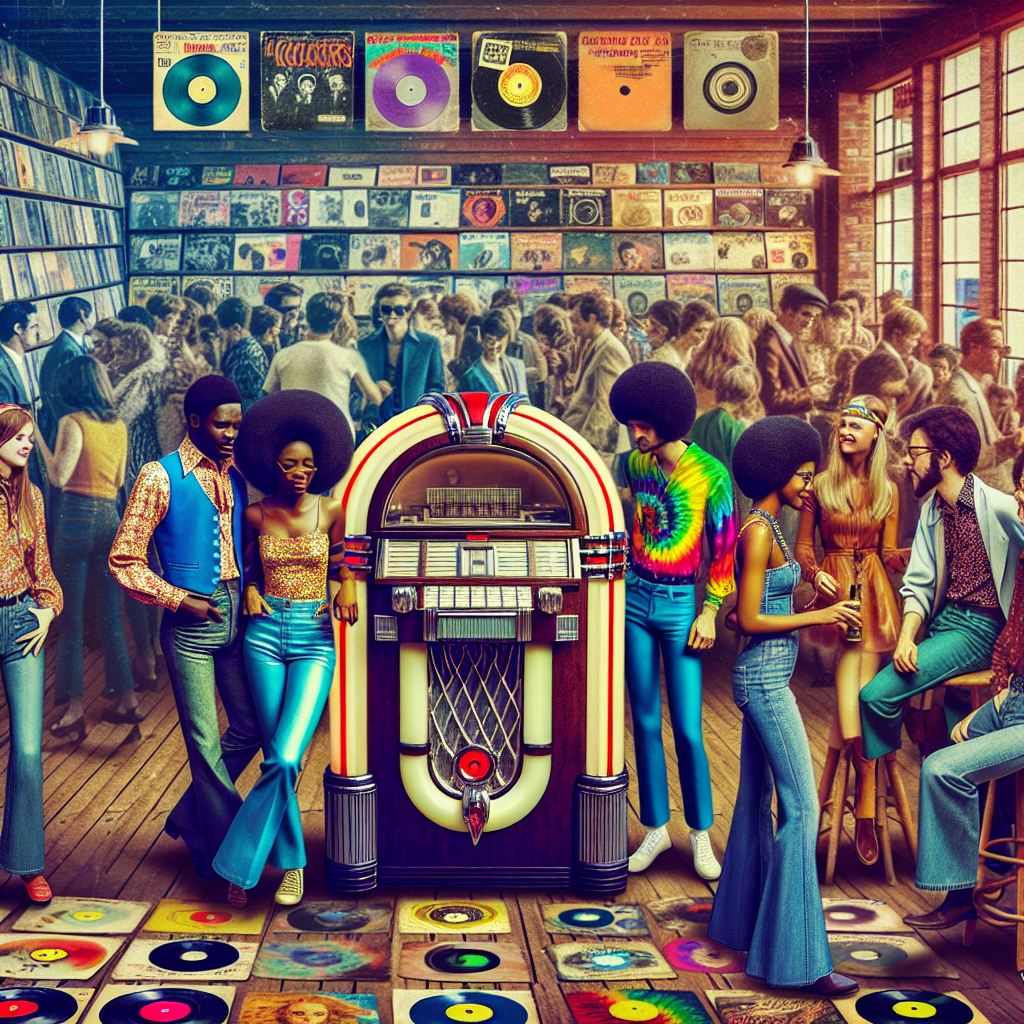
One of the most iconic aspects of disco fever was the fashion. Bell-bottom pants, platform shoes, sequined dresses – disco fashion was all about making a statement and standing out on the dance floor. People embraced bold colors and flashy accessories as they danced the night away in style.

The Technology

Disco wouldn’t have been possible without advancements in technology. The rise of electronic instruments like synthesizers and drum machines allowed musicians to create new sounds that defined the disco genre. Disco clubs also invested in state-of-the-art sound systems and lighting rigs to create an immersive experience for club-goers.

In conclusion,

Disco fever may have come and gone, but its impact is still felt today. The music continues to inspire artists across genres, while the culture of inclusivity and acceptance lives on in our society. So next time you hear a disco hit on the radio or see someone rocking bell-bottoms on the street, take a moment to appreciate the legacy of disco fever.
A deep dive into the rise of iconic music festivals like Woodstock in the late 60

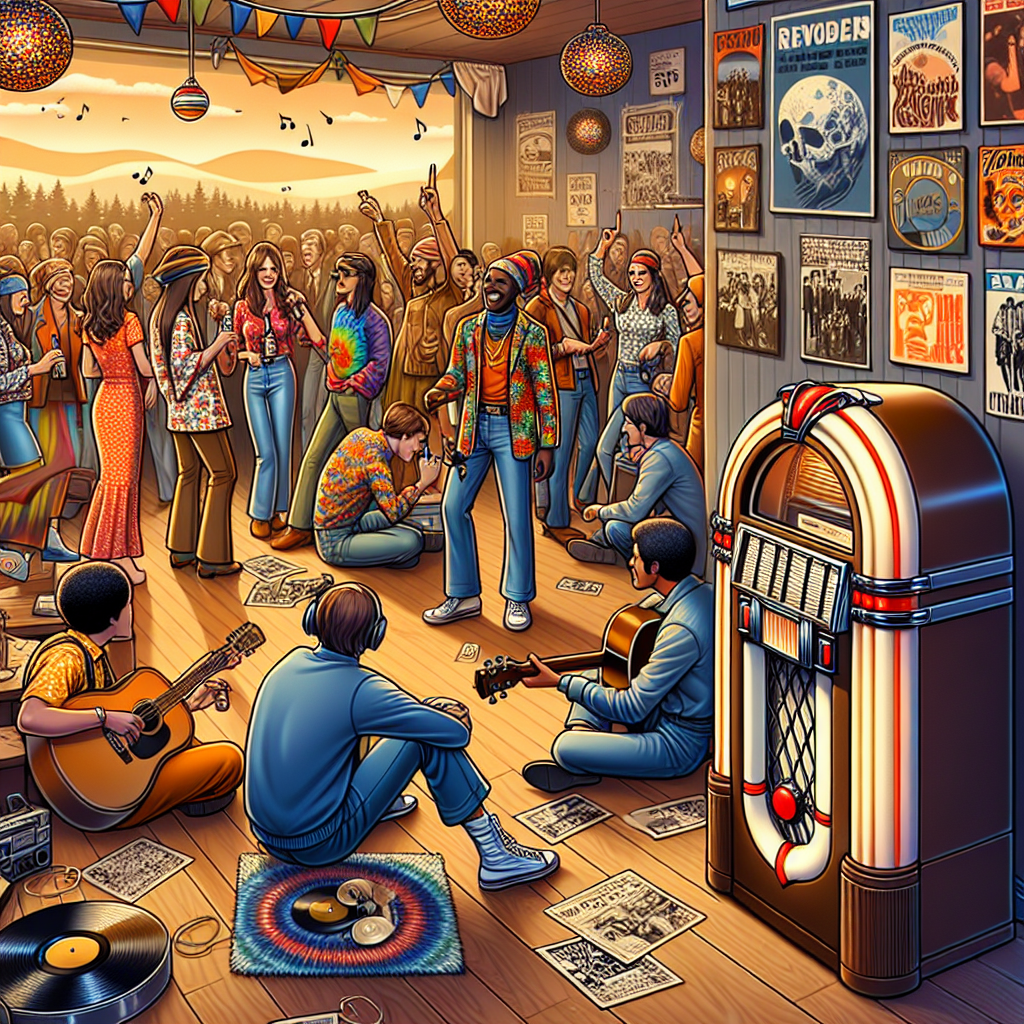
Music festivals have become a staple in our modern culture, drawing in thousands of people from all over the world to celebrate music, art, and community. But where did it all begin? Let’s take a deep dive into the rise of iconic music festivals like Woodstock in the late 60s.

Woodstock was a groundbreaking event that took place in 1969 in upstate New York. It brought together some of the biggest names in music at the time, including Jimi Hendrix, Janis Joplin, and The Who. But it wasn’t just about the music – Woodstock represented a cultural revolution.

During this time, young people were looking for ways to express themselves and break free from the constraints of society. Music became a powerful tool for them to do so, and festivals like Woodstock provided a platform for artists to share their messages of love, peace, and unity.

Politicians at the time were skeptical of these gatherings, fearing that they would incite rebellion and chaos. However, what they failed to see was that these festivals were actually promoting positive values and bringing people together in a peaceful way. The success of Woodstock proved that music had the power to unite people from all walks of life.

Not only did these festivals have an impact on culture and society, but they also influenced fashion trends. The hippie movement of the late 60s was characterized by its bohemian style – long flowing skirts, tie-dye shirts, and flower crowns. This laid-back and carefree fashion sense became synonymous with music festivals and is still seen today at events like Coachella and Bonnaroo.

Technology also played a significant role in the rise of music festivals. Advances in sound equipment allowed for larger crowds to enjoy live performances without sacrificing audio quality. Additionally, social media has made it easier for festival organizers to promote their events and reach a wider audience.

Overall, the rise of iconic music festivals like Woodstock has had a lasting impact on our culture. They have become more than just concerts – they are immersive experiences that bring people together through their shared love of music. These events continue to inspire creativity, self-expression, and unity among attendees.

Exploring the Evolution of Rock ‘n’ Roll: A Look at the Music of the 50’s, 60’s, and 70’s

Rock ‘n’ roll has been a driving force in shaping music, culture, and society for decades. From its humble beginnings in the 1950s to its peak popularity in the 1960s and 70s, rock ‘n’ roll has evolved and changed with the times, reflecting the social and political climate of each era.

The 1950s: The Birth of Rock ‘n’ Roll

The 1950s saw the emergence of rock ‘n’ roll as a new genre of music that combined elements of rhythm and blues, country, and gospel. Artists like Elvis Presley, Chuck Berry, and Little Richard brought this new sound to mainstream audiences, challenging traditional norms and values.

Politicians and parents alike were wary of this new form of music, fearing that it would corrupt the youth and lead to moral decay. However, despite these concerns, rock ‘n’ roll continued to gain popularity among young people who saw it as a form of rebellion against societal norms.

Rock ‘n’ roll also had a significant impact on fashion during this time. Artists like Elvis Presley popularized trends such as leather jackets, pompadour hairstyles, and tight-fitting jeans. These styles became synonymous with the rebellious spirit of rock ‘n’ roll.

The 1960s: The Golden Age of Rock ‘n’ Roll

The 1960s marked the golden age of rock ‘n’ roll, with bands like The Beatles, The Rolling Stones, and The Beach Boys dominating the charts. This decade saw an explosion of creativity and innovation in music, with artists experimenting with new sounds and pushing boundaries.

Rock ‘n’ roll became more than just music – it became a cultural movement that challenged societal norms and advocated for social change. Songs like Bob Dylan’s “Blowin’ in the Wind” addressed issues such as civil rights and war, inspiring a generation to stand up for what they believed in.

Technology also played a significant role in shaping rock ‘n’ roll during this time. The invention of the electric guitar revolutionized the sound of rock music, allowing artists to create new sounds and experiment with different tones. Advances in recording technology also made it easier for bands to produce high-quality albums that showcased their talent.

The 1970s: Rock ‘n’ Roll Goes Mainstream

By the 1970s, rock ‘n’ roll had firmly established itself as a mainstream genre of music that appealed to audiences around the world. Bands like Led Zeppelin, Pink Floyd, and Queen pushed boundaries even further by incorporating elements of progressive rock into their music.

Fashion also played a significant role in defining the look of rock ‘n’ roll during this time. Glam rock bands like David Bowie embraced flamboyant costumes and makeup, blurring gender lines and challenging traditional notions of masculinity.

In conclusion,

  • Music: Rock ‘n’ roll has evolved from its roots in rhythm and blues to become a diverse genre that incorporates elements from various musical traditions.
  • Culture: Rock ‘n’ roll has influenced fashion trends, social movements, and attitudes towards authority throughout its history.
  • Politicians: While some politicians have criticized rock ‘n’ roll for its rebellious nature, others have embraced it as a form of artistic expression that reflects society’s values.
  • Fashion: Rock ‘n’ roll has always been closely tied to fashion trends, with artists using their style choices to express their individuality or make statements about society.
  • Technology: Advances in technology have played a crucial role in shaping the sound of rock ‘n’
body { font-family: Arial; } h1 { color: #333; } h2 { color: #777; } ul { list-style-type: square; }

From Vinyl to Digital: How Technology Changed the Way We Listen to Music from the

Music has always been an integral part of our culture, shaping our identities and influencing our emotions. From vinyl records to digital streaming services, the way we listen to music has evolved significantly over the years thanks to advancements in technology. This transformation has not only changed the way we consume music but has also had an impact on various aspects of our lives including politics, fashion, and more.

With the invention of vinyl records in the late 19th century, music became more accessible to the masses. People could now bring their favorite songs into their homes and enjoy them whenever they wanted. Vinyl records also played a significant role in shaping popular culture, with artists like The Beatles and Elvis Presley becoming household names thanks to their record sales.

As technology continued to advance, so did the way we listen to music. The introduction of cassette tapes and CDs made it even easier for people to carry their music with them wherever they went. However, it wasn’t until the digital revolution that things really started to change.

The rise of digital music platforms like iTunes and Spotify completely revolutionized the music industry. Suddenly, people had access to millions of songs at their fingertips, all stored on their smartphones or computers. This shift towards digital music not only made it easier for consumers to discover new artists but also allowed musicians to reach a global audience without needing a record deal.

Politicians have also used music as a tool to connect with voters and convey their messages. Campaign songs have become a staple in political rallies, with candidates choosing songs that resonate with their message or values. From Bill Clinton playing Fleetwood Mac’s “Don’t Stop” during his campaign rallies to Barack Obama using Stevie Wonder’s “Signed, Sealed, Delivered” as his victory song, music has played a crucial role in shaping political campaigns.

In addition to politics, fashion has also been influenced by the way we listen to music. Musicians have always been trendsetters when it comes to style, with iconic artists like David Bowie and Madonna setting fashion trends that are still relevant today. With social media platforms like Instagram and TikTok allowing musicians to showcase their personal style to millions of followers, fashion and music have become more intertwined than ever before.

Overall, technology has had a positive impact on the way we listen to music. It has made it easier for us to discover new artists, connect with musicians from around the world, and express ourselves through song. While some may argue that vinyl records hold a certain charm that digital streaming can’t replicate, there’s no denying that technology has opened up new possibilities for both musicians and listeners alike.

The British Invasion: How UK Bands Dominated the Charts in the 60’s and Forever Changed Rock Music

The 1960s was a decade of immense change and innovation in the world of music. One of the most significant events during this time was the British Invasion, where UK bands dominated the charts and forever changed rock music. This cultural phenomenon not only influenced music but also had a profound impact on fashion, technology, and even politics.

At the forefront of the British Invasion were bands like The Beatles, The Rolling Stones, The Who, and The Kinks. These bands brought a fresh sound to the American music scene, blending elements of rock and roll with rhythm and blues to create a new genre that would come to define an era.

One of the key factors that contributed to the success of these British bands was their ability to connect with audiences on both sides of the Atlantic. Their catchy melodies, infectious energy, and charismatic personalities resonated with fans around the world, propelling them to international stardom.

But it wasn’t just their music that captured hearts and minds – it was also their sense of style. The Beatles’ iconic mop-top haircuts and matching suits became synonymous with 1960s fashion, influencing trends for years to come. Their look was emulated by fans everywhere, cementing their status as cultural icons.

Technology also played a crucial role in shaping the sound of the British Invasion bands. Innovations in recording equipment allowed artists to experiment with new sounds and techniques, leading to groundbreaking albums like “Sgt. Pepper’s Lonely Hearts Club Band” by The Beatles. This album pushed boundaries both musically and lyrically, setting a new standard for what could be achieved in popular music.

Politicians even took notice of the impact that these British bands were having on society. In 1965, Queen Elizabeth II honored The Beatles with MBE awards for their contribution to British culture. This recognition further solidified their place in history as pioneers of rock music.

Looking back on the British Invasion now, it’s clear that its influence is still felt today. Countless artists have cited these bands as inspirations for their own work, proving that their legacy continues to resonate across generations.

In conclusion, the British Invasion was a transformative period in music history that forever changed rock music. Through their innovative sound, distinctive style, and groundbreaking achievements, UK bands left an indelible mark on popular culture that continues to be celebrated today.

The cultural significance of protest songs in the 60’s and 70’s

In the 1960s and 70s, protest songs played a significant role in shaping the cultural landscape of the time. These songs were not only a form of musical expression but also served as a powerful tool for social and political change.

Music has always been a reflection of society, and during this tumultuous period in history, musicians used their platform to address important issues such as civil rights, war, and gender equality. Artists like Bob Dylan, Joan Baez, and Marvin Gaye became known for their socially conscious lyrics that challenged the status quo and called for action.

Protest songs were able to capture the emotions of a generation that was disillusioned with politicians and traditional institutions. They provided a voice for those who felt marginalized or oppressed and inspired people to come together in solidarity. Songs like “Blowin’ in the Wind” by Bob Dylan and “What’s Going On” by Marvin Gaye became anthems for social movements and helped to mobilize activists across the country.

Not only did protest songs have a profound impact on music culture, but they also influenced fashion trends of the time. Musicians like Jimi Hendrix and Janis Joplin embraced a more bohemian style that rejected mainstream norms and celebrated individuality. Their bold fashion choices reflected the rebellious spirit of the era and inspired others to express themselves creatively.

Advancements in technology also played a role in shaping the sound of protest songs during this period. The rise of electric guitars and amplifiers allowed musicians to experiment with new sounds and create music that was both innovative and powerful. This technological revolution helped to push boundaries in music production and gave artists more freedom to express themselves artistically.

Despite facing backlash from conservative critics and government officials, protest songs continued to resonate with audiences around the world. They provided a sense of hope and unity during times of uncertainty and reminded people that they had the power to effect change through collective action.

In conclusion, protest songs from the 60s and 70s hold immense cultural significance as they reflect the values and struggles of an entire generation. They serve as a reminder of the power of music to inspire social change and challenge injustice. As we look back on this era with nostalgia, let us remember the impact that these songs had on shaping our society for the better.

Remembering Woodstock: A Look Back at the Iconic Music Festival of the 1960s

Woodstock. The name alone evokes images of peace, love, and music. It was the iconic music festival of the 1960s that defined a generation and left a lasting impact on our culture and society. As we look back on Woodstock, we are reminded of the power of music to bring people together, to inspire change, and to create unforgettable memories.

One of the most remarkable things about Woodstock was its lineup of legendary musicians. From Jimi Hendrix to Janis Joplin to The Who, the festival featured some of the biggest names in rock and roll. Their performances captivated audiences and solidified their places in music history. The music at Woodstock wasn’t just entertainment – it was a reflection of the social and political climate of the time.

Woodstock took place during a turbulent period in American history. The Vietnam War was raging, civil rights movements were gaining momentum, and young people were questioning authority like never before. In this context, Woodstock became a symbol of peace and unity. It was a gathering place for people from all walks of life to come together, listen to music, and celebrate their shared values.

Politicians at the time may have seen Woodstock as a threat to their authority, but they couldn’t deny its cultural significance. The festival showcased the power of youth culture and its ability to shape society. It inspired a sense of community and belonging that transcended traditional boundaries.

But Woodstock wasn’t just about the music – it was also about fashion. The festival is remembered for its bohemian style, with attendees wearing tie-dye shirts, bell-bottom jeans, and flower crowns. This fashion statement reflected the free-spirited nature of the event and became an enduring symbol of 1960s counterculture.

Technology also played a role in making Woodstock such a groundbreaking event. Despite facing numerous logistical challenges, organizers managed to pull off one of the largest music festivals in history with only makeshift facilities and limited resources. The fact that they were able to do so speaks volumes about their creativity and determination.

As we remember Woodstock today, we can’t help but feel nostalgic for a time when music had the power to bring people together in such a profound way. It serves as a reminder that despite our differences, we are all connected by our shared humanity.

In conclusion, Woodstock was more than just a music festival – it was a cultural phenomenon that continues to resonate with us today. It reminds us of the transformative power of art, music, and community in shaping our world for the better.

Influential Artists of the 50’s, 60’s, and 70’s: How They Shaped the Soundtrack of a Generation

When we think of the 50’s, 60’s, and 70’s, we often think of a time of great change and innovation. This was true not only in terms of culture and politics, but also in terms of music. The artists of this era helped to shape the soundtrack of a generation, influencing everything from fashion to technology.

Influential Artists

One artist who had a major impact on the music scene of the 50’s was Elvis Presley. With his unique blend of rock and roll, country, and blues, he brought a new sound to the airwaves that captured the hearts of millions. His music was rebellious and energetic, reflecting the changing attitudes of young people at the time.

In the 60’s, artists like The Beatles and Bob Dylan revolutionized popular music with their introspective lyrics and innovative sound. The Beatles’ catchy melodies and harmonies were unlike anything that had been heard before, while Dylan’s poetic lyrics spoke to a generation grappling with social change and political unrest.

The 70’s saw the rise of artists like Led Zeppelin and David Bowie, who pushed boundaries with their experimental sounds and larger-than-life personas. Led Zeppelin’s heavy guitar riffs and epic compositions set them apart from their peers, while Bowie’s ever-changing style made him a cultural icon.

Shaping Culture

These influential artists didn’t just shape the music scene – they also had a profound impact on culture as a whole. Their music became anthems for social movements, from civil rights to anti-war protests. Politicians even took notice, using songs like “Blowin’ in the Wind” by Bob Dylan as rallying cries for change.

But it wasn’t just their music that influenced culture – it was also their fashion sense. Artists like Elvis Presley popularized trends like leather jackets and pompadour hairstyles, while The Beatles introduced mod suits and mop-top haircuts to mainstream audiences.

Embracing Technology

Another way these artists shaped the soundtrack of a generation was through their embrace of technology. The 50’s saw the rise of rockabilly with its use of electric guitars and amplifiers, while the 60’s brought us psychedelic rock with its trippy effects pedals and studio experimentation.

The 70’s marked the beginning of electronic music with bands like Kraftwerk incorporating synthesizers into their sound. This laid the groundwork for genres like disco and new wave that would dominate the airwaves in later decades.

Celebrating Influence

As we look back on this era of influential artists, it’s clear that they played a crucial role in shaping not only the music landscape but also broader aspects of culture. Their rebellious spirit challenged societal norms, their fashion sense set trends for generations to come, and their embrace of technology paved the way for future innovations in sound.

We owe a debt of gratitude to these trailblazing musicians who dared to be different and pushed boundaries in pursuit of artistic excellence. Their legacy lives on in every song we hear today – reminding us that true creativity knows no bounds.

Woodstock and Beyond: The Impact of Music Festivals on the Culture of the 60’s and 70’s

Music festivals have long been a staple of the cultural landscape, providing a platform for artists to showcase their talents and fans to come together in celebration of music. One of the most iconic music festivals of all time is Woodstock, which took place in 1969 and has since become synonymous with the counterculture movement of the 60’s and 70’s.

Woodstock was more than just a music festival – it was a cultural phenomenon that had a lasting impact on society. The event brought together hundreds of thousands of people from all walks of life, united by their love of music and desire for peace and unity. The festival featured legendary performances by artists such as Jimi Hendrix, Janis Joplin, and The Who, who captivated audiences with their powerful music and messages of love and acceptance.

Woodstock also played a significant role in shaping the fashion trends of the era. The festival-goers embraced a bohemian style, characterized by flowing dresses, fringe vests, and tie-dye shirts. This laid-back, free-spirited aesthetic became emblematic of the counterculture movement and was adopted by many young people as a form of self-expression.

Furthermore, Woodstock showcased the power of technology in bringing people together. Despite facing numerous logistical challenges, including overcrowding and inclement weather, the organizers managed to pull off one of the largest music festivals in history thanks to advancements in sound equipment and communication technology. This demonstrated how technology could be used to facilitate connections between individuals and create shared experiences.

Politicians also took notice of the influence that music festivals like Woodstock were having on society. Many politicians sought to align themselves with popular musicians in order to appeal to younger voters and tap into the growing youth movement. This led to collaborations between artists and political figures, such as John Lennon’s anti-war activism or Bob Dylan’s support for civil rights causes.

Overall, music festivals like Woodstock had a profound impact on the culture of the 60’s and 70’s. They provided a space for people to come together, celebrate their shared humanity, and push back against societal norms. These events helped shape fashion trends, inspire political activism, and showcase the potential of technology to connect individuals across distances.

In conclusion, music festivals have played an important role in shaping our cultural landscape. Events like Woodstock remind us of the power that music has to bring people together and inspire change. As we look back on these iconic moments from history, we can appreciate how they have influenced our society for the better.

The Influence of Motown on Music of the 60’s and 70’s: How Berry Gordy Revolutionized the Sound of a Generation

When we think of the music of the 60’s and 70’s, one name that stands out above the rest is Motown. Founded by Berry Gordy in 1959, Motown Records quickly became a powerhouse in the music industry, revolutionizing the sound of a generation and influencing not only music but also culture, fashion, and even technology.

One of the key factors that set Motown apart from other record labels at the time was its ability to appeal to a wide audience. With artists like The Supremes, Marvin Gaye, and The Temptations on their roster, Motown produced hit after hit that crossed racial barriers and brought people together through music. This was especially important during a time when the civil rights movement was gaining momentum and politicians were using music as a tool to unite people.

Not only did Motown’s music transcend race, but it also had a huge impact on fashion trends of the time. Artists like Diana Ross and Stevie Wonder were not only known for their incredible voices but also for their iconic style. From sequined gowns to sharp suits, Motown artists set trends that are still influencing fashion today.

But perhaps the most lasting influence of Motown can be seen in the technology that was used to create their signature sound. Berry Gordy was an innovator in the recording studio, using techniques like overdubbing and reverb to create a polished sound that set Motown apart from other labels. This attention to detail and dedication to quality is what made Motown records stand out on radio stations across the country.

Overall, the influence of Motown on music of the 60’s and 70’s cannot be overstated. From its ability to bring people together through music to its impact on fashion and technology, Motown revolutionized the sound of a generation and continues to inspire artists today. So next time you hear a classic Motown song on the radio, take a moment to appreciate the legacy of Berry Gordy and his incredible record label.