From Motown to Woodstock: The Influence of R&B and Folk Music in the 60’s and 70’s

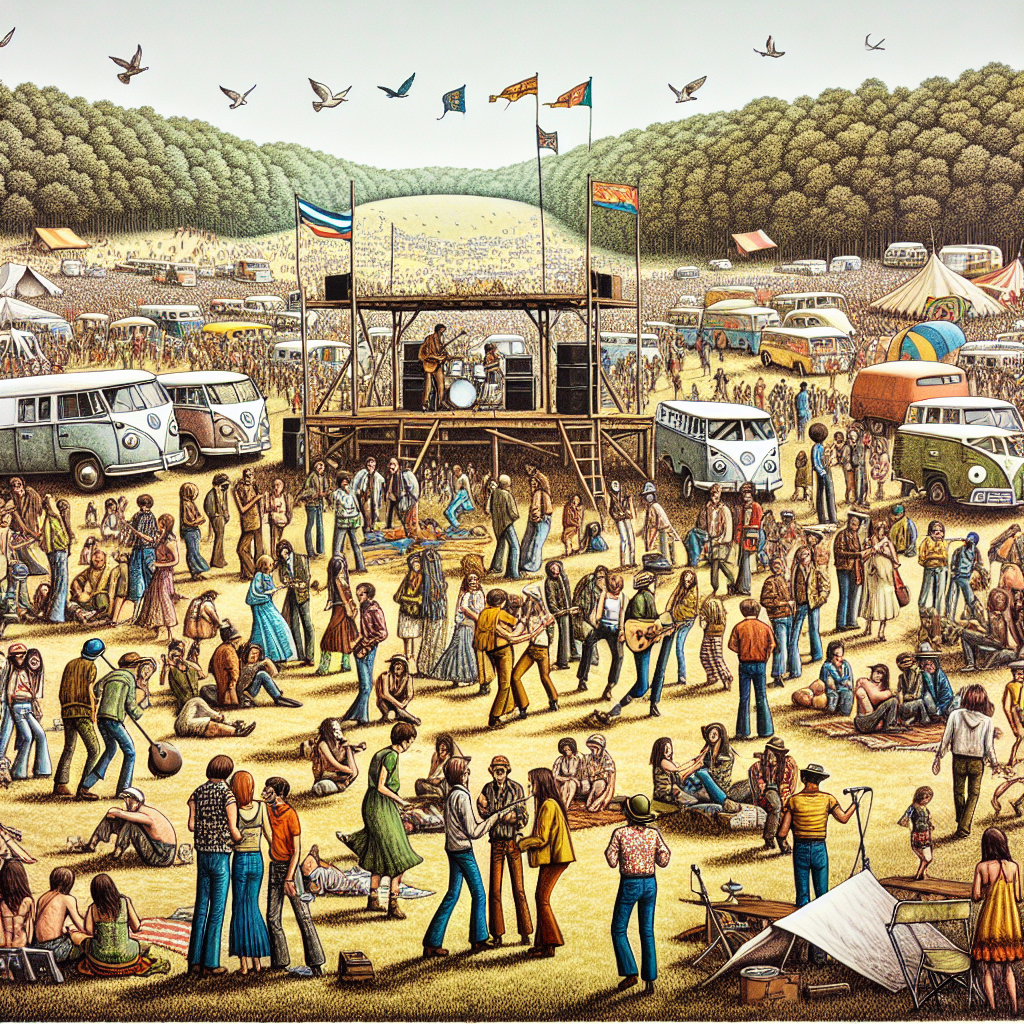
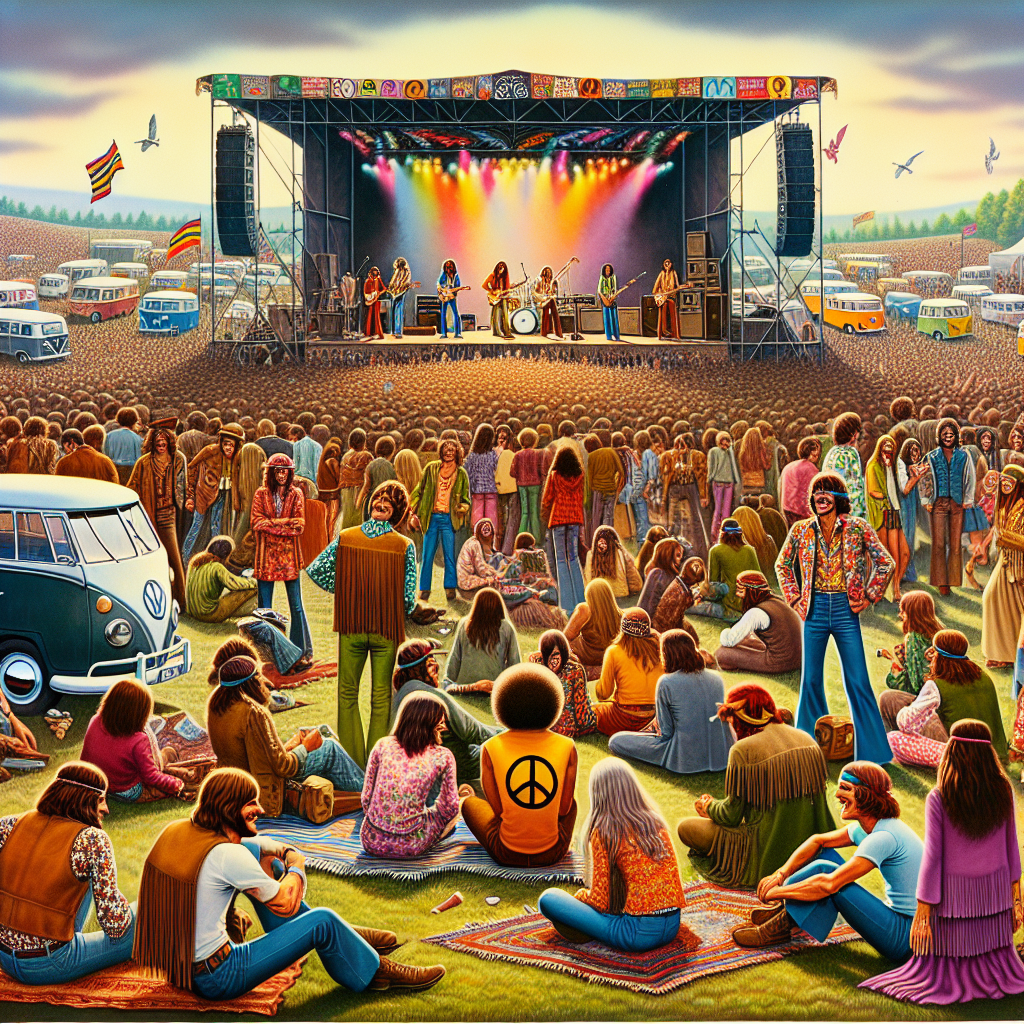
During the 1960s and 1970s, music played a significant role in shaping culture and society. From Motown to Woodstock, the influence of R&B and folk music was undeniable. These genres not only provided a soundtrack for the era but also reflected the social and political upheaval that was taking place.

Politicians often found themselves at odds with the messages in the music of this time. Artists like Marvin Gaye and Bob Dylan used their platform to speak out against injustice and advocate for change. Their lyrics resonated with a generation that was eager to challenge the status quo.

In addition to influencing politics, music also had a major impact on fashion. The style of artists like Diana Ross and Jimi Hendrix became iconic, inspiring trends that are still popular today. The vibrant colors and bold patterns of the 60s and 70s continue to influence designers around the world.

But perhaps one of the most important aspects of this musical era was its ability to enhance joint health and well-being. The soulful melodies of R&B and the introspective lyrics of folk music provided comfort and solace during turbulent times. Listening to these genres can have a calming effect on the mind, body, and soul.

If you’re looking to explore this transformative period in music history, consider checking out our sponsor’s specially formulated supplement. This product is designed to enhance joint health and well-being, allowing you to experience all the benefits of R&B and folk music in a new way. Click here to learn more!

Overall, it’s clear that the influence of R&B and folk music in the 60s and 70s was profound. These genres not only shaped culture but also provided a sense of unity during tumultuous times. By embracing this musical heritage, we can tap into its positive energy and outlook, helping us navigate our own challenges with grace.

The Influence of Motown on Music in the 60’s and 70’s

During the 1960s and 1970s, Motown music had a significant influence on both the music industry and popular culture. The sound of Motown, characterized by its catchy melodies, soulful vocals, and rhythmic beats, captivated audiences around the world and helped to shape the musical landscape of the time.

Not only did Motown artists like The Supremes, Marvin Gaye, and Stevie Wonder dominate the charts during this era, but they also played a crucial role in breaking down racial barriers in the music industry. Motown’s success paved the way for other African American artists to achieve mainstream success and helped to promote diversity and inclusion in popular music.

In addition to its impact on music, Motown also influenced fashion trends of the time. The sleek suits worn by male artists like The Temptations and The Four Tops became synonymous with sophistication and style, while female artists like Diana Ross set new standards for glamour and elegance.

Politicians also took notice of Motown’s cultural significance. In fact, many politicians used Motown songs as campaign anthems or incorporated them into their events to appeal to a wider audience. This further solidified Motown’s place as a cultural touchstone that transcended musical boundaries.

Overall, it is clear that Motown’s influence on music in the 60s and 70s was profound. Its impact can still be felt today in the continued popularity of its timeless hits and its lasting legacy as a trailblazer in the music industry.

Enhance joint health and well-being by exploring this specially formulated supplement through our sponsor’s link!

Iconic Songs of the 50’s, 60’s, and 70’s: A Trip Down Memory Lane

Music has always been a powerful force that shapes culture and influences society. The iconic songs of the 50’s, 60’s, and 70’s have left an indelible mark on our collective memory, serving as a soundtrack to the social upheavals and cultural revolutions of their time.

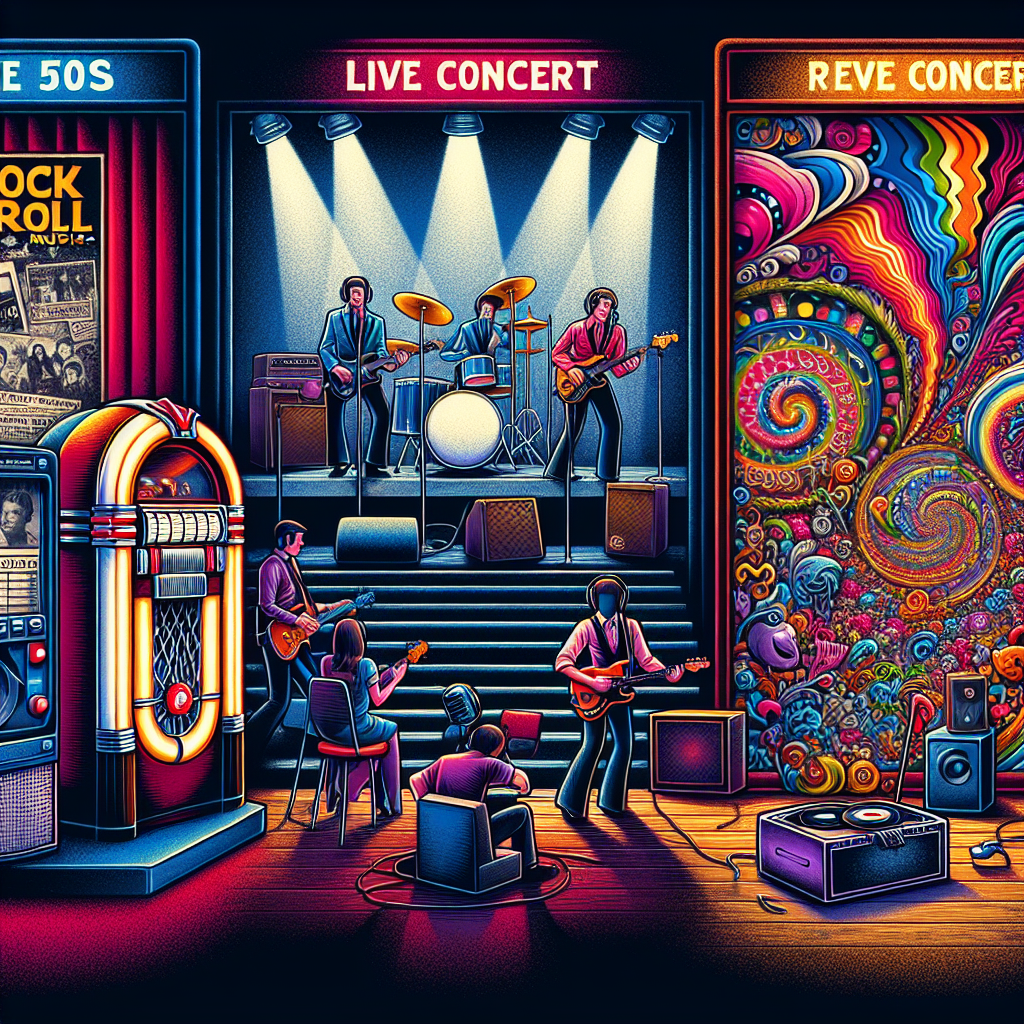
During these decades, music not only reflected the changing times but also played a crucial role in shaping them. From the rock ‘n’ roll rebellion of the 50’s to the psychedelic sounds of the 60’s and the disco fever of the 70’s, each era had its own unique sound that captured the spirit of its generation.

Politicians like John F. Kennedy and Martin Luther King Jr. were able to connect with young people through music, using it as a tool to inspire change and promote unity. Fashion also played a significant role during this time, with artists like The Beatles and Jimi Hendrix influencing trends with their bold style choices.

As we look back on these iconic songs, we can’t help but feel nostalgic for a simpler time when music was more than just entertainment – it was a way of life. That’s why it’s important to preserve these classic tunes for future generations to enjoy.

If you’re looking to enhance your joint health and well-being, consider exploring this specially formulated supplement through our sponsor’s link here. With its unique blend of ingredients, this supplement can help support your overall health and vitality.

Let’s celebrate the music of the past and embrace a positive outlook for the future. By immersing ourselves in these timeless tunes, we can find joy, inspiration, and connection in a world that is constantly changing.

The Evolution of Rock and Roll: A Look Back at the Music of the 50’s, 60’s, and 70’s

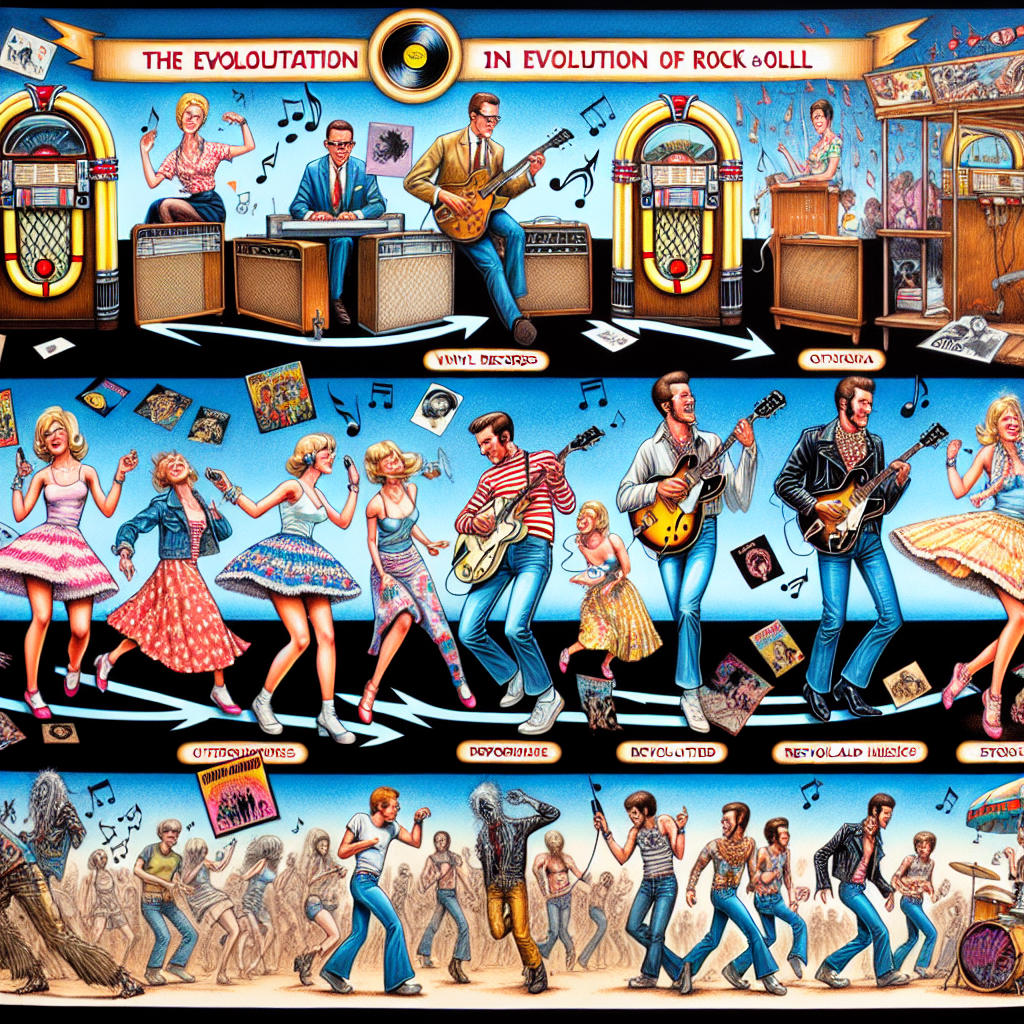
Rock and roll music has been a defining element of American culture for decades, shaping the way we think, dress, and even vote. From the rebellious tunes of the 1950s to the psychedelic sounds of the 1960s and the hard-hitting anthems of the 1970s, rock and roll has always been at the forefront of cultural evolution.

During the 1950s, rock and roll emerged as a powerful force in music, challenging traditional norms and inspiring a generation to break free from societal constraints. Artists like Elvis Presley and Chuck Berry brought a new energy to the airwaves, captivating audiences with their raw talent and infectious rhythms.

As the 1960s rolled around, rock and roll took on a more experimental tone, with bands like The Beatles and The Rolling Stones pushing boundaries both musically and culturally. Their music became a soundtrack for social change, inspiring protests against war and calls for civil rights.

By the time the 1970s arrived, rock had solidified its place as a dominant force in popular culture. Bands like Led Zeppelin and Pink Floyd created epic masterpieces that pushed the limits of what was possible in music. Politicians even began using rock songs in their campaigns to appeal to younger voters.

But it wasn’t just about the music – fashion also played a major role in shaping rock culture. From leather jackets and greased hair in the 50s to bell-bottom jeans and tie-dye shirts in the 60s and platform shoes in the 70s, rock stars have always been trendsetters when it comes to style.

As we look back on the evolution of rock and roll, it’s clear that this genre has had a lasting impact on our society. Its influence can be seen not just in music, but also in fashion, politics, and even our attitudes towards social issues.

If you’re looking to enhance your joint health and well-being so you can keep rocking out for years to come, consider exploring this specially formulated supplement through our sponsor’s link: Click here.

Let’s celebrate the power of music to bring people together and inspire positive change!

Soulful Sounds: The Rise of R&B and Funk in the 70’s

The 1970s was a decade of cultural and musical revolution, with the rise of R&B and Funk music playing a significant role in shaping the era. The soulful sounds of artists like Marvin Gaye, Stevie Wonder, and Earth, Wind & Fire dominated the airwaves, bringing a new energy and groove to the music scene.

Music has always been deeply intertwined with culture, and in the 70s, R&B and Funk became the soundtrack to a generation. These genres were not just about catchy melodies and danceable rhythms – they were also about expressing social and political messages. Artists used their platform to address issues like civil rights, poverty, and inequality, making their music not just entertainment but also a form of activism.

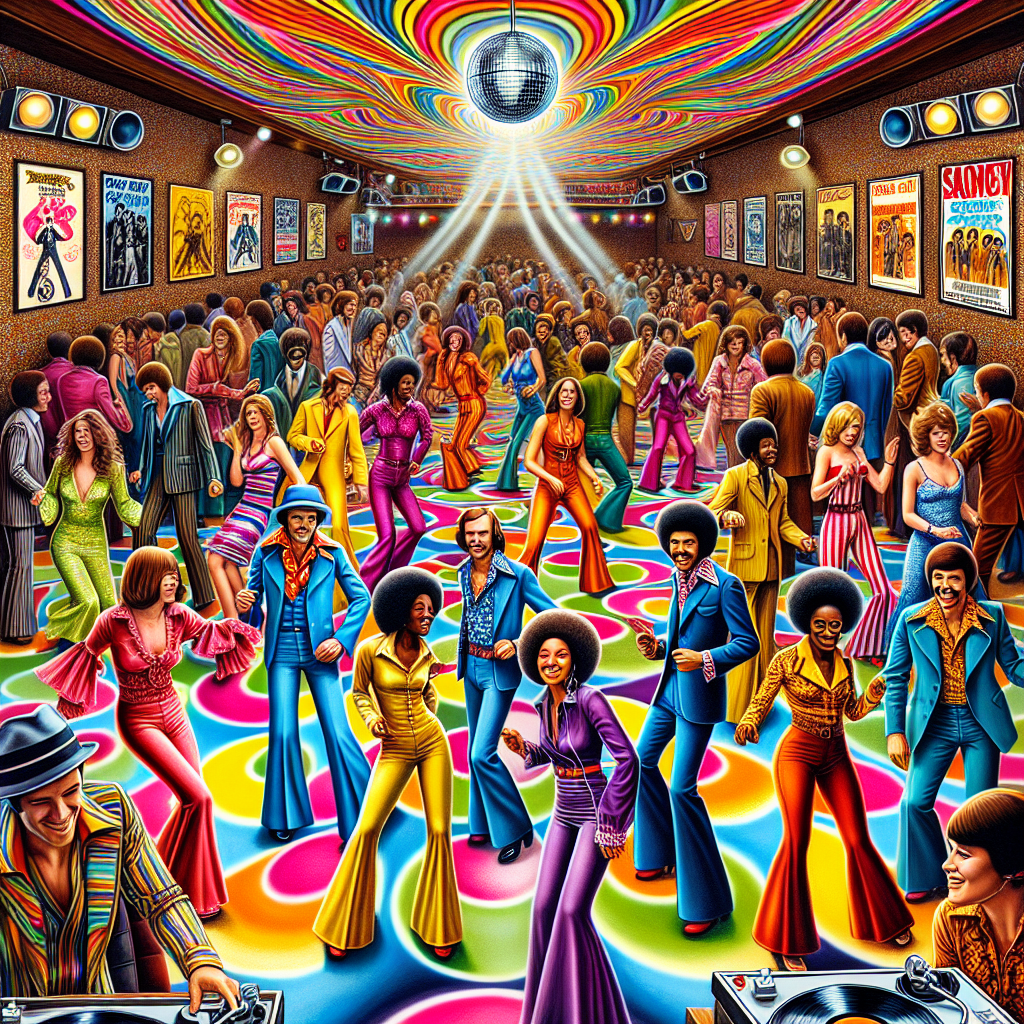
Politicians recognized the power of music in connecting with voters, using R&B and Funk songs in their campaigns to appeal to a younger audience. The fashion of the time also reflected this cultural shift, with bold colors, bell-bottom pants, and afros becoming iconic symbols of the era.

But beyond its cultural impact, R&B and Funk music also had a positive effect on people’s well-being. The infectious beats and uplifting lyrics helped enhance joint health by getting people up and moving on the dance floor. This combination of physical activity and emotional connection made for a truly holistic experience.

If you want to tap into the soulful sounds of the 70s and enhance your own well-being through music, consider exploring this specially formulated supplement that can help support joint health. Click here to learn more about our sponsor’s product.

The Evolution of Rock ‘n’ Roll: A Look Back at the Music of the 50’s, 60’s, and 70’s

Rock ‘n’ Roll has always been a powerful force in shaping culture and music throughout the decades. From the rebellious sounds of the 1950s to the psychedelic tunes of the 60s and the glam rock of the 70s, this genre has continuously evolved and influenced generations of musicians and fans.

During the 1950s, rock ‘n’ roll emerged as a new form of music that challenged traditional norms and values. Artists like Elvis Presley and Chuck Berry brought a fresh sound that resonated with young people all over the world. The music was seen as a symbol of rebellion against authority, with politicians even going as far as denouncing it for its supposed negative influence on youth culture.

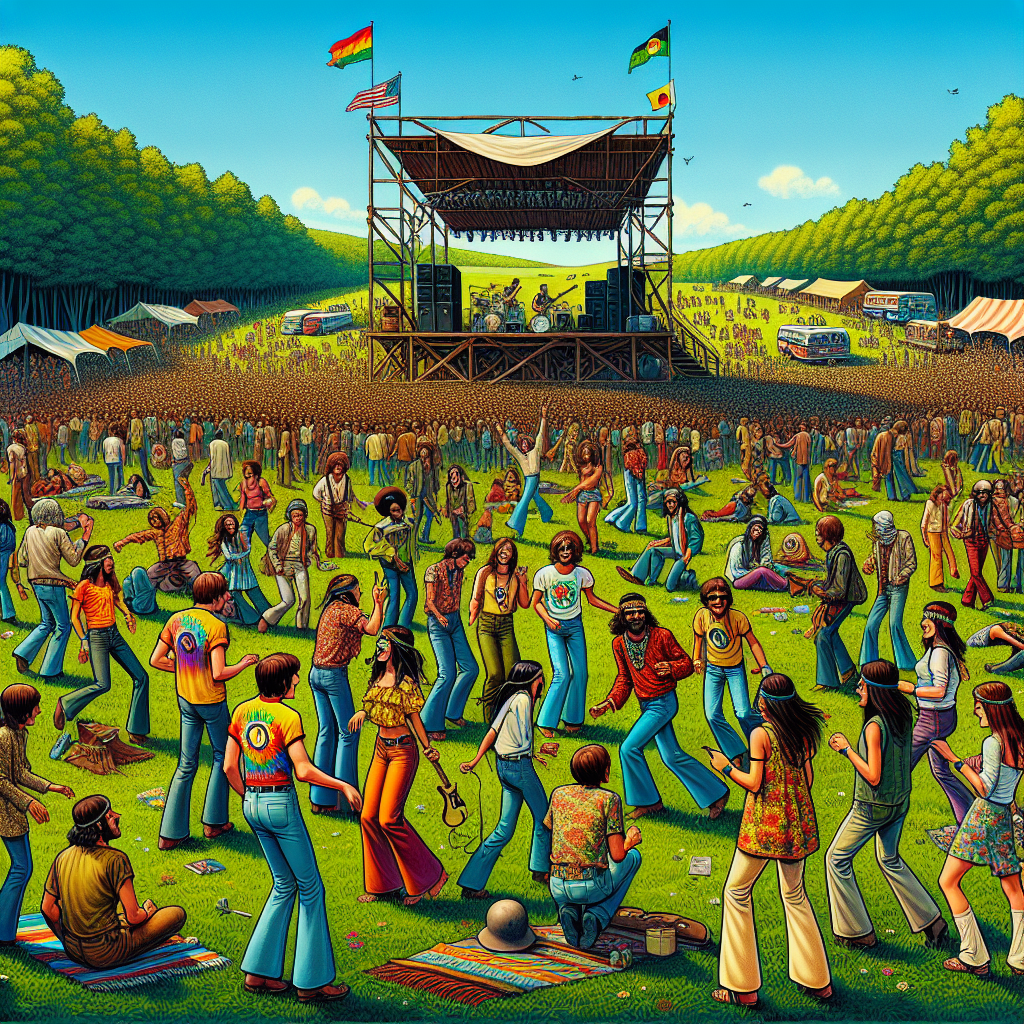
As the 60s rolled around, rock ‘n’ roll took on a more experimental tone with bands like The Beatles and The Rolling Stones pushing boundaries both musically and socially. The music became intertwined with the counterculture movement, advocating for peace, love, and equality. Fashion also played a significant role during this time, with tie-dye shirts and bell-bottom jeans becoming iconic symbols of the era.

By the 1970s, rock ‘n’ roll had evolved once again into various subgenres like punk rock and disco. Bands like Led Zeppelin and Queen dominated the airwaves with their electrifying performances and larger-than-life personas. The fashion of this decade was bold and extravagant, reflecting the flamboyant nature of the music.

Today, we can still see traces of rock ‘n’ roll’s influence in modern music and culture. While styles may have changed over time, the spirit of rebellion and individuality that defined this genre remains strong.

If you’re looking to enhance your joint health and well-being so you can keep rocking out for years to come, consider exploring this specially formulated supplement through our sponsor’s link here.

Let’s celebrate the evolution of rock ‘n’ roll with a positive outlook on how it has shaped our lives for the better!

From Aretha Franklin to Janis Joplin: Celebrating Women in Music from the 60’s and

When we think of the 1960s, many iconic images come to mind – from the civil rights movement to the rise of counterculture and the music that defined a generation. One aspect of this era that often goes overlooked is the incredible contributions of women in music.

From Aretha Franklin’s powerful voice to Janis Joplin’s raw energy, these women paved the way for future generations of female musicians. Their impact on both music and culture cannot be overstated, as they challenged societal norms and broke down barriers in a male-dominated industry.

Not only did these women make waves in the music world, but they also influenced fashion trends and inspired politicians to take action on important social issues. Their influence can still be felt today, as their songs continue to resonate with audiences around the world.

As we celebrate the legacy of these trailblazing women, it’s important to remember the importance of self-care and well-being. One way to enhance joint health and overall wellness is by exploring specially formulated supplements like this one, which our sponsor offers.

By taking care of ourselves, we can continue to honor the legacy of these incredible women and ensure that their impact is never forgotten. Let’s celebrate their contributions and continue to support female artists in all aspects of the music industry.

The Rise of Psychedelic Rock in the 60’s and its Legacy in Music Today

The 1960s was a time of great cultural change and experimentation, and one of the most influential movements to emerge from this era was psychedelic rock. This genre of music, characterized by its use of hallucinogenic drugs, surreal lyrics, and mind-altering sound effects, captivated audiences around the world and left a lasting impact on the music industry.

Psychedelic rock bands like The Beatles, The Doors, and Pink Floyd pushed the boundaries of traditional rock music and paved the way for future generations of musicians to explore new sounds and ideas. Their music was often accompanied by vibrant visuals and elaborate stage shows that created a truly immersive experience for their fans.

But psychedelic rock wasn’t just about the music – it was also a reflection of the counterculture movement that was sweeping across America at the time. Politicians were quick to condemn this new form of expression, seeing it as a threat to traditional values and societal norms. However, for many young people, psychedelic rock represented a sense of freedom and rebellion against the status quo.

From tie-dye shirts to bell-bottom pants, fashion in the 60s also embraced the psychedelic aesthetic. Bright colors, bold patterns, and flowing fabrics became synonymous with the hippie movement, as people sought to express themselves through their clothing.

Today, the legacy of psychedelic rock can still be seen in modern music. Bands like Tame Impala and MGMT draw inspiration from the genre’s experimental roots, creating music that pushes boundaries and challenges conventions. The influence of psychedelic rock can also be heard in electronic music genres like trance and ambient, which use similar techniques to create immersive sonic experiences.

As we continue to explore new ways to enhance joint health and well-being through supplements like this specially formulated supplement, it’s important to remember the positive impact that music can have on our lives. Psychedelic rock may have been born out of a desire for escape and transcendence, but its legacy lives on in the ways we continue to push boundaries and seek out new experiences through art and culture.

From Elvis to The Beatles: Iconic Artists of the 50’s, 60’s, and 70’s

The 50’s, 60’s, and 70’s were a pivotal time in music history. Iconic artists like Elvis Presley and The Beatles emerged during this era, shaping the culture and influencing generations to come. Their music transcended boundaries and brought people together, regardless of background or beliefs.

During this time, politicians also played a role in shaping the culture of the era. From civil rights movements to anti-war protests, music became a powerful tool for expressing dissent and promoting change. Artists like Bob Dylan and Joni Mitchell used their platform to address social issues and inspire action.

Fashion was another important aspect of the 50’s, 60’s, and 70’s culture. From poodle skirts to bell-bottoms, clothing styles evolved with the music scene. Icons like Twiggy and David Bowie pushed boundaries with their bold fashion choices, inspiring others to express themselves through clothing.

In addition to music and fashion, joint health is essential for overall well-being. Our sponsor has developed a specially formulated supplement that can enhance joint health and improve overall quality of life. Through their link here, you can explore this supplement further and discover how it can benefit you.

Overall, the music of the 50’s, 60’s, and 70’s had a lasting impact on culture and society. It brought people together, inspired change, and created memories that will last a lifetime. Let’s celebrate these iconic artists and continue to spread positivity through their timeless music.

From Elvis to The Beatles: Icons of the 50’s and 60’s Music Scene

When we think of the 1950s and 1960s, two names immediately come to mind: Elvis Presley and The Beatles. These iconic musicians not only shaped the music scene of their time but also influenced culture, fashion, and even politics.

Elvis Presley, also known as the King of Rock ‘n’ Roll, revolutionized music with his unique sound and charismatic performances. His influence can still be felt today in the countless artists who cite him as a major inspiration. The Beatles, on the other hand, brought a new level of creativity and experimentation to the world of music. Their innovative approach to songwriting and recording techniques set them apart from their peers.

But it wasn’t just their music that made Elvis and The Beatles cultural icons. They also had a significant impact on fashion trends of the time. From Elvis’s signature jumpsuits to The Beatles’ mod-inspired suits, their style choices continue to influence designers and fashionistas alike.

Even politicians took notice of the power these musicians held over their fans. Both Elvis and The Beatles were invited to meet with world leaders, including President Richard Nixon and Queen Elizabeth II. Their ability to connect with people through music transcended boundaries and brought people together in ways that were previously unimaginable.

As we look back on the legacy of Elvis Presley and The Beatles, it’s clear that their impact goes far beyond just music. They helped shape an entire generation and continue to inspire people around the world today.

If you’re looking to enhance your joint health and well-being, consider exploring this specially formulated supplement through our sponsor’s link here. With a positive outlook inspired by these musical legends, you can take steps towards improving your overall health and happiness.