Iconic Artists of the Decades: Remembering the Legends of the 50’s, 60’s and 70’s

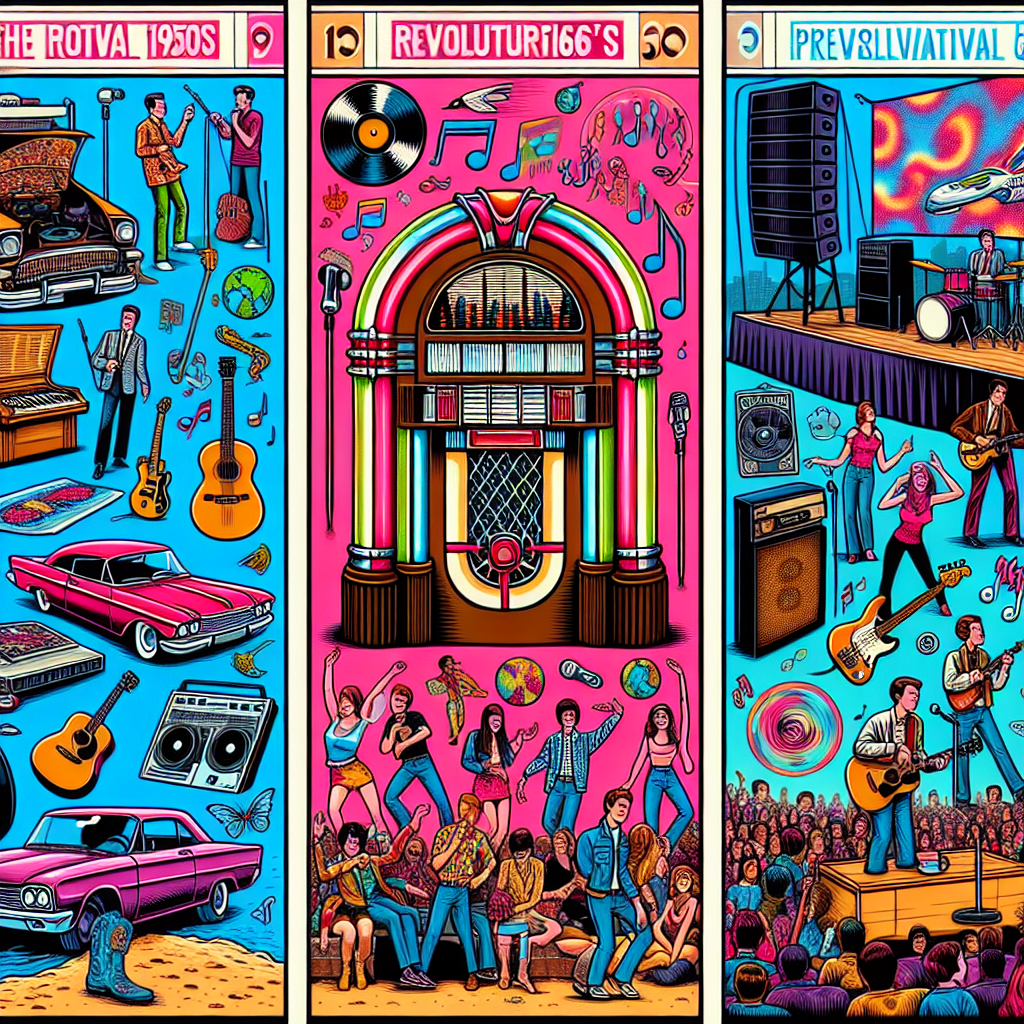
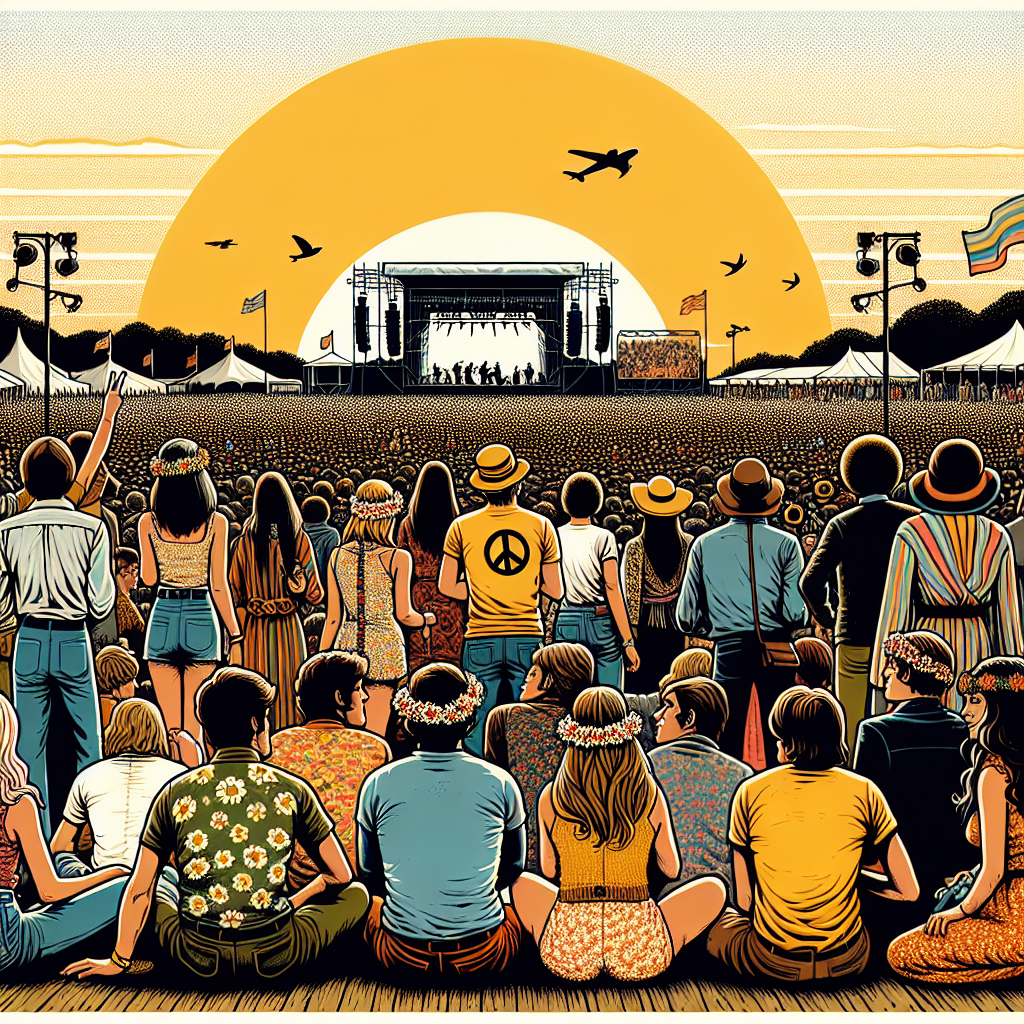
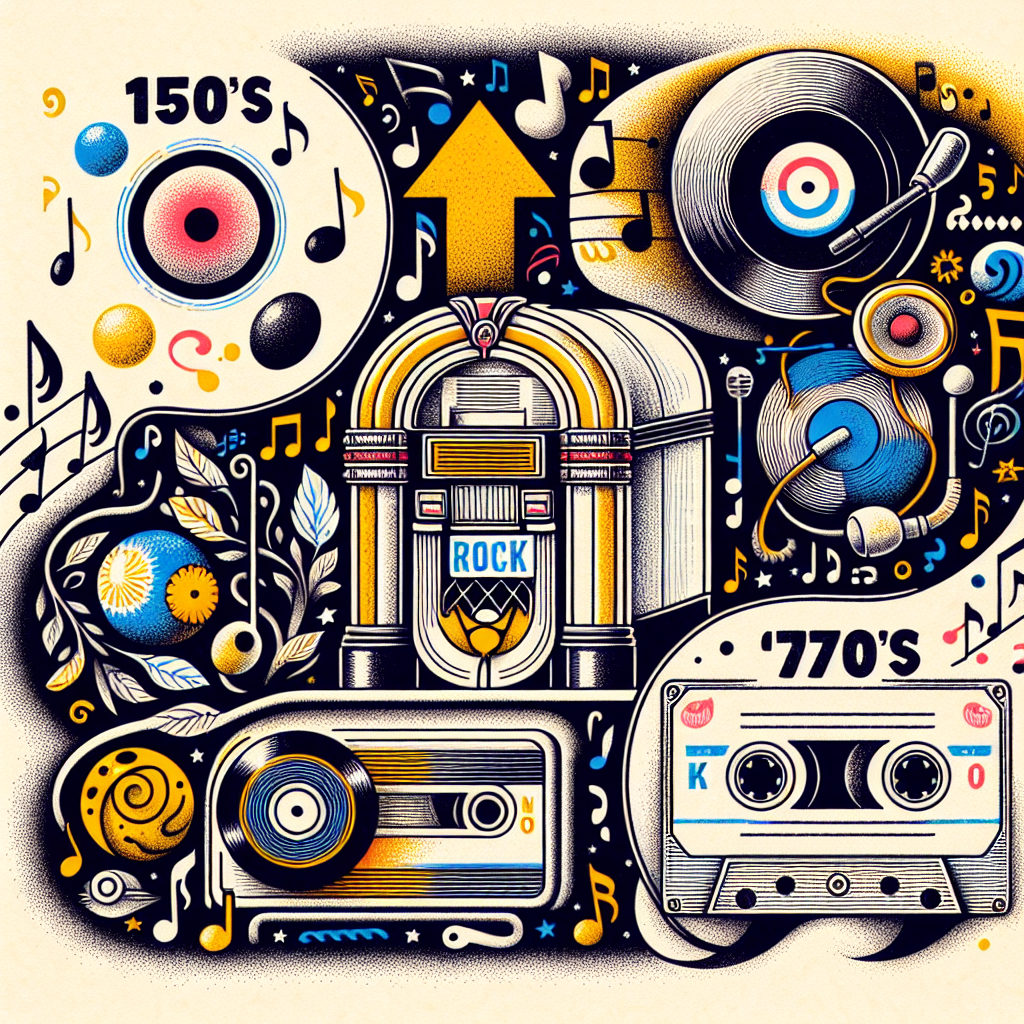
As we look back on the iconic artists of the past few decades, it’s impossible not to be in awe of the incredible talent and creativity that shaped the music, culture, and fashion of the 50’s, 60’s, and 70’s. These were truly revolutionary times, when musicians were not just entertainers but also cultural icons who pushed boundaries and challenged societal norms. Let’s take a trip down memory lane and remember some of the legends who defined these decades.

1950’s

The 1950’s were a time of great change in America. The post-war era brought about a new sense of optimism and prosperity, which was reflected in the music of the time. Artists like Elvis Presley, Chuck Berry, and Little Richard revolutionized popular music with their unique blend of rock ‘n’ roll, rhythm and blues, and country. Their energetic performances and catchy tunes captured the hearts of millions around the world.

1960’s

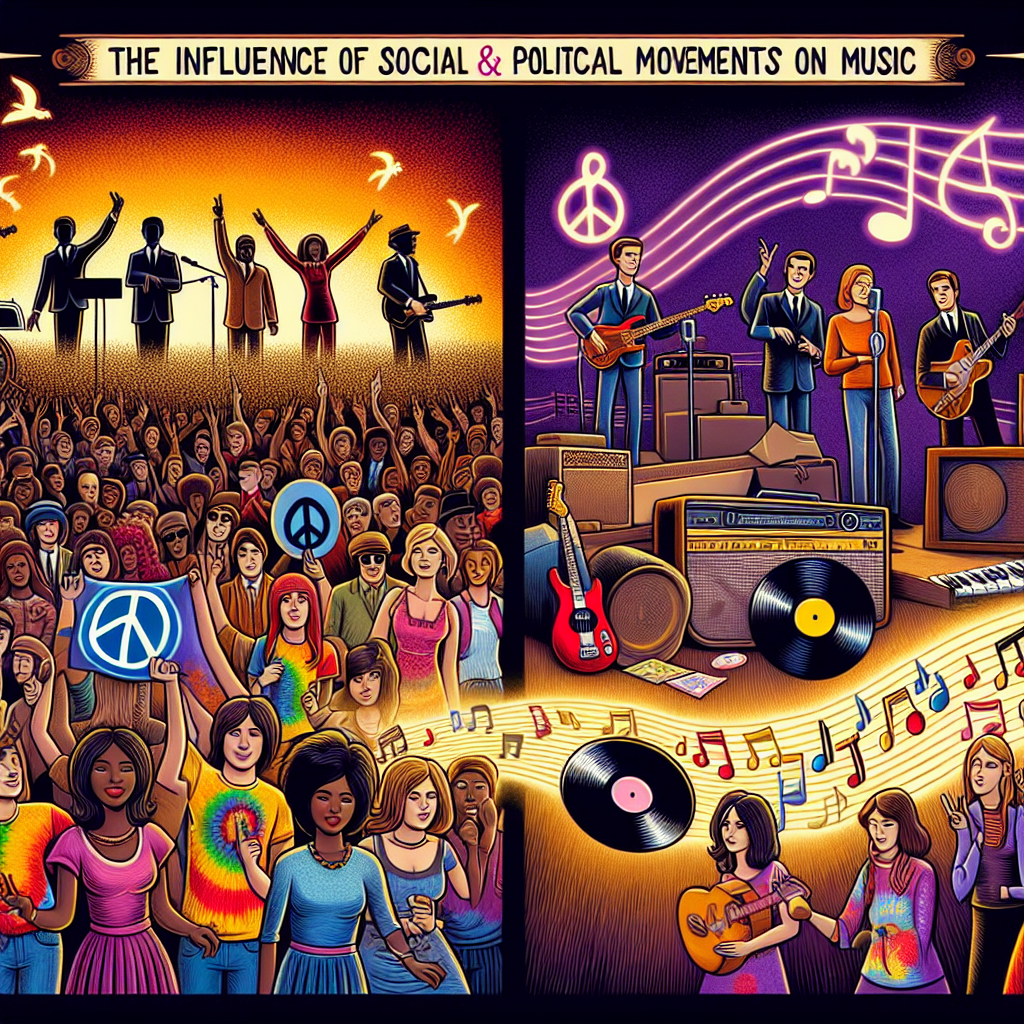
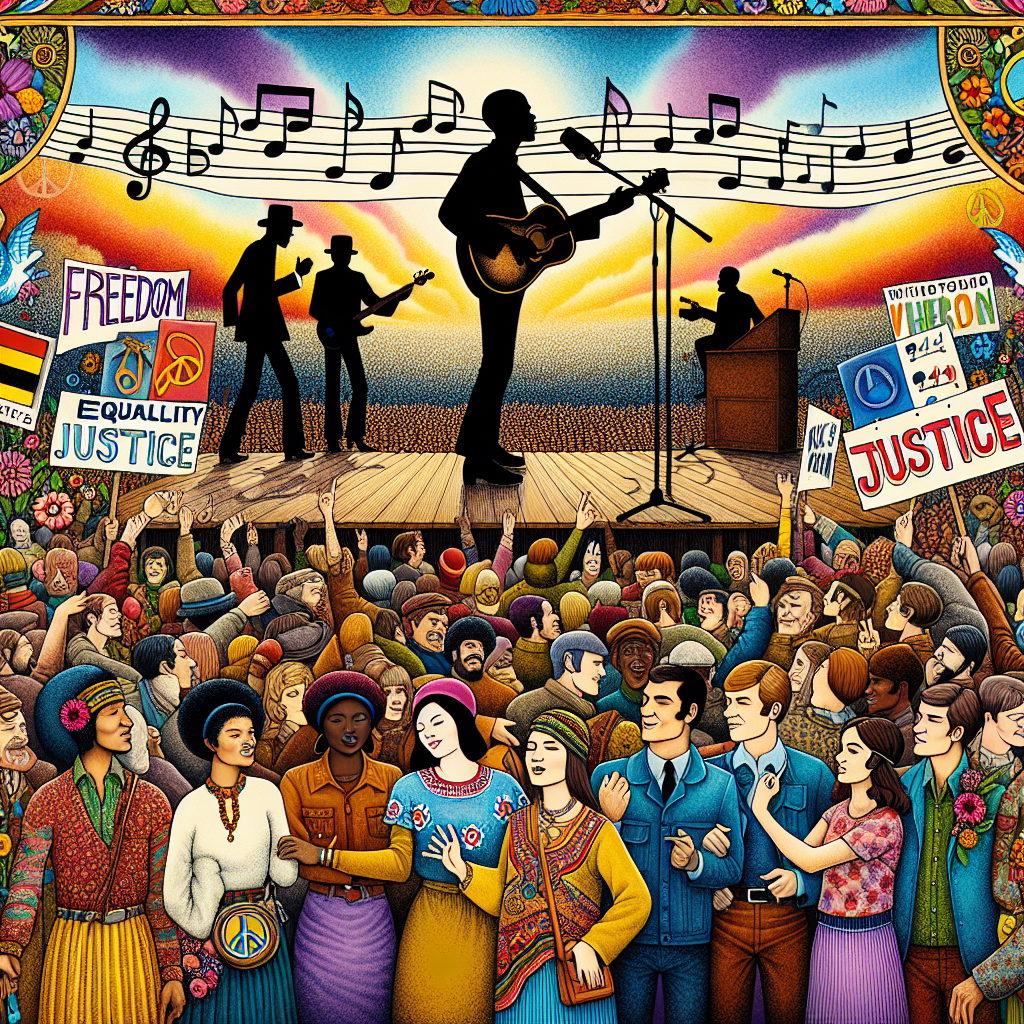
The 1960’s were a decade of social and political upheaval, with artists using their music as a platform for activism and protest. Bands like The Beatles, The Rolling Stones, and Bob Dylan wrote songs that spoke to the struggles of their generation, from civil rights to anti-war movements. Their influence extended beyond music into fashion and culture, shaping the counterculture movement that defined the era.

1970’s

The 1970’s saw a diversification of musical styles, with genres like disco, punk rock, and funk gaining popularity. Artists like David Bowie, Led Zeppelin, and Donna Summer pushed boundaries with their experimental soundscapes and bold fashion choices. Politicians like Richard Nixon may have dominated headlines during this time period but it was musicians who truly captured the spirit of the decade.

Overall, these iconic artists of the 50’s, 60’s ,and 70s left an indelible mark on our culture that continues to resonate today. Their music transcended borders and connected people from all walks of life. They challenged us to think differently about society while pushing us to embrace new technologies that would forever change how we consume music.

The Top Hits of the 50’s, 60’s, and 70’s: A Nostalgic Trip Down Memory Lane

Do you ever find yourself longing for the good old days of music, culture, and fashion? Take a trip down memory lane with the top hits of the 50’s, 60’s, and 70’s. These decades were filled with iconic songs that have stood the test of time and continue to be beloved by people of all ages.

Music in the 50’s was dominated by rock and roll legends like Elvis Presley, Chuck Berry, and Buddy Holly. Their catchy tunes and energetic performances captured the hearts of millions around the world. The 60’s saw the rise of bands like The Beatles, The Rolling Stones, and The Beach Boys who revolutionized the music scene with their innovative sound and style. And in the 70’s, artists like Elton John, Queen, and ABBA took over the airwaves with their infectious melodies and unforgettable lyrics.

But it wasn’t just about the music – these decades were also defined by their unique cultures. The 50’s were a time of post-war optimism and prosperity, where Americans embraced new technologies like television and rock ‘n’ roll. In the 60’s, a spirit of rebellion swept across the country as young people protested against war and social injustice. And in the 70’s, disco fever took hold as people flocked to dance clubs to groove to funky beats.

Politicians played a significant role in shaping these eras as well. In the 50’s, President Dwight D. Eisenhower led America through a period of economic growth and stability. The 60’s were marked by President John F. Kennedy’s charisma and vision for a better future. And in the 70’s, President Richard Nixon faced impeachment over his involvement in the Watergate scandal.

Fashion also played a crucial role in defining each decade. In the 50’s, poodle skirts and leather jackets were all the rage. The swinging sixties brought mini skirts, bell bottoms, and psychedelic prints into vogue. And in the disco era of the 70’s, platform shoes, polyester suits, and glittery dresses reigned supreme.

Technology advanced rapidly during these decades as well. Inventions like color television sets, transistor radios, cassette tapes, vinyl records, and early computers revolutionized how people consumed music and entertainment.

Overall, looking back at these three decades is a nostalgic journey filled with fond memories of great music, cultural movements that shaped society for years to come,, influential politicians who made history,, fabulous fashion trends,,and groundbreaking technology that changed our lives forever.. So why not dust off those old records or fire up your favorite streaming service to take a trip down memory lane with some classic hits from yesteryear?

The Evolution of Rock ‘n’ Roll: A Look Back at the Music of the 50’s, 60’s, and 70’s

Rock ‘n’ roll music has been a key part of American culture for decades, influencing not only the music industry but also fashion, technology, and even politics. The evolution of rock ‘n’ roll from the 1950s to the 1970s is a fascinating journey that showcases how this genre has shaped and been shaped by society.

In the 1950s, rock ‘n’ roll emerged as a rebellious form of music that challenged traditional norms and values. Artists like Elvis Presley and Chuck Berry brought a new energy and style to the music scene, captivating audiences with their raw talent and charisma. This era saw the rise of teenage culture, with young people embracing rock ‘n’ roll as a way to express themselves and rebel against authority.

As we moved into the 1960s, rock ‘n’ roll continued to evolve, with bands like The Beatles and The Rolling Stones pushing boundaries and experimenting with new sounds. This era was marked by social change and political upheaval, with musicians using their platform to speak out against war, racism, and injustice. Rock ‘n’ roll became more than just music – it became a voice for a generation fighting for change.

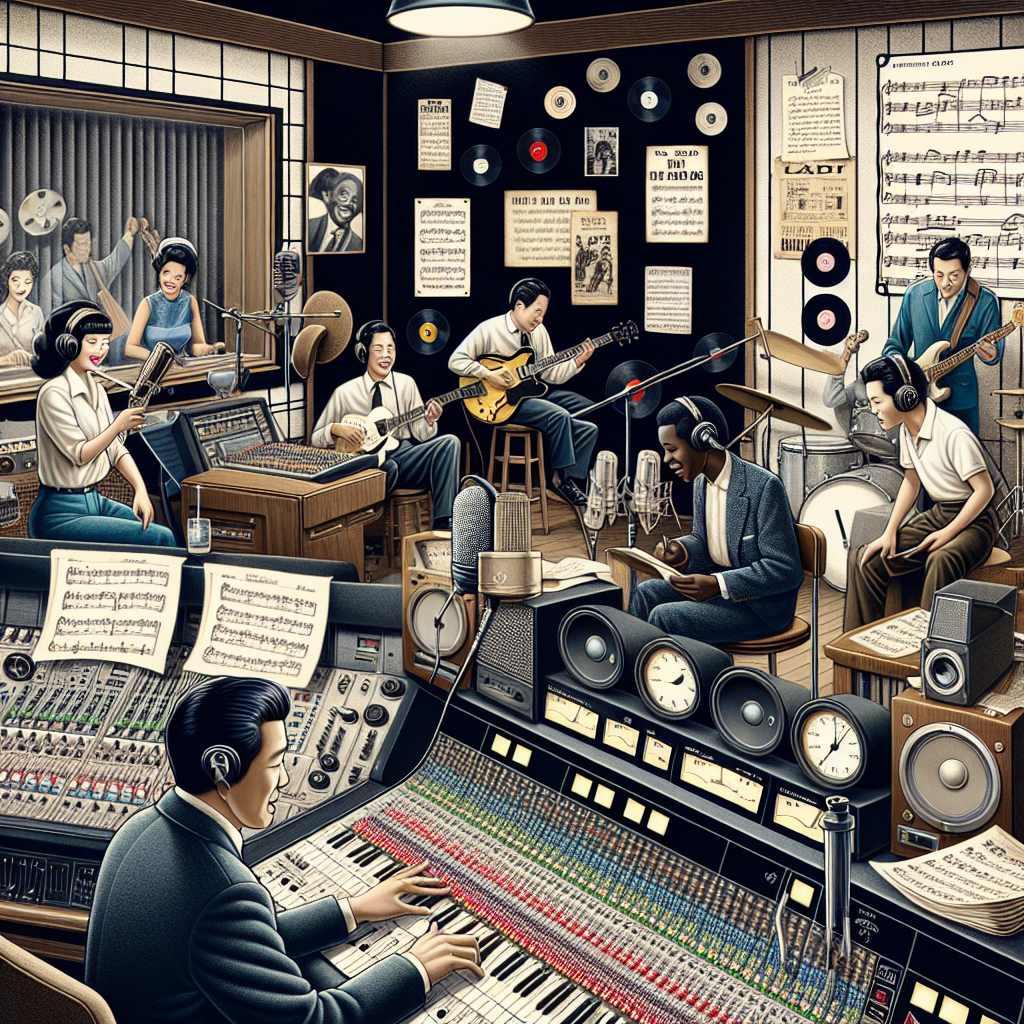
By the 1970s, rock ‘n’ roll had become mainstream, with bands like Led Zeppelin and Pink Floyd dominating the charts. Technology played a significant role in shaping the sound of this era, with advancements in recording equipment allowing musicians to create more complex and layered tracks. Fashion also played a big part in defining the look of rock ‘n’ roll, with artists like David Bowie pushing boundaries with their bold styles.

Looking back at the evolution of rock ‘n’ roll from the 1950s to the 1970s is a reminder of how powerful music can be in shaping culture and society. Politicians may have tried to censor or control it at times, but rock ‘n’ roll always found a way to break through barriers and connect with audiences on a deep level.

Today, we can still see echoes of these past eras in modern music and culture. Rock ‘n’ roll may have evolved over time, but its spirit lives on in artists who continue to push boundaries and challenge conventions. As we look back on this rich history of music, let’s celebrate how far we’ve come – and look forward to where rock ‘n’ roll will take us next.

The British Invasion: How Bands from the UK Dominated the Charts in the 1960s

The 1960s were a transformative decade in many ways, but one of the most significant cultural phenomena to emerge during this time was The British Invasion. This period saw a wave of British bands dominating the music charts in the United States and around the world, influencing not just music, but also fashion, technology, and even politics.

At the forefront of The British Invasion were iconic bands such as The Beatles, The Rolling Stones, The Who, and The Kinks. These bands revolutionized the music industry with their catchy melodies, innovative songwriting techniques, and electrifying live performances. Their influence can still be felt today in modern music.

But it wasn’t just about the music – The British Invasion also had a profound impact on culture at large. British fashion became synonymous with coolness and sophistication, with trends such as mod style and Carnaby Street chic taking over runways and street corners alike. Technology also played a role in shaping this era, with advancements in recording equipment allowing for more experimental sounds and production techniques.

Even politicians couldn’t ignore the influence of The British Invasion. In fact, both President Kennedy and President Johnson invited The Beatles to perform at the White House during their respective terms. This gesture solidified the band’s status as cultural icons and helped bridge the gap between American and British youth cultures.

Overall, The British Invasion was a time of excitement, creativity, and innovation in the world of music. It brought people together across borders and inspired generations of musicians to come. So next time you find yourself humming along to a Beatles tune or rocking out to The Rolling Stones, remember that you’re part of a legacy that stretches back to the swinging sixties.

The British Invasion: How British Bands Dominated the Charts in the 60’s

During the 1960s, a musical phenomenon known as the British Invasion took the world by storm. British bands dominated the charts with their unique sound and style, leaving a lasting impact on music, culture, fashion, and even technology.

The British Invasion was more than just a musical movement – it was a cultural revolution. Bands like The Beatles, The Rolling Stones, and The Who brought a new energy and excitement to the music scene, captivating audiences around the globe. Their catchy melodies and innovative songwriting pushed boundaries and inspired generations of musicians to come.

But it wasn’t just about the music – the British bands of the 60s also had a major influence on fashion. With their mod-inspired looks and signature hairstyles, they set trends that are still seen on runways today. Politicians even took notice of this cultural shift, using music as a way to connect with younger voters.

Technology also played a role in the success of these British bands. The advent of television allowed them to reach larger audiences than ever before, while advances in recording technology helped them create groundbreaking albums that pushed the boundaries of what was possible in music.

Overall, the British Invasion was a time of innovation and creativity that changed the face of popular music forever. It showed that music has the power to bring people together and transcend borders, creating connections that last long after the last notes have faded away.

From Elvis to The Beatles: How Music Changed in the 1960s

The 1960s was a decade of immense change and growth in many aspects of society, including music. From Elvis Presley to The Beatles, the music scene evolved in ways that had never been seen before. This evolution was not only influenced by the musicians themselves, but also by changes in culture, fashion, technology, and even politicians.

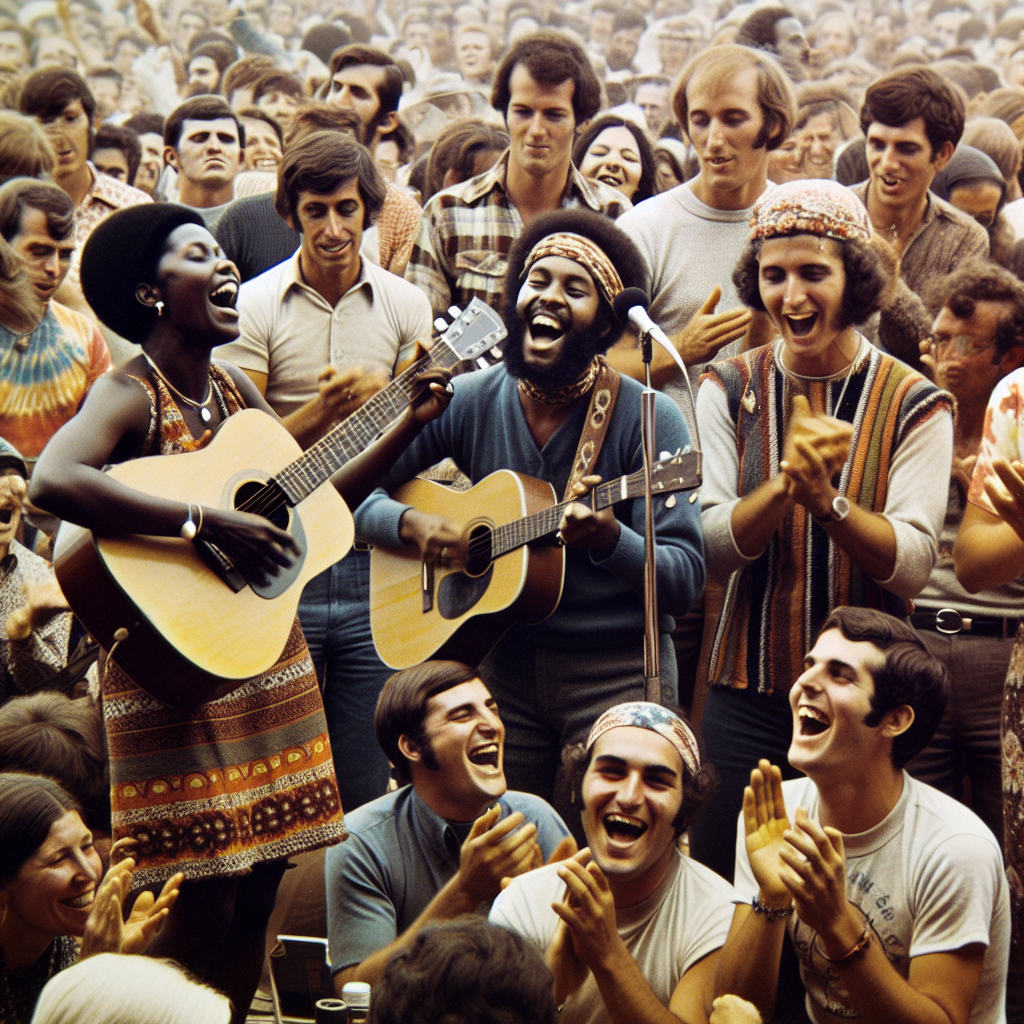
Music in the 1960s became a powerful tool for expressing social and political messages. Musicians like Bob Dylan used their platform to speak out against war and injustice, while artists like The Beatles brought people together with their catchy tunes and positive messages of love and unity. This shift in music allowed for a new level of connection between artists and their audiences, creating a sense of community that had not been felt before.

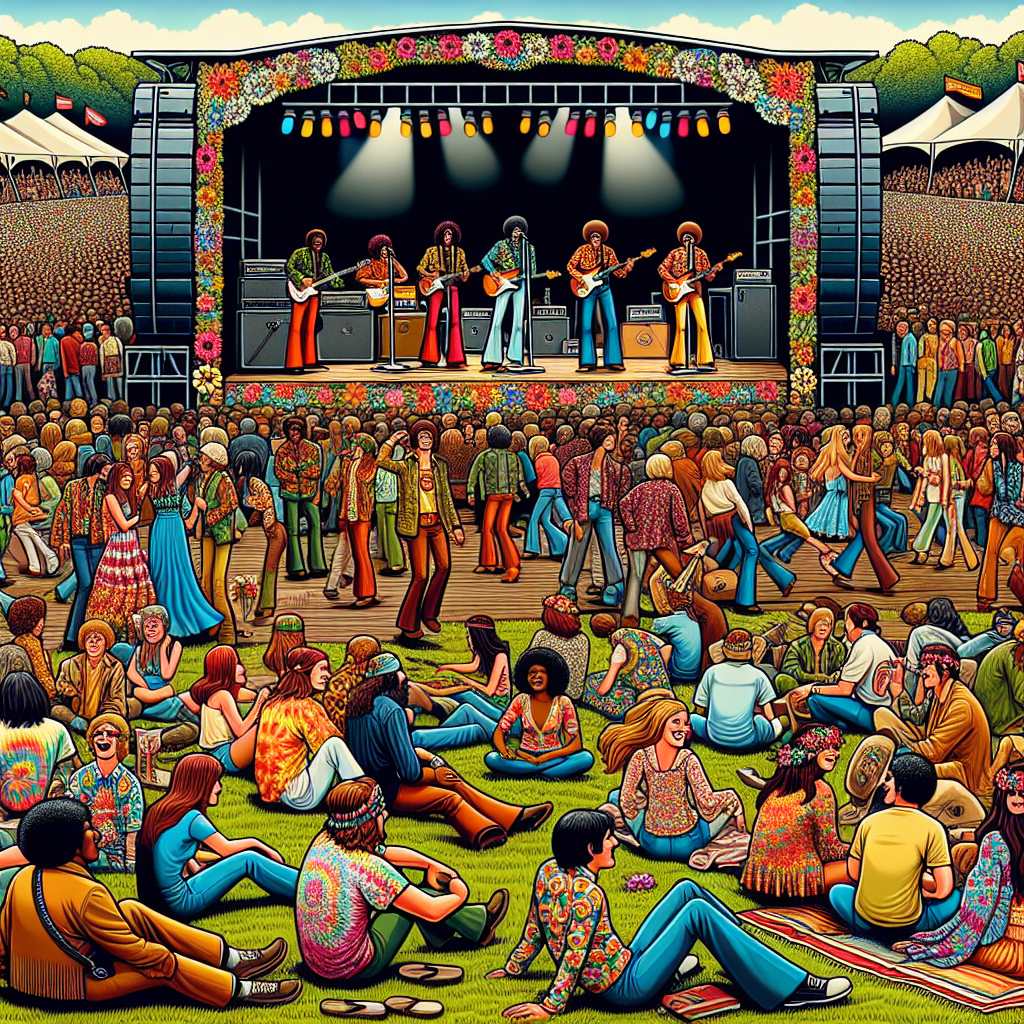
The culture of the 1960s also played a significant role in shaping the music of the decade. The rise of counterculture movements like the hippies brought about a new sense of freedom and expression that was reflected in the music being created at the time. Artists were no longer bound by traditional rules or expectations, allowing for experimentation and creativity to flourish.

Fashion also played a key role in shaping the music scene of the 1960s. Musicians like Jimi Hendrix and Janis Joplin became known not only for their musical talents but also for their bold fashion choices. Their unique styles helped to define an era and set trends that are still influential today.

Technology also played a significant role in changing music during this time. The introduction of new recording techniques allowed for more complex sounds to be created, leading to innovative new genres like psychedelic rock and electronic music. This technological advancement paved the way for future generations of musicians to continue pushing boundaries and exploring new sonic possibilities.

Overall, the changes that occurred in music during the 1960s were largely positive. They allowed for greater expression, connection, and creativity within the industry. Musicians were able to use their platform to bring about social change and unite people from all walks of life through their art. The legacy of this transformative decade can still be felt today, as its influence continues to shape modern music in profound ways.

The Influence of Motown on Music of the 60’s and 70’s

During the 1960s and 1970s, Motown played a significant role in shaping the music of that era. The influence of Motown not only impacted the music industry but also had an impact on culture, fashion, and technology.

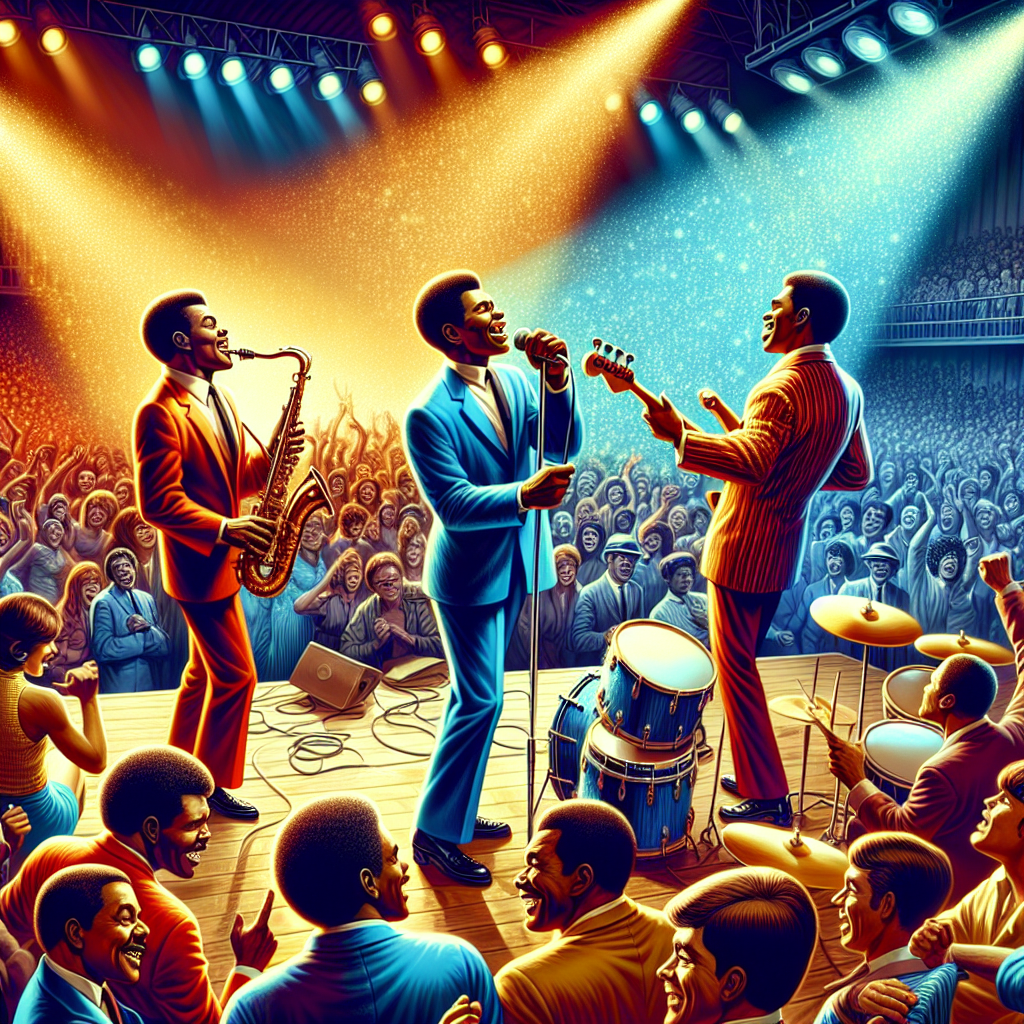
Motown’s unique sound combined elements of R&B, pop, and soul music, creating a sound that was both catchy and meaningful. Artists such as The Supremes, Marvin Gaye, and Stevie Wonder became household names thanks to their hits produced by Motown. Their music resonated with audiences across race and age demographics, making Motown one of the most influential record labels of its time.

Politicians also recognized the power of Motown’s music to bring people together. During a time of social unrest and political turmoil, Motown’s songs promoted messages of love, unity, and equality. Songs like “What’s Going On” by Marvin Gaye addressed important social issues while still being enjoyable to listen to.

In addition to its impact on music and culture, Motown also influenced fashion trends during this time period. Artists like The Supremes were known for their glamorous style and helped popularize trends such as matching sequined gowns and bouffant hairstyles.

Furthermore, Motown was at the forefront of technological advancements in the music industry. Its founder, Berry Gordy Jr., was one of the first producers to use innovative recording techniques such as overdubbing and echo chambers. These techniques helped create the distinctive sound that became synonymous with Motown records.

In conclusion, the influence of Motown on music of the 60s and 70s cannot be overstated. Its impact on culture, politics, fashion, and technology helped shape an entire generation. The legacy of Motown continues to live on today through its timeless music that continues to inspire artists across all genres.

From Doo-Wop to Disco: The Diversity of Music Styles in the 50’s, 60’s, and 70’s

Music has always been a reflection of the culture and society in which it is created. The 50’s, 60’s, and 70’s were no exception, with a diverse range of music styles emerging during these decades.

From the harmonious melodies of Doo-Wop to the energetic beats of Disco, each genre had its own unique sound that captured the hearts and minds of listeners around the world. Politicians and activists often used music as a tool to express their views and rally support for social causes.

Not only did music reflect the cultural and political climate of the time, but it also influenced fashion trends. Artists like Elvis Presley and The Beatles became style icons, inspiring fans to emulate their signature looks.

Advancements in technology also played a significant role in shaping music during this period. The introduction of electric guitars, synthesizers, and recording equipment allowed artists to experiment with new sounds and push boundaries.

Overall, the diversity of music styles in the 50’s, 60’s, and 70’s showcased the creativity and innovation of artists from around the world. It was a time of exploration and experimentation, leading to some of the most iconic songs and albums in history.

Women Who Rocked: Celebrating Female Artists in the 50’s, 60’s, and 70’s

Throughout the 1950s, 60s, and 70s, women in the music industry made significant strides in shaping culture and influencing society. These female artists not only broke boundaries in their respective genres but also paved the way for future generations of musicians. From rock ‘n’ roll to soul to folk, these women rocked the music scene with their talent and charisma.

One of the most iconic female artists of this era was Aretha Franklin. Known as the Queen of Soul, Franklin’s powerful voice and soulful melodies captivated audiences around the world. Her songs like “Respect” and “Natural Woman” became anthems for the civil rights movement and empowered women everywhere.

In addition to their musical talents, these women were also trailblazers in other aspects of culture. Many female artists from this time period used their platform to speak out on social issues and advocate for change. Artists like Joni Mitchell and Janis Joplin were known for their politically charged lyrics and fearless attitude towards challenging societal norms.

Furthermore, these women were also trendsetters in fashion, pushing boundaries with their bold style choices. From Cher’s iconic bell-bottom pantsuits to Grace Slick’s psychedelic prints, these artists used fashion as a form of self-expression and empowerment.

Despite facing challenges in a male-dominated industry, these women persevered and made a lasting impact on music history. With advancements in technology during this time period, female artists were able to reach larger audiences through radio and television broadcasts. This allowed them to connect with fans across the globe and solidify their place in music history.

As we celebrate Women Who Rocked: Celebrating Female Artists in the 50’s, 60’s, and 70’s, let us remember the incredible contributions these women made to music, culture, politics, fashion, and technology. Their legacy lives on today through their timeless songs and enduring influence on future generations of musicians.

Soul Train and Disco Fever: Exploring Dance Music Trends in the 70’s

In the 1970s, two iconic dance music trends emerged that would shape the culture of the decade and beyond: Soul Train and Disco Fever. These movements not only revolutionized music, but also influenced fashion, technology, and even politics.

Soul Train, created by Don Cornelius in 1971, quickly became a cultural phenomenon. The show featured performances by some of the biggest names in soul and R&B music, as well as showcasing the latest dance moves and styles. Soul Train not only brought African American music to mainstream audiences, but also provided a platform for black artists to showcase their talent in a time when racial tensions were high.

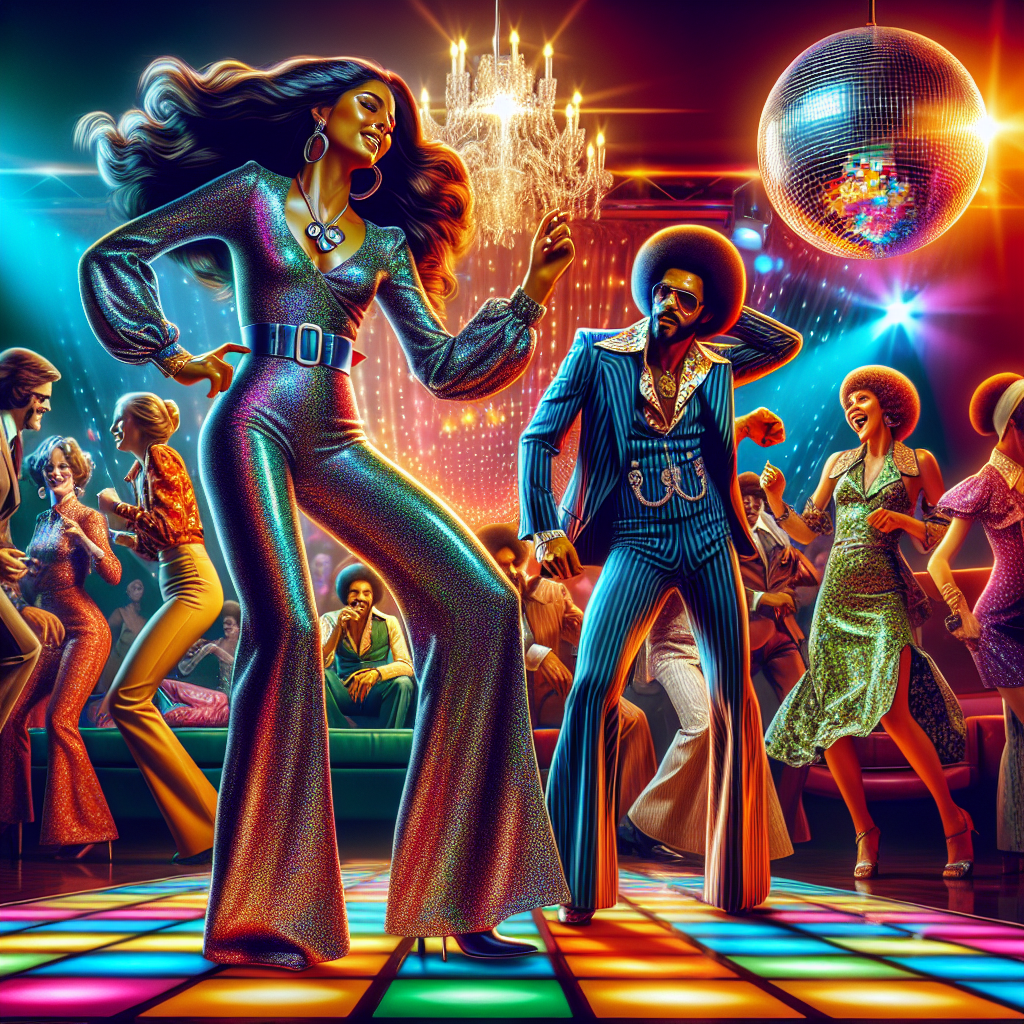
Disco Fever, on the other hand, was all about glitz, glamour, and escapism. The disco movement exploded in popularity in the mid-1970s, with its infectious beats and flashy style capturing the hearts of party-goers around the world. Disco clubs became hotspots for celebrities and politicians alike, with everyone wanting to be a part of the disco craze.

Both Soul Train and Disco Fever had a lasting impact on music and culture. They paved the way for future generations of artists to explore new sounds and styles, while also influencing fashion trends with their bold colors and daring designs. Additionally, advancements in technology during this time allowed for more complex sound production and recording techniques that shaped the sound of disco music.

Overall, these dance music trends of the 70s brought people together through their shared love of music and dance. They provided an escape from the troubles of the world and allowed people to express themselves freely through movement and rhythm. While some may view disco as a fleeting fad or criticize its excesses, it cannot be denied that these movements had a significant impact on our culture that continues to be felt today.