The Influence of Motown on Music of the 60’s and 70’s

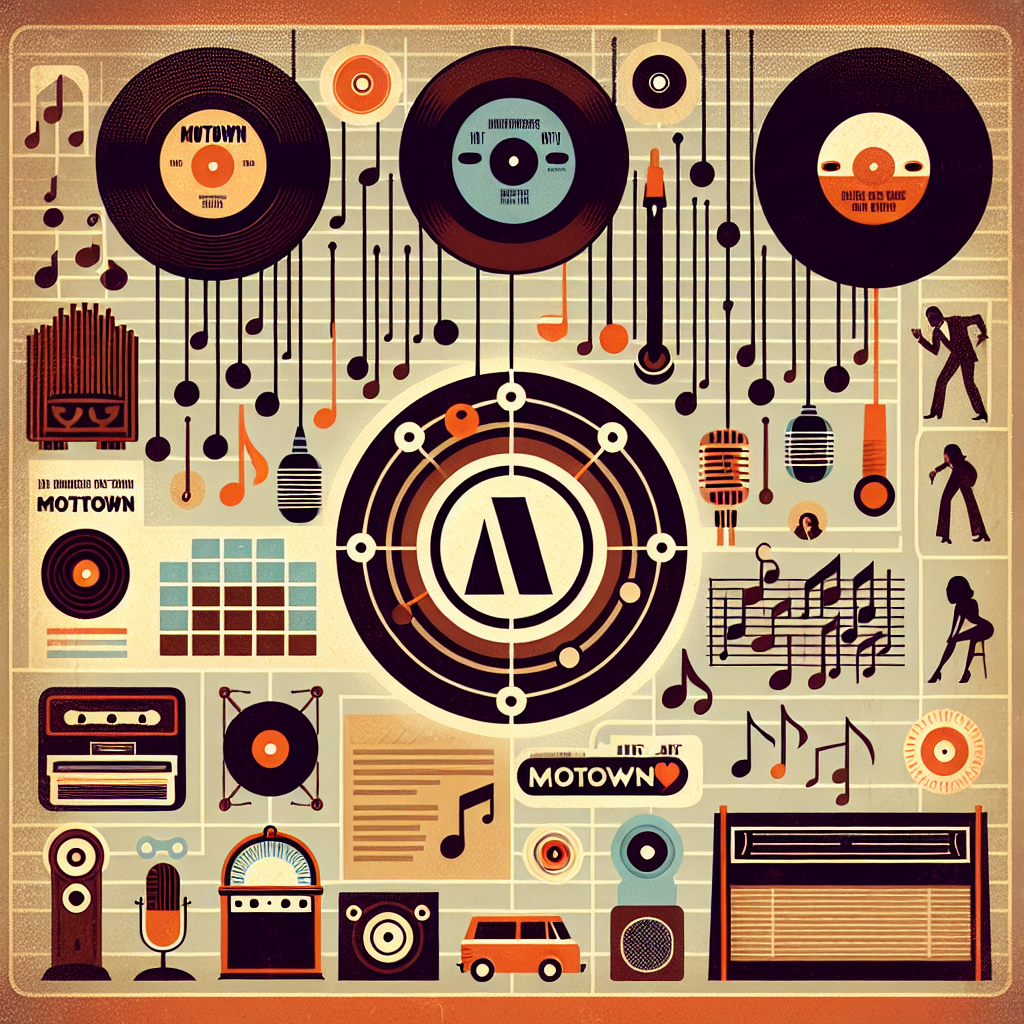
During the 1960s and 1970s, Motown played a significant role in shaping the music and culture of these decades. The influence of Motown can be seen in various aspects of society, including politics, fashion, and technology.

Politicians often used Motown music as a way to connect with younger voters and promote unity among different racial groups. Artists like Marvin Gaye and The Supremes sang about love, peace, and social justice, which resonated with many people during a time of social upheaval.

In terms of fashion, Motown artists like Diana Ross and Stevie Wonder were style icons who influenced trends of the era. Their glamorous outfits and signature looks became synonymous with the sound of Motown music.

Technological advancements also played a role in the success of Motown. The use of new recording techniques and equipment allowed artists to experiment with different sounds and create innovative music that captivated audiences around the world.

Overall, the impact of Motown on music and culture during the 60s and 70s was undeniable. Its positive message of love and unity continues to resonate with audiences today, making it a timeless influence on popular music.

. The influence of folk music on the protest movement of the 1960s, with artists like Bob Dylan and Joan Baez using their music to speak out against social injustices.

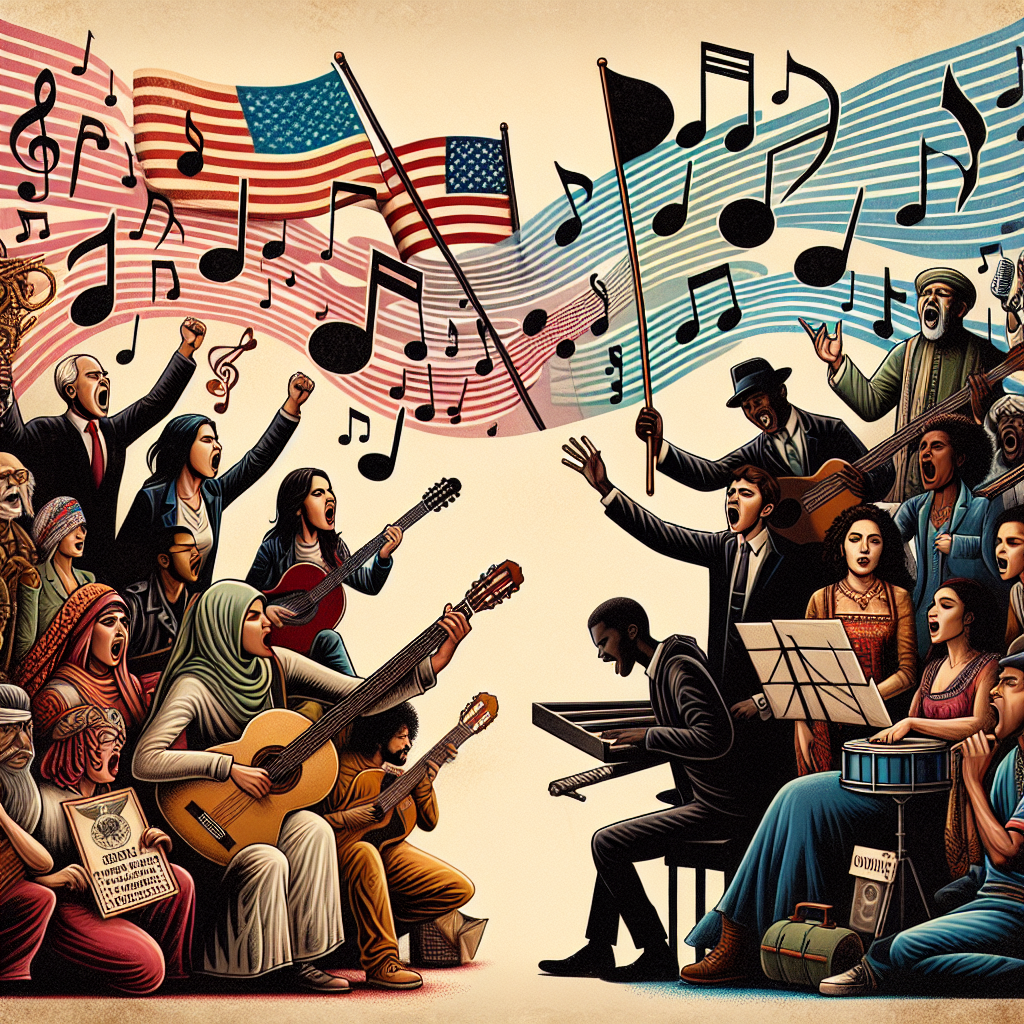
During the 1960s, folk music played a crucial role in the protest movement against social injustices. Artists like Bob Dylan and Joan Baez used their music as a powerful tool to speak out against political corruption, racism, and war.

Music has always been a reflection of culture and society, and during this turbulent time in history, musicians were able to channel the frustrations and hopes of the people through their songs. Folk music, with its roots in storytelling and tradition, provided a platform for artists to express their views on pressing issues.

Politicians may have been hesitant to address these controversial topics, but musicians had the freedom to use their art to challenge the status quo. Songs like “Blowin’ in the Wind” by Bob Dylan and “We Shall Overcome” by Joan Baez became anthems for civil rights activists and anti-war protestors.

Not only did folk music provide a voice for the marginalized and oppressed, but it also influenced other aspects of culture during this time. Fashion trends shifted towards more casual and bohemian styles, mirroring the laid-back aesthetic of folk musicians. Technology also played a role in spreading these messages, as radio stations and record labels helped amplify the voices of these artists.

The impact of folk music on the protest movement of the 1960s cannot be understated. It brought people together, inspired change, and challenged authority in ways that traditional forms of activism could not. The legacy of artists like Bob Dylan and Joan Baez continues to inspire future generations to use their art as a tool for social change.

From Elvis to The Beatles: Iconic Artists of the 50’s, 60’s, and 70’s

Music has always been a powerful force that shapes culture and influences the world around us. In the 1950s, artists like Elvis Presley burst onto the scene with their unique sound and style, forever changing the landscape of music. With hits like “Heartbreak Hotel” and “Hound Dog,” Elvis became a cultural icon, captivating audiences with his charisma and talent.

As the 1960s rolled around, a new wave of musical talent emerged in the form of The Beatles. This British band took the world by storm with their catchy tunes and infectious energy. Songs like “Hey Jude” and “Let It Be” became anthems for a generation, solidifying The Beatles as one of the greatest bands of all time.

But music wasn’t the only thing evolving during this time period. Politicians began to take notice of the influence that musicians had on society, leading to events like Elvis meeting President Nixon in 1970. This meeting symbolized the merging of music and politics, showing just how intertwined these two worlds had become.

Fashion also played a significant role in shaping the culture of the 50s, 60s, and 70s. From Elvis’ iconic jumpsuits to The Beatles’ matching suits, musicians were not only known for their sound but also for their sense of style. These artists became trendsetters, inspiring fans to embrace bold colors and unique patterns.

Technology also played a crucial role in advancing music during this time period. The invention of vinyl records allowed fans to listen to their favorite artists from the comfort of their own homes. Additionally, advancements in recording technology made it easier for musicians to create innovative sounds and experiment with new genres.

Overall, the music scene of the 50s, 60s, and 70s was a vibrant and exciting time filled with iconic artists who left a lasting impact on culture. From Elvis to The Beatles, these musicians shaped not only the sound of their era but also influenced fashion, politics, and technology. Their legacy continues to live on today through their timeless songs and enduring influence.

The Soundtrack of a Generation: How Music Defined the Cultural Revolution of the 60’s and 70’s

Music has always played a significant role in shaping culture and society, but perhaps no other time period exemplifies this more than the 1960s and 1970s. The music of this era not only reflected the cultural revolution taking place, but also helped to define it. From the anti-war movement to the civil rights struggle, music was at the forefront of social change.

Politicians and activists often used music as a powerful tool to convey their message and mobilize supporters. Artists like Bob Dylan and Joan Baez became synonymous with the protest movement, using their lyrics to challenge authority and inspire action. Songs like “Blowin’ in the Wind” and “We Shall Overcome” became anthems for social justice movements around the world.

In addition to its political impact, music also played a key role in shaping fashion trends during this time. The psychedelic sounds of bands like The Beatles and Pink Floyd influenced everything from clothing styles to album artwork. The rise of rock festivals like Woodstock further solidified music’s connection to youth culture and rebellion.

Advancements in technology also played a significant role in shaping the sound of this generation. The introduction of electric guitars, synthesizers, and recording techniques allowed artists to experiment with new sounds and push boundaries creatively. This innovation led to the birth of genres like psychedelic rock, funk, and disco.

Overall, the soundtrack of the 60s and 70s encapsulates a time of immense cultural change and creativity. Music served as a unifying force for a generation that was seeking to break free from societal norms and create a better world. It continues to inspire us today, reminding us of the power that art has to shape our lives and our society.

From Doo-Wop to Disco: Exploring the Diversity of Music in the 50’s, 60’s, and 70’s

Music has always been a powerful reflection of culture, and the decades of the 50’s, 60’s, and 70’s were no exception. During this time period, we saw a diverse range of musical genres emerge and evolve, from doo-wop to disco, showcasing the creativity and innovation of artists across the globe.

One of the most fascinating aspects of music during this era was its ability to transcend boundaries and bring people together. Whether it was through the catchy melodies of doo-wop groups like The Platters or the soulful sounds of Motown artists like Marvin Gaye, music had a way of uniting people from different backgrounds and creating a sense of community.

Politicians also recognized the power of music during this time, using it as a tool to connect with voters and convey important messages. Artists like Bob Dylan and Joan Baez became voices for social change, using their music to protest war and advocate for civil rights.

In addition to its cultural impact, music in the 50’s, 60’s, and 70’s also played a significant role in shaping fashion trends. From Elvis Presley’s iconic pompadour hairstyle to David Bowie’s flamboyant stage costumes, musicians set the tone for style during these decades.

Advancements in technology also played a crucial role in shaping the sound of music during this time period. The introduction of electric guitars and synthesizers allowed artists to experiment with new sounds and push musical boundaries in ways that had never been done before.

Overall, the diversity of music in the 50’s, 60’s, and 70’s is a testament to the creativity and innovation of artists during this time. From doo-wop harmonies to disco beats, each genre offered something unique and special that continues to resonate with audiences today.

The Rise of Psychedelic Rock in the Late 60’s: A Look at Bands like Pink Floyd and The Doors

The late 1960s saw a rise in the popularity of psychedelic rock music, with bands like Pink Floyd and The Doors leading the way. This genre of music was heavily influenced by the counterculture movement of the time, which sought to challenge traditional norms and values.

Psychedelic rock music was often associated with drug use and experimentation, as well as a rejection of mainstream society. Politicians and authority figures were often critical of this new form of music, seeing it as a threat to the status quo.

However, for many young people at the time, psychedelic rock represented a sense of freedom and self-expression. The music was often accompanied by elaborate light shows and visual effects, creating an immersive experience for fans.

In addition to its impact on music, psychedelic rock also had a significant influence on fashion and technology. Bands like Pink Floyd were known for their avant-garde style and use of innovative recording techniques.

Overall, the rise of psychedelic rock in the late 60s was a reflection of the changing cultural landscape of the time. It challenged conventions and pushed boundaries, paving the way for new forms of artistic expression.

From Doo-Wop to Disco: Exploring the Diversity of Music in the 50’s, 60’s, and 70’s

The music of the 1950s, 1960s, and 1970s was a time of great diversity and innovation. From doo-wop to disco, these decades saw a wide range of musical styles and genres that reflected the cultural and social changes happening at the time.

One of the most notable aspects of this era was how music intersected with culture. Musicians were not only creating catchy tunes, but they were also using their platform to address important social issues. Politicians often found themselves at odds with musicians who were pushing boundaries and challenging societal norms through their music.

Additionally, fashion played a significant role in shaping the music scene of these decades. From poodle skirts and leather jackets to bell-bottom pants and platform shoes, fashion trends influenced not only what musicians wore on stage but also how fans expressed themselves through their own style choices.

Technological advancements also played a crucial role in shaping the sound of music during this time. The introduction of electric guitars, synthesizers, and recording equipment allowed musicians to experiment with new sounds and create innovative compositions that would have been impossible just a few years earlier.

Overall, the music of the 1950s, 1960s, and 1970s was a vibrant tapestry of sounds and styles that reflected the diversity of the times. It was a period where artists were unafraid to push boundaries and challenge conventions, resulting in some of the most iconic songs and albums in music history.

Exploring the Psychedelic Sounds of the 60’s and Early 70’s

During the 1960s and early 1970s, a wave of psychedelic music swept through the cultural landscape, leaving an indelible mark on both music and society as a whole. This era was characterized by experimentation with new sounds, technology, and fashion, all of which were influenced by the changing political climate.

Politicians such as Richard Nixon and Lyndon B. Johnson were embroiled in controversial wars and civil rights movements, leading to a sense of unrest among the youth. In response, musicians began to push boundaries with their music, creating a sound that was both innovative and rebellious.

One of the defining features of this era was the use of technology in music production. Artists such as The Beatles and Pink Floyd embraced new recording techniques and instruments, resulting in albums that pushed the limits of what was possible at the time.

Similarly, fashion played a significant role in shaping the psychedelic sound of the 60s and early 70s. Bright colors, bold patterns, and flowing fabrics became emblematic of this era, reflecting a desire for freedom and self-expression.

Overall, the psychedelic sounds of this era represented a break from tradition and a rejection of societal norms. It was a time of exploration and creativity, where artists were free to express themselves in ways that had never been seen before.

Today, we can still hear echoes of this era in modern music. Bands such as Tame Impala and MGMT draw inspiration from the psychedelic sounds of the past, creating a bridge between generations and keeping this vibrant musical tradition alive.

Folk to Funk: Exploring the D

Music has always been a powerful tool for expressing culture and connecting people from all walks of life. In Detroit, the rich history of music spans from traditional folk tunes to modern funk beats, showcasing the city’s diverse and vibrant culture.

Politicians in Detroit have long recognized the importance of music in shaping the city’s identity. By supporting local artists and investing in music education programs, they have helped to foster a thriving music scene that continues to evolve and grow.

From Motown classics to techno pioneers, Detroit has been at the forefront of musical innovation for decades. The fashion and technology industries have also played a significant role in shaping the city’s musical landscape, with designers and engineers collaborating with musicians to create cutting-edge sounds and styles.

As we continue to explore the intersection of music, culture, fashion, and technology in Detroit, it is clear that the city’s creative spirit knows no bounds. From folk to funk and everything in between, Detroit’s music scene is a testament to the power of art to bring people together and inspire positive change.

Iconic Songs of the 50’s, 60’s, and 70’s That Defined Generations

Music has always been a powerful force in shaping culture and defining generations. From the upbeat tunes of the 1950s to the psychedelic sounds of the 1960s and the disco hits of the 1970s, each decade brought its own iconic songs that continue to resonate with audiences today.

In the 1950s, rock and roll took the world by storm with artists like Elvis Presley and Chuck Berry leading the way. Songs like “Jailhouse Rock” and “Johnny B. Goode” became anthems for rebellious youth, challenging societal norms and paving the way for future generations of musicians.

The 1960s saw a cultural revolution with songs like Bob Dylan’s “Blowin’ in the Wind” and The Beatles’ “All You Need is Love” becoming rallying cries for social change. Artists used their music to speak out against war, racism, and inequality, inspiring politicians and activists alike to push for progress.

By the 1970s, music had become intertwined with fashion and technology, creating a vibrant and dynamic era of sound. Disco ruled the airwaves with hits like “Stayin’ Alive” by the Bee Gees, while punk rock bands like The Ramones challenged traditional notions of beauty and style.

Despite changing trends and advancements in technology, these iconic songs from the 50s, 60s, and 70s continue to hold a special place in our hearts. They remind us of a time when music was more than just entertainment – it was a reflection of our values, beliefs, and aspirations.

As we look back on these decades through the lens of music, we can’t help but feel grateful for the artists who dared to be different and push boundaries. Their creativity and passion have left an indelible mark on our culture, inspiring us to embrace change and strive for a better tomorrow.