The Evolution of Rock ‘n’ Roll: A Look Back at the Music of the 50’s, 60’s, and 70’s

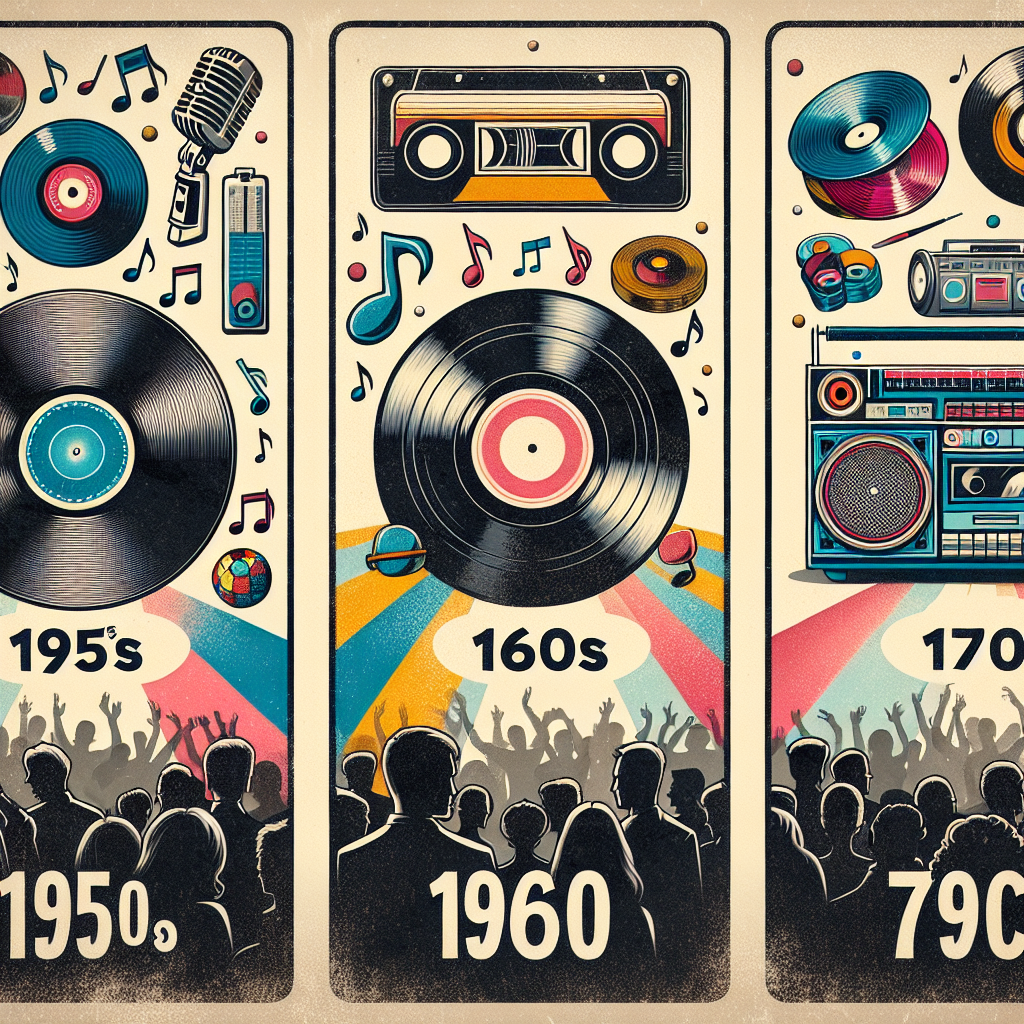
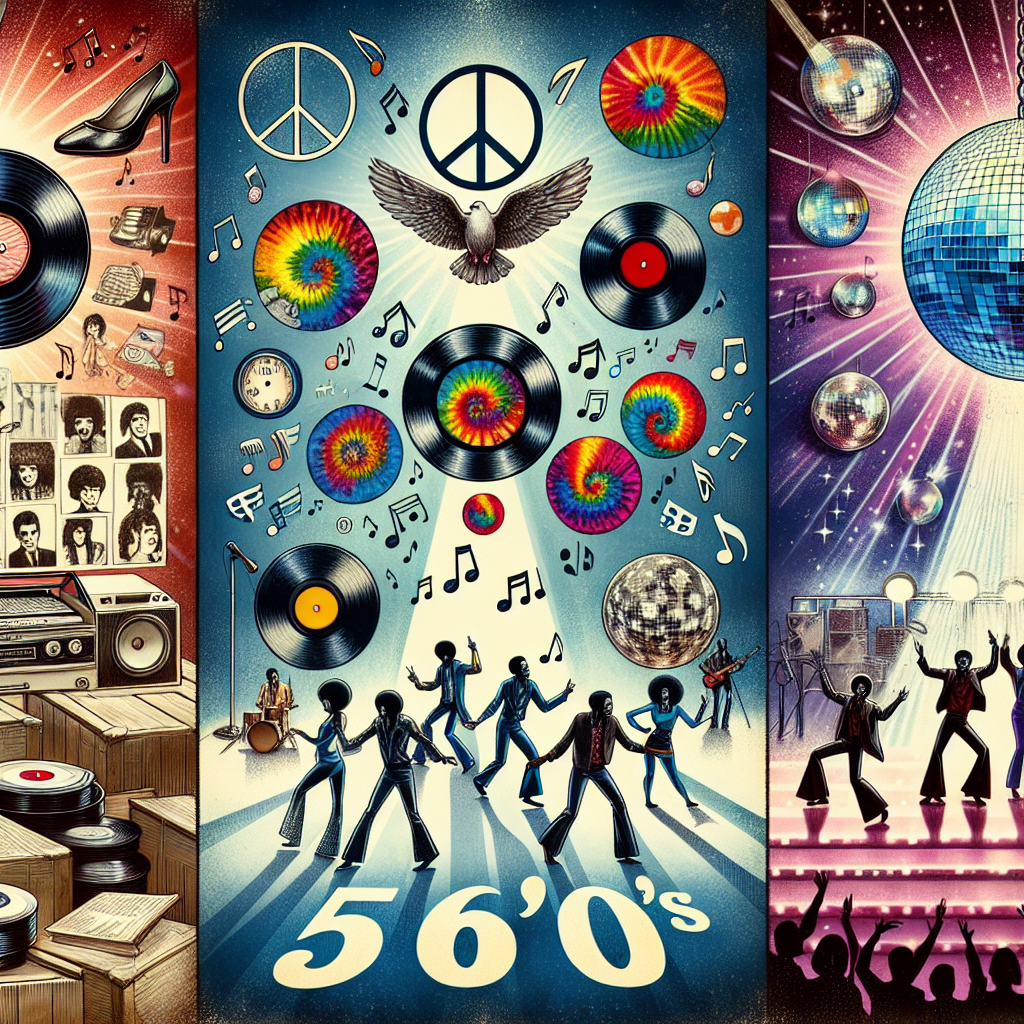
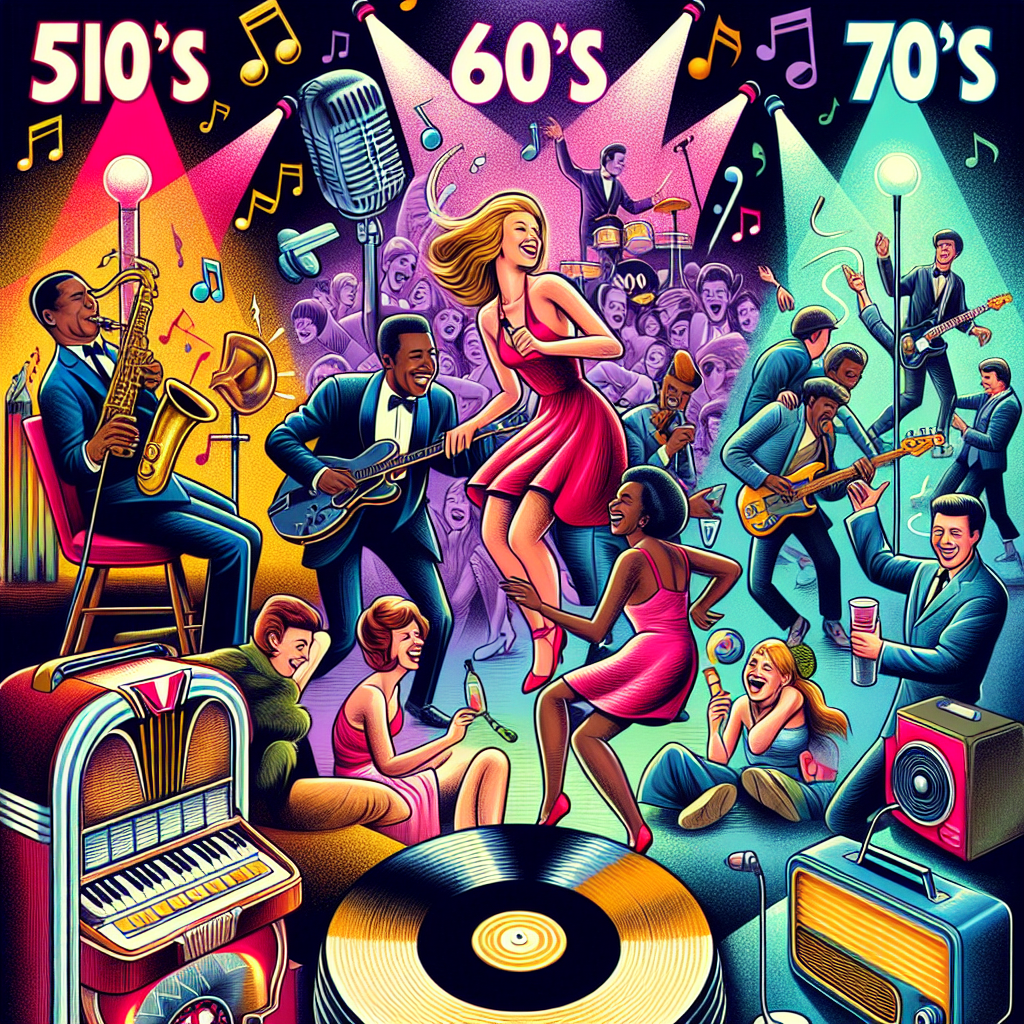
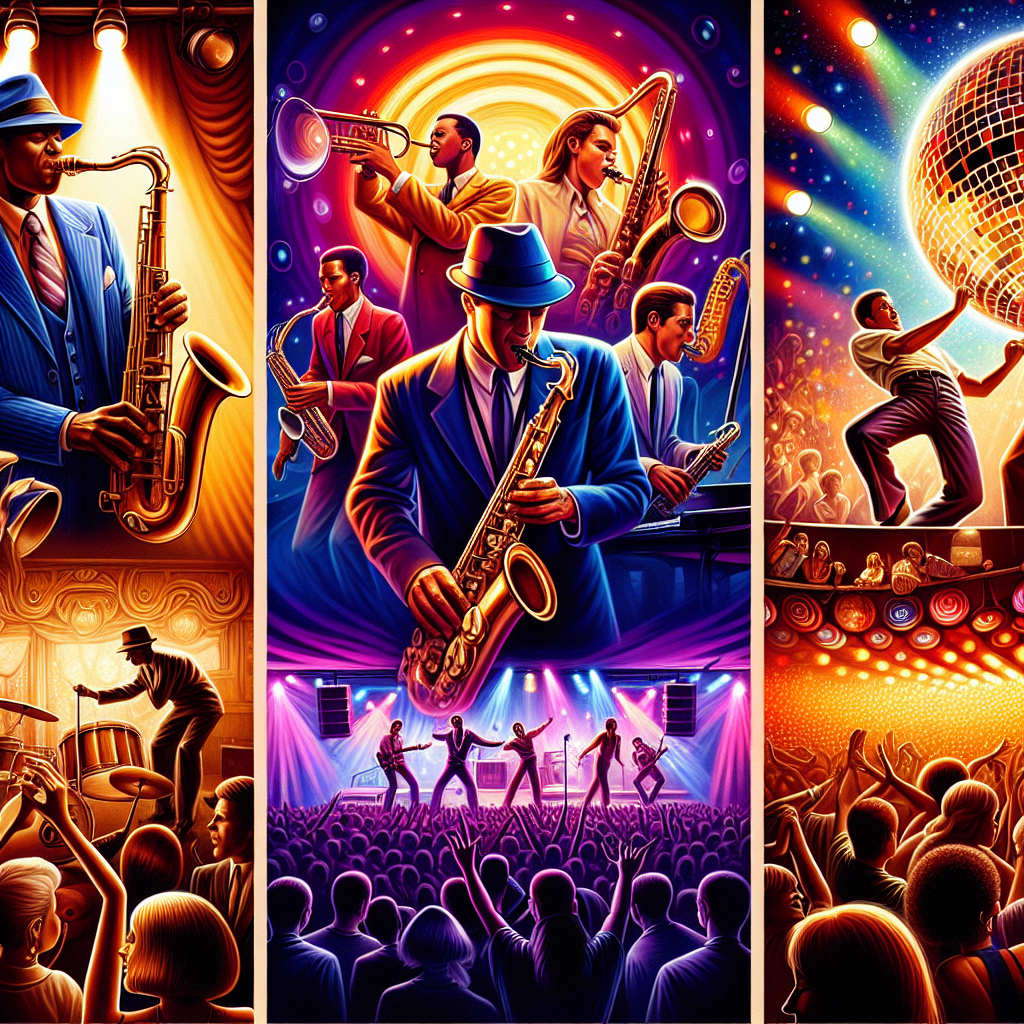
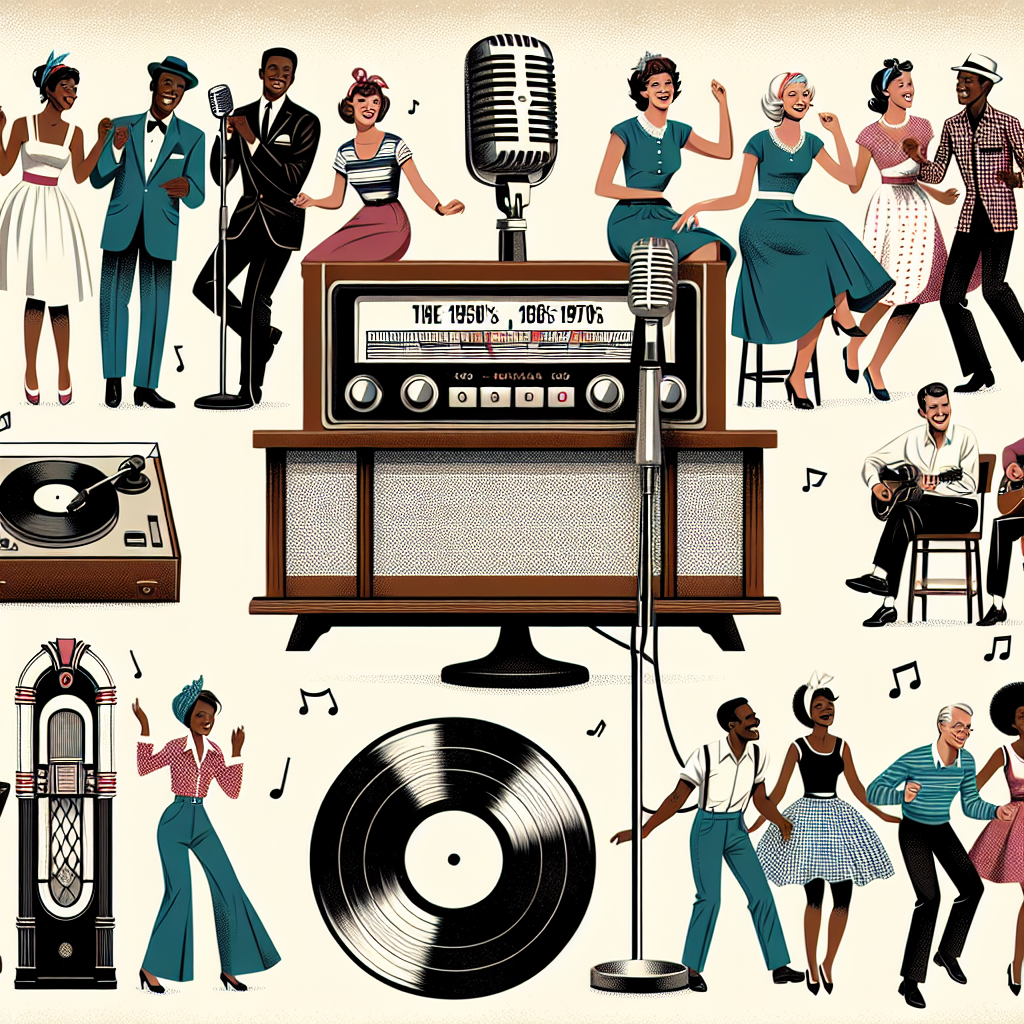
Rock ‘n’ roll music has always been a reflection of the culture and society in which it was created. From the rebellious spirit of the 1950s to the psychedelic sounds of the 1960s and the glam rock of the 1970s, this genre has evolved and changed over time, just like the world around it.

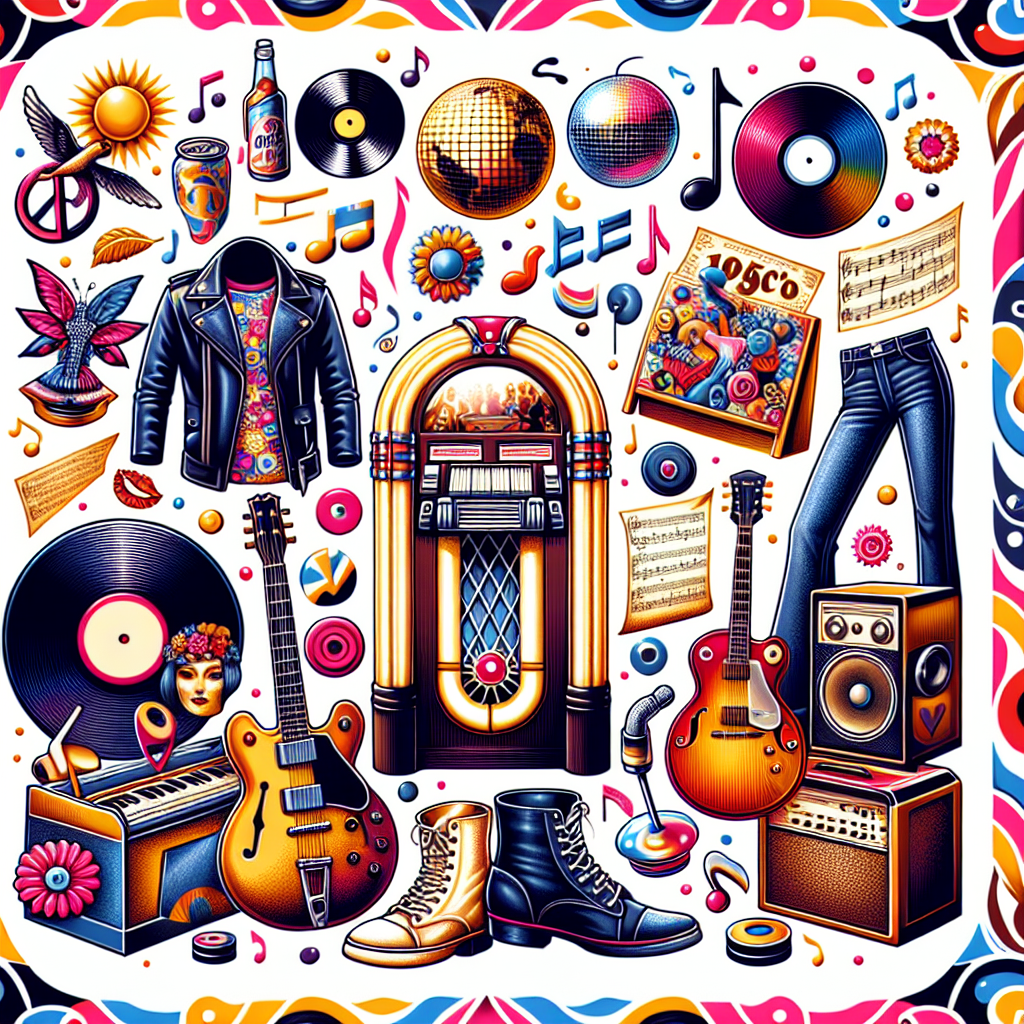
In the 1950s, rock ‘n’ roll emerged as a powerful force in music, challenging societal norms and pushing boundaries. Artists like Elvis Presley and Chuck Berry brought a new sound to airwaves across America, capturing the hearts and minds of young people everywhere. This era saw a shift in fashion as well, with leather jackets, poodle skirts, and greased hair becoming popular among teenagers.

As rock ‘n’ roll continued to evolve into the 1960s, so did its influence on culture. The British Invasion brought bands like The Beatles and The Rolling Stones to American shores, forever changing the landscape of popular music. This era also saw a rise in political activism, with musicians using their platform to speak out against war and injustice.

By the time the 1970s rolled around, rock ‘n’ roll had become a global phenomenon. Bands like Led Zeppelin and Queen were selling out stadiums around the world, while disco music dominated dance floors everywhere. This decade also saw advancements in technology that would forever change how music was created and consumed.

Looking back at the evolution of rock ‘n’ roll from the 1950s to the 1970s, it’s clear that this genre has had a lasting impact on both music and culture. Politicians may have tried to censor it, fashion may have come and gone, but rock ‘n’ roll has always found a way to endure. And with each passing decade, it continues to inspire new generations of artists and fans alike.

Woodstock and Beyond: The Legacy of Music Festivals in the 60’s and 70’s

The 1960s and 1970s were a time of great cultural change and innovation, particularly in the realm of music festivals. Woodstock, held in 1969, is perhaps the most iconic example of this era, bringing together hundreds of thousands of people for a weekend of music, peace, and love. But Woodstock was just the beginning – it paved the way for a whole new wave of music festivals that would shape the culture of the decades to come.

Music festivals in the 60s and 70s were more than just concerts – they were gatherings where like-minded individuals could come together to celebrate their shared love of music and counterculture. These events often featured performances from some of the biggest names in music at the time, including Jimi Hendrix, Janis Joplin, and The Who. The music played at these festivals reflected the social and political climate of the era, with many artists using their platform to speak out against war, racism, and other injustices.

Politicians also took notice of the power of music festivals during this time. Many saw them as a way to connect with younger voters and promote their own agendas. For example, then Governor Ronald Reagan famously attended the California Jam festival in 1974 as part of his campaign for re-election. Music festivals became a key tool for politicians looking to reach a new audience and make an impact on popular culture.

In addition to their cultural significance, music festivals in the 60s and 70s also had a major influence on fashion trends. Attendees often dressed in colorful, bohemian styles that rejected mainstream fashion norms. This laid-back approach to clothing became synonymous with the counterculture movement of the time and continues to influence fashion today.

Technology also played a role in shaping music festivals during this era. Advances in sound equipment allowed for larger crowds to enjoy live performances without sacrificing audio quality. Additionally, innovations like portable toilets and food vendors made these events more comfortable and accessible for attendees.

Overall, it’s clear that music festivals in the 60s and 70s had a lasting impact on our culture. They brought people together through a shared love of music and provided a platform for artists to express themselves creatively. These events continue to inspire new generations of musicians, activists, and festival-goers alike.

Music Legends of the Past: Celebrating Iconic Artists from the 50’s, 60’s, and 70’s

Music has always been a reflection of culture, and the iconic artists from the 50’s, 60’s, and 70’s were no exception. These legends not only shaped the music industry but also influenced politics, fashion, and technology during their time.

One of the most notable aspects of this era was how musicians used their platform to speak out about political issues. Artists like Bob Dylan and Joan Baez were known for their protest songs that addressed social injustices and called for change. Their music became anthems for the civil rights movement and anti-war protests, showing the power that music has to inspire activism.

In addition to influencing politics, these musicians also had a significant impact on fashion trends. Icons like Elvis Presley and The Beatles set new standards for style with their unique looks and stage outfits. Their fashion choices not only reflected the times but also helped shape future trends in clothing and accessories.

Furthermore, these artists were at the forefront of technological advancements in music production. The introduction of electric guitars, synthesizers, and recording techniques revolutionized the way music was created and produced. Bands like Pink Floyd and The Beach Boys pushed boundaries with their experimental sounds and innovative use of technology in their music.

Overall, the music legends of the past from the 50’s, 60’s, and 70’s left an indelible mark on our culture. Their influence can still be felt today in various aspects of society. From politics to fashion to technology, these iconic artists paved the way for future generations to continue pushing boundaries and challenging norms through their music.

The Influence of Motown on Music in the 60’s and 70’s

During the 1960s and 1970s, Motown played a significant role in shaping the music and culture of the era. The record label, founded by Berry Gordy Jr. in Detroit, Michigan, was responsible for producing some of the most iconic songs and artists of the time.

One of the ways Motown influenced music during this period was through its signature sound. The label’s artists, such as The Supremes, Marvin Gaye, and Stevie Wonder, created catchy melodies and infectious rhythms that resonated with audiences around the world. These songs became anthems for a generation and helped to define the sound of the 60s and 70s.

In addition to its musical influence, Motown also had a significant impact on fashion and culture. The label’s artists were known for their stylish attire and glamorous performances, which helped to set trends in both music and fashion. Politicians often sought out Motown artists to perform at events, recognizing the power of their music to bring people together.

Furthermore, Motown was at the forefront of technological advancements in music production during this time. The label used state-of-the-art recording equipment and techniques to create its distinctive sound, setting new standards for quality in the industry.

Overall, Motown’s influence on music in the 60s and 70s cannot be overstated. The label’s innovative approach to songwriting, performance, fashion, and technology helped to shape an entire generation of musicians and listeners. Its impact continues to be felt today in popular culture around the world.

The Fashion and Style Trends Inspired by Music Icons of the 50’s, 60’s, and 70’s

Music has always been a major influence on culture, fashion, and style. From the rebellious rock ‘n’ roll of the 1950s to the psychedelic sounds of the 1960s and the disco beats of the 1970s, music icons have shaped not only our playlists but also our wardrobes.

In the 1950s, artists like Elvis Presley and Chuck Berry brought a new energy to music with their catchy tunes and electrifying performances. This era saw the rise of leather jackets, pompadour hairstyles, and poodle skirts. The fashion was bold and rebellious, reflecting the changing attitudes of young people at the time.

The 1960s were a time of social upheaval and experimentation in both music and fashion. Bands like The Beatles and The Rolling Stones pushed boundaries with their music, inspiring fans to embrace colorful patterns, bell-bottom pants, and fringe jackets. The hippie movement also emerged during this decade, promoting peace, love, and tie-dye shirts.

By the 1970s, disco had taken over the airwaves with artists like Donna Summer and Bee Gees dominating the charts. This era was all about glitz and glamour, with sequined jumpsuits, platform shoes, and wide-brimmed hats becoming must-have items for any fashion-forward individual.

It’s clear that music icons have had a lasting impact on fashion trends throughout history. Their bold styles have inspired designers to create collections that pay homage to these influential artists. Today, we can see nods to these eras in modern fashion through retro-inspired pieces like high-waisted jeans, statement sunglasses, and vintage band t-shirts.

In addition to influencing fashion trends, music icons have also played a role in shaping cultural movements. Their lyrics often address important social issues such as civil rights, war, and gender equality. Artists like Bob Dylan and Joni Mitchell used their platforms to speak out against injustice and advocate for change.

As technology continues to evolve, we can expect even more collaborations between musicians and fashion designers. Virtual concerts are becoming more popular than ever before thanks to advancements in streaming technology. This opens up new opportunities for artists to showcase their personal style through virtual performances that reach audiences around the world.

Overall, it’s clear that music icons of the past have left an indelible mark on both fashion and culture. Their influence continues to be felt today as we draw inspiration from their timeless style statements. So next time you’re putting together an outfit or listening to your favorite song, take a moment to appreciate the impact that music icons have had on our lives.

. A look at the British Invasion of the 1960s, examining how bands like The Beatles and The Rolling Stones changed the landscape of rock music.

When we think of the 1960s, one of the first things that comes to mind is the British Invasion. This era saw a wave of British bands like The Beatles and The Rolling Stones taking over the music scene and changing rock music forever.

The impact of these bands went far beyond just the music itself. They influenced culture, fashion, and even technology. The Beatles’ iconic hairstyles and mod clothing became synonymous with the era, while The Rolling Stones brought a rebellious edge to their music and fashion choices.

Politicians at the time were also paying attention to this cultural shift. In fact, British Prime Minister Harold Wilson famously declared that The Beatles were “Britain’s greatest ambassadors” during a speech in 1964.

But perhaps most importantly, the British Invasion brought new sounds and styles to rock music. Bands like The Beatles experimented with different instruments and recording techniques, pushing the boundaries of what was possible in popular music. Their influence can still be heard in modern rock bands today.

Overall, the British Invasion of the 1960s was a transformative period for music and culture. It opened up new possibilities for artists and changed the way we think about rock music. So next time you listen to your favorite band from that era, remember how they helped shape the landscape of modern music.

The Top Hits of Each Decade: A Nostalgic Look Back at the Music of the 50’s, 60’s, and 70’s

As we look back on the music of the 50’s, 60’s, and 70’s, it’s clear that each decade had its own unique sound and style that defined the era. From doo-wop and rock ‘n’ roll in the 50’s to psychedelic rock and disco in the 70’s, these decades were filled with iconic hits that still resonate with us today.

The 1950’s

In the 1950’s, music was heavily influenced by the post-war culture of optimism and prosperity. Artists like Elvis Presley, Chuck Berry, and Buddy Holly dominated the charts with their catchy tunes and energetic performances. The rise of television also played a significant role in popularizing music, with shows like American Bandstand showcasing the latest hits to a nationwide audience.

The 1960’s

The 1960’s saw a cultural revolution that was reflected in the music of the time. The British Invasion brought bands like The Beatles and The Rolling Stones to American shores, while Motown artists like Marvin Gaye and The Supremes dominated the R&B charts. Psychedelic rock also emerged as a new genre, with bands like The Doors and Jefferson Airplane pushing boundaries with their experimental sound.

The 1970’s

By the 1970’s, music had become more diverse than ever before. Disco ruled the airwaves with hits from artists like Donna Summer and Bee Gees, while punk rock rebelled against mainstream culture with bands like The Sex Pistols and The Clash. Country music also saw a resurgence in popularity thanks to artists like Dolly Parton and Willie Nelson.

Overall, each decade brought its own unique blend of sounds and styles that reflected the changing times. From doo-wop to disco, these hits continue to evoke feelings of nostalgia for a simpler time. So take a trip down memory lane and revisit some of the top hits from these iconic decades!

From Doo-Wop to Disco: Exploring the Diversity of Music in the 50’s, 60’s, and 70’s

Music has always been a reflection of culture, and the 50’s, 60’s, and 70’s were no exception. During these decades, we saw a diverse range of musical styles emerge, from doo-wop to disco, that captured the spirit of the times.

Politicians often tried to control music and its messages, but artists pushed back against censorship and used their platforms to speak out on social issues. From Bob Dylan’s protest songs in the 60’s to Marvin Gaye’s “What’s Going On” in the 70’s, music became a powerful tool for activism.

Fashion also played a significant role in shaping the music of these decades. The flamboyant styles of disco were reflected in the glittering costumes worn by performers like Donna Summer and The Bee Gees. Meanwhile, the rebellious fashion of rock ‘n’ roll icons like Elvis Presley and The Beatles influenced a generation of young people.

Technology also played a crucial role in shaping music during this time. The invention of the electric guitar revolutionized rock ‘n’ roll, while advancements in recording technology allowed artists to experiment with new sounds and techniques.

Overall, the music of the 50’s, 60’s, and 70’s was incredibly diverse and innovative. From Motown to punk rock, these decades produced some of the most iconic songs and artists in history. So next time you’re listening to your favorite oldies station or spinning a vinyl record from this era, take a moment to appreciate the rich tapestry of sounds that defined this transformative period in music history.

From Elvis to The Beatles: How Music Changed in the Transition from the 50’s to the 60’s

When we think of the transition from the 1950s to the 1960s in terms of music, one cannot help but think of the seismic shift that occurred during this time period. From Elvis Presley’s rock and roll revolution to The Beatles’ invasion of America, music played a pivotal role in shaping culture and society.

One of the most significant changes that occurred during this transition was the way in which music was consumed. In the 1950s, vinyl records were king, and teenagers would spend hours listening to their favorite artists on record players. However, with the advent of technology such as transistor radios and cassette tapes in the 1960s, music became more portable and accessible than ever before.

Not only did technology change the way we listened to music, but it also influenced the types of sounds that were being produced. The 1950s saw the rise of rock and roll with artists like Elvis Presley and Chuck Berry leading the way. However, by the 1960s, bands like The Beatles were pushing boundaries with their experimental soundscapes and socially conscious lyrics.

Culture also played a significant role in shaping music during this time period. In the conservative 1950s, politicians often criticized rock and roll for its perceived influence on teenage rebellion. However, by the 1960s, music became a powerful tool for social change with artists like Bob Dylan using their platform to speak out against war and injustice.

Fashion also underwent a transformation during this time period, with artists like Elvis Presley influencing trends with his pompadour hairstyle and flashy suits. By the 1960s, fashion became more experimental with psychedelic patterns and bold colors becoming popular among musicians and fans alike.

Overall, the transition from Elvis to The Beatles marked a turning point in music history. It was a time of innovation and creativity that paved the way for future generations of musicians to push boundaries and challenge societal norms. As technology continues to evolve and culture shifts over time, one thing remains constant – music will always be a powerful force for change.

The Influence of Motown on Music in the 60’s and 70’s

During the 1960s and 1970s, Motown had a significant influence on music, culture, fashion, and technology. The record label, founded by Berry Gordy Jr. in Detroit, Michigan in 1959, was responsible for launching the careers of legendary artists such as The Supremes, Marvin Gaye, Stevie Wonder, and The Temptations.

Motown’s sound was characterized by its catchy melodies, tight harmonies, and polished production. This distinctive style of music quickly became popular not only in the United States but also around the world. Motown artists were known for their soulful vocals and energetic performances, which helped to shape the music of the era.

Politicians often used Motown songs in their campaigns to appeal to younger voters and promote messages of unity and equality. Songs like “Ain’t No Mountain High Enough” by Marvin Gaye and Tammi Terrell became anthems for social movements fighting for civil rights and racial equality.

In addition to its impact on music and culture, Motown also played a role in shaping fashion trends of the time. Artists like Diana Ross and The Supremes were known for their glamorous stage outfits and sophisticated hairstyles, which influenced fashion designers and trendsetters alike.

Furthermore, Motown was one of the first record labels to embrace new technologies in music production. Berry Gordy Jr. invested in state-of-the-art recording equipment and studios to ensure that his artists had access to the best resources available. This commitment to innovation helped Motown stay ahead of its competitors and continue to produce hit records.

In conclusion, Motown’s influence on music in the 1960s and 1970s cannot be overstated. The record label not only produced some of the most iconic songs of the era but also played a significant role in shaping culture, fashion, politics, and technology. Its legacy continues to inspire musicians and fans alike today.