The Influence of Motown on Pop Music in the 60’s and Beyond

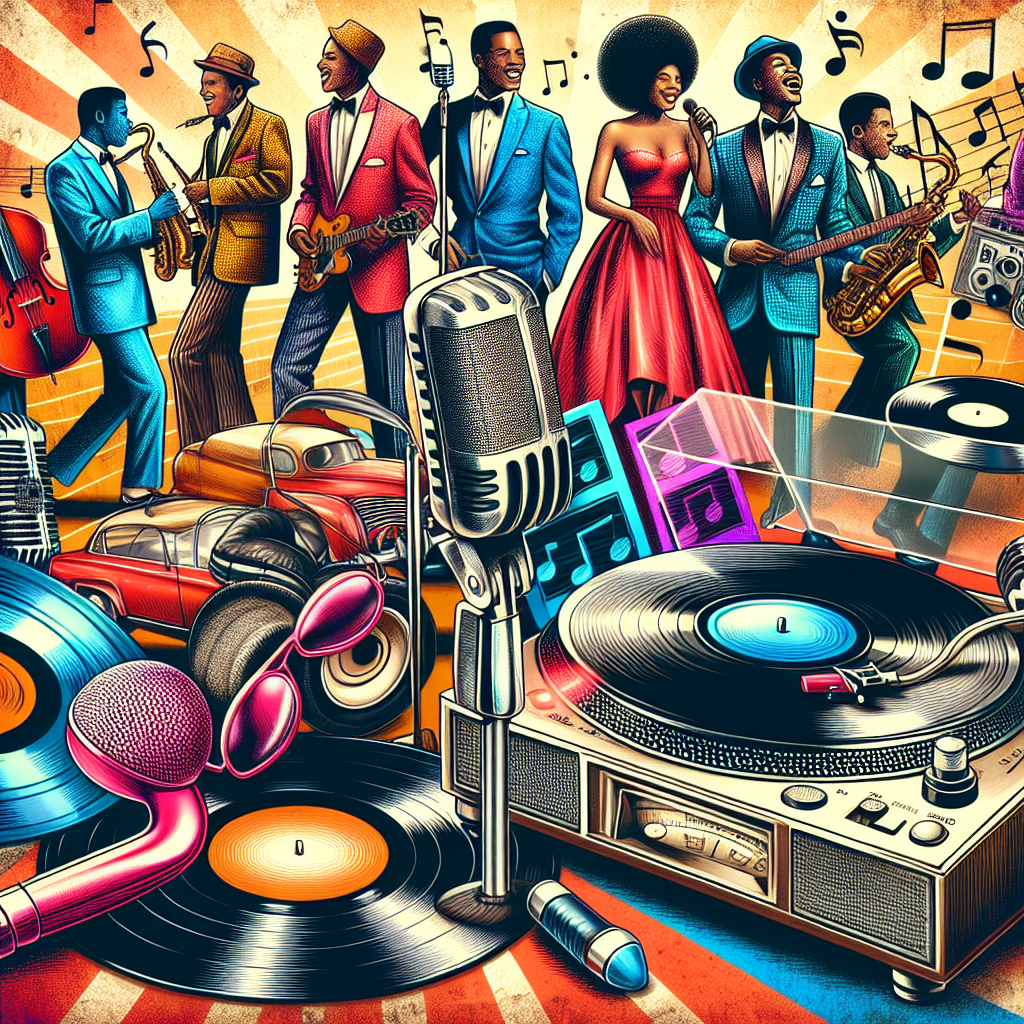
During the 1960s, Motown Records played a significant role in shaping pop music and culture. Founded by Berry Gordy Jr. in Detroit, Michigan in 1959, Motown became known for its distinctive sound that blended elements of soul, R&B, and pop music. The label produced hit after hit, launching the careers of legendary artists such as Marvin Gaye, The Supremes, Stevie Wonder, and The Jackson 5.

One of the key ways that Motown influenced pop music was through its emphasis on catchy melodies and polished production. Motown songs were meticulously crafted to appeal to a wide audience, with infectious hooks and lush arrangements that helped them stand out on the radio. This attention to detail set a new standard for popular music production and paved the way for future generations of artists.

Beyond just the music itself, Motown also had a profound impact on culture during this time period. The label’s roster of predominantly African American artists helped to break down racial barriers in the music industry and beyond. Motown’s success demonstrated that black musicians could achieve mainstream popularity and paved the way for greater diversity in popular music.

In addition to its influence on music and culture, Motown also had an impact on other aspects of society during the 1960s. Politicians recognized the power of music as a tool for social change and often turned to Motown artists to help promote their causes. For example, Marvin Gaye’s iconic song “What’s Going On” became an anthem for the civil rights movement and remains relevant today.

Furthermore, Motown’s artists were trendsetters in fashion as well as music. The Supremes’ glamorous style set trends for female performers in the 60s with their matching outfits and bouffant hairstyles becoming iconic symbols of the era.

As technology continued to evolve throughout the 60s and beyond, Motown adapted by incorporating new recording techniques and instruments into their sound. This willingness to experiment with new technologies helped keep their music fresh and innovative even as musical trends changed.

In conclusion, it is clear that Motown Records had a lasting impact on pop music during the 1960s and beyond. Through its catchy melodies, diverse roster of artists, cultural influence, political relevance fashion sense,and embrace of technology,Motown helped shape popular music into what it is today.

The Fashion and Culture of Music in the Swinging Sixties: A Nostalg

The Swinging Sixties was a time of immense creativity and innovation in both music and fashion. This era saw the rise of iconic musicians like The Beatles, The Rolling Stones, and Jimi Hendrix, whose music continues to influence artists to this day. Alongside the music, the culture of the sixties was defined by a sense of rebellion against societal norms and a desire for freedom and self-expression.

Politicians were not immune to the influence of this cultural shift. Figures like John F. Kennedy and Harold Wilson embraced popular culture, using it to connect with younger voters. The music of the sixties became a powerful tool for social change, with songs like Bob Dylan’s “Blowin’ in the Wind” and Marvin Gaye’s “What’s Going On” addressing important political issues of the time.

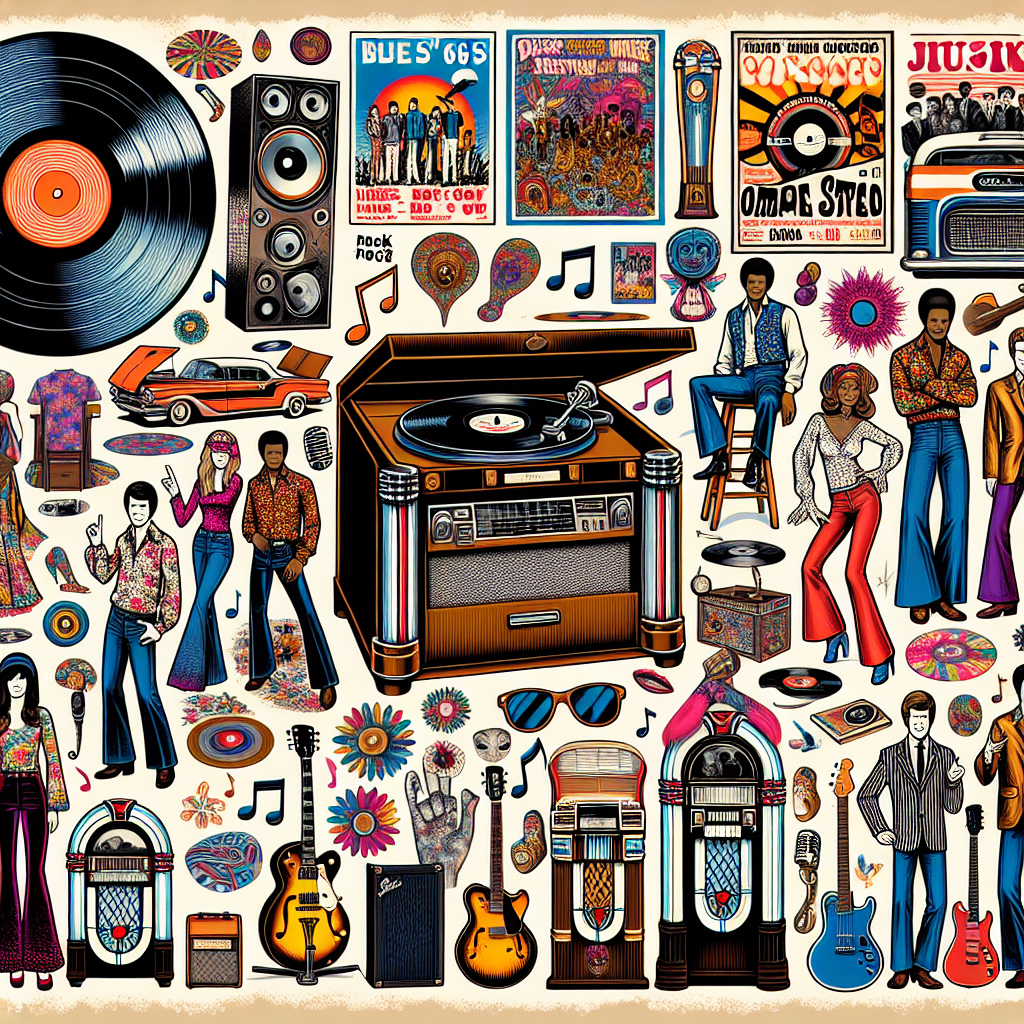
Fashion also played a significant role in defining the culture of the sixties. The era saw the emergence of bold new styles like mini skirts, bell-bottoms, and psychedelic prints. Icons like Twiggy and Brigitte Bardot set trends that are still referenced in modern fashion today.

Technology also played a key role in shaping the music of the sixties. The invention of new recording techniques allowed artists to experiment with sound in ways that had never been possible before. This led to groundbreaking albums like The Beatles’ Sgt. Pepper’s Lonely Hearts Club Band, which pushed the boundaries of what was considered possible in popular music.

Overall, the Swinging Sixties was a time of incredible creativity and innovation in both music and fashion. It was an era defined by a spirit of rebellion and experimentation that continues to inspire artists today. From iconic musicians to groundbreaking fashion trends, the culture of the sixties has left an indelible mark on our world.

The Evolution of Rock ‘n’ Roll: A Look Back at the Music of the 50’s, 60’s, and 70’s

Rock ‘n’ roll has always been a reflection of the culture and society in which it was created. From its roots in the 1950s to its peak in the 1960s and 70s, rock music has evolved alongside changes in politics, fashion, technology, and more.

In the 1950s, rock ‘n’ roll emerged as a rebellious response to the conservative values of post-World War II America. Artists like Elvis Presley and Chuck Berry brought a new sound and attitude to music that resonated with young people looking for something different. The music was raw, energetic, and full of emotion – a perfect soundtrack for a generation on the brink of change.

As the 1960s rolled around, rock ‘n’ roll continued to evolve with the times. The British Invasion brought bands like The Beatles and The Rolling Stones to American shores, introducing a new sound that combined elements of rock, pop, and R&B. The music became more experimental and psychedelic, reflecting the social upheaval of the era.

By the 1970s, rock ‘n’ roll had become bigger than ever. Stadium rock bands like Led Zeppelin and Pink Floyd dominated the charts with their epic songs and elaborate stage shows. Punk rock emerged as a reaction against the excesses of mainstream rock, while disco provided a funky alternative for those looking to dance their troubles away.

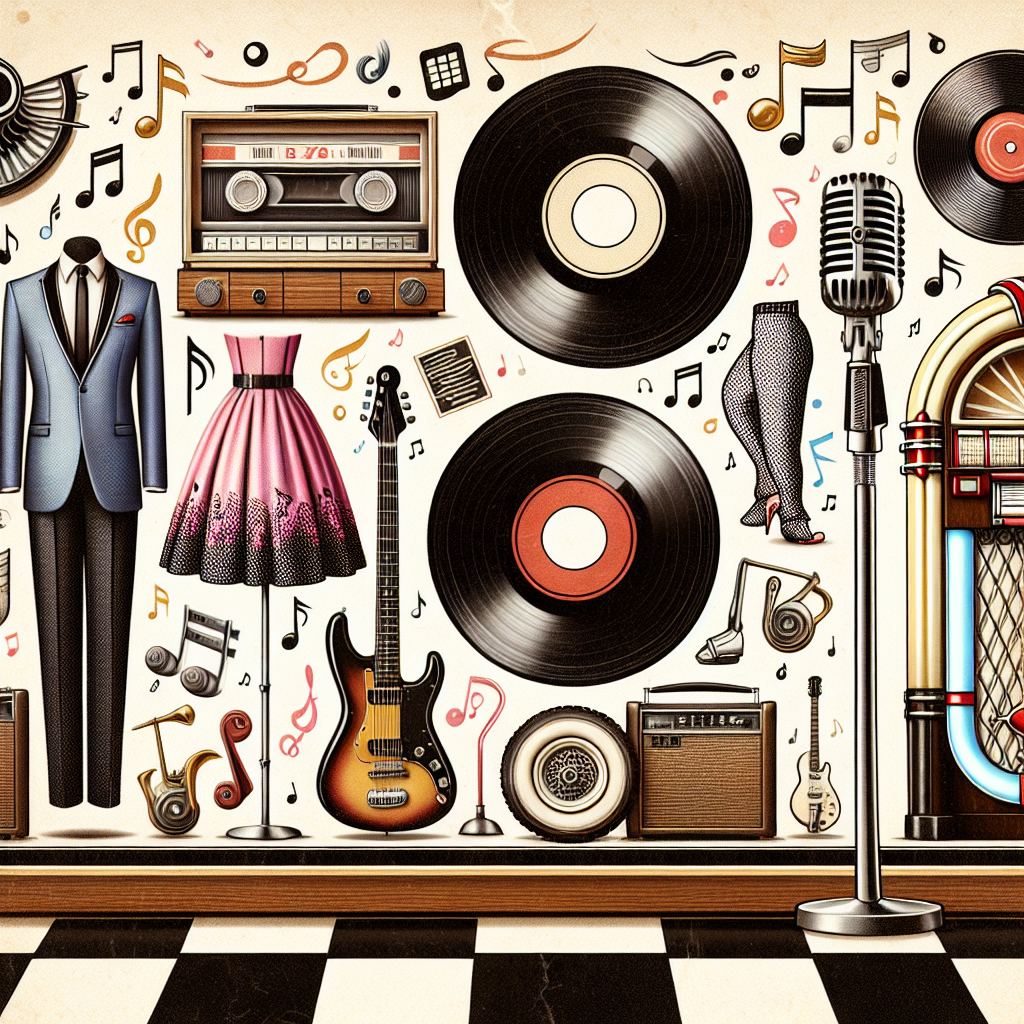
Throughout these decades, politicians tried to regulate or censor rock music they deemed too controversial or subversive. Fashion trends came and went, from poodle skirts in the 50s to bell-bottoms in the 70s. Technology also played a role in shaping the sound of rock ‘n’ roll – from electric guitars to synthesizers.

Looking back at this evolution of rock ‘n’ roll, it’s clear that music has always been a powerful force for change and self-expression. Despite attempts by politicians or others to control or limit its influence, rock music has continued to push boundaries and challenge norms.

So let’s celebrate this rich history of music that has shaped our culture and society for decades. Let’s embrace the diversity of sounds and styles that make up rock ‘n’ roll – from bluesy guitar riffs to funky basslines. And let’s keep rocking on into the future!

Behind the Scenes: The Stories Behind Some of the Biggest Songs of the 50’s, 60’s, and 70’s

Music has always been a reflection of culture, and the songs of the 50’s, 60’s, and 70’s were no exception. Behind some of the biggest hits of these decades are fascinating stories that give us insight into the world in which they were created.

Politicians often found themselves at odds with musicians during this time, leading to some iconic protest songs. Bob Dylan’s “Blowin’ in the Wind” became an anthem for the civil rights movement, while John Lennon’s “Imagine” challenged listeners to envision a world without war or division.

Fashion also played a role in shaping music during these decades. The Beatles’ mop-top haircuts and mod suits became synonymous with the British invasion, while artists like Jimi Hendrix embraced psychedelic style with their colorful clothing and wild patterns.

Technology also played a significant role in shaping music during this time. The introduction of electric guitars and amplifiers revolutionized rock and roll, while advancements in recording technology allowed artists to experiment with new sounds and effects.

Despite the challenges of their time, musicians from the 50’s, 60’s, and 70’s used their platform to create timeless music that continues to resonate with audiences today. Their stories remind us of the power of music to inspire change and unite people from all walks of life.

. How social and political movements shaped music in the 60’s and 70’s

The 1960s and 1970s were a time of immense change and upheaval in society, politics, and culture. This era saw the rise of social and political movements that greatly influenced music and its role in society. From the civil rights movement to the anti-war protests, musicians used their platform to reflect the changing times and inspire change.

Politicians played a significant role in shaping the music of this era as well. Artists like Bob Dylan and Joan Baez used their songs to protest against injustices and call for social change. Their music became anthems for those fighting for equality and justice.

Fashion also played a key role in shaping the music of the 60s and 70s. The psychedelic colors, bell-bottom jeans, and platform shoes of the era reflected the free-spirited nature of the music being created at the time. Musicians like Jimi Hendrix and Janis Joplin embraced these trends, further solidifying their connection to the counterculture movement.

Advancements in technology also played a crucial role in shaping music during this time. The invention of electric guitars, synthesizers, and recording equipment allowed artists to experiment with new sounds and push boundaries in ways never before possible.

Overall, the social and political movements of the 60s and 70s had a profound impact on music and culture. They inspired musicians to use their art as a tool for change, creating some of the most iconic songs of all time. Despite the challenges faced during this era, it was ultimately a time of great creativity, innovation, and progress in both music and society.

The Rise of Motown: Celebrating the Legacy

Motown music has long been a staple in American culture, with its catchy tunes and soulful melodies capturing the hearts of listeners for decades. From the likes of The Supremes to Marvin Gaye, Motown artists have left an indelible mark on the music industry and beyond. But what exactly is it about Motown that has made it such a lasting and influential force in our society?

One key factor is the way Motown music transcends boundaries and brings people together. In a time when racial tensions were high, Motown provided a common ground where people of all backgrounds could come together and enjoy the universal language of music. This sense of unity and inclusivity is something that is sorely needed in today’s divided world.

But Motown’s influence goes beyond just music – it has also had a profound impact on fashion, culture, and even politics. The sleek suits and glamorous gowns worn by Motown artists set trends and influenced fashion for years to come. Politicians have also recognized the power of Motown, using its iconic songs as anthems for their campaigns.

And let’s not forget about the role of technology in spreading Motown’s message far and wide. With the rise of streaming services and social media, Motown music can now reach more people than ever before, ensuring that its legacy will continue to live on for future generations to enjoy.

In conclusion, the rise of Motown is something worth celebrating. Its impact on music, culture, fashion, politics, and technology cannot be understated. So let’s raise a glass to Motown – may its legacy continue to inspire us for years to come.

From Folk to Protest: The Role of Music in Social Movements of the 60s and 70s

During the 1960s and 70s, music played a pivotal role in shaping social movements and sparking change in society. From folk to protest songs, musicians used their platform to spread messages of peace, love, and equality.

Music has always been intertwined with culture, reflecting the values and beliefs of a particular time period. In the 60s and 70s, musicians like Bob Dylan, Joan Baez, and Pete Seeger used their lyrics to speak out against war, racism, and injustice. Their songs became anthems for those fighting for civil rights and peace.

Politicians often tried to silence these voices, recognizing the power that music had in mobilizing people towards a common cause. However, musicians continued to push boundaries and challenge authority through their art.

In addition to the lyrics themselves, fashion also played a significant role in these social movements. Musicians often used their style as a form of protest, rejecting traditional norms and embracing countercultural fashion trends.

Advancements in technology also played a part in spreading these messages far and wide. The rise of radio and television allowed musicians to reach larger audiences than ever before, amplifying their impact on society.

Overall, the role of music in social movements of the 60s and 70s was undeniably powerful. It served as a unifying force for those seeking change and inspired generations to come. As we look back on this era, we can see how music has the ability to shape culture and ignite passion for social justice.

Woodstock and Beyond: The Counterculture Movement in Music of the 60’s and 70’s

Woodstock and Beyond: The Counterculture Movement in Music of the 60’s and 70’s was a pivotal moment in history that shaped our culture, politics, fashion, and technology. The music of this era not only entertained us but also challenged societal norms and inspired change.

The counterculture movement of the 60’s and 70’s was a time of great upheaval and rebellion against the status quo. Politicians were challenged, fashion was revolutionized, and technology advanced at an unprecedented rate. Music played a central role in this cultural revolution, with artists like Bob Dylan, The Beatles, Jimi Hendrix, Janis Joplin, and many others using their platform to speak out against war, racism, sexism, and other social injustices.

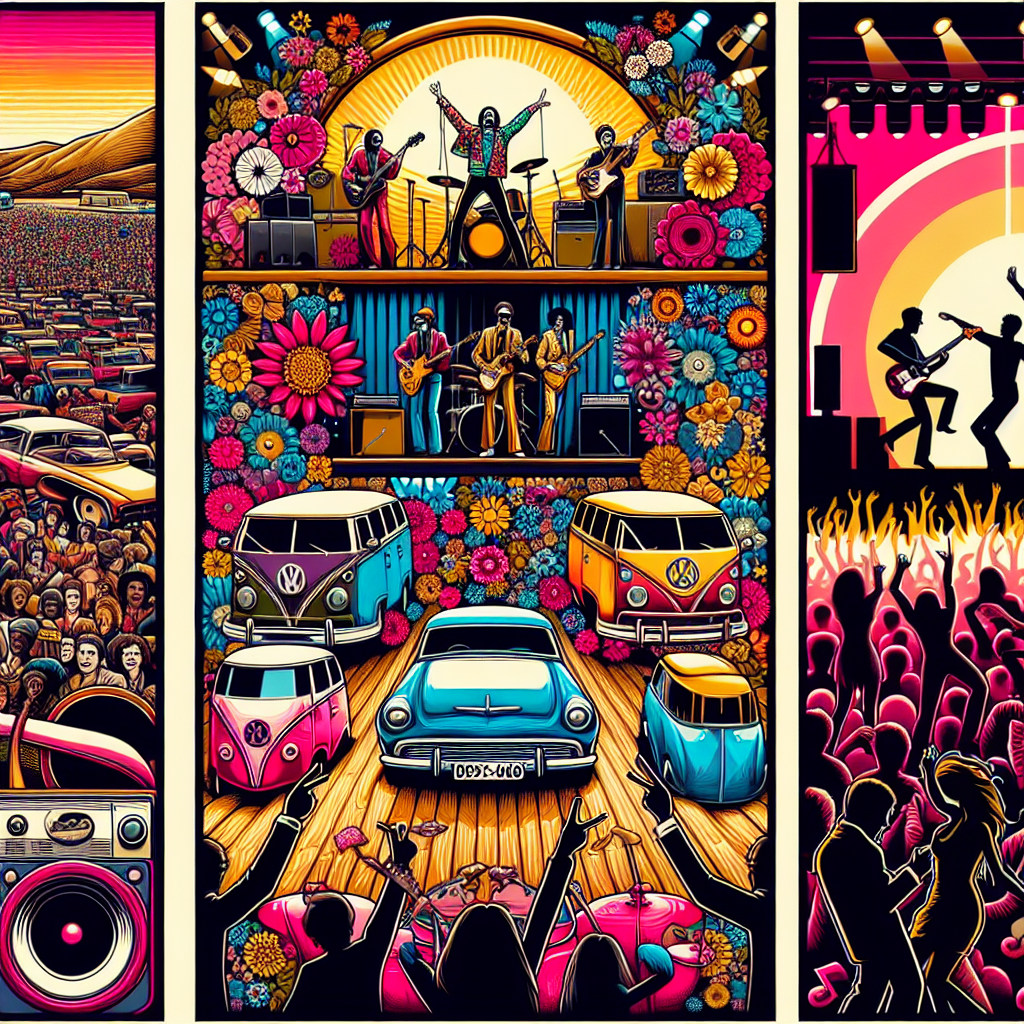
One of the most iconic events of this era was the Woodstock music festival in 1969. Over half a million people gathered in upstate New York to celebrate peace, love, and music. Despite logistical challenges and inclement weather, Woodstock became a symbol of unity and hope for a generation seeking change.

But the impact of Woodstock and the counterculture movement extended far beyond just music. It influenced fashion trends with its bohemian style of clothing and laid-back attitude. It also pushed the boundaries of technology with innovations in sound systems, recording equipment, and concert production techniques.

In hindsight, it is clear that the counterculture movement of the 60’s and 70’s had a lasting impact on our society. It paved the way for greater acceptance of diversity, individuality, and self-expression. It inspired future generations to question authority, challenge injustice, and strive for a better world.

So let us look back on Woodstock and beyond with gratitude for the music that shaped our culture, politics, fashion, and technology. Let us remember the spirit of unity and hope that defined this era. And let us continue to be inspired by the power of music to bring about positive change in our world.

Exploring the Cultural Impact of Folk Music in the 1960s

During the 1960s, folk music played a significant role in shaping the cultural landscape of the era. It was a time of great social change and upheaval, and folk music served as a powerful medium through which musicians could express their views on politics, society, and the world around them.

One of the key ways in which folk music made an impact on culture in the 1960s was through its influence on politicians. Artists like Bob Dylan and Joan Baez used their music to comment on issues such as civil rights, war, and poverty, inspiring political movements and influencing public opinion. Their songs became anthems for social change and helped to mobilize people towards activism.

In addition to its political impact, folk music also had a significant influence on fashion during this time. Musicians like Joni Mitchell and Judy Collins popularized bohemian styles that became synonymous with the counterculture movement of the 1960s. Their free-spirited approach to fashion inspired a generation to embrace individuality and reject mainstream norms.

Furthermore, technology played a crucial role in spreading folk music during this era. The rise of radio and television allowed artists to reach larger audiences than ever before, enabling their messages to resonate with people across the country and around the world. This technological advancement helped to solidify folk music’s place in popular culture.

Overall, the cultural impact of folk music in the 1960s cannot be overstated. It served as a powerful tool for social change, influencing politicians, shaping fashion trends, and leveraging technology to reach new audiences. The legacy of this era continues to inspire musicians today, reminding us of the enduring power of music to shape our world for the better.

Disco Fever: How Disco Defined a Decade in the 70’s

Disco Fever: How Disco Defined a Decade in the 70’s

When we think of the 1970s, one of the first things that comes to mind is disco music. This genre not only dominated the airwaves but also influenced culture, fashion, and technology during this iconic decade. Let’s take a closer look at how disco fever swept the nation and left a lasting impact on society.

Music

Disco music was characterized by its upbeat tempo, catchy melodies, and danceable rhythms. Artists like Donna Summer, Bee Gees, and Gloria Gaynor became household names with their chart-topping hits that filled dance floors across the country. Disco clubs sprung up in every city, providing a space for people to let loose and groove to their favorite tunes.

Culture

Disco culture was all about inclusivity and diversity. People from all walks of life came together on the dance floor, united by their love for music and desire to have a good time. The disco era promoted self-expression through fashion and dance, encouraging individuals to embrace their unique identities.

Politicians

Even politicians couldn’t resist the allure of disco fever. President Jimmy Carter famously hosted a White House disco party in 1979, showcasing his support for this vibrant cultural movement. Disco brought people together in ways that transcended political divides, fostering a sense of unity and camaraderie.

Fashion

The fashion of the 70s was heavily influenced by disco style. Sequins, platform shoes, bell-bottom pants, and glittering accessories were all staples of the disco wardrobe. Fashion designers like Halston and Diane von Furstenberg embraced disco aesthetics in their collections, solidifying its place in mainstream culture.

Technology

Disco also had a significant impact on technology during the 70s. The rise of discotheques led to advancements in sound systems and lighting equipment to enhance the club experience. DJs used new techniques like mixing and scratching to create seamless transitions between songs, revolutionizing the way music was played and enjoyed.

In conclusion, disco fever defined a decade in the 70s with its infectious music, inclusive culture, political influence, bold fashion statements, and technological innovations. Despite some backlash against disco towards the end of the decade, its legacy lives on as a symbol of joyous celebration and creative expression. So put on your dancing shoes and get ready to boogie down to some classic disco tunes – because who can resist catching disco fever?