From Doo-Wop to Disco: Exploring the Diversity of Music in the 50’s, 60’s, and 70’s

Music has always been a reflection of the culture and society in which it is created. From doo-wop to disco, the music of the 1950s, 60s, and 70s captured the diversity and vibrancy of these decades in a way that continues to resonate with audiences today.

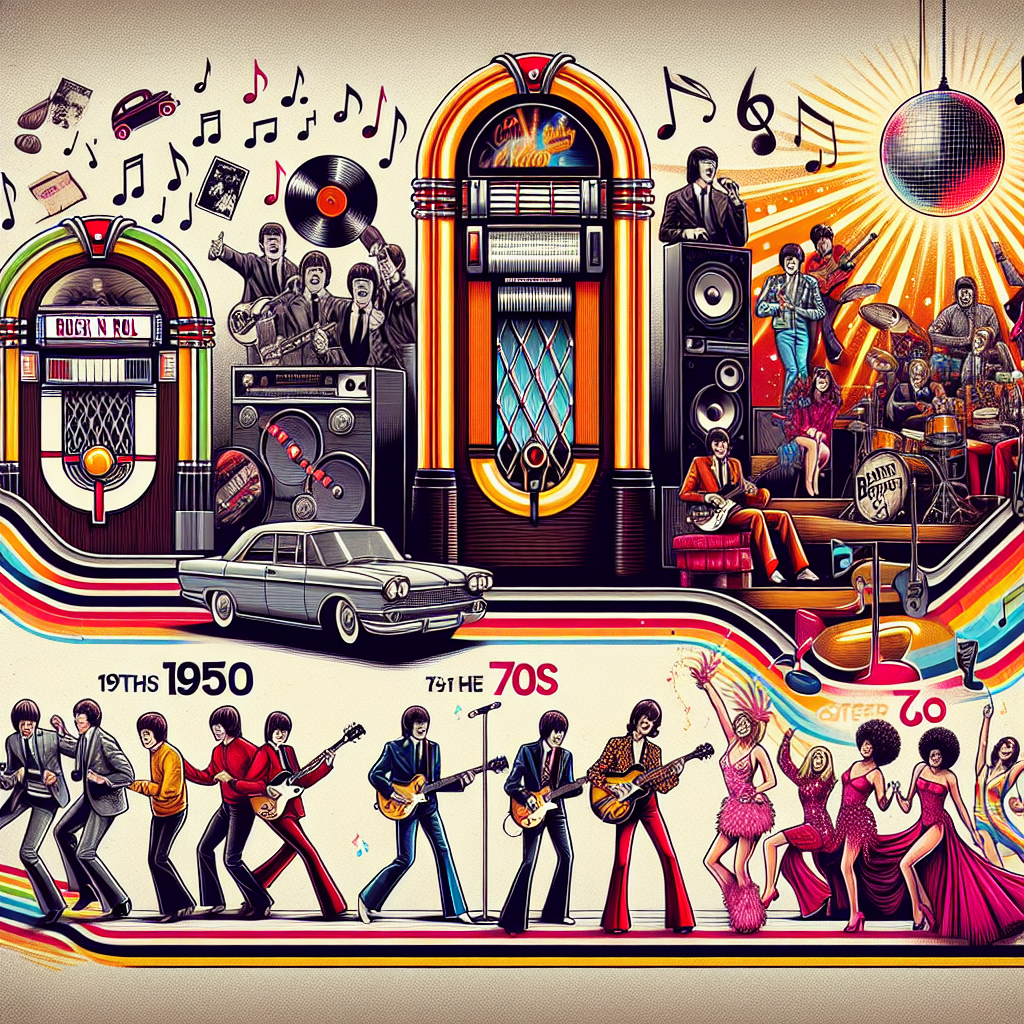
In the 1950s, music was heavily influenced by the post-World War II era. Doo-wop emerged as a popular genre, characterized by its tight harmonies and catchy melodies. Groups like The Platters and The Drifters dominated the charts with hits like “Only You” and “Save the Last Dance for Me.” These songs reflected themes of love, heartbreak, and longing that resonated with young people coming of age in a rapidly changing world.

Politicians also recognized the power of music during this time. Artists like Elvis Presley were seen as rebellious figures who challenged societal norms through their music and fashion choices. Despite this backlash from some conservative groups, rock ‘n’ roll continued to grow in popularity, paving the way for future generations of musicians.

The 1960s brought even more diversity to the music scene. The civil rights movement inspired artists like Aretha Franklin and Marvin Gaye to use their platform to address social issues through their music. Songs like “Respect” and “What’s Going On” became anthems for a generation fighting for equality and justice.

Technology also played a significant role in shaping music during this time. The rise of television brought live performances into living rooms across America, allowing artists to connect with fans on a more personal level. The Beatles’ appearance on The Ed Sullivan Show in 1964 marked a turning point in music history, solidifying their status as global superstars.

By the 1970s, disco had taken over dance floors around the world. Artists like Donna Summer and The Bee Gees created infectious grooves that had people dancing all night long. Disco culture was about more than just the music – it was a lifestyle that embraced diversity, self-expression, and liberation.

Fashion also played a significant role in shaping the music of this era. Bell-bottom pants, platform shoes, and glittering sequins became staples of disco fashion, reflecting the flashy and glamorous nature of the genre.

Overall, the music of the 1950s, 60s, and 70s reflects a time of great change and transformation in American society. From doo-wop harmonies to disco beats, each genre captured a different aspect of culture at that time.

Today, we can still see traces of these musical influences in contemporary artists who draw inspiration from this golden era of music. Whether it’s sampling an old Motown record or paying homage to disco divas on stage, these genres continue to shape our musical landscape in new and exciting ways.

So next time you find yourself listening to your favorite song from this era, take a moment to appreciate not just the catchy melody or infectious beat but also the rich cultural history behind it. From doo-wop to disco – these genres remind us that music has always been a powerful force for change and unity.
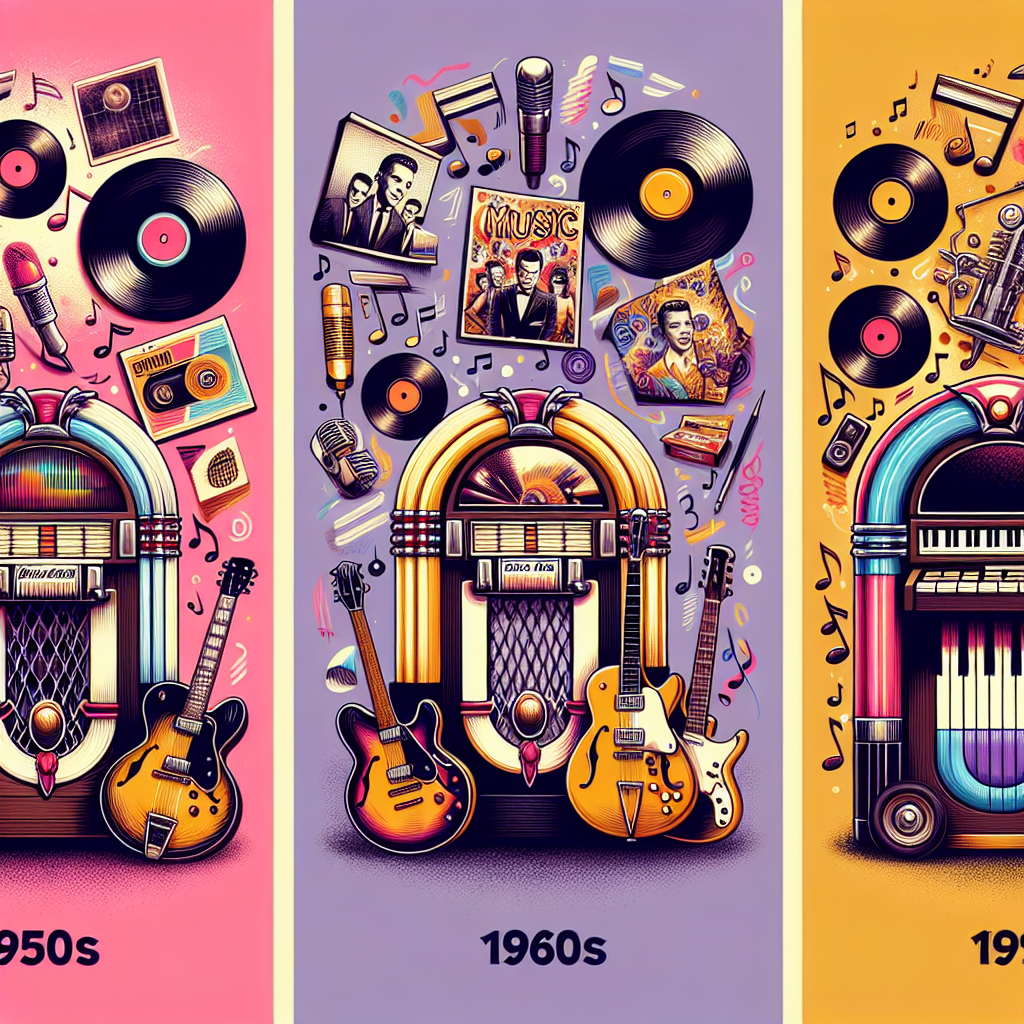
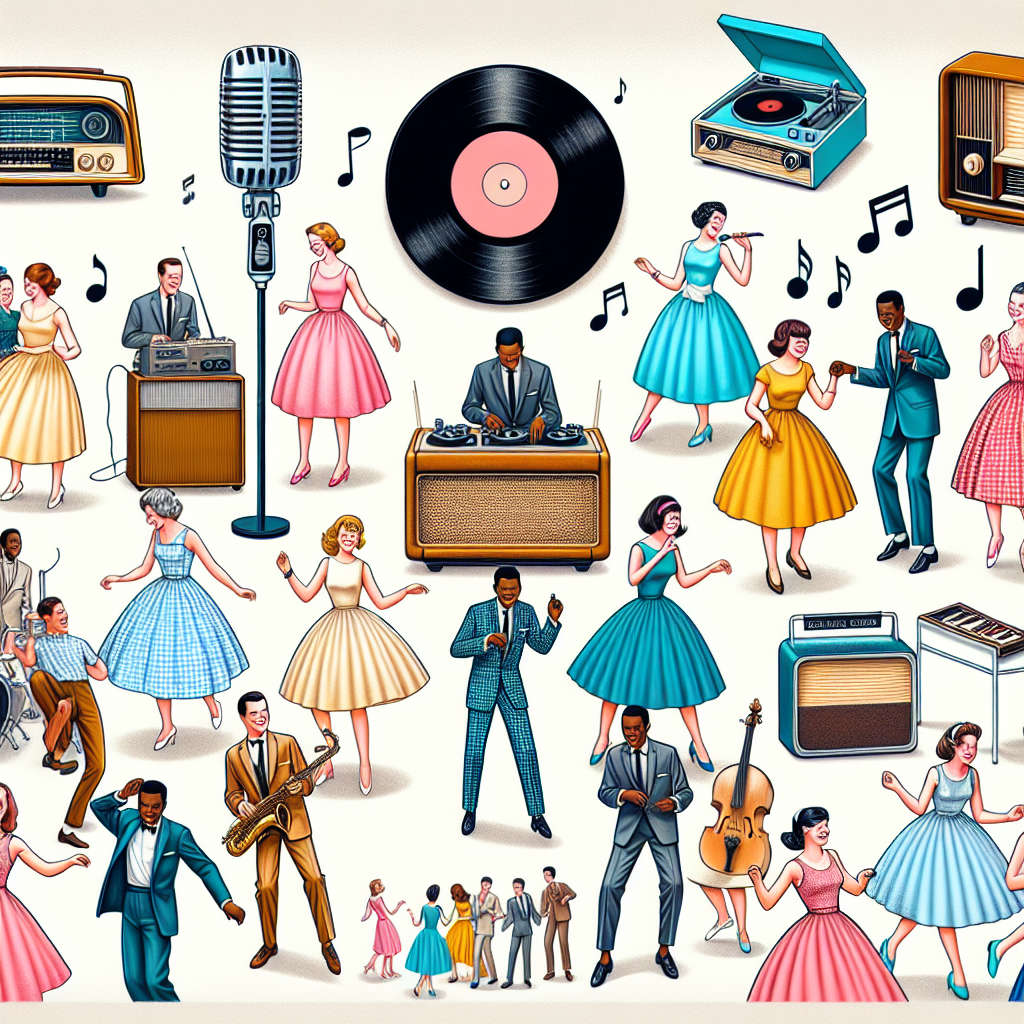
The Soundtrack of a Generation: How Music Defined the Counterculture Movement in the 1960s and 70s

The 1960s and 70s were a time of immense change and upheaval in American society. The counterculture movement emerged as a response to the conservative values that dominated the previous decade, and music played a central role in defining this new cultural landscape. From protest songs to psychedelic rock, the soundtrack of this generation reflected the social and political issues of the time.

One of the most iconic aspects of the counterculture movement was its rejection of mainstream norms and values. This rejection extended to all areas of life, including fashion, politics, and technology. Musicians like Bob Dylan, Joan Baez, and Jimi Hendrix became symbols of this rebellion, using their music to challenge authority and inspire change.

Politicians at the time were often at odds with the counterculture movement, viewing it as a threat to traditional American values. However, music served as a unifying force for those who felt marginalized or oppressed by society. Songs like “Blowin’ in the Wind” by Bob Dylan and “Fortunate Son” by Creedence Clearwater Revival gave voice to those who felt disenfranchised by the government’s policies.

In addition to its political significance, music also played a key role in shaping fashion trends during this era. The hippie aesthetic – characterized by long hair, tie-dye clothing, and bell-bottom pants – became synonymous with the counterculture movement. Musicians like Janis Joplin and Jim Morrison embodied this style, inspiring a generation to embrace individuality and self-expression through their clothing choices.

Technology also played a crucial role in shaping the sound of this generation. The rise of electric guitars and amplifiers allowed musicians to experiment with new sounds and genres, leading to the development of psychedelic rock and other innovative musical styles. Artists like The Beatles and Pink Floyd pushed boundaries with their use of studio effects and unconventional song structures, paving the way for future generations of musicians to explore new sonic possibilities.

Overall, the soundtrack of the counterculture movement in the 1960s and 70s was a powerful force for social change. Music provided a platform for artists to express their views on important issues like civil rights, war, and environmental conservation. It united people from diverse backgrounds under a common cause – challenging societal norms and advocating for greater equality and justice.

In conclusion, music defined an entire generation during one of the most tumultuous periods in American history. The songs that emerged from this era continue to resonate with audiences today, reminding us of the power that music has to shape culture and inspire positive change. As we look back on this transformative period in our history, let us remember the impact that music had on shaping our collective consciousness – driving us towards a more inclusive and progressive society.

The Evolution of Rock and Roll: A Look Back at the Music of the 50’s, 60’s, and 70’s

Rock and roll music has been a significant part of our cultural history, shaping the way we think, dress, and even vote. From its humble beginnings in the 1950s to its peak popularity in the 1960s and 70s, rock and roll has evolved along with society, reflecting the changes in our world.

One of the most notable aspects of rock and roll music is how it has influenced culture. In the 1950s, rock and roll was seen as rebellious and edgy, with artists like Elvis Presley and Chuck Berry pushing boundaries with their music. As the genre grew in popularity in the 1960s, bands like The Beatles and The Rolling Stones became household names, influencing everything from fashion to politics.

Politicians began to take notice of the power of rock and roll music, using it to connect with younger voters. Artists like Bob Dylan and Joan Baez wrote protest songs that spoke out against war and injustice, inspiring a generation to take action. Rock concerts became a platform for political activism, with events like Woodstock bringing together thousands of people in support of peace and love.

Rock and roll also had a significant impact on fashion during this time. The hippie movement of the late 60s brought about a new style that rejected traditional norms in favor of individual expression. Tie-dye shirts, bell-bottom jeans, and fringe jackets became staples of the counterculture fashion scene, reflecting the free-spirited nature of rock music.

Technology played a crucial role in the evolution of rock and roll as well. The invention of electric guitars and amplifiers allowed artists to create new sounds that were louder and more dynamic than ever before. Bands experimented with different recording techniques, producing albums that pushed the boundaries of what was possible in music.

Looking back at the music of the 50s, 60s, and 70s, it’s clear that rock and roll has had a lasting impact on our culture. It continues to inspire artists today, with many musicians citing classic rock bands as influences on their own work.

As we reflect on this era of music history, it’s important to remember how far we’ve come since then. Rock and roll may have evolved over the years, but its spirit lives on in every guitar riff and drum beat that echoes through concert halls around the world.

Music, culture, fashion, technology – these are all aspects of our society that shape our world and influence our lives in various ways. While politicians may often dominate the headlines with their policies and decisions, it is important to remember the positive impact that these other elements have on our daily lives.

Music is a universal language that transcends borders and brings people together. Whether it’s through a catchy pop song or a moving classical piece, music has the power to evoke emotions and create connections between individuals from different backgrounds. It is a form of expression that allows artists to share their stories and experiences with the world, resonating with listeners on a personal level.

Culture plays a significant role in shaping our identities and values. From traditional customs to modern trends, culture influences how we perceive the world around us and interact with others. It enriches our lives by exposing us to new perspectives and ideas, fostering creativity and diversity within society.

Fashion is not just about looking good; it is a reflection of our personalities and beliefs. What we choose to wear can communicate messages about who we are and what we stand for. Fashion trends evolve constantly, influenced by cultural movements and technological advancements. By embracing fashion as a form of self-expression, we can celebrate individuality and creativity in all its forms.

Technology has revolutionized the way we live and work, connecting us in ways that were once unimaginable. From smartphones to social media platforms, technology has transformed how we communicate, learn, and access information. It has opened up new opportunities for collaboration and innovation, shaping the future of industries such as healthcare, education, and entertainment.

While politicians may hold positions of power and authority, it is important to recognize the positive contributions that music, culture, fashion, and technology make to our society. These elements enrich our lives in meaningful ways, fostering creativity, connection, and progress within our communities.

The British Invasion: How Bands like The Beatles and The Rolling Stones Changed the Sound of Music in the 60’s

The 1960s was a decade of immense change and cultural revolution, and one of the most significant shifts during this time was the British Invasion in the music industry. Bands like The Beatles and The Rolling Stones not only dominated the charts, but they also had a profound impact on the sound of music and popular culture as a whole.

One of the key ways in which these bands changed the landscape of music was through their innovative approach to songwriting and production. The Beatles, in particular, were known for their experimentation with different musical styles and techniques, pushing the boundaries of what was considered traditional pop music at the time. Songs like “A Day in the Life” and “Strawberry Fields Forever” showcased their willingness to incorporate elements of psychedelia and avant-garde into their sound, paving the way for future generations of musicians to explore new sonic territories.

Similarly, The Rolling Stones brought a raw energy and rebellious spirit to their music that resonated with audiences around the world. Their blues-inspired rock ‘n’ roll sound was a stark contrast to the more polished image of bands like The Beatles, but it struck a chord with fans who were looking for something edgier and more authentic. Tracks like “Satisfaction” and “Paint It Black” became anthems for a generation that was hungry for change and eager to challenge societal norms.

Aside from their musical contributions, bands like The Beatles and The Rolling Stones also played a significant role in shaping popular culture during this time. Their influence extended beyond just music, impacting areas such as fashion, art, and even politics. The iconic look of The Beatles with their mop-top haircuts and sharp suits became synonymous with 1960s style, while The Rolling Stones’ rebellious attitude inspired a new wave of countercultural movements.

Politicians also took notice of this cultural shift, recognizing the power that music had in shaping public opinion and mobilizing young people. Both bands were outspoken about social issues such as civil rights and war, using their platform to raise awareness and advocate for change. Their activism helped galvanize a generation of young people who were eager to challenge authority and fight for a better world.

Furthermore, advancements in technology played a crucial role in facilitating this musical revolution. The rise of television allowed bands like The Beatles to reach millions of viewers around the world through performances on shows like The Ed Sullivan Show, solidifying their status as global superstars. Similarly, innovations in recording technology gave artists greater creative control over their music, enabling them to experiment with new sounds and production techniques.

In conclusion, it’s clear that bands like The Beatles and The Rolling Stones had a lasting impact on both music and culture during the 1960s. Their innovative approach to songwriting, along with their influence on fashion, politics, and technology, helped shape an entire generation’s worldview and set the stage for future developments in popular music. As we look back on this era today, it’s evident that these bands truly changed the sound of music forever.

Remembering Woodstock: The Legendary Music Festival that Defined a Generation in the Late 60s

Woodstock was a music festival that took place in the late 60s and defined a generation. It was a time when music, culture, fashion, and technology all came together to create an unforgettable experience for those who attended. The festival brought together some of the biggest names in music at the time, including Jimi Hendrix, Janis Joplin, The Who, and many more.

One of the most memorable aspects of Woodstock was the sense of unity and peace that permeated the event. Despite the large crowds and less-than-ideal conditions, attendees banded together to create a sense of community that is still remembered fondly today. In a time of political turmoil and social unrest, Woodstock provided a much-needed escape for many.

Politicians at the time were often critical of events like Woodstock, viewing them as breeding grounds for rebellion and dissent. However, looking back on it now, it’s clear that Woodstock was about much more than just music. It was about coming together as a generation to celebrate what made us unique while also recognizing our shared humanity.

The fashion at Woodstock was as eclectic as the music itself. Attendees wore everything from tie-dye shirts to bell-bottom jeans to flower crowns. The fashion reflected the free-spirited nature of the event and served as a form of self-expression for those in attendance. Even today, Woodstock-inspired fashion continues to be popular among those looking to capture the spirit of the festival.

Technology played a crucial role in making Woodstock possible. From sound systems to stage lighting to portable toilets, technology helped ensure that everything ran smoothly during the event. Without these advancements, Woodstock may not have been able to accommodate the hundreds of thousands of people who showed up to be part of something truly special.

Looking back on Woodstock now, it’s clear that it had a lasting impact on both music and culture. The festival helped pave the way for future events like Coachella and Bonnaroo while also serving as a reminder of what can be achieved when people come together with a common goal in mind.

Overall, remembering Woodstock fills me with nostalgia for a time when anything seemed possible and unity reigned supreme. It serves as a reminder that even in times of turmoil and uncertainty, there is always hope for a better future if we are willing to come together and work towards it.

Revolutionary Sounds: How Music Shaped Culture in the 50’s, 60’s, and 70’s

Music has always played a significant role in shaping culture throughout history. In the 1950s, 60s, and 70s, music had a revolutionary impact on society, influencing not only the way people dressed and behaved but also their political beliefs and attitudes towards technology.

During these decades, musicians such as Elvis Presley, The Beatles, Bob Dylan, and Jimi Hendrix emerged as cultural icons whose music transcended boundaries and connected with people from all walks of life. Their songs reflected the changing social landscape of the time, addressing issues such as civil rights, war, and peace.

Politicians also recognized the power of music in mobilizing support for their causes. Campaign rallies often featured popular songs that resonated with voters and helped convey the candidate’s message. Music became a tool for politicians to connect with young people and tap into the energy of the counterculture movement.

Furthermore, fashion trends in the 50s, 60s, and 70s were heavily influenced by music. Rock ‘n’ roll gave rise to rebellious styles such as leather jackets and skinny jeans, while hippie culture popularized tie-dye shirts and bell-bottom pants. Musicians became fashion icons whose outfits were emulated by fans around the world.

Advancements in technology also played a crucial role in shaping music during this time period. The invention of electric guitars and amplifiers revolutionized the sound of rock ‘n’ roll, while innovations in recording equipment allowed artists to experiment with new sounds and techniques. The rise of radio and television also helped popularize music by giving artists a platform to reach a wider audience.

Overall, music in the 50s, 60s, and 70s had a profound impact on culture by challenging societal norms and pushing boundaries. It provided a voice for marginalized groups and inspired social change through its powerful lyrics and melodies. Musicians used their platform to address pressing issues facing society and encouraged listeners to think critically about the world around them.

In conclusion, music from these decades continues to resonate with audiences today due to its timeless themes and universal appeal. It serves as a reminder of the transformative power of art in shaping culture and inspiring change. As we look back on this era of revolutionary sounds, let us celebrate the artists who paved the way for future generations to express themselves creatively through music.

The British Invasion: How British Bands Took Over American Charts in the 60’s

The British Invasion of the 1960s was a cultural phenomenon that forever changed the music industry in America. British bands such as The Beatles, The Rolling Stones, and The Who took over the American charts with their unique sound and style, leaving a lasting impact on music, culture, fashion, and technology.

Music played a significant role in the British Invasion, as these bands brought a fresh and innovative sound to American audiences. The Beatles, in particular, revolutionized the music industry with their catchy melodies, harmonies, and songwriting abilities. Their influence can still be heard in modern music today.

Culture was also greatly influenced by the British Invasion. Fans of these bands embraced British fashion trends and hairstyles, leading to a shift in American fashion during this time. Politicians even took notice of this cultural shift and began to use popular music as a tool to connect with younger voters.

Technology played a crucial role in spreading the music of British bands across America. The rise of television allowed for these bands to reach a wider audience through appearances on popular shows such as “The Ed Sullivan Show.” This exposure helped catapult them to stardom and solidify their place in American pop culture.

The impact of the British Invasion can still be felt today, as many modern artists cite these bands as major influences on their own music. The legacy of The Beatles, The Rolling Stones, and The Who continues to inspire new generations of musicians and fans alike.

In conclusion, the British Invasion of the 1960s was a groundbreaking moment in music history that forever changed the landscape of popular culture. These bands not only dominated the American charts but also left an indelible mark on fashion, technology, and politics. Their influence is still evident today and serves as a reminder of the power of music to unite people across borders.

Exploring the Evolution of Rock ‘n’ Roll in the 1950s, 60s, and 70s

Rock ‘n’ roll has been a powerful force in shaping music, culture, and society over the past several decades. From its humble beginnings in the 1950s to its peak of popularity in the 1960s and 70s, rock ‘n’ roll has evolved and transformed in response to changing social, political, and technological landscapes.

One of the key factors that contributed to the rise of rock ‘n’ roll was the blending of different musical styles such as rhythm and blues, country, and gospel. This fusion created a new sound that resonated with young audiences who were looking for something fresh and exciting. Artists like Chuck Berry, Elvis Presley, and Little Richard helped popularize this new genre with their energetic performances and catchy tunes.

As rock ‘n’ roll grew in popularity, it began to influence not just music but also fashion and culture. The rebellious spirit of rock ‘n’ roll was reflected in the leather jackets, jeans, and slicked-back hair worn by its fans. This style became synonymous with youth culture and rebellion against societal norms.

Politicians and conservative groups often viewed rock ‘n’ roll as a threat to traditional values and morals. They criticized its lyrics for promoting promiscuity, drug use, and anti-establishment sentiments. Despite these criticisms, rock ‘n’ roll continued to thrive as artists pushed boundaries and challenged societal norms through their music.

Technological advancements also played a significant role in shaping the evolution of rock ‘n’ roll. The invention of electric guitars, amplifiers, and recording equipment allowed artists to experiment with new sounds and create innovative music. This led to the development of subgenres like psychedelic rock, heavy metal, and punk rock that further expanded the boundaries of what was possible in music.

Overall, the evolution of rock ‘n’ roll in the 1950s, 60s, and 70s was a time of creativity, experimentation, and cultural revolution. It brought people together from different backgrounds and inspired them to express themselves through music. While there were challenges along the way, such as censorship and backlash from conservative groups, rock ‘n’ roll persevered as a powerful form of artistic expression.

Today, we can see the lasting impact of rock ‘n’ roll on contemporary music genres like pop, hip-hop, and indie rock. Its influence can be felt in everything from fashion trends to social movements that advocate for change. As we look back on the evolution of rock ‘n’ roll during these decades, we can appreciate how it shaped our world into what it is today – vibrant, diverse, and full of creative energy.

From Doo-Wop to Disco: Exploring the Diversity of Music in the 50’s, 60’s, and 70’s

The 1950s, 1960s, and 1970s were a time of immense cultural change in America. The music of these decades reflected the shifting attitudes and values of society, as well as advancements in technology and fashion. From doo-wop to disco, the diversity of music during this time period was truly remarkable.

One of the most significant aspects of music in the 50s, 60s, and 70s was its ability to bring people together. In a time when racial tensions were high and political divisions ran deep, music provided a common ground for people of all backgrounds to come together and enjoy something they loved. Doo-wop groups like The Platters and The Drifters brought harmony to a divided nation with their smooth vocal stylings and catchy melodies.

As the civil rights movement gained momentum in the 1960s, musicians began using their platform to address social issues. Artists like Bob Dylan and Joan Baez sang about peace, love, and equality, inspiring a generation to stand up for what they believed in. The music of this era became an anthem for change, with songs like “Blowin’ in the Wind” and “We Shall Overcome” serving as rallying cries for activists across the country.

The 1970s saw the rise of disco music, which brought a whole new energy to the dance floor. With its infectious beats and flashy outfits, disco became synonymous with fun and freedom. Artists like Donna Summer and The Bee Gees dominated the charts with their disco hits, creating a soundtrack for a generation that just wanted to dance their troubles away.

Music wasn’t the only aspect of culture that was changing during this time period. Fashion also played a major role in shaping the identity of these decades. From poodle skirts and leather jackets in the 50s to bell-bottom jeans and platform shoes in the 70s, each decade had its own unique style that reflected the spirit of the times.

Advancements in technology also had a profound impact on music during this era. The invention of electric guitars revolutionized rock ‘n’ roll, while synthesizers paved the way for electronic dance music. These technological innovations allowed artists to experiment with new sounds and push boundaries in ways that were previously unimaginable.

Politicians may have been divided during these decades, but music had a way of transcending political differences and bringing people together. Whether it was at Woodstock or Studio 54, music provided a space where everyone could come together and celebrate life in all its glory.

In conclusion, the diversity of music in the 50s, 60s, and 70s is a testament to the power of art to unite us all. From doo-wop to disco, each genre had its own unique voice that spoke to people from all walks of life. As we look back on these decades with nostalgia and fondness, let’s remember the impact that music had on our culture and society as a whole.