Revolutionary Women in Music: Pioneering Female Artists

Throughout history, women have played a significant role in shaping the music industry and pushing boundaries in various genres. These revolutionary female artists have not only made their mark in music but also influenced culture, politics, fashion, and technology. Their contributions have paved the way for future generations of women to pursue their passion for music and make their voices heard.

Music

From Billie Holiday to Beyoncé, women have been at the forefront of music innovation and creativity. These pioneering female artists have broken barriers and challenged societal norms through their powerful lyrics and mesmerizing performances. Their music has resonated with audiences around the world, sparking conversations about social issues, love, empowerment, and everything in between.

Culture

Female musicians have had a profound impact on culture by using their platforms to address important social issues such as gender equality, racial injustice, LGBTQ rights, and more. Through their artistry, they have sparked important conversations and encouraged listeners to think critically about the world around them. Their influence extends beyond the stage as they continue to advocate for change and inspire others to do the same.

Politicians

Many female musicians have used their voices not only through their music but also by speaking out on political issues that matter to them. From advocating for human rights to supporting environmental causes, these revolutionary women are unafraid to use their platforms for good. By engaging with politicians and policymakers, they are able to effect change on a larger scale and make a difference in the world.

Fashion

In addition to their musical talents, many female artists are also known for their bold fashion choices that push boundaries and defy traditional gender norms. From Madonna’s iconic cone bra to Lady Gaga’s avant-garde outfits, these women use fashion as a form of self-expression and empowerment. Their unique styles have inspired countless fans to embrace individuality and express themselves freely.

Technology

Female musicians have also been at the forefront of technological innovation in the music industry. From producing their own music using digital software to connecting with fans through social media platforms, these women are constantly pushing boundaries and exploring new ways to share their art with the world. By embracing technology, they are able to reach wider audiences and connect with fans in ways that were previously unimaginable.

In conclusion, revolutionary women in music continue to inspire us with their creativity, passion, and dedication to making a positive impact on the world. Through their music, culture influence politicians’ advocacy for change fashion statements technological advancements; these pioneering female artists remind us of the power of artistry in shaping society and driving progress forward.

Woodstock and Beyond: The Legacy of Music Festivals in the 60s and 70s

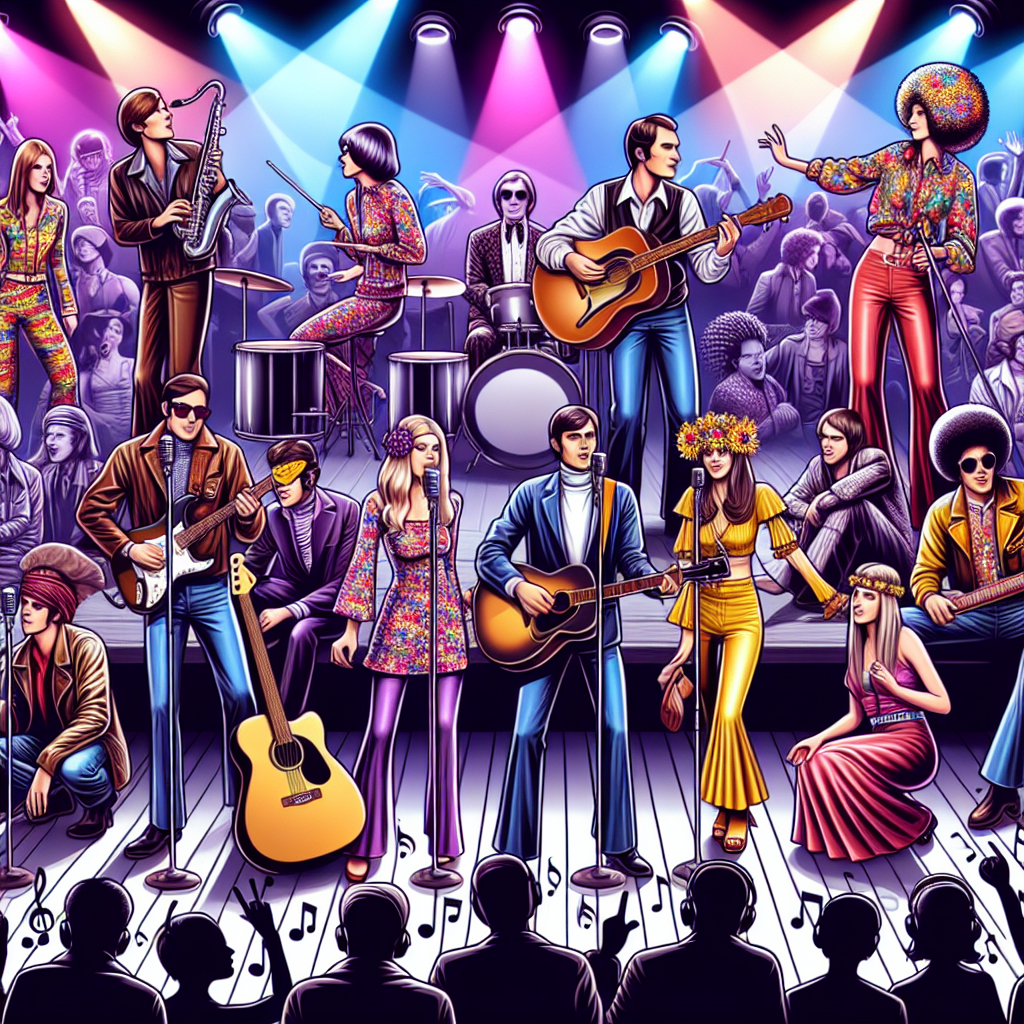
The 1960s and 1970s were a time of great change and revolution, both socially and culturally. One of the most iconic aspects of this era was the rise of music festivals, with Woodstock being the pinnacle of this movement. These festivals not only showcased some of the greatest musical talents of the time but also became a platform for expressing political views, promoting new fashion trends, and embracing cutting-edge technology.

Music festivals like Woodstock were more than just concerts; they were cultural events that brought people together in a way that had never been seen before. The music played at these festivals was often a reflection of the political and social climate of the time, with artists using their platform to speak out against war, racism, and other injustices. This blending of music and activism helped to shape the culture of the era and inspired many to take action in their own communities.

Politicians also recognized the power of music festivals as a way to connect with younger voters. Many politicians attended these events, using them as an opportunity to engage with their constituents in a more relaxed setting. This interaction helped to bridge the gap between politicians and young people, leading to greater participation in politics from a generation that had previously felt disconnected from the system.

In addition to politics, music festivals also played a significant role in shaping fashion trends during this time. The clothing worn by festival-goers became synonymous with counterculture movements, with tie-dye shirts, bell-bottom jeans, and fringe vests becoming staples of festival fashion. These styles continue to influence fashion today, with many designers drawing inspiration from the looks popularized at these events.

Technology also played a crucial role in shaping music festivals during this era. Advances in sound equipment allowed for larger crowds to enjoy live performances without sacrificing audio quality. Additionally, innovations like light shows and video projections added an extra layer of visual excitement to these events. The integration of technology into music festivals helped to create an immersive experience for attendees that went beyond just listening to music.

Overall, the legacy of music festivals in the 1960s and 1970s is one that continues to inspire us today. These events brought people together through a shared love of music while also providing a platform for social and political change. The impact of Woodstock and other iconic festivals from this era can still be felt in our culture today, as we continue to embrace new ideas and push boundaries in all aspects of society.

Folk Music Revival: The Impact of Bob Dylan and Joni Mitchell in the 60’s

Throughout history, music has played a crucial role in shaping culture and society. In the 1960s, the folk music revival had a significant impact on the world, with artists like Bob Dylan and Joni Mitchell leading the way. Their music not only influenced the sound of the era but also had a profound effect on politics, fashion, and technology.

Bob Dylan was one of the most influential figures of the folk music revival. His poetic lyrics and unique voice captured the spirit of the times, addressing social issues and advocating for change. Songs like “Blowin’ in the Wind” and “The Times They Are a-Changin'” became anthems for the civil rights movement and anti-war protests. Dylan’s music inspired a generation to question authority and fight for justice.

Joni Mitchell was another key figure in the folk music revival. Her introspective songwriting and distinctive voice made her stand out in a male-dominated industry. Mitchell’s songs explored themes of love, loss, and personal growth, resonating with audiences around the world. Tracks like “Both Sides Now” and “Big Yellow Taxi” showcased her talent as both a songwriter and performer.

The impact of Bob Dylan and Joni Mitchell went beyond just their music. Their influence could be seen in fashion trends of the time, with many young people adopting a more bohemian style inspired by folk musicians. The rise of hippie culture in the 1960s was closely tied to this new aesthetic, embracing long hair, flowy clothing, and an overall rejection of mainstream norms.

Politicians also took notice of the power of folk music during this time. Artists like Dylan and Mitchell were seen as voices of dissent, challenging traditional values and calling for social change. Their songs were often played at rallies and protests, helping to mobilize activists and galvanize movements for equality and justice.

Technology played a role in spreading the message of folk musicians like Bob Dylan and Joni Mitchell. The rise of radio and television allowed their music to reach larger audiences than ever before. Fans could now listen to their favorite songs from the comfort of their own homes or see them perform live on TV shows like “The Ed Sullivan Show” or “The Tonight Show.”

Overall, it is clear that Bob Dylan and Joni Mitchell had a lasting impact on music, culture, politics, fashion, and technology during the 1960s folk music revival. Their influence continues to be felt today, inspiring new generations of artists to speak out against injustice and create meaningful art that resonates with audiences around the world.

From Doo-Wop to Disco: Exploring the Diversity of Music in the 50’s, 60’s, and 70’s

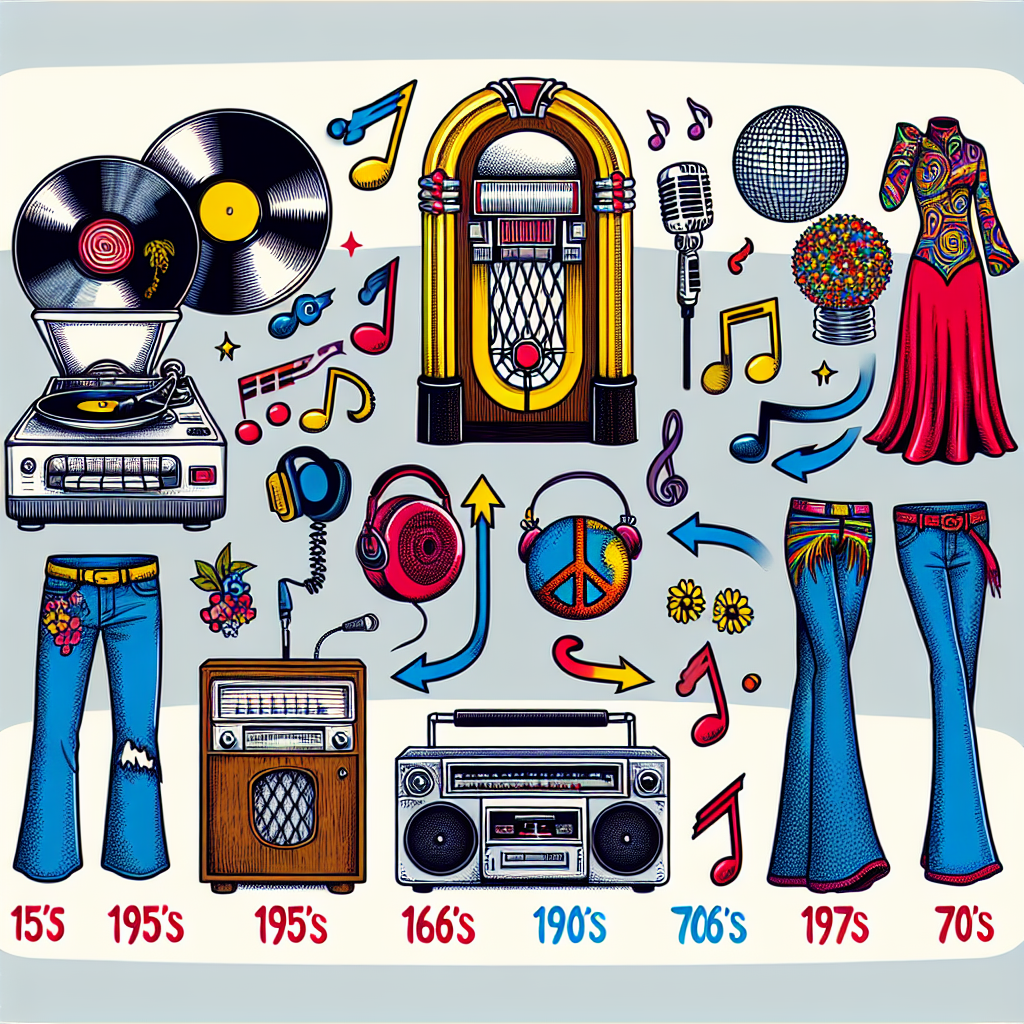
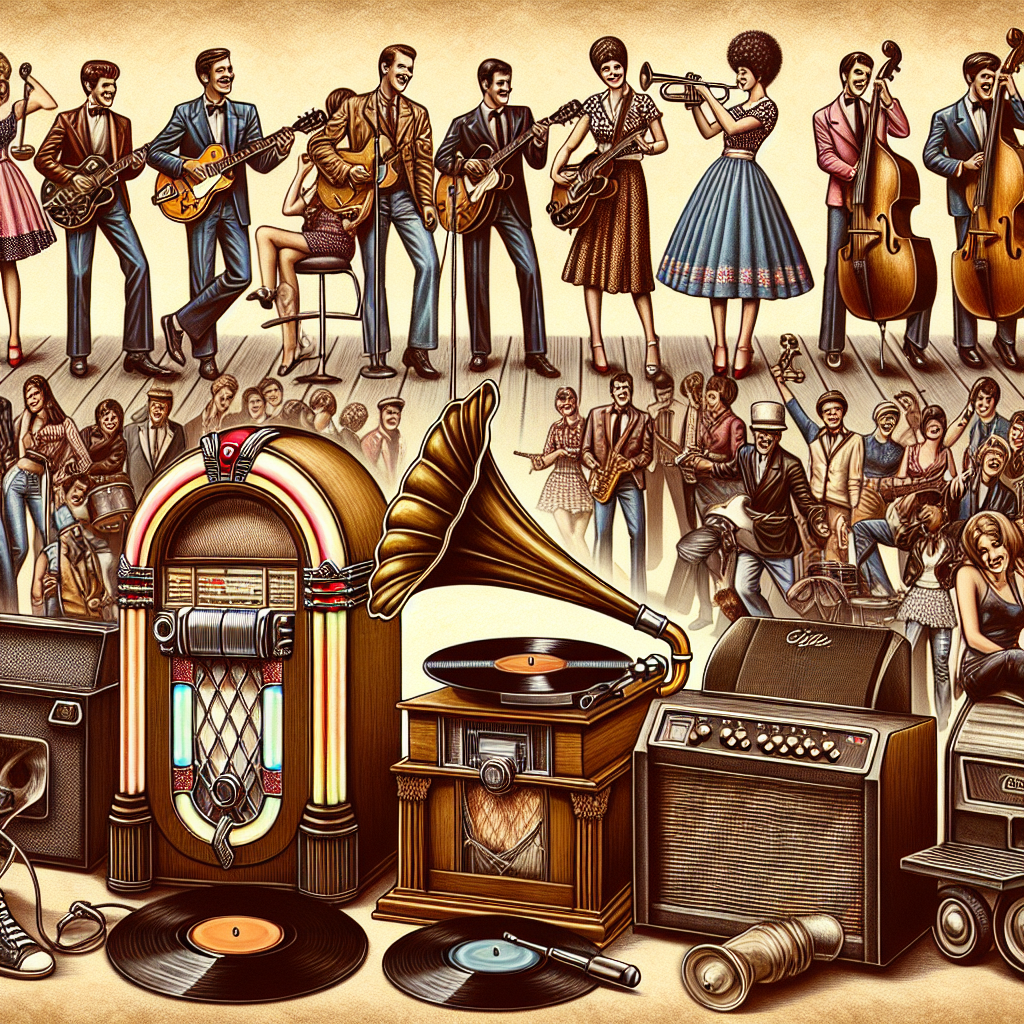
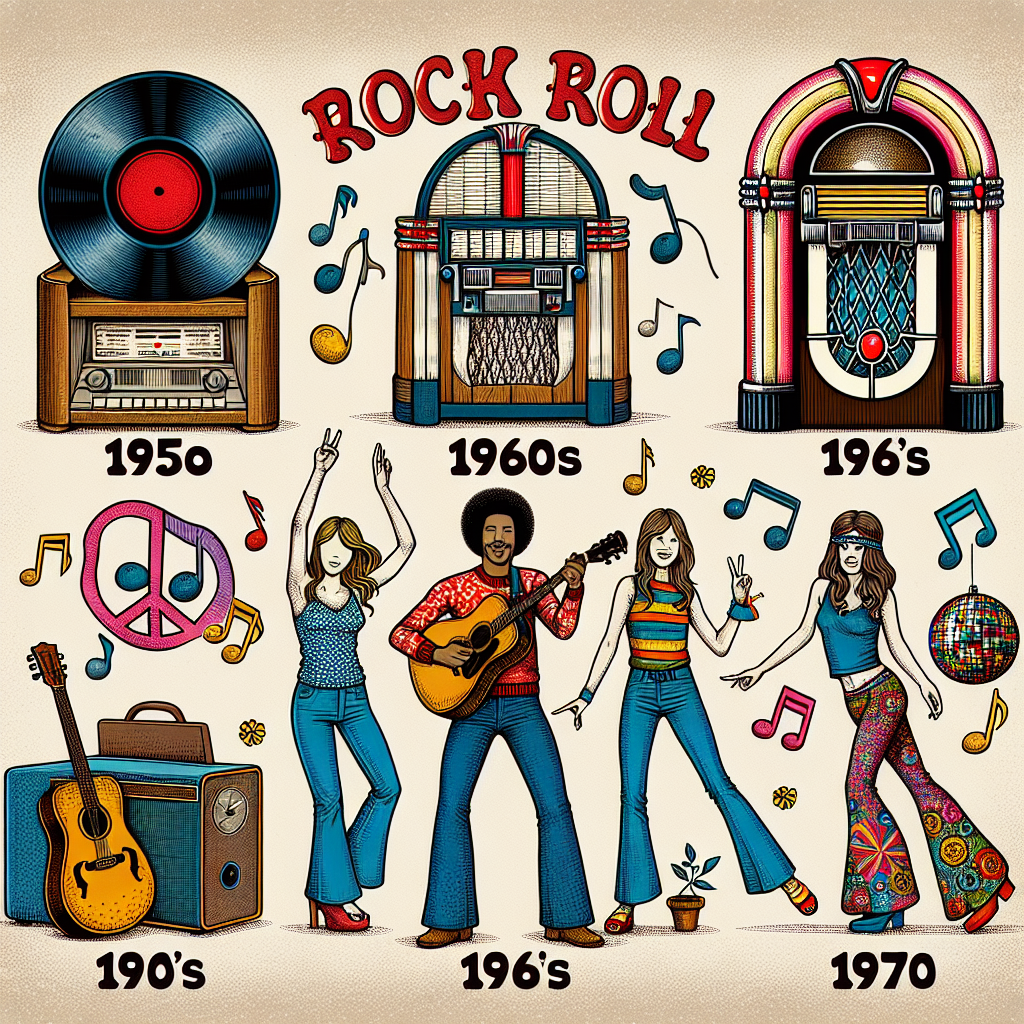
The 1950s, 1960s, and 1970s were decades of immense cultural change and growth. From the doo-wop tunes of the 50s to the disco beats of the 70s, music played a crucial role in shaping the culture of these eras. Let’s take a closer look at how music evolved during these three decades and how it reflected the diversity of society.

1950s: The Doo-Wop Era

The 1950s marked a time of post-war prosperity and optimism in America. Doo-wop music emerged as a popular genre, characterized by its harmonious vocals and catchy melodies. Groups like The Platters, The Drifters, and The Coasters dominated the charts with their smooth vocal harmonies.

Politicians often used music as a way to connect with voters during this time. For example, President Eisenhower famously had Elvis Presley visit the White House to discuss youth culture and music trends. Fashion also played a significant role in shaping the culture of the 50s, with poodle skirts and leather jackets becoming iconic symbols of the era.

1960s: The Rock ‘n’ Roll Revolution

The 1960s saw a seismic shift in music with the rise of rock ‘n’ roll. Bands like The Beatles, The Rolling Stones, and The Beach Boys revolutionized popular music with their innovative sounds and rebellious attitudes.

Technology also played a crucial role in shaping music during this decade. The introduction of electric guitars and amplifiers allowed musicians to experiment with new sounds and genres. This technological advancement paved the way for psychedelic rock bands like Jimi Hendrix Experience and Jefferson Airplane to push musical boundaries even further.

1970s: The Disco Fever

The 1970s brought about the disco era, characterized by its danceable beats and flashy fashion. Artists like Donna Summer, Bee Gees, and Chic dominated the charts with their infectious disco hits.

Culture in the 70s was heavily influenced by disco music, with nightclubs becoming popular destinations for young people looking to dance away their troubles. Politicians also embraced disco culture as a way to connect with voters, hosting events at Studio 54 and other iconic clubs.

The Diversity of Music

From doo-wop to disco, each decade brought about its own unique style of music that reflected the diverse cultures and societal changes happening at the time. Music became a powerful tool for expressing emotions, challenging norms, and bringing people together.

As we look back on these three decades of musical evolution, we can appreciate the impact that artists had on shaping our culture and society. Their innovative sounds continue to inspire musicians today as they push boundaries and explore new genres.

In Conclusion

The diversity of music in the 1950s, 1960s, and 1970s reflects the ever-changing landscape of our society. From doo-wop harmonies to disco beats, each genre tells a story about our past while inspiring future generations to create their own musical legacies.

So next time you put on your favorite oldies playlist or hit up a retro-themed dance party, take a moment to appreciate how far we’ve come since those golden decades – all thanks to the power of music!

A Look Back at the Most Influential Artists of the Decades: The Beatles, Elvis Presley, and more

As we look back on the past few decades, it’s clear that music has played a significant role in shaping our culture, influencing politicians, fashion trends, and even technology. Some artists have had a lasting impact on society, leaving a mark that can still be felt today. Let’s take a look at some of the most influential artists of the decades.

The Beatles

One of the most iconic bands in history, The Beatles revolutionized music and pop culture in the 1960s. Their innovative sound and catchy tunes captivated audiences around the world, making them one of the best-selling music artists of all time. The Beatles’ influence extended beyond music, as their style and fashion choices also left a lasting impact on society.

Elvis Presley

Known as the “King of Rock and Roll,” Elvis Presley was a trailblazer in the music industry. His unique blend of rock, country, and blues made him a cultural icon in the 1950s and 1960s. Elvis’ energetic performances and charismatic personality helped shape popular culture during his time, influencing not only music but also fashion trends.

Michael Jackson

Michael Jackson is often referred to as the “King of Pop,” and for good reason. His groundbreaking albums like “Thriller” broke records and set new standards for pop music. Michael’s innovative dance moves and trendsetting fashion choices made him an influential figure in both music and culture.

Madonna

Madonna is another artist who has had a significant impact on society over the years. Known for her provocative lyrics and bold fashion statements, Madonna pushed boundaries in both music and fashion. Her influence can still be seen today in pop culture icons like Lady Gaga and Beyoncé.

Jay-Z

Jay-Z is one of the most successful hip-hop artists of all time, with numerous hit albums under his belt. Beyond his musical talents, Jay-Z has also made a name for himself as a savvy businessman and philanthropist. His influence extends beyond just music, as he has become a cultural icon known for his entrepreneurship and activism.

Taylor Swift

Taylor Swift burst onto the scene in the late 2000s with her country-pop crossover hits. Since then, she has become one of the biggest names in music with multiple Grammy wins and chart-topping albums. Taylor’s honest songwriting about love and heartbreak has resonated with fans around the world, solidifying her status as an influential artist.

In Conclusion

These are just a few examples of artists who have had a lasting impact on society through their music, fashion choices, and overall influence on popular culture. As we look back on these decades, it’s clear that these artists have shaped our world in more ways than one.

Music will always be intertwined with culture, politics, fashion trends, and technology – reflecting our society at any given moment. It’s important to recognize these influential artists who have helped shape our world into what it is today.

Woodstock: A Retrospective on the Legendary Music Festival of the 60’s

Woodstock: A Retrospective on the Legendary Music Festival of the 60’s

Woodstock. The name alone conjures up images of peace, love, and music. It was a time when young people came together to celebrate life, love, and music in a way that had never been done before. The Woodstock Music & Art Fair, as it was officially known, took place over three days in August 1969 on a dairy farm in Bethel, New York. It is widely regarded as one of the pivotal moments in music history.

The festival featured some of the biggest names in music at the time, including Jimi Hendrix, Janis Joplin, The Who, and Crosby, Stills, Nash & Young. Over 400,000 people attended the event, making it one of the largest gatherings of its kind at that time.

But Woodstock was about more than just music. It was a cultural phenomenon that reflected the values and attitudes of the counterculture movement of the 1960s. The festival became a symbol of peace and unity during a tumultuous time in American history.

Politicians may have been wary of what Woodstock represented at first, but they soon realized that it was a powerful force for change. The festival showed that young people were eager to come together and create positive change in society.

Woodstock also had a significant impact on fashion. The hippie style that emerged from the festival – long hair, bell-bottoms, tie-dye shirts – became iconic symbols of the era. Even today, you can see echoes of Woodstock fashion in modern clothing trends.

Technology played a crucial role in making Woodstock possible. From sound systems to stage lighting to portable toilets (which were invented specifically for the festival), technology helped ensure that everything ran smoothly during those three chaotic days.

In retrospect, Woodstock was more than just a music festival; it was a cultural touchstone that continues to resonate with people around the world. Its message of peace and love is as relevant today as it was back in 1969.

p { font-size: 16px; line-height: 1.5; margin-bottom: 20px; }

Behind the Hits: Stories and Secrets from Classic Songs of the 50’s, 60’s, and 70’s

Music has always been a reflection of the culture and society in which it was created. From the rebellious rock ‘n’ roll of the 1950s to the psychedelic sounds of the 1960s and the disco beats of the 1970s, each decade brought its own unique style and sound.

One book that delves into the stories and secrets behind some of the classic songs from these decades is “Behind the Hits: Stories and Secrets from Classic Songs of the 50’s, 60’s, and 70’s.” This fascinating read takes readers on a journey through time, exploring how music has evolved alongside changes in politics, fashion, and technology.

The Influence of Politicians

During the 1960s, musicians began using their platform to speak out against social injustices and political corruption. Songs like Bob Dylan’s “Blowin’ in the Wind” became anthems for civil rights activists, while artists like The Beatles used their music to protest against war.

Politicians also found ways to use music to their advantage. Campaign songs became a popular way for politicians to connect with voters and rally support. Some iconic campaign songs from this era include “Happy Days Are Here Again” by Franklin D. Roosevelt and “I’m a Dole Man” by Bob Dole.

The Evolution of Fashion

Music has always been closely tied to fashion, with musicians often setting trends that influence what people wear. In the 1950s, Elvis Presley’s signature pompadour hairstyle and flashy jumpsuits became synonymous with rockabilly style. The Beatles revolutionized men’s fashion in the 1960s with their collarless suits and shaggy haircuts.

The rise of disco in the 1970s brought about a whole new fashion craze, with glittery outfits, platform shoes, and bell-bottom pants becoming staples of disco culture. Artists like Donna Summer and The Bee Gees embraced this flashy style both on stage and off.

The Impact of Technology

Advancements in technology have played a significant role in shaping the sound of music over the years. The introduction of electric guitars in the 1950s revolutionized rock ‘n’ roll music, giving artists like Chuck Berry and Buddy Holly a new way to express themselves.

Innovations like multitrack recording also had a major impact on how music was produced. Artists like The Beach Boys used this technology to create complex harmonies and layered arrangements that were previously impossible to achieve in a live setting.

A Positive Outlook

“Behind the Hits” offers readers an inside look at some of the most iconic songs from the golden age of music. By exploring how these songs were influenced by politics, fashion, and technology, we gain a deeper understanding of how music can shape our culture and society.

This book serves as a reminder that even during turbulent times, music has the power to unite us and bring about positive change. It shows us that no matter what challenges we face as a society, there is always hope for a brighter future through creativity and expression.

Woodstock and Beyond: The Legacy of Music Festivals in the 60’s and 70’s

Woodstock and other music festivals of the 1960s and 1970s left a lasting legacy on our culture, influencing not only the music industry but also fashion, technology, and even politics. These iconic events brought people together in a way that had never been seen before, creating a sense of unity and peace that transcended social boundaries.

One of the most significant impacts of these festivals was their influence on music. The lineup at Woodstock included some of the biggest names in rock and folk music at the time, such as Jimi Hendrix, Janis Joplin, and The Who. These artists used their platform to spread messages of love, peace, and social change, inspiring a whole generation to question authority and stand up for what they believed in.

But it wasn’t just the music that made these festivals so special – it was the culture that surrounded them. People from all walks of life came together to celebrate their shared love of music, creating a sense of community that extended far beyond the festival grounds. This spirit of unity and cooperation was reflected in everything from the makeshift campsites to the impromptu jam sessions that popped up throughout the event.

Politicians also took notice of this cultural shift, with many realizing that they could no longer ignore the voices of young people who were demanding change. The civil rights movement, women’s liberation movement, and anti-war protests all gained momentum during this time, thanks in part to the energy and passion generated by events like Woodstock.

Even fashion was influenced by these festivals, with hippie style becoming increasingly popular as young people embraced a more relaxed and bohemian look. Tie-dye shirts, bell-bottom jeans, and fringe vests all became staples of 60s fashion, reflecting a desire for freedom and self-expression.

And let’s not forget about technology – Woodstock was one of the first festivals to be broadcast live on television, reaching an audience of millions who couldn’t attend in person. This marked a turning point in how we consume live music events, paving the way for future festivals to be streamed online or broadcast on TV.

Overall, the legacy of Woodstock and other music festivals from the 60s and 70s is one of positivity and hope. These events showed us what can be achieved when people come together with a shared purpose – whether it’s to enjoy great music or fight for social justice. They remind us that we are capable of creating change if we work together towards a common goal.

Iconic Album Covers of the 50’s, 60’s, and 70’s: A Visual Journey Through Music History

Iconic Album Covers of the 50’s, 60’s, and 70’s: A Visual Journey Through Music History

Music has always been a powerful force in shaping culture and society. From the rebellious sounds of rock ‘n’ roll in the 1950s to the psychedelic tunes of the 1960s and the disco beats of the 1970s, each decade brought its own unique style and sound. But music wasn’t just about what you heard – it was also about what you saw.

Album covers played a crucial role in defining an artist’s image and capturing the essence of their music. From bold graphics to striking photographs, these iconic album covers became works of art in their own right, reflecting the trends and attitudes of their time.

The 1950s: Rock ‘n’ Roll Revolution

The 1950s marked a period of great change in American society, with rock ‘n’ roll emerging as a powerful force for rebellion and self-expression. Artists like Elvis Presley and Chuck Berry became icons of this new musical movement, with album covers that reflected their edgy style.

One iconic album cover from this era is Elvis Presley’s self-titled debut album, released in 1956. The cover features a striking black-and-white photograph of Elvis against a blue background, showcasing his signature pompadour hairstyle and smoldering gaze. This image captured the raw energy and charisma that made Elvis a cultural phenomenon.

The 1960s: Psychedelic Sounds and Counterculture Movements

The 1960s were a time of social upheaval and experimentation, with music playing a central role in shaping the counterculture movements of the era. The rise of psychedelic rock bands like The Beatles and Jimi Hendrix brought with it a new wave of album cover art that pushed boundaries and challenged conventions.

One standout example is The Beatles’ “Sgt. Pepper’s Lonely Hearts Club Band,” released in 1967. The cover features a colorful collage of famous figures from history, pop culture, and politics – including Marilyn Monroe, Bob Dylan, Karl Marx, and Albert Einstein – surrounding The Beatles themselves in vibrant costumes. This visually stunning artwork encapsulated the spirit of the psychedelic era.

The 1970s: Disco Fever and Glam Rock Extravaganza

The 1970s were characterized by disco fever, glam rock extravagance, and political turmoil. Artists like David Bowie, Donna Summer, and Pink Floyd dominated the airwaves with their infectious beats and boundary-pushing lyrics.

One iconic album cover from this era is Pink Floyd’s “The Dark Side of the Moon,” released in 1973. The cover features a simple yet striking prism design against a black background – instantly recognizable to music fans around the world. This minimalist artwork perfectly complemented Pink Floyd’s groundbreaking soundscapes and thought-provoking lyrics.

Conclusion: A Visual Journey Through Music History

From Elvis Presley to The Beatles to Pink Floyd, these iconic album covers have become timeless symbols of their respective eras – capturing not only the sound but also the spirit of their music. In an age where technology has made music more accessible than ever before, these visual artifacts remind us that music is not just about what we hear but also about what we see.

As we look back on these iconic album covers from the 50s, 60s, and 70s, we are reminded of how music has shaped our culture, influenced our fashion choices, challenged our political beliefs – all while pushing technological boundaries along the way. These album covers are more than just pieces of cardboard – they are windows into our collective past.

Iconic Bands of the Decades: A Tribute to the Music Legends of the 50’s, 60’s, and 70’s

When we think of the iconic bands of the past decades, we are transported to a time when music was more than just entertainment – it was a cultural phenomenon that shaped the world in many ways. From the rebellious rock ‘n’ roll of the 50’s to the psychedelic sounds of the 60’s and the disco fever of the 70’s, each decade brought its own unique style and sound that continues to influence music today.

Music has always been intertwined with culture, politics, fashion, and technology. In the 50’s, rock ‘n’ roll bands like Elvis Presley and The Beatles were at the forefront of a cultural revolution that challenged societal norms and paved the way for future generations of musicians. Their music spoke to a generation looking for something new and exciting, and their influence can still be felt in modern music.

Politicians also recognized the power of music in connecting with voters. Many politicians used popular songs from iconic bands as campaign anthems to rally support and energize their base. Music became a tool for politicians to connect with voters on a deeper level and convey their message in a more relatable way.

Fashion also played a significant role in shaping the image of iconic bands. From Elvis’ slicked-back hair and leather jackets to The Beatles’ mod suits and mop-top haircuts, each band had its own signature look that became synonymous with their music. Fans emulated their favorite band members’ style, creating fashion trends that defined entire eras.

Technology also played a crucial role in shaping the sound of iconic bands. Advancements in recording technology allowed bands to experiment with new sounds and techniques, leading to groundbreaking albums that pushed the boundaries of what was thought possible in music. Bands like Pink Floyd used innovative recording techniques to create immersive sonic landscapes that captivated listeners.

A Tribute to Music Legends

As we look back on the iconic bands of the past decades, it is clear that their influence extends far beyond just music. They were cultural icons who challenged conventions, inspired change, and left an indelible mark on society. Their music continues to resonate with audiences around the world, proving that great music is timeless.

So let’s raise our glasses to these legendary bands who have shaped our world in so many ways. May their music continue to inspire future generations of musicians and fans alike, keeping their legacy alive for years to come.