From Elvis to The Beatles: A Look at the Icons Who Defined Music

When we think of music icons who have left an indelible mark on our culture, two names immediately come to mind: Elvis Presley and The Beatles. These legendary artists not only revolutionized the music industry but also influenced various aspects of society including politics, fashion, and technology.

Elvis Presley, often referred to as the “King of Rock and Roll,” burst onto the music scene in the 1950s with his unique blend of rock, country, and gospel music. His energetic performances and charismatic persona captivated audiences around the world, making him a global sensation. Elvis’ impact on music was unparalleled, as he paved the way for future generations of artists to explore new sounds and styles.

But Elvis’ influence extended beyond just music. His rebellious image challenged societal norms and sparked a cultural revolution. Young people flocked to his concerts, eager to embrace his edgy style and carefree attitude. Elvis’ popularity even caught the attention of politicians, who recognized his ability to connect with voters and shape public opinion.

Similarly, The Beatles took the world by storm in the 1960s with their catchy tunes and infectious charm. This British band quickly became synonymous with the “British Invasion,” a cultural phenomenon that saw British artists dominating the American music charts. The Beatles’ innovative sound and experimental approach to songwriting set them apart from their contemporaries, earning them a devoted fan base that spanned generations.

Like Elvis before them, The Beatles transcended boundaries and inspired a new wave of creativity in popular culture. Their influence could be seen not only in music but also in fashion trends and technological advancements. The band’s distinctive hairstyles and mod clothing became iconic symbols of the Swinging Sixties, while their use of studio techniques revolutionized the way music was recorded and produced.

It’s clear that both Elvis Presley and The Beatles were more than just musicians – they were cultural icons who shaped our understanding of artistry, creativity, and self-expression. Their impact on society continues to resonate today, reminding us of the power of music to unite people across different backgrounds and beliefs.

In conclusion, From Elvis to The Beatles: A Look at the Icons Who Defined Music showcases how these legendary artists influenced not only our musical landscape but also our cultural identity. Their contributions have left an indelible mark on history, inspiring future generations to push boundaries and explore new possibilities in art and entertainment.
Top Hits of the 50’s, 60’s, and 70’s: A Nostalgic Trip Down Memory Lane

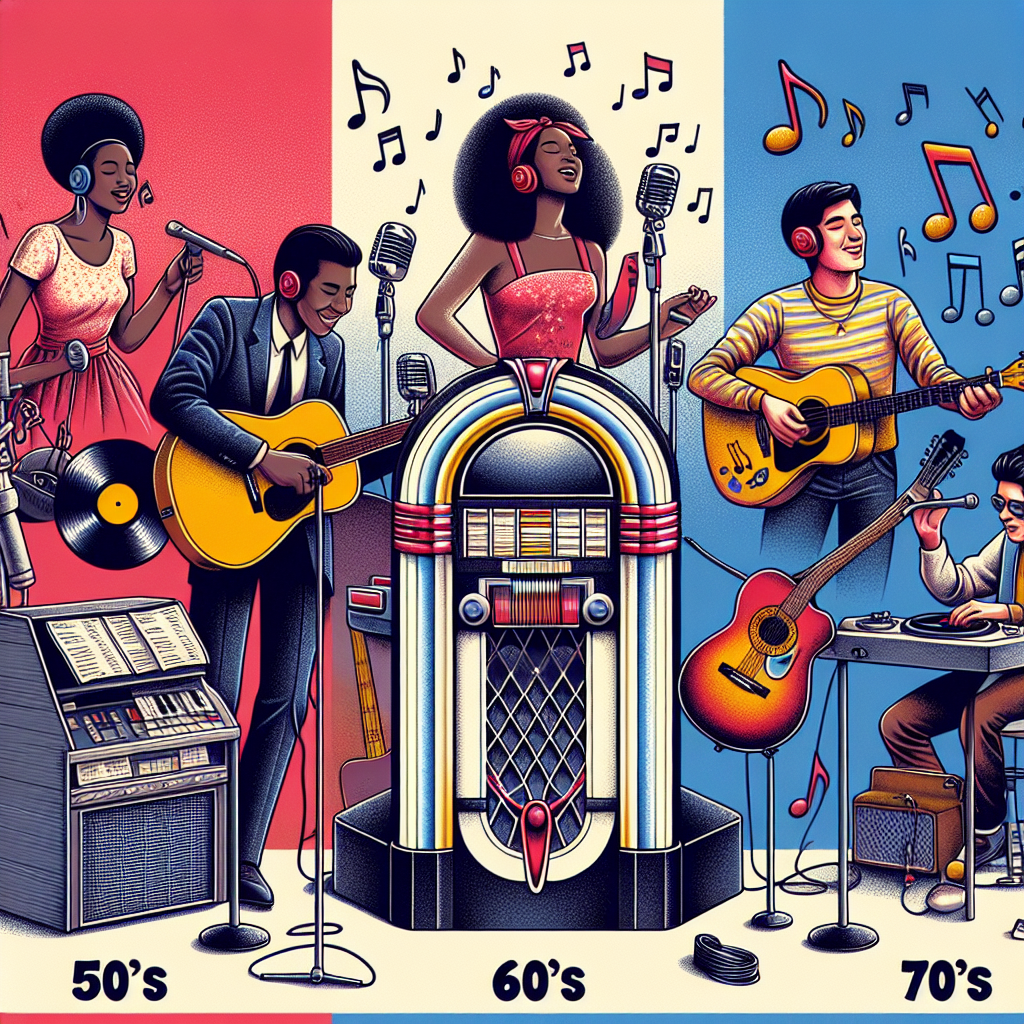
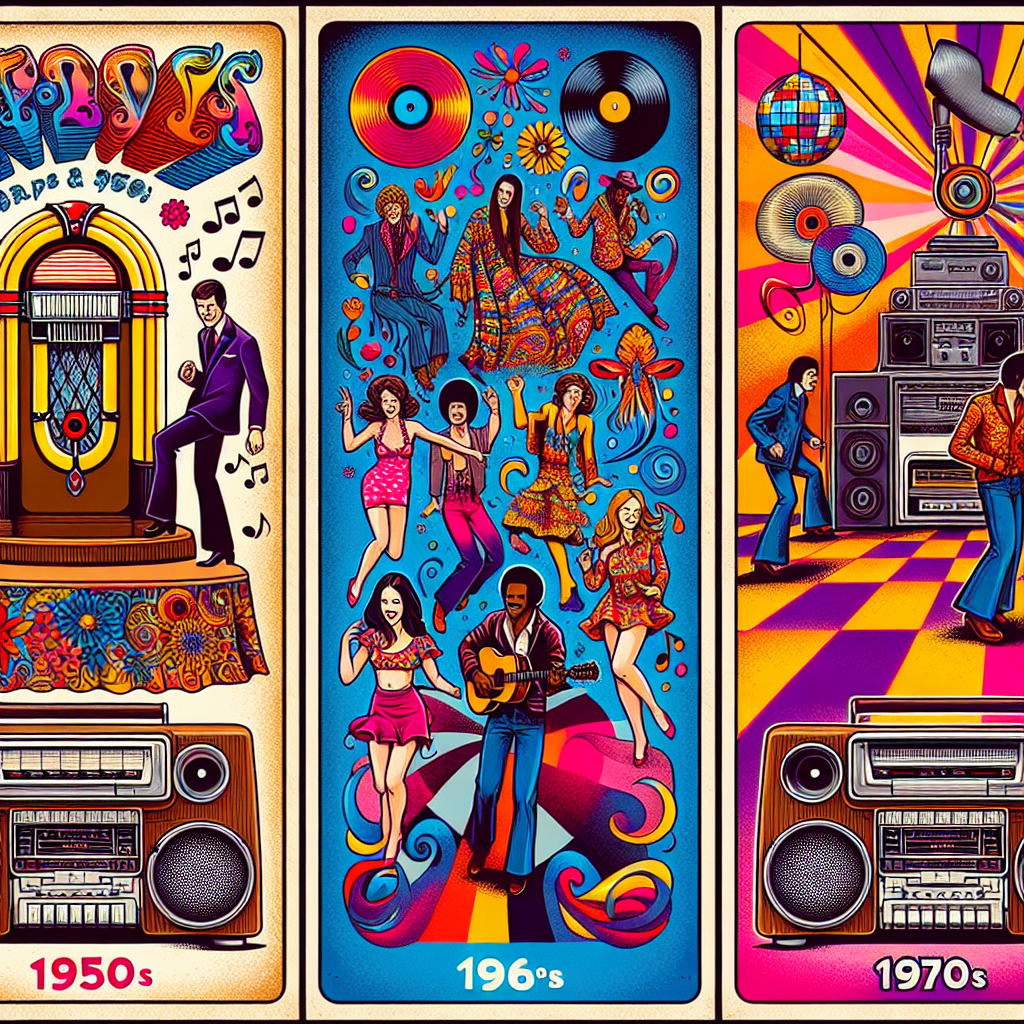
Do you ever find yourself longing for the good old days of music, culture, fashion, and technology from the 50’s, 60’s, and 70’s? If so, you’re not alone! These decades were filled with iconic hits that have stood the test of time and continue to evoke feelings of nostalgia in people of all ages.

Let’s take a trip down memory lane and explore some of the top hits from each decade that have left a lasting impact on our society.

The 1950s: A Decade of Rock ‘n’ Roll

The 1950s marked the rise of rock ‘n’ roll music, with artists like Elvis Presley, Chuck Berry, and Little Richard dominating the charts. Hits like “Jailhouse Rock,” “Johnny B. Goode,” and “Tutti Frutti” became instant classics and helped shape the sound of a generation.

During this time, popular culture was heavily influenced by musicians who pushed boundaries and challenged societal norms. The music of the 50’s reflected a sense of rebellion and freedom that resonated with young people around the world.

The 1960s: The Golden Age of Pop

The 1960s brought us some of the most memorable pop hits in history, with bands like The Beatles, The Beach Boys, and The Supremes ruling the airwaves. Songs like “Hey Jude,” “Good Vibrations,” and “Stop! In the Name of Love” captured the hearts of millions and defined an era.

Politically, the 60’s were a time of great change and upheaval. Civil rights movements, anti-war protests, and social revolutions shaped the cultural landscape and inspired musicians to write songs that reflected these turbulent times.

The 1970s: Disco Fever and Classic Rock

The 1970s saw a shift towards disco music with hits like “Stayin’ Alive” by the Bee Gees and “Le Freak” by Chic dominating dance floors across the globe. Meanwhile, classic rock bands like Led Zeppelin, Pink Floyd, and Queen continued to produce timeless anthems that are still beloved today.

Technological advancements also played a significant role in shaping music during this decade. The introduction of synthesizers and drum machines revolutionized sound production techniques and paved the way for new genres to emerge.

A Timeless Legacy

Looking back on these decades reminds us of a simpler time when music was more than just entertainment – it was a reflection of our values, beliefs, and aspirations. From catchy melodies to thought-provoking lyrics, these top hits continue to resonate with audiences around the world.

So why not take a trip down memory lane today? Dust off those old records or fire up your favorite streaming service to rediscover some of the greatest hits from the past. Who knows – you might just find yourself transported back to a time when life was a little bit sweeter.

Revolutionary Women in Music: Female Artists Who Shaped the Sound of

When we think of the history of music, it is often dominated by male voices and figures. However, there have been countless revolutionary women in music who have shaped the sound of culture and influenced not only the industry but also politics, fashion, and technology.

Female Artists Who Shaped the Sound of Music

One such iconic figure is Aretha Franklin, known as the Queen of Soul. Her powerful voice and soulful delivery revolutionized the music industry in the 1960s and beyond. Franklin’s influence can still be heard in today’s music, with artists like Beyoncé citing her as a major inspiration.

Another trailblazer is Madonna, often referred to as the Queen of Pop. Madonna pushed boundaries with her provocative lyrics and performances, challenging societal norms and redefining what it meant to be a female artist in a male-dominated industry.

In more recent years, artists like Beyoncé, Taylor Swift, and Billie Eilish have continued to shape the sound of music with their unique styles and perspectives. These women have used their platforms to advocate for social change and empower other women in the industry.

Influence on Culture

Female artists have not only shaped the sound of music but also had a significant impact on culture as a whole. From challenging gender stereotypes to advocating for LGBTQ rights, these women have used their voices to spark important conversations and bring about change.

Influence on Politics

Music has always had a powerful influence on politics, and female artists have been at the forefront of using their platforms to advocate for social justice issues. Artists like Nina Simone and Joan Baez were instrumental in the civil rights movement, using their music to inspire change and unite communities.

Influence on Fashion

Fashion has always been closely intertwined with music, with many female artists using their style choices to make bold statements. Icons like Grace Jones and Lady Gaga have pushed boundaries with their avant-garde fashion choices, inspiring fans around the world to embrace individuality and self-expression.

Influence on Technology

Technology has played a significant role in shaping the sound of music over the years, from vinyl records to digital streaming platforms. Female artists have embraced new technologies to connect with fans in innovative ways, from live-streamed concerts to interactive social media campaigns.

Overall, revolutionary women in music have had a profound impact on our culture, politics, fashion,

The British Invasion: How Bands Like The Beatles and The Rolling Stones Took America by Storm in the 60’s

The 1960s was a decade of immense change and cultural revolution in America. One of the most significant aspects of this era was the British Invasion, where bands like The Beatles and The Rolling Stones took the country by storm with their music, fashion, and overall attitude.

Music has always been a powerful force in shaping culture, and the British Invasion was no exception. The catchy tunes and infectious energy of bands like The Beatles captured the hearts of American teenagers, who were looking for something new and exciting to latch onto. Suddenly, it wasn’t just about Elvis Presley or Motown – there was a whole new sound coming from across the pond that was impossible to ignore.

But it wasn’t just the music that made an impact – it was also the fashion. The Beatles’ shaggy haircuts and matching suits became iconic symbols of rebellion and individuality. Young people all over America were inspired to emulate their style, rejecting the conservative norms of previous generations in favor of something more colorful and free-spirited.

Politicians and older generations may have been wary of this new wave of British influence, but for young people, it represented a breath of fresh air. The music spoke to their desire for freedom and self-expression, while the fashion gave them a way to visually communicate their rebellious spirit. It was a cultural movement that transcended borders and connected people across continents.

Technology played a crucial role in spreading this cultural phenomenon as well. With the rise of television and radio, bands like The Beatles were able to reach audiences far beyond their native England. Their appearances on shows like “The Ed Sullivan Show” brought their music into millions of American homes, solidifying their place in pop culture history.

Looking back on the British Invasion now, it’s clear that it had a lasting impact on American culture. The music continues to be celebrated and revered, with songs like “Hey Jude” and “Paint It Black” still resonating with audiences today. The fashion trends inspired by bands like The Beatles have also endured, influencing designers and street style alike.

Ultimately, the British Invasion was more than just a musical movement – it was a cultural revolution that changed the way Americans thought about themselves and their place in the world. It showed that art knows no boundaries or limitations, and that sometimes all it takes is a few chords on a guitar to bring people together in ways they never thought possible.

The Evolution of Rock ‘n’ Roll: A Look Back at the Music of the 50’s, 60’s, and 70’s

Rock ‘n’ roll music has been a powerful force in shaping culture and society for decades. From its roots in the 1950s to its evolution in the 1960s and 70s, rock ‘n’ roll has influenced not only music but also fashion, technology, and even politics.

In the 1950s, rock ‘n’ roll emerged as a rebellious form of music that challenged societal norms and values. Artists like Elvis Presley, Chuck Berry, and Little Richard brought a new sound to the airwaves that captivated audiences around the world. With its energetic beats and catchy lyrics, rock ‘n’ roll quickly became a symbol of youth culture and rebellion.

During this time, politicians and parents alike were wary of rock ‘n’ roll music, fearing that it would corrupt the morals of young people. However, as the popularity of the genre grew, so did its influence on mainstream culture. Rock ‘n’ roll became more than just music – it became a lifestyle.

As we moved into the 1960s, rock ‘n’ roll continued to evolve with bands like The Beatles, The Rolling Stones, and The Who leading the way. These bands pushed boundaries both musically and socially, addressing issues such as war, civil rights, and drug use in their songs. The music of the 60s reflected the turbulent times in which it was created, giving voice to a generation that was seeking change.

Alongside these musical changes came shifts in fashion trends. The hippie movement of the late 60s brought with it a new style characterized by long hair, bell-bottom pants, and tie-dye shirts. Music festivals like Woodstock became showcases for this new countercultural fashion sense, solidifying rock ‘n’ roll as a cultural force to be reckoned with.

Technology also played a significant role in shaping the sound of rock ‘n’ roll during this time. Advances in recording equipment allowed artists to experiment with different sounds and techniques in the studio. Electric guitars became more prominent in rock music, leading to heavier riffs and solos that would define the genre for years to come.

By the 1970s, rock ‘n’ roll had become mainstream entertainment with bands like Led Zeppelin, Pink Floyd, and Queen dominating the charts. Concert tours grew larger and more elaborate as artists sought to outdo one another with extravagant stage shows. Rock music had firmly established itself as a global phenomenon that transcended borders and languages.

Looking back at the evolution of rock ‘n’ roll from the 1950s through the 1970s is like taking a journey through time. Each decade brought new sounds, styles, and attitudes that continue to influence music today. While some may view this period as chaotic or rebellious, I see it as an exciting time of creativity and innovation.

The impact of rock ‘n’ roll on culture cannot be overstated. It gave voice to marginalized groups, challenged authority figures, and provided an outlet for self-expression. As we look back at this era of music history, let us celebrate the artists who dared to push boundaries and defy expectations.

Behind the Scenes with Legendary Producers of the

Have you ever wondered what goes on behind the scenes with legendary music producers? These individuals play a crucial role in shaping the sound of our favorite artists and albums, but their influence extends far beyond just the music industry. From shaping culture to influencing politicians, fashion, and technology, these producers are true powerhouses in the entertainment world.

One of the most fascinating aspects of working with legendary producers is seeing how they are able to seamlessly blend different elements of music, culture, and technology to create something truly unique. Take for example legendary producer Quincy Jones, who has worked with some of the biggest names in music including Michael Jackson and Frank Sinatra. Jones not only helped shape the sound of these iconic artists, but he also used his platform to address social issues and advocate for change.

Music has always been a powerful tool for expressing cultural movements and political ideologies. Legendary producers like Rick Rubin have used their influence to bring attention to important social issues through their work with artists such as Public Enemy and Rage Against the Machine. By collaborating with musicians who are unafraid to speak out against injustice, these producers have helped shape the cultural landscape and inspire change.

But it’s not just music that these legendary producers have an impact on – they also play a key role in shaping fashion trends and technological advancements. Take for example Pharrell Williams, who is not only a successful producer but also a fashion icon and tech entrepreneur. Through his collaborations with brands like Adidas and his own line of clothing, Williams has become a trendsetter in both the fashion and tech worlds.

Legendary producer Timbaland is another example of someone who has successfully bridged the gap between music, culture, fashion, and technology. Known for his innovative production techniques and collaborations with artists like Justin Timberlake and Missy Elliott, Timbaland has also ventured into the world of tech by launching his own app that allows users to create their own beats.

Overall, working behind the scenes with legendary producers is an eye-opening experience that showcases just how much influence these individuals have on our society. Whether they are using their platform to address social issues or pushing boundaries in fashion and technology, these producers are true visionaries who continue to shape our world in meaningful ways.

Exploring the Influence of Motown on Music in the 60’s and Beyond

When we think of the music of the 1960s, one genre that undoubtedly comes to mind is Motown. With its catchy melodies, smooth harmonies, and infectious rhythms, Motown music has left an indelible mark on the cultural landscape of not only the 60s but beyond. In this blog post, we will explore the influence of Motown on music in the 60s and how it continues to shape our musical landscape today.

One of the most significant ways in which Motown influenced music in the 60s was through its innovative sound. Founded by Berry Gordy Jr. in Detroit in 1959, Motown Records quickly became known for its distinctive style that blended elements of pop, soul, and R&B. Artists like The Supremes, Marvin Gaye, and Stevie Wonder churned out hit after hit with their infectious tunes that resonated with audiences across racial and cultural lines.

But Motown’s influence went beyond just the music itself. The label played a crucial role in breaking down racial barriers in the music industry during a time when segregation was still rampant in many parts of America. By showcasing African American artists on mainstream platforms and appealing to a diverse audience, Motown helped pave the way for greater acceptance and integration in popular culture.

In addition to its impact on music and culture, Motown also had a significant influence on fashion trends of the 60s. Artists like The Supremes were known for their glamorous stage outfits and signature style that set them apart from other performers of the era. Their sophisticated look became synonymous with the elegance and sophistication that defined Motown’s brand.

Politically, Motown also played a role in shaping attitudes towards social issues such as civil rights and equality. Many of the label’s artists used their platform to speak out against injustice and advocate for change through their music. Songs like Marvin Gaye’s “What’s Going On” addressed pressing issues such as poverty, war, and racism, inspiring listeners to take action and make a difference.

As technology advanced throughout the decades following the 60s, Motown’s influence continued to be felt in new ways. The label’s pioneering use of studio techniques such as overdubbing and reverb set new standards for production quality that would go on to shape modern recording practices. Today, artists continue to draw inspiration from Motown’s timeless sound and innovative approach to creating music.

In conclusion, it is clear that Motown’s influence on music in the 60s has had a lasting impact that extends far beyond that decade. From breaking down racial barriers to shaping fashion trends, influencing political discourse, and pushing technological boundaries, Motown has left an indelible mark on our cultural landscape that continues to resonate with audiences today.

The Rise of Psychedelic Rock: Exploring Counterculture Music in the 60’s

During the 1960s, a new genre of music emerged that would come to define a generation and challenge the status quo. Psychedelic rock, with its mind-altering sound and experimental nature, became the soundtrack to a cultural revolution that swept across the United States and beyond. This genre of music not only reflected the changing times but also played a crucial role in shaping them.

At its core, psychedelic rock was about pushing boundaries and exploring new sonic landscapes. Bands like The Beatles, The Doors, and Pink Floyd experimented with unconventional song structures, exotic instruments, and trippy effects to create music that was unlike anything that had come before. This experimentation mirrored the broader cultural shift towards questioning authority and embracing individual freedom.

Politicians and conservative leaders of the time viewed psychedelic rock with suspicion, fearing that its message of peace, love, and nonconformity would lead to social unrest. However, for many young people who were disillusioned with the Vietnam War and civil rights struggles of the era, this music provided a sense of hope and unity. It became a form of protest against the establishment and a way to express their discontent with the status quo.

Psychedelic rock also had a significant impact on fashion during this period. The colorful album covers, tie-dye shirts, bell-bottom pants, and long hair associated with this genre became symbols of rebellion and self-expression. The music inspired people to embrace their individuality and reject societal norms around appearance and behavior.

Advancements in technology played a crucial role in shaping the sound of psychedelic rock. Innovations like electric guitars, synthesizers, and effects pedals allowed musicians to create otherworldly sounds that captured the imagination of listeners. These new tools helped push the boundaries of what was possible in music production and paved the way for future genres like electronic music.

Despite facing backlash from some quarters of society, psychedelic rock continued to grow in popularity throughout the 1960s. Festivals like Woodstock brought together thousands of like-minded individuals who shared a love for this transformative music. These events became rallying points for counterculture movements seeking social change through peaceful means.

In conclusion, the rise of psychedelic rock in the 1960s marked a turning point in both music history and cultural evolution. Its experimental soundscapes challenged traditional notions of what constituted popular music while its message of peace and love resonated with a generation looking for meaning in turbulent times. By embracing individuality, questioning authority, and pushing creative boundaries, psychedelic rock paved the way for future generations of musicians to explore new possibilities in sound and expression.

Iconic Songs of the 50’s, 60’s, and 70’s That Defined a Generation

Music has always played a significant role in shaping culture and defining generations. The 50’s, 60’s, and 70’s were no exception, with iconic songs that continue to resonate with audiences today. These songs not only reflected the social and political climate of their time but also influenced fashion, technology, and even politicians.

The 50’s: A Decade of Change

The 1950s marked a period of post-war prosperity and cultural transformation. Rock and roll emerged as a dominant force in music, with artists like Elvis Presley and Chuck Berry leading the way. Songs like “Rock Around the Clock” by Bill Haley & His Comets became anthems for rebellious youth challenging societal norms.

Politicians at the time tried to suppress this new form of music, seeing it as a threat to traditional values. However, rock and roll continued to thrive, influencing fashion trends like leather jackets and poodle skirts.

The 60’s: A Time of Revolution

The 1960s were a decade of social upheaval and political activism. Music played a central role in movements for civil rights, peace, and love. Iconic songs like Bob Dylan’s “Blowin’ in the Wind” and The Beatles’ “Revolution” captured the spirit of the times.

Technology also played a significant role in shaping music during this era. The invention of the electric guitar revolutionized rock music, allowing artists to experiment with new sounds and styles.

The 70’s: Disco Fever

The 1970s brought disco music into the mainstream, with hits like “Stayin’ Alive” by the Bee Gees dominating the airwaves. Disco culture influenced fashion trends like bell-bottom pants and platform shoes.

Politicians also tried to co-opt disco music for their own purposes, but artists pushed back against attempts to commercialize their work. Songs like Gloria Gaynor’s “I Will Survive” became anthems of empowerment for marginalized communities.

Looking Back with Nostalgia

Today, these iconic songs from the 50s, 60s, and 70s continue to evoke feelings of nostalgia for many people. They remind us of a time when music was more than just entertainment – it was a reflection of our society’s hopes and fears.

As we look back on these decades with fondness, let us remember the impact that music had on shaping our culture, politics, fashion, and technology. Let us celebrate these iconic songs that defined a generation – and continue to inspire us today.

Disco Fever: The Rise and Fall of Disco in the 70’s

Disco Fever: The Rise and Fall of Disco in the 70’s was a cultural phenomenon that swept the nation and left a lasting impact on music, fashion, and technology. It was a time of glittering dance floors, funky beats, and flashy outfits that defined an era of fun and freedom.

Music played a central role in the rise of disco. Artists like Donna Summer, Bee Gees, and Gloria Gaynor dominated the charts with their infectious tunes that got people up on their feet and dancing. Disco music was all about escapism – it provided a soundtrack for people to forget their troubles and just have a good time. The pulsating rhythms and catchy melodies became synonymous with the carefree spirit of the 70’s.

Culture also played a significant role in the disco craze. Nightclubs like Studio 54 in New York City became legendary hotspots where celebrities, politicians, and everyday people could come together to dance the night away. Disco culture embraced diversity and inclusivity – it didn’t matter who you were or where you came from, as long as you were willing to let loose and have a good time.

Politicians also got caught up in the disco fever. Even President Jimmy Carter hosted a disco-themed party at the White House, complete with glitter balls and dance music. Disco became a unifying force that brought people together across political divides – if only for a night of dancing under the lights.

Fashion was another key element of disco culture. The iconic styles of the 70’s – bell-bottoms, platform shoes, sequined dresses – all found their home on the dance floor. People dressed to impress when they went out dancing, using fashion as a form of self-expression and creativity. Disco fashion was all about pushing boundaries and embracing individuality.

Technology also played a crucial role in the rise of disco. The advent of new sound systems like turntables and mixers allowed DJs to create seamless mixes that kept people grooving all night long. Innovations in lighting design created dazzling visual displays that added to the overall sensory experience of going out to dance.

Overall, Disco Fever: The Rise and Fall of Disco in the 70’s was a transformative period in music history that left an indelible mark on popular culture. It may have been short-lived, but its influence can still be felt today in everything from electronic dance music to retro fashion trends.