What's Going On?

In 1971 Marvin Gaye asked “What’s Going On?”

“Mother, mother
There’s too many of you crying
Brother, brother, brother
There’s far too many of you dying
You know we’ve got to find a way
To bring some lovin’ here today…”

With these words Marvin Gaye launched his landmark 1971 song entitled “What’s Going On?”

Life seemed to us, in those days, to be turned upside down. How can it be that Martin Luther King Jr AND Robert F Kennedy were BOTH assassinated WITHIN TWO MONTHS of each other? Marvin Gaye, just three years after these assassinations, in his landmark 1971 song, echoed what all of us felt at that time: “Leaders are being killed left and right. What in the world is going on??”

And yet, unfortunately, it was not only true; it was the reality that we lived through in our then young lives. If you have not heard Marvin Gaye’s heartfelt song in a while (believe it or not, this song is now 53 years old!) you can listen to it on YouTube by clicking on this link: https://www.youtube.com/watch?v=H-kA3UtBj4M

The assassinations of Martin Luther King Jr. and Robert F. Kennedy within two months of each other in 1968 marked a dark and turbulent period in our American history. These tragic events not only claimed the lives of two of the most prominent figures of our times, but also cast a shadow over the nation’s aspirations for civil rights, justice, and unity during a tremendous era of social and political change.

Martin Luther King Jr., a charismatic and influential leader of the civil rights movement, was assassinated on April 4, 1968, in Memphis, Tennessee. King had been an advocate for nonviolent protest and had played a crucial role in advancing the cause of racial equality in the United States. His assassination sent shockwaves throughout the country and sparked outrage among those who believed in his vision of a more just and integrated society.

King’s death came at a time when the civil rights movement was at a critical juncture. The struggle for racial equality had achieved significant milestones, such as the Civil Rights Act of 1964 and the Voting Rights Act of 1965, but challenges persisted. King’s assassination underscored the deep-seated racial tensions and the resistance to change that still existed in parts of our American society.

Just two months later! on June 5, 1968, Robert F. Kennedy, a leading political figure and brother of the late President John F. Kennedy, was assassinated in Los Angeles. Kennedy had emerged as a champion of progressive causes, including civil rights and an end to the Vietnam War. His campaign for the Democratic presidential nomination was gaining momentum, and he seemed poised to unite a divided nation.

Kennedy’s assassination was a devastating blow to the hopes of many who saw him as a figure capable of healing the nation’s wounds and bringing us together as a nation. His death left a void in American politics, and the loss of both King and Kennedy in such a short span of time intensified the sense of turmoil and uncertainty in our nation at the time.

The circumstances surrounding these assassinations raised questions and fueled conspiracy theories that persist to this day. James Earl Ray, a convicted felon, was arrested and pleaded guilty to the assassination of Martin Luther King Jr., but doubts about the official narrative linger. Similarly, the assassination of Robert F. Kennedy by Sirhan Sirhan has been the subject of speculation and controversy, with some suggesting a larger conspiracy at play.

These tragic events left an indelible mark on American society, shaping the course of history and influencing the trajectory of the civil rights movement and political discourse to this day. The assassinations of King and Kennedy underscored the fragility of progress and the resistance to change that persisted in certain quarters of the country.

In the aftermath of these assassinations, the United States grappled with the consequences of violence and the challenges of pursuing justice and equality. These events of 1968 served as a stark reminder of the deep divisions within the nation and the ongoing struggle for civil rights and social justice.

In conclusion, the assassinations of Martin Luther King Jr. and Robert F. Kennedy within two months of each other in 1968 were pivotal moments in American history. These tragic events shook the nation and had a profound impact on the civil rights movement and the political landscape. The legacy of King and Kennedy endures, serving as a reminder of the ongoing struggle for justice, equality, and unity in the United States.

Maryanne Faithful

“As Tears Go By”: A Melody and a Journey

“It is the evening of the day
I sit and watch the children play
Smiling faces I can see
But not for me
I sit and watch
As tears go by”

With these lyrics in her delightful British accent, Marianne Faithfull started her heart-touching song “As Tears Go By.”

Released in 1964, I can still remember being a young kid in Jersey City, New Jersey and hearing this song and how it touched me. Without knowing why, this song touched me so very dearly during my early teen years and early youth. I couldn’t believe that her real name was “Faithfull.” It was too much of a coincidence to my young years that someone whose name was “Faithfull” was singing such a faithful, beautiful and touching song. If you have not heard this wonderful song for a while, click this link: https://www.youtube.com/watch?v=BuWGrF0jSLc so you can go to YouTube, see and hear Maryanne sing this beautiful song and relive these memories.

Marianne Faithfull’s “As Tears Go By” stands as a timeless ballad that has transcended generations, captivating audiences with its heartfelt lyrics and haunting melody. Released in 1964, the song not only marked Faithfull’s debut single but also became a defining piece of the Sixties era. A time and an era that forever touched and shaped this Baby Boomer. This essay explores the historical context, musical elements, and enduring impact of “As Tears Go By.”

Set against the backdrop of the cultural revolution of the 1960s, the song emerged during a period of deep social change and artistic experimentation. Faithfull, a young and emerging talent from England, collaborated with Mick Jagger and Keith Richards of The Rolling Stones to create a song that reflected the complexities of love, loss, and the passage of time. In many ways, “As Tears Go By” encapsulated the mood of the era that we lived through in the 60s, blending the traditional with the new.

The lyrics of the song weave a tale of introspection and melancholy. Faithfull’s voice, with its haunting timbre, brings to life the emotions embedded in the words. The lyrics speak of fleeting moments of regret and the inevitability of change. They say that in life “change is the only constant” and boy does this song ever embody emotional change! Lines like “It is the evening of the day, I sit and watch the children play” evoke a sense of nostalgia and contemplation, inviting listeners to reflect on the transience of their own lives.

Musically, “As Tears Go By” is characterized by its gentle acoustic arrangement, featuring delicate guitar strumming and orchestral accompaniment. The melody, composed by Mick Jagger and Keith Richards, is both melancholic and soothing, creating a captivating contrast with the turbulent times in which it was released. The orchestral arrangement, arranged by Mike Leander, adds a layer of sophistication to the song, elevating it beyond the typical pop ballad of the era.

The song’s impact extended beyond its initial release, influencing subsequent generations of musicians and artists. Its enduring appeal lies in its ability to resonate with listeners across different time periods. Faithfull’s interpretation of the song, with its deep vulnerability, has inspired countless covers and adaptations. Artists ranging from The Rolling Stones themselves to more contemporary acts like Sheryl Crow and Nancy Sinatra have paid homage to the timeless quality of “As Tears Go By.”

Moreover, the song’s inclusion in various films and television shows has further solidified its place in popular culture. Its haunting melody has become synonymous with cinematic moments that seek to evoke a sense of nostalgia or introspection. This cultural connection speaks to the universality of the themes explored in the song – themes that remain relevant and relatable to people of all ages.

In conclusion, Marianne Faithfull’s “As Tears Go By” is a musical diamond that transcends its origins in the 1960s. Its exploration of love, time, and reflection resonates with listeners across time and across geography. The song’s enduring impact is a testament to its timeless quality, solidifying its place in the pantheon of classic ballads. As we continue to navigate the complexities of our lives, “As Tears Go By” remains a melodic companion, offering solace and connection through the shared human experience of joy, sorrow, and the passage of time.

1962 Cuban Missile Crises: We came close

Mrs. Bender in my 4th grade class told us:

“Children get under your desks and cover your heads!” Then she uttered the words that forever stuck in our young brains: “Duck and Cover!”

She was guiding us through a drill in case of a nuclear attack from the Soviet Union.

Can you imagine? What would hiding under our desks do to protect us in case of a nuclear attack from the Soviet Union? Nothing. But that is the reality we lived through in 1962

The Cuban Missile Crisis of October 1962 remains as one of the most critical moments in the Cold War era: the United States and the Soviet Union were ON THE BRINK OF NUCLEAR WAR! The roots of the crisis can be traced back to the geopolitical tensions of the time, with the Cold War setting the stage for a high-stakes confrontation that had the potential to alter the course of history and possibly to change humanity forever.

At the heart of the crisis was that the Soviet Union started to deploy ballistic missiles to Cuba. A move that would fundamentally alter the balance of power in the Cold War. The United States, led by President John F. Kennedy, perceived this as a direct threat to its national security. The discovery of Soviet missile sites in Cuba on October 14, 1962, marked the beginning of a tense and perilous 13-day standoff.

At different times in our nation’s history, we have been blessed to have the right leader in place at the right time. During the Civil War, we had Lincoln. During the Great Depression we have FDR and during the Cuban Missile Crises, we had John F. Kennedy. Thank goodness, Kennedy’s response to the crisis was calm, measured but resolute. In a televised address to the nation on October 22, 1962 Kennedy announced the discovery of the missile sites in Cuba and he outlined a series of measures to address the threat. These measures, known as the quarantine or blockade, aimed to prevent further Soviet shipments of offensive weapons to Cuba. Kennedy demanded the removal of the missiles and declared that “any attack launched from Cuba would be considered an attack by the Soviet Union”, triggering a full-scale response from the United States. Nuclear war – that which the world has feared ever since the nuclear bombing of Hiroshima – had possibly arrived!! Can you imagine?

The world watched with bated breath as the world’s two superpowers engaged in a diplomatic and strategic deadly dance. Behind the scenes, secret negotiations took place between Kennedy and then Soviet Premier Nikita Khrushchev. The crisis reached its peak when Khrushchev sent a letter to Kennedy on October 26, 1962 offering to dismantle the Cuban missile sites in exchange for a U.S. commitment not to invade Cuba and the removal of U.S. missiles in Turkey. This letter opened a window of opportunity for a peaceful resolution.

Kennedy’s decision-making during the crisis was awesome. It truly showcased a delicate balance between resolve and restraint. While he faced pressure from his military advisors to take more aggressive action, Kennedy chose to pursue a diplomatic solution, avoiding a direct military confrontation with the Soviet Union. The successful resolution of the crisis, often attributed to Kennedy’s leadership and statesmanship, highlighted the importance of diplomacy in averting nuclear catastrophe.

The Cuban Missile Crisis had profound implications for the Cold War and international relations. The crisis prompted both superpowers to recognize the need for arms control and to establish a hotline between the White House and the Kremlin to facilitate direct communication in times of crisis. The Limited Test Ban Treaty, signed in 1963, marked a step towards reducing nuclear tensions.

In hindsight, the Cuban Missile Crisis serves as a cautionary tale about the perils of nuclear brinkmanship and the importance of diplomatic solutions in times of crisis. It showcased the inherent dangers of the Cold War rivalry and the potential for miscalculation that could lead to catastrophic consequences. The resolution of the crisis demonstrated that, even in the midst of intense ideological conflict, leaders could find common ground to avert a global catastrophe.

In conclusion, the Cuban Missile Crisis was a key moment in history which tested the leadership and decision-making of both Kennedy and Khrushchev. The resolution of the crisis through diplomacy underscored the fragility of the Cold War balance and the imperative of finding peaceful solutions to avoid the specter of nuclear war. The lessons learned from the Cuban Missile Crisis continue to resonate in contemporary geopolitics, emphasizing the critical importance of dialogue and cooperation in addressing global challenges.

Kent State

Kent State: 4 Dead in Ohio 54 years later

“Tin soldiers and Nixon coming
We’re finally on our own
This summer I hear the drumming
Four dead in Ohio”

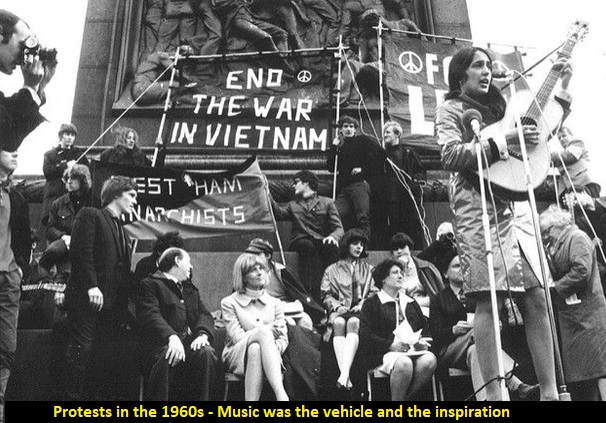
With these lines, Crosby, Stills and Nash started their heart-wrenching song about the May 4, 1970 shooting at Kent State University which to this day stands as a powerful reminder of a tragic moment in American history. Has it really been 54 years since the deaths of 4 students protesting the Vietnam War on the campus of Kent State University in Ohio? This moment represented the clash between anti-Vietnam War protests and the use of deadly force by the National Guard on Kent State University Campus in Ohio. This event unfolded against the backdrop of a deeply polarized nation grappling with dissent and discord surrounding the Vietnam War.

The roots of the May 4, 1970 tragedy can be traced back to President Richard Nixon’s decision to expand the Vietnam War into Cambodia in late April 1970. This move further fueled anti-war sentiments, leading to widespread protests across college campuses, including Kent State University in Ohio. The students at Kent State, like many others nationwide, expressed their powerful opposition to the Vietnam war, fearing the loss of more American lives.

On May 4, 1970 tensions reached a boiling point at Kent State when Ohio National Guard troops were called in to control the protests. The situation quickly grew, with confrontations between the students and the National Guard becoming increasingly heated. Tear gas was used in an attempt to disperse the crowd, but instead of quelling the unrest, it heightened the sense of chaos and anger among the protesters.

In a tragic turn of events, a group of Guardsmen, armed with live ammunition, opened fire on the unarmed students. The gunfire lasted for 13 seconds, resulting in the deaths of four students—Jeffrey Miller, Allison Krause, Sandra Scheuer, and William Schroeder—and injuring nine others. The incident sent shockwaves throughout the nation, prompting a wave of protests and demonstrations.

The Kent State shooting served as a strong reminder of the dynamics at play during times of civil unrest and raised questions about the use of lethal force against unarmed civilians. The incident sparked a national debate about the government’s response to dissent and the limits of free speech. The phrase “Four Dead in Ohio,” immortalized in the lyrics of Neil Young’s protest song “Ohio,” became a rallying cry for those opposing the war and mourning the lives lost at Kent State.

The Aftermath: The aftermath of the shooting saw a significant shift in US public opinion. While some Americans condemned the students for their protests, many others sympathized with their anti-war stance and voiced opposition to the use of deadly force by the National Guard. The incident also fueled a broader anti-establishment sentiment, contributing to the growing divide between the government and segments of the population.

The Kent State shooting had a lasting effect on the nation’s psyche and policies. In its wake, universities across the country reevaluated their approaches to handling protests, and there was increased scrutiny of the government’s use of force against its own citizens. The incident played a role in shaping the anti-war movement and contributed to the eventual withdrawal of U.S. troops from Vietnam.

In conclusion, the May 4, 1970, shooting at Kent State University remains a tragic chapter in American history that exposed the deep divisions and tensions surrounding the Vietnam War. The lives lost on that fateful day serve as a somber reminder of the complexities of dissent, the consequences of government actions, and the ongoing struggle for the right to protest and express dissenting opinions in a democratic society.

The Greensboro Four and the Birth of Civil Rights Activism

On February 1, 1960, the landscape of civil rights activism in the United States underwent a deep and meaningful transformation when four black college students from the North Carolina Agricultural and Technical College in Greensboro, North Carolina, staged a sit-in at a segregated Woolworth lunch counter. Who today remembers that in 1960 the lunch counter at a local department store was segregated? It seems unbelievable to us today – but it was true. Can you imagine that just sitting at the counter at a department store in 1960 was an unbelievable act of courage and rebellion? This historic event, which eventually became known as the “Greensboro Sit-In”, marked a key moment in the struggle against racial segregation and discrimination, setting the stage for a new wave of activism that would resonate across the nation.

The four courageous students—Ezell Blair Jr., David Richmond, Franklin McCain, and Joseph McNeil—embarked on a mission that would challenge the deeply ingrained norms of racial segregation prevalent in the Southern United States during the 1960s. The Woolworth lunch counter, like many public facilities at the time, enforced a policy of segregation, denying service to African Americans solely based on their race. Frustrated by the systemic injustice they faced, the students decided to take a stand and demand the right to be served equally.

The decision to stage a sit-in was not taken lightly. The Greensboro Four were well aware of the potential consequences, including arrest and violence. However, fueled by the principles of equality and justice, they courageously occupied seats at the Woolworth lunch counter, defying the racial norms that sought to relegate them to second-class citizenship. The simplicity of their act—an act as basic as requesting service at a lunch counter—held immense symbolic power, challenging the very foundations of segregationist policies.

The sit-in quickly garnered attention and support, not only within the local community but also across the nation. The peaceful and dignified protest struck a chord with people who were increasingly disillusioned with the prevailing racial injustices. News of the sit-in spread like wildfire, inspiring similar protests in other cities and igniting the flame of the civil rights movement.

The Greensboro Four’s sit-in embodied the spirit of nonviolent resistance championed by leaders like Martin Luther King Jr. The disciplined adherence to nonviolence was a strategic choice that aimed to expose the moral bankruptcy of segregation while highlighting the dignity and strength of the African American community. The sit-in became a model for subsequent civil rights demonstrations, influencing the strategies employed by activists in their quest for equality.

In the face of adversity, the Greensboro Four persevered. Their steadfast commitment to justice and equality led to the eventual desegregation of the Woolworth lunch counter, marking a tangible victory in the broader struggle against racial discrimination. The sit-in’s success resonated far beyond Greensboro, inspiring a generation of activists to challenge institutionalized racism through peaceful means.

The Greensboro sit-in of 1960 stands as a pivotal moment in the history of the civil rights movement. It exemplifies the power of peaceful protest and civil disobedience in dismantling oppressive systems. The actions of Ezell Blair Jr., David Richmond, Franklin McCain, and Joseph McNeil served as a catalyst for change, encouraging others to join the fight for a more just and equitable society. Their bravery and resilience remind us that ordinary individuals, when united by a common cause, can ignite a spark that transforms the course of history.

HAPPY ENDING: Not many stories such as these have, if you will, a happy ending but amazingly, four months after their historic sit-in, the same “Greensboro Four” Ezell Blair Jr., David Richmond, Franklin McCain, and Joseph McNeil WERE ACTUALLY SERVED LUNCH! AT THAT VERY Woolworth lunch counter where they had staged their sit-in!

Dick Tracy: Wrist watch walkie talkie anyone?

Dick Tracy, the comic strip created by Chester Gould in 1931, absolutely left its mark on our growing up psyche. It also left a tremendous mark on the world of comics and popular culture. Dick Tracy made its debut in 1931 when Chester Gould not only drew the comic but also wrote the plots for the story lines. The strip follows the adventures of detective Dick Tracy, as he battles a large number of villains and employs cutting-edge crime-solving technology (walkie-talking watch anyone?), and upholds justice in an urban landscape.

I remember as a kid seeing Dick Tracy on the Saturday Morning cartoons on TV and marveling at his wrist watch walkie-talkie and wondering if such a thing could ever be possible (Apple Watch anyone?).

One of the most enduring aspects of Dick Tracy is its distinctive visual style. Chester Gould’s unique and exaggerated character designs, especially the exaggerated features of villains like “Pruneface” and “Flattop”, set the strip apart from its contemporaries. Tracy himself, with his square jaw and iconic yellow trench coat, became an instantly recognizable symbol of the crime-fighting detective. The visual language of Dick Tracy has influenced countless artists and creators in the comic book world, leaving the enduring legacy that this comic strip has.

The narrative of Dick Tracy is deeply rooted in the crime genre, offering readers thrilling and suspenseful storylines. Tracy’s adventures often involve him facing off against memorable villains, each with their own distinct personalities and motives. From the grotesque and deformed characters to the suave and cunning masterminds, the strip explores a wide range of criminal archetypes. This diversity of adversaries adds depth to the narrative and keeps readers eagerly anticipating each new installment.

Beyond its engaging storytelling, Dick Tracy is notable for its groundbreaking use of technology within the narrative. Gould was ahead of his time in envisioning futuristic crime-solving gadgets that are now commonplace in modern detective stories. Tracy’s two-way wrist radio, introduced in 1946 (!!1946 can you imagine that?), is often cited as an early example of a concept that foreshadowed real-world developments like smartwatches. The strip’s incorporation of cutting-edge technology contributed to its popularity and relevance, making it a trailblazer in the genre.

Moreover, Dick Tracy is not just a tale of good versus evil; it also dives into complex moral and ethical questions. Tracy’s unwavering commitment to justice often puts him in morally gray situations, challenging traditional notions of right and wrong. The comic strip also explores themes of corruption, redemption, and the blurred lines between hero and antihero. Tracy’s character development over the years reflects the evolving societal attitudes towards crime and justice.

Dick Tracy’s impact extends beyond the comic strip itself. The character has been adapted into various forms of media, including radio shows, television series and, more recently, movies. The 1990 film adaptation, directed by Warren Beatty, brought Tracy to the big screen with a star-studded cast and a visually striking interpretation of the comic’s distinct aesthetic. While the film received mixed reviews, it demonstrated the enduring appeal of the Dick Tracy character and the world Chester Gould created.

In conclusion, Dick Tracy stands as a testament to the enduring power of comics as a storytelling medium. Chester Gould’s creation not only entertained readers since 1931 but also us Baby Boomers in our younger years but has also influenced the visual language of comics and popular culture. The strip’s unique characters, engaging narratives, and forward-thinking use of technology have secured its place in the pantheon of comic book history. Dick Tracy remains a timeless and iconic figure, a symbol of justice in a world of crime and corruption.

1971 Coca Cola Ad: “I’d like to teach the world to sing” I still get emotional when I think of it.

The 1971 Coca-Cola “Hilltop” ad, often referred to the “I’d Like to Buy the World a Coke,” ad stands as an enormous moment in the history of advertising but also in our psyche as young baby boomers. It left a lasting impact on both popular culture and the soft drink industry. I can still hear in my head “I’d like to teach the world to sing and bring it harmony…” This commercial, created by the McCann Erickson advertising agency, was part of Coca-Cola’s “It’s the Real Thing” campaign and aimed to promote unity, peace, and harmony in a world that, in the early 1970s was grappling with tremendous social and political unrest – such as the Vietnam war.

At the heart of the ad is a catchy jingle with lyrics that convey a simple yet powerful message of global togetherness. The commercial features a diverse group of young people from around the world, standing on a hillside, singing the jingle together. The lyrics express a desire for harmony, understanding, and a shared Coca-Cola. The image of people from different backgrounds coming together to enjoy a simple pleasure like a soft drink and to express a desire for harmony and peace struck a chord with people here in the US but also worldwide.

One of the immediate impacts of the ad was its cultural resonance. The 1971 Coca-Cola commercial reflected the feeling of the time, capturing the spirit of the counterculture movement and, in the days just following the 1969 Woodstock “Peace and Love” concert, the longing by all of us who lived through that time, for a more peaceful and harmonious world. The ad resonated with us, a generation that was questioning established norms and advocating for peace amid the turbulent backdrop of the Vietnam War and social upheaval.

In terms of marketing strategy, the 1971 Coca-Cola ad was groundbreaking. It demonstrated the power of emotional marketing and storytelling, setting a precedent for future advertising campaigns. By associating the brand with positive emotions and universal themes, Coca-Cola managed to create a lasting connection with consumers. The ad’s success also paved the way for other brands to explore socially conscious and emotionally resonant marketing approaches.

In conclusion, the 1971 Coca-Cola Hilltop ad left an indelible mark on advertising history. Its cultural impact, contribution to Coca-Cola’s brand image, and influence on marketing strategies are evident even decades later. The ad demonstrated the power of a simple message – one that transcends borders, cultures, and languages. It not only sold a beverage but also sold an idea of a better, more harmonious world, making it a timeless and iconic piece of advertising.

The Beatles

The Breakup of The Beatles

Introduction:

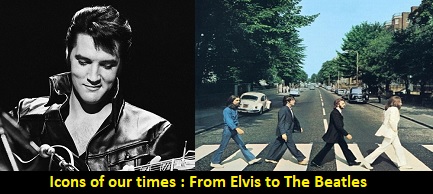
The breakup of The Beatles in 1970 marked the end of an era for one of the most influential bands in the history of popular music. Comprising John Lennon, Paul McCartney, George Harrison, and Ringo Starr, The Beatles had captivated the world with their amazing sound, charismatic personalities, and unprecedented success. However, behind the scenes, tensions were brewing, leading to a dissolution that shook the music industry and left fans mourning the end of an extraordinary era.

What happened? Rifts within the Band:

The Beatles’ breakup was not a sudden event but rather a culmination of longstanding tensions within the band. Creative differences between Lennon and McCartney, the primary songwriting duo, had been simmering for years. As the band’s sound evolved, so did the individual musical aspirations of its members. The contrasting visions for the direction of their music, coupled with personal differences, began to strain the once-tight-knit bond.

The Death of Brian Epstein:

The untimely death of their manager, Brian Epstein, in 1967, dealt a severe blow to the band’s stability. Epstein had played a crucial role in shaping The Beatles’ image and managing their affairs. His absence left a void in the band’s structure, exposing them to the harsh realities of the music industry without Brian’s guiding hand. The lack of a central figure to mediate conflicts and manage the business side of the band added fuel to the growing internal tensions.

Yoko Ono’s Influence:

The entry of Yoko Ono, John Lennon’s second wife, into the Beatles’ inner circle also contributed to the strains. Ono’s presence during recording sessions and her active involvement in Lennon’s creative process created discomfort among the other band members. The dynamic that had once thrived on collaboration began to fracture as individual relationships took precedence over the collective vision of the group.

Get Back Sessions and Let It Be:

The band’s final studio album, “Let It Be,” and the accompanying documentary of the “Get Back” sessions shed light on the internal struggles within the group. The recordings captured moments of frustration, disagreement, and a sense of detachment that underscored the disintegration of the once-unbreakable camaraderie. The album’s title track, “Let It Be,” conveyed a poignant message, almost serving as an unintentional farewell anthem. It was almost as if the band was telling us to be ok with their break up and to just let their break up to be what it is and just “Let it be.”

Legal Battles and Business Disputes:

Amidst the emotional turmoil, legal battles and business disputes further strained the band’s unity. The formation of Apple Corps, the band’s multimedia corporation, faced financial troubles and mismanagement. Disagreements over financial matters and the direction of the company added another layer of difficulty to the already fragile and fraying relationships between the band members.

The Bitter End:

On April 10, 1970, Paul McCartney officially announced the breakup of The Beatles through a press release accompanying his solo album, “McCartney.” The news sent shockwaves through the music world, leaving fans in disbelief. The era of The Beatles had come to an end, and each member embarked on their solo careers, marking a new chapter in their musical journeys.

Conclusion:

The breakup of The Beatles remains a bittersweet chapter in the history of music. While the band’s legacy endures through their timeless catalog, the dissolution serves as a reminder of the complex dynamics that exist within creative partnerships. The Beatles’ breakup was a result of a combination of creative, personal, and business factors that, when woven together, unraveled the fabric of a band that had once defined an era. Though their time together was relatively short, the impact of The Beatles on music and popular culture continues to reverberate, transcending the confines of their tumultuous end.

Nixon's resignation

1974: President Nixon’s resignation

August 8, 1974, marked a momentous day in American history. That was the day that President Richard Nixon, the 37th President of the United States, resigned from office. It was an unbelievable day. It was the year that I graduated from high school. I was just a kid and I did not realize what a momentous day this was. This unprecedented event, fueled by the Watergate scandal, unfolded against the backdrop of a nation deeply divided and disillusioned by political misconduct. The resignation of Nixon had far-reaching implications, reshaping the political landscape and leaving an indelible mark on the collective consciousness of the American people.

The Watergate scandal, which ultimately led to Nixon’s resignation, began with a break-in at the Democratic National Committee headquarters on June 17, 1972. As investigations progressed, it became evident that the Nixon administration had orchestrated a web of deceit and cover-ups to conceal its involvement in the break-in. The discovery of secret White House tapes, capturing incriminating conversations, served as a smoking gun, revealing the extent of Nixon’s complicity.

The nation had become accustomed to political scandals, but the Watergate affair was unbelievable in its scale and impact. The erosion of public trust in the highest levels of government was palpable, and the unfolding revelations shocked the American people. As the investigation intensified, impeachment absolutely loomed over Nixon’s presidency, prompting a deepening sense of crisis.

Amid mounting pressure and the imminent threat of impeachment, president Richard Nixon chose to address the nation on the evening of August 8, 1974. In a televised speech from the Oval Office, he announced his decision to resign, becoming the first (and only) president in American history to do so. The gravity of the moment was reflected in Nixon’s somber and reflective tone as he acknowledged the toll the scandal had taken on the nation and his ability to lead. In this famous helicopter parting picture, Nixon tried to put a happy face on what absolutely was a devastating moment for him (see below).

Nixon’s resignation speech was a poignant mix of remorse and defiance. He admitted to mistakes but insisted that he had never been a quitter. The emotional weight of the moment was evident as he bid farewell to the presidency, a position he had held for more than five years. The speech concluded with Nixon boarding a helicopter on the White House lawn, a symbolic departure from the seat of power he could no longer retain.

The aftermath of Nixon’s resignation ushered in an era of reflection and reform in American politics. Gerald Ford, Nixon’s vice president, assumed the presidency, declaring that “our long national nightmare is over.” Ford’s pardon of Nixon a month later, while aimed at promoting healing, proved controversial and fueled public skepticism. The scars of Watergate lingered, leaving an enduring legacy of skepticism toward political leadership and institutions.

The day of Nixon’s resignation marked a turning point in the American political landscape. It underscored the resilience of democratic institutions in the face of crisis, as the nation weathered a severe test of its democratic principles. The Watergate scandal prompted reforms aimed at increasing transparency and accountability in government, with the hope of preventing such abuses of power in the future.

In retrospect, August 8, 1974, remains etched in the collective memory of the American people as a day of reckoning and renewal. The resignation of Richard Nixon demonstrated the capacity of the nation to confront and rectify political wrongdoing, reinforcing the notion that no one, not even the president, is above the law. As America moved forward, the lessons of Watergate became integral to the nation’s commitment to preserving the integrity of its democratic institutions.

1971 ban on TV Cigarette Ads

Introduction:

1971 marked a big moment in the history of public health and the media. This is the year when the United States’ government imposed a ban on television cigarette advertisements. This landmark decision was driven by a growing awareness of the terrible health effects of smoking and a recognition of the influential role that mass media plays in shaping public opinion and behavior. The ban on TV cigarette advertisements not only reflected a shift in societal attitudes toward tobacco consumption but also set a precedent for the regulation of harmful products in the media.

Background:

In the mid -1900s, smoking was deeply ingrained in American culture. Cigarette companies were major advertisers and their commercials were everywhere on TV. However, as scientific evidence linking smoking to lung cancer and other important health issues became more robust, public awareness of the dangers of smoking increased. The Surgeon General’s Report on Smoking and Health in 1964 served as a huge moment, officially acknowledging the health risks associated with tobacco use and prompting a reevaluation of societal norms. Gone were the days of Humphrey Bogart looking awfully cool with a cigarette in his hand.

The Ban:

In response to the mounting evidence against smoking, Congress passed the Public Health Cigarette Smoking Act in 1969. This legislation mandated health warnings on cigarette packages and advertisements, acknowledging the need for informed consumer choices. However, the most impactful provision was yet to come. In 1971, the Federal Communications Commission (FCC) implemented a complete ban on cigarette advertising on television and radio, effective from January 2, 1971.

Rationale:

The decision to ban TV cigarette advertisements was rooted in the understanding that mass media has a profound influence on public perception and behavior. By removing tobacco commercials from the airwaves, the government sought to diminish the glamorization of smoking and reduce its social acceptability. The ban aimed to protect the public, especially the youth, from the seductive allure of cigarette advertising and its potential to normalize a habit that posed severe health risks.

Impact:

The immediate impact of the ban was evident in the decline of smoking rates. Without the powerful tool of television advertising, tobacco companies found it challenging to maintain their previous levels of influence. Moreover, the ban shifted societal norms, casting smoking in a less favorable light. As a result, smoking rates began a gradual decline that continued over the following decades.

Legacy:

The ban on TV cigarette advertisements left a lasting legacy, demonstrating the government’s commitment to prioritizing public health over commercial interests. It set a precedent for regulating the advertising of products deemed harmful to public well-being. This approach has since been extended to other substances, such as alcohol and prescription medications (although you wouldn’t know it judging from the many ads we see on TV today for prescription-only medications), illustrating the enduring impact of the 1971 decision on media regulation.

Conclusion:

The 1971 ban on TV cigarette advertisements was a key moment that showcased the government’s recognition of its role in safeguarding public health. By severing the powerful connection between tobacco companies and the mass media, the ban marked a turning point in the fight against smoking-related illnesses. Beyond its immediate impact on smoking rates, the decision laid the groundwork for future regulations on advertising harmful products, emphasizing the importance of balancing commercial interests with the well-being of the public.