Evoloution of Rock and Roll

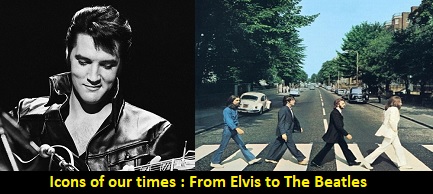
The Evolution of Rock ‘n’ Roll: How Music Icons Shaped the Sound of the 50’s, 60’s, and 70’s

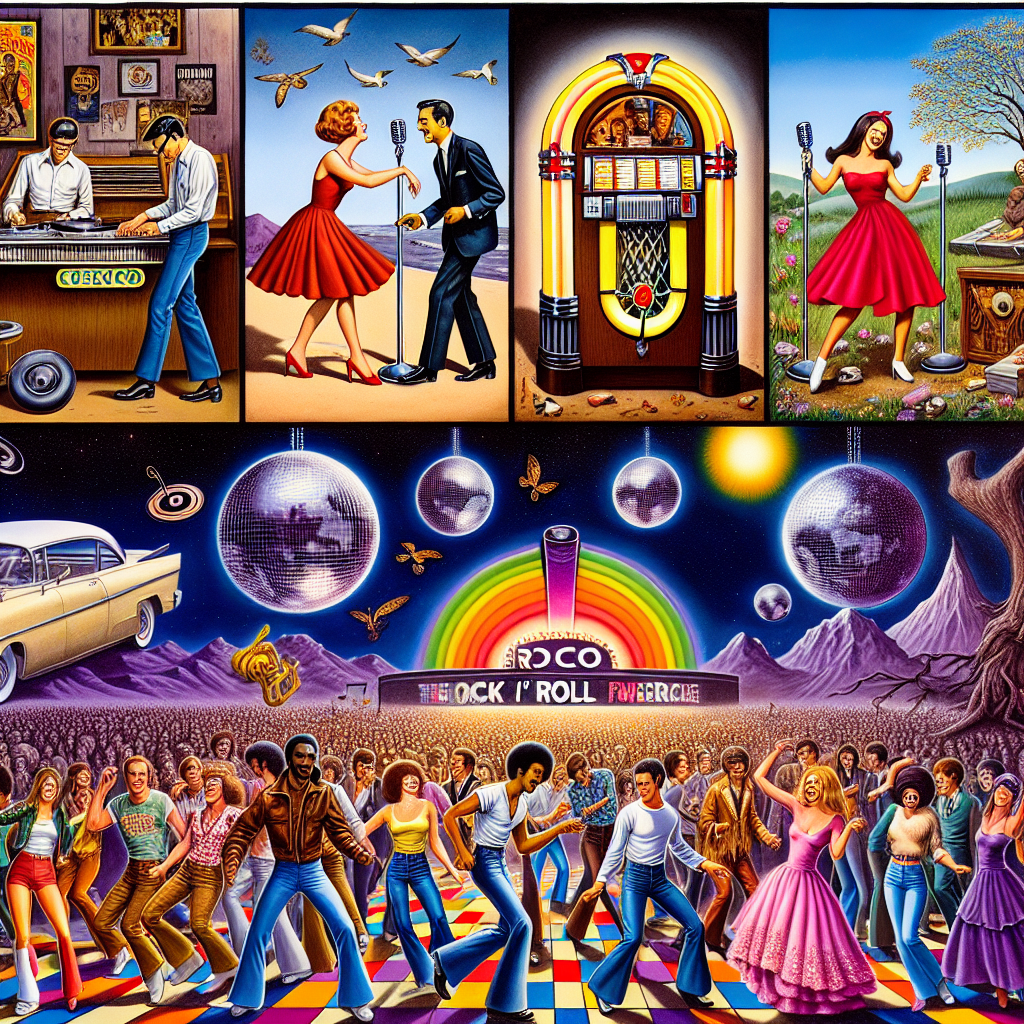
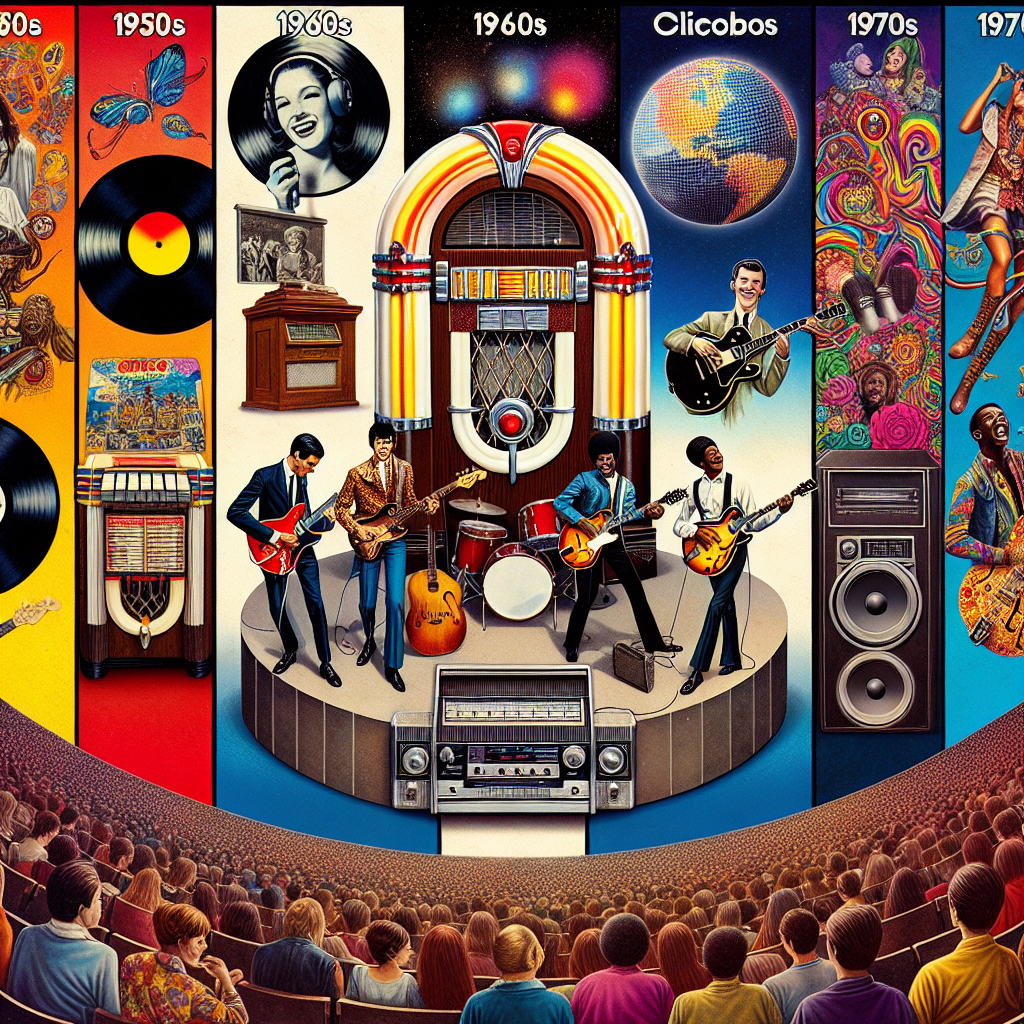
Rock ‘n’ roll has been a powerful force in shaping music, culture, and fashion throughout the decades. From the 1950s to the 1970s, music icons have played a significant role in influencing society and creating a sound that continues to resonate today.

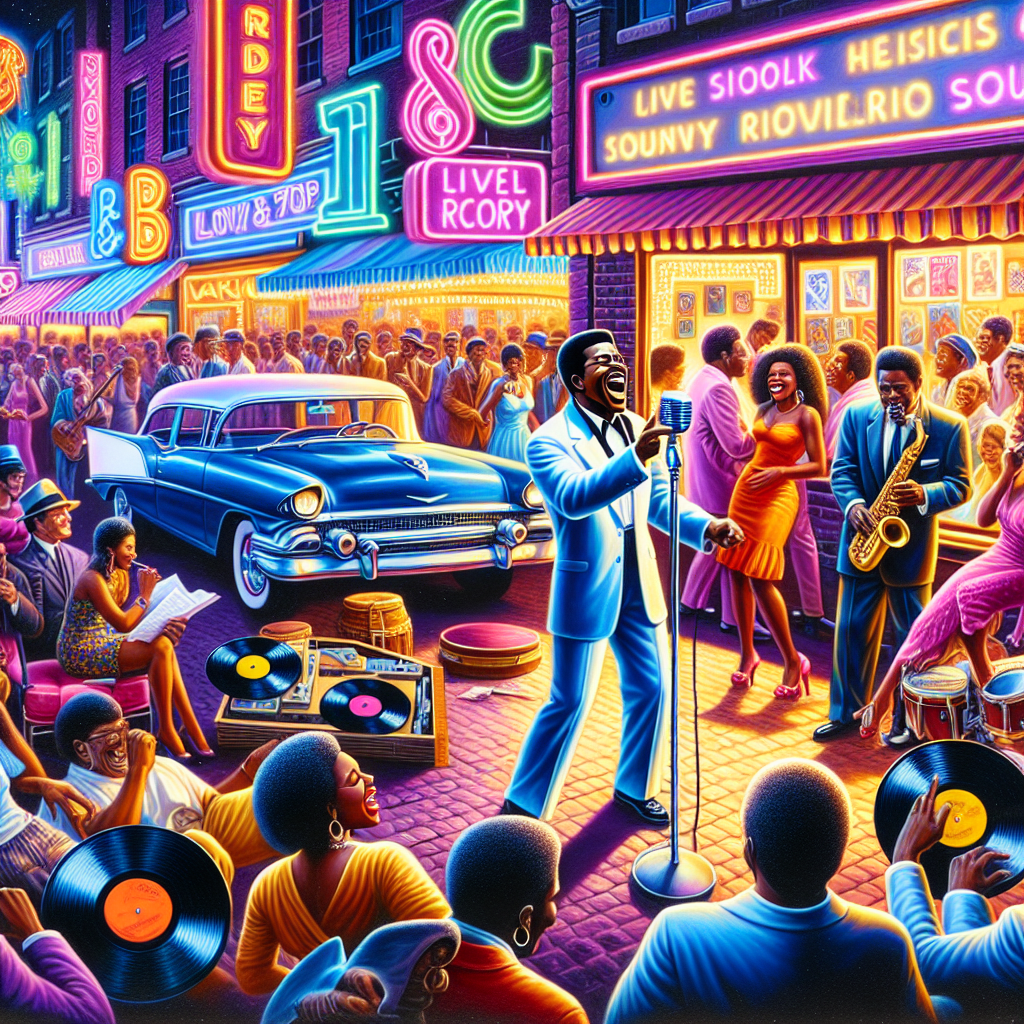
In the 1950s, rock ‘n’ roll emerged as a rebellious form of music that challenged societal norms and brought people together through its catchy beats and relatable lyrics. Artists like Elvis Presley, Chuck Berry, and Little Richard paved the way for future generations by breaking down racial barriers and creating a new sound that would define an era.

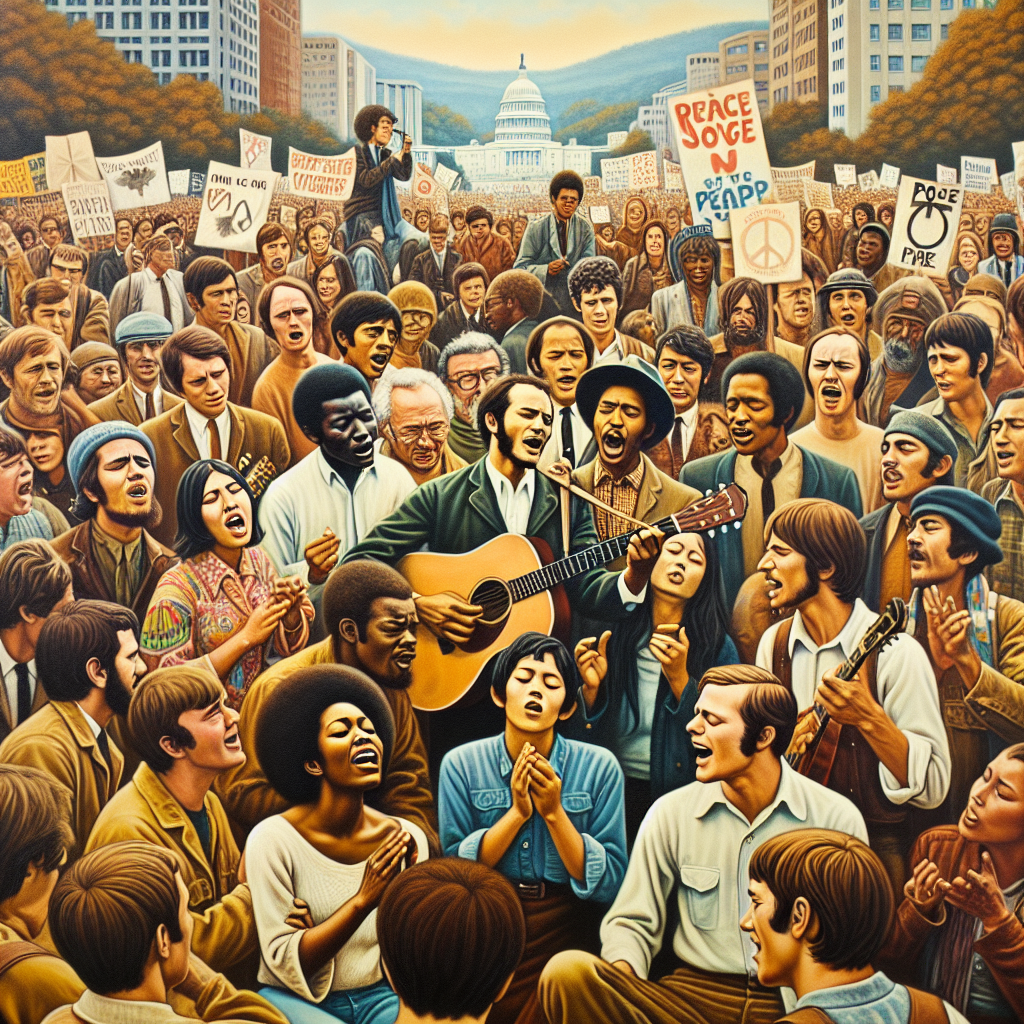
As rock ‘n’ roll continued to evolve in the 1960s, artists like The Beatles, The Rolling Stones, and Jimi Hendrix pushed boundaries with their experimental sounds and thought-provoking lyrics. Their influence extended beyond music into fashion and politics, as they became symbols of counterculture movements and inspired change on a global scale.

By the 1970s, rock ‘n’ roll had become a dominant force in popular culture, with bands like Led Zeppelin, Pink Floyd, and Queen pushing the boundaries of what was possible in music. Their larger-than-life performances captivated audiences around the world and solidified their place as legends in the industry.

Through their music, these iconic artists were able to connect with people from all walks of life and inspire them to think differently about the world around them. Their influence can still be felt today in the music we listen to, the clothes we wear, and the way we express ourselves.

As we continue to explore the impact of rock ‘n’ roll on society, it’s important to remember that music has the power to enhance joint health and well-being. By taking care of our bodies through proper nutrition and supplementation, we can ensure that we are able to enjoy our favorite songs for years to come.

If you’re interested in exploring a specially formulated supplement that can help support your joint health, click here to learn more through our sponsor’s link.

The Evolution of the American Teenager: How Cultural Icons of the 50’s, 60’s, and 70’s Shaped Youth Culture

Teenagers have always played a significant role in shaping culture and society, but perhaps no other time period has had as much influence on youth culture as the 1950s, 60s, and 70s. During these decades, cultural icons emerged that not only defined the music, fashion, and attitudes of the time but also influenced politicians and social movements.

One of the most notable aspects of this era was the music that teenagers were listening to. From rock ‘n’ roll in the 50s to psychedelic rock in the 60s and disco in the 70s, music played a crucial role in shaping youth culture. Bands like The Beatles, The Rolling Stones, and Led Zeppelin became cultural icons who not only entertained but also challenged societal norms.

In addition to music, fashion also played a significant role in defining teenage culture during these decades. From poodle skirts and leather jackets in the 50s to bell-bottom jeans and tie-dye shirts in the 60s and platform shoes and sequins in the 70s, teenagers used fashion as a form of self-expression and rebellion.

Politicians also took notice of the power of teenage culture during this time period. Figures like John F. Kennedy and Richard Nixon understood that appealing to young people was essential for gaining support and shaping public opinion. By engaging with popular musicians and celebrities, politicians were able to connect with teenagers on a personal level.

Overall, the evolution of the American teenager during the 1950s, 60s, and 70s had a lasting impact on society as a whole. By embracing new forms of music, fashion, and attitudes towards politics, teenagers were able to express themselves in ways that were previously unheard of.

If you’re interested in exploring how these cultural icons shaped youth culture during this time period further or want to enhance your joint health and well-being through specially formulated supplements, check out our sponsor’s link here.

Activism and Advocacy: How Cultural Icons Used Their Platforms for Social Change

Activism and advocacy have long been intertwined with music, culture, politics, history, and fashion. Throughout the years, numerous cultural icons have used their platforms to bring attention to important social issues and drive change in society.

One such example is the legendary musician Bob Marley, who used his reggae music to spread messages of peace, love, and unity. His iconic songs like “Get Up, Stand Up” and “Redemption Song” inspired countless individuals to stand up against injustice and fight for equality.

In the world of fashion, designer Vivienne Westwood has been a vocal advocate for environmental sustainability and political activism. Through her designs and runway shows, she has highlighted issues such as climate change and consumerism, urging people to rethink their relationship with the planet.

Politicians like Nelson Mandela also used their positions of power to advocate for social change. As the first black president of South Africa, Mandela worked tirelessly to dismantle the country’s system of apartheid and promote reconciliation among its diverse population.

These examples serve as a reminder that anyone can make a difference through activism and advocacy. Whether you’re a musician, designer, politician, or simply an individual with a passion for change, there are countless ways to use your platform for good.

So next time you’re listening to music, browsing through fashion magazines, or following political news, take a moment to consider how you can contribute to making the world a better place. Your voice matters – let it be heard!

The Impact of Woodstock: A Look Back at the Iconic Music Festival of the 1960s

Woodstock was a music festival that took place in 1969 and has since become an iconic event in American history. The impact of Woodstock can still be felt today, as it played a significant role in shaping the culture of the 1960s.

One of the key aspects of Woodstock was its focus on music. The festival featured performances from some of the biggest names in music at the time, including Jimi Hendrix, Janis Joplin, and The Who. These performances helped to define the sound of the era and showcased the talent of some of the most influential musicians of the time.

In addition to its musical impact, Woodstock also had a significant cultural impact. The festival brought together hundreds of thousands of people from all walks of life, creating a sense of unity and community among attendees. This spirit of togetherness was reflected in the peaceful and laid-back atmosphere of the event, which stood in stark contrast to the social and political unrest that was prevalent at the time.

Politicians also took notice of Woodstock and its impact on society. Many politicians saw the festival as a reflection of the changing attitudes and values of young people in America. Some even tried to capitalize on this by aligning themselves with the counterculture movement that Woodstock represented.

Woodstock also had an impact on fashion, with many attendees embracing a bohemian style that became synonymous with the festival. This laid-back and free-spirited fashion sense continues to influence trends today, with elements like tie-dye shirts and fringe jackets making a comeback in recent years.

Looking back on Woodstock, it’s clear that this iconic music festival had a lasting impact on American history. Its influence can still be seen in music, culture, politics, and fashion today. As we reflect on this historic event, we can appreciate how it helped to shape our world and inspire future generations.

The Rise of Feminism: How Cultural Icons of the 70’s Empowered Women

During the 1970s, feminism experienced a significant rise in popularity and influence, thanks in part to cultural icons from various fields who empowered women through their work. From music to movies, politicians to fashion, these figures helped shape a new era of gender equality and empowerment.

Music

Artists like Aretha Franklin, Joni Mitchell, and Gloria Gaynor used their music to address themes of independence, strength, and resilience. Songs like “Respect” and “I Will Survive” became anthems for women fighting for equality and standing up against oppression.

Movies

Films such as “Norma Rae” and “An Unmarried Woman” showcased strong female protagonists who defied societal norms and expectations. These characters inspired women to break free from traditional roles and pursue their own ambitions.

Politicians

Pioneering politicians like Shirley Chisholm and Bella Abzug fought tirelessly for women’s rights in the political arena. Their advocacy paved the way for future generations of women leaders to make their voices heard in government.

Fashion

The rise of feminist fashion in the 70s saw women embracing comfortable yet stylish clothing that reflected their newfound sense of empowerment. Designers like Diane von Furstenberg popularized the wrap dress, which symbolized freedom and self-expression for many women.

Reflecting on these cultural icons of the 70s, it’s clear that they played a crucial role in empowering women and advancing the feminist movement. Their contributions not only challenged societal norms but also inspired countless individuals to embrace their own strength and agency.

How Boomer Chronicles: A Journey Through Time resonates with different generations

Boomer Chronicles: A Journey Through Time is a delightful collection of stories that resonate with different generations, taking readers on a trip down memory lane with its yesteryear yarns and cultural flashbacks. Whether you’re a baby boomer reminiscing about the good old days or a millennial curious about the past, this book has something for everyone.

One of the things that make Boomer Chronicles so special is its ability to create retro reunions and clic connections between people of all ages. The stories in this book evoke a sense of nostalgia and familiarity, making readers feel like they are part of something bigger than themselves.

As you journey through the pages of Boomer Chronicles, you’ll find yourself transported back in time to a world filled with simpler pleasures and timeless traditions. From tales of childhood adventures to reflections on love and loss, this book captures the essence of what it means to be human.

So why not take a trip down memory lane with Boomer Chronicles: A Journey Through Time? You never know what cultural flashbacks or memory lane journeys await you!

Baby Boomers

The Evolution of Baby Boomers: A reflection on the changes over the years

Baby boomers, those of us born between 1946 and 1964, have certainly seen a lot of changes over the years. From yesteryear yarns to retro reunions, click connections to cultural flashbacks, and memory lane journeys, the evolution of baby boomers is truly fascinating.

As we look back on the past few decades, it’s clear that baby boomers have experienced a whirlwind of cultural shifts and societal changes. From the post-World War II era to the rise of technology in the digital age, baby boomers have witnessed it all.

Yesteryear yarns are a common theme among baby boomers as they reminisce about the “good old days.” Whether it’s remembering their first car or their favorite childhood TV show, baby boomers love to take a trip down memory lane.

Retro reunions are another popular pastime for baby boomers. These gatherings bring together old friends and classmates for a night of nostalgia and reminiscing. It’s a chance to reconnect with people from their past and relive some of their fondest memories.

Click connections have also played a significant role in the lives of baby boomers. From rotary phones to social media platforms like Facebook, baby boomers have adapted to new forms of communication over the years. They may not be as tech-savvy as younger generations, but they certainly know how to stay connected.

Cultural flashbacks are another hallmark of the baby boomer generation. From Woodstock to Watergate, baby boomers have lived through some of the most iconic moments in history. These events have shaped their values and beliefs in profound ways.

Memory lane journeys are a common occurrence for many baby boomers as they reflect on their lives and experiences. Whether it’s flipping through old photo albums or revisiting places from their past, baby boomers love to relive cherished memories.

In conclusion, the evolution of baby boomers is a testament to their resilience and adaptability. Despite facing numerous challenges and changes over the years, baby boomers have managed to navigate through it all with grace and wisdom. As we continue to look back on their journey through yesteryear yarns, retro reunions, clic connections, cultural flashbacks, and memory lane journeys, we can’t help but be inspired by their strength and perseverance.

Mr. Rogers – we loved your neighborhood

In the landscape of children’s television, one show stands out as a beacon of kindness, empathy, and understanding: “Mister Rogers’ Neighborhood.” For over three decades, Fred Rogers invited us into his neighborhood, not just through the doors of a simple set, but into a world where compassion reigned supreme. With its gentle pace, soothing melodies, and profound messages, the show remains a timeless testament to the power of goodness in a sometimes-chaotic world.

At the heart of “Mister Rogers’ Neighborhood” was its creator and host, Fred Rogers. With his signature cardigan sweater, comfortable sneakers, and warm smile, he became an icon of children’s television. What set Mister Rogers apart was his genuine love for children and his unwavering belief in their inherent worth. He saw each child as special, deserving of respect and understanding. His famous quote, “You’ve made this day a special day, by just your being you,” epitomizes his philosophy.

The show was not flashy or fast-paced like many others of its time. Instead, it was deliberate, intentional, and deeply meaningful. Mister Rogers took the time to explore important themes like friendship, emotions, and even difficult topics like death and divorce. He wasn’t afraid to tackle tough subjects, always approaching them with honesty and empathy.

One of the most beloved aspects of the show was its Neighborhood of Make-Believe. Through simple puppetry and storytelling, Mister Rogers and his puppet friends like Daniel Tiger, King Friday XIII, and Lady Elaine Fairchild brought to life a world where imagination knew no bounds. In this neighborhood, problems were solved through kindness and understanding, teaching children valuable lessons about empathy and cooperation.

Music was another integral part of the show. Mister Rogers was a talented musician, and he used music as a way to connect with his audience. Whether he was singing the iconic theme song, “Won’t You Be My Neighbor?” or sharing songs about feelings or everyday activities, music was a powerful tool for conveying messages and emotions.

Perhaps one of the most poignant moments of the show’s history was Mister Rogers’ testimony before the U.S. Senate Subcommittee on Communications in 1969. Facing potential budget cuts to public broadcasting, Mister Rogers delivered a heartfelt plea for the importance of children’s television. In his calm, gentle manner, he spoke of the need for programming that nurtured children’s emotional and intellectual growth. His words had a profound impact, leading to increased funding for PBS.

The legacy of “Mister Rogers’ Neighborhood” extends far beyond its original run. Generations of children grew up watching the show, learning valuable lessons about kindness, empathy, and self-worth. Even today, Mister Rogers’ teachings continue to resonate with both children and adults alike. The show has inspired books, documentaries, and even a feature film starring Tom Hanks as Fred Rogers.

In a world that can often feel overwhelming and divisive, the enduring appeal of “Mister Rogers’ Neighborhood” reminds us of the simple yet profound power of kindness. Fred Rogers’ gentle spirit lives on in the hearts of those who were touched by his show, serving as a reminder to always look for the helpers and to be the best neighbors we can be. As Mister Rogers himself said, “I hope you’re proud of yourself for the times you’ve said ‘yes,’ when all it meant was extra work for you and was seemingly helpful only to someone else.” In Mister Rogers’ Neighborhood, we all found a place where we belonged, where kindness was king, and where we were all valued just the way we are.

Altamont Free Concert

Altamont Concert: The day the 60s died

I don’t know if many of us remember the Altamont Free Concert in December of 1969 (I know that I did not). This concert was supposed to be “The Woodstock of the West” referring to the wonderful Woodstock concert that happened 4 months earlier on August 15, 1969 on a farm Bethel, upstate New York.

Unfortunately, the Altamont concert turned out to not be as peaceful and full of happy memories as was Woodstock. It turned out the be a very negative experience. With everyone thinking and hoping that this would be “The Woodstock of the West” about 300,000 attended the Altamont Concert – but then the unfortunate things started to happen.

The Altamont Free Concert of 1969 stands as a sad and some would say tragic reminder of the darker side of the 1960s counterculture movement. Altamont was billed as a capstone to the “Summer of Love,” which started in August with Woodstock. This event was meant to be a celebration of peace, music, and community. However, it tragically devolved into chaos and violence, leaving a stain on our 1960’s of idealism and innocence. The Hells Angels, a notorious motorcycle gang, were hired as security—a decision that would have disastrous consequences.

The concert, held on December 6, 1969, at the Altamont Speedway in Northern California, was intended to be “The West Coast’s answer to Woodstock” – a peaceful gathering of like-minded individuals enjoying music and camaraderie. Organized by the Rolling Stones, with a lineup including Jefferson Airplane, Santana, and the Grateful Dead, the stage was set for a historic event. Carlos Santana, Jefferson Airplane, the Flying Burrito Brothers, and Crosby, Stills, Nash & Young (CSNY) followed by The Grateful Dead. The Rolling Stones were supposed to be taking the stage as the final act of the day. But before The Grateful Dead would take the stage and play, they decided to not do so because of the amount of violence and other negative events that were happening at the concert.

From the start, signs of trouble appeared on the horizon. The location for the concert, an old racetrack surrounded by dry hills, was perhaps not the best suited for the tremendous crowd that arrived. Unlike Woodstock, which had ample space and a peaceful rural setting, Altamont was cramped and chaotic. As noted earlier, the Hells Angels, a notorious motorcycle gang, were hired as security—a decision that would have disastrous consequences.

As the day progressed, the atmosphere grew increasingly tense. The sheer size of the crowd, estimated at over 300,000, overwhelmed the relatively small resources available. Food and water were scarce, sanitation was virtually nonexistent, and drugs were everywhere. The Hells Angels, who were supposed to be maintaining order, quickly became a source of fear rather than security. Their aggressive tactics and use of violence only escalated the growing sense of unease and unhappiness.

The situation reached a tipping point during the Rolling Stones’ performance. As the band took the stage, the crowd surged forward and pressed against the barricades separating them from the musicians. The Hells Angels, armed with pool cues and knives, tried to control the crowd, but their efforts only incited more chaos.

Tragically, the violence came to a head during the Stone’s performance of “Under My Thumb.” Meredith Hunter, a young African American man, was brutally beaten and stabbed to death by a group of Hells Angels a few mere feet from the stage. The entire incident was captured on film thus forever immortalizing the horror of that moment.

The aftermath of Altamont was a sobering, sad reckoning for the counterculture movement of our 60s. The idealism of the 1960s, with its message of peace and love, collided with the harsh realities of what unfortunately can sometimes be human nature. The Altamont Free Concert, meant to be a celebration of unity and happiness, instead exposed the fractures and tensions beneath the surface of any group of humans.

In the years that followed, Altamont became a symbol of the end of an era. The dream of the 1960s counterculture, dreams of a world transformed by music and love, was tarnished by the violence of that day. The Rolling Stones themselves would later express deep regret and sorrow over what transpired, acknowledging the failure of their vision for the event.

In conclusion, the Altamont Free Concert of 1969 stands as a cautionary tale—a reminder of the complexities and contradictions of human nature. It was an event that began with the promise of peace and music but ended in tragedy and bloodshed. Today, Altamont serves as a somber reminder of the fragility of idealism and the need for vigilance in the pursuit of a better world.

Star Trek

In our lifetime: The very first “Star Trek”

In September 1966, television screens across America flickered with anticipation as a groundbreaking series premiered. “Star Trek,” created by visionary Gene Roddenberry, burst onto the scene, introducing viewers to a universe of boundless exploration, diverse cultures, and ethical dilemmas. With its inaugural episode, “The Man Trap,” the show not only captivated audiences but also laid the foundation for a cultural phenomenon that would endure for decades.

Set in the 23rd century aboard the starship USS Enterprise, “Star Trek” followed the adventures of Captain James T. Kirk, portrayed by William Shatner, and his diverse crew as they journeyed through the final frontier, encountering strange new worlds and civilizations. The series stood out not only for its futuristic setting but also for its progressive themes and messages, tackling issues such as racism, war, and the quest for understanding.

“The Man Trap” served as a perfect introduction to the world of “Star Trek,” blending elements of science fiction with moral quandaries and character-driven storytelling. The episode centered on the Enterprise’s mission to deliver medical supplies to a remote outpost, where they encounter an old acquaintance of Dr. Leonard McCoy, played by DeForest Kelley. However, what initially appears to be a routine assignment soon spirals into a harrowing ordeal as the crew confronts a shape-shifting alien creature capable of assuming any form.

At its core, “The Man Trap” explored themes of deception, loneliness, and the complexities of interpersonal relationships. The creature, known as the “salt vampire,” preys on the unsuspecting crew members, feeding on their life energy and assuming the guise of their deepest desires. Through this narrative, the episode delved into the dangers of succumbing to illusion and the importance of discerning truth from fiction—a message that resonated with audiences then and continues to resonate today.

Moreover, “The Man Trap” showcased the diverse ensemble cast that would become the heart and soul of “Star Trek.” From the charismatic leadership of Captain Kirk to the logical wisdom of Mr. Spock, played by Leonard Nimoy, the crew of the Enterprise represented a vision of unity and cooperation beyond racial and cultural boundaries. Nichelle Nichols broke new ground as Lieutenant Uhura, one of the first African-American women to portray a prominent character on television, inspiring generations of viewers with her poise and intelligence.

Beyond its immediate impact, “Star Trek” went on to influence countless aspects of popular culture, from its iconic spaceship design to its optimistic vision of humanity’s future. The show’s enduring legacy can be felt in the myriad spin-offs, films, novels, and fan conventions that continue to celebrate its spirit of exploration and discovery. Indeed, “Star Trek” remains as relevant today as it was in 1966, inspiring audiences to boldly go where no one has gone before.

In conclusion, the airing of the first “Star Trek” episode in 1966 marked the beginning of a transformative journey that would capture the imaginations of millions around the world. Through its compelling storytelling, diverse cast, and thought-provoking themes, the series broke new ground and left an indelible mark on the landscape of science fiction and television. As we reflect on its enduring legacy, we are reminded of the power of storytelling to inspire, provoke thought, and bring people together in a shared vision of hope and exploration.