Our youth: Should we just let it be?

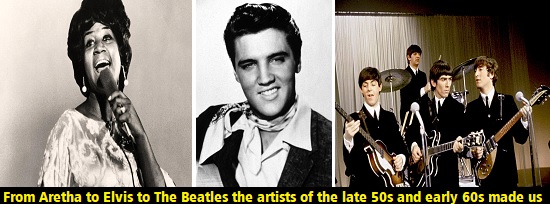
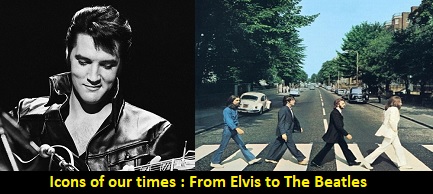
The release of the “Let It Be” album by The Beatles in May 1970 marked the end of an era and the beginning of a new chapter in the history of popular music. This album, which was initially intended to be the soundtrack for a documentary film of the same name, holds a special place in the hearts of fans and critics alike. Its significance goes beyond its musical content, encompassing the cultural, historical, and emotional aspects of the time.

Just as they were getting ready to break up: One of the key elements that make “Let It Be” so significant is its timing. The album was released at a crucial juncture in the Beatles’ career. The band had already announced its breakup, and internal tensions were palpable during the recording sessions. Despite the challenges, the album managed to capture the essence of the Beatles’ musical journey. It offered a poignant farewell, showcasing the band’s versatility and evolution over the years.

The title track, “Let It Be,” became an anthem of acceptance and resilience. Its lyrics, penned by Paul McCartney, resonated with a sense of hope and a message to find peace in difficult times. The song’s timeless quality has made it a source of comfort for listeners facing their own struggles, contributing to the enduring legacy of the album.

The “Let It Be” album also played a crucial role in shaping the perception of the Beatles as individuals and as a collective. The accompanying documentary, directed by Michael Lindsay-Hogg, provided a candid look into the dynamics of the band during their final days together. While it showcased moments of tension and disagreement, it also revealed the enduring camaraderie and musical brilliance that defined the Beatles. This raw and unfiltered portrayal added depth to the public’s understanding of the band, making the album a documentation of the end of an era.

Musically, “Let It Be” showcased the Beatles’ ability to seamlessly blend various genres and styles. From the soulful balladry of “Let It Be” to the rock-infused energy of “Get Back” and the bluesy undertones of “I’ve Got a Feeling,” the album demonstrated the band’s versatility. The inclusion of live recordings from the famous rooftop concert in London further emphasized the Beatles’ prowess as a live performance act.

The launch of the “Let It Be” album also marked the end of an era for the music industry itself. The 1970s saw a shift in musical trends, with the rise of new genres and the emergence of solo artists. The Beatles, having shaped the landscape of popular music throughout the 1960s, closed the chapter on their collective journey with “Let It Be.” The album’s release, therefore, symbolized the conclusion of a remarkable decade and the beginning of a new era in music.

In conclusion, the launch of the “Let It Be” album holds immense significance in the history of music. It serves as a farewell from one of the greatest bands of all time, offering a poignant reflection on their journey and legacy. Beyond its musical brilliance, the album encapsulates the emotions, tensions, and camaraderie that defined the Beatles. As fans continue to revisit “Let It Be,” its enduring impact on popular culture remains a testament to the timelessness of the Beatles’ music and the indelible mark they left on the world.

Thalidomide: Our 1960s nightmare

The beginning of the nightmare

A late 1950s advertisement touted a new drug called “Mornidine” (which was another name for Thalidomide). The advertisement said that “Mornidine is a drug with specific effectiveness for treating the nausea and vomiting which occurs in early pregnancy.” Can you imagine? It SPECIFICALLY said to use this drug “In Pregnancy.” It would turn out, as we will see below, that using this drug during pregnancy produced disastrous results!

The late 1950s and early 1960s were the beginning of the nightmare. Mornidine was, in actuality a drug called Thalidomde which had been developed in the mid 1950s by the West German pharmaceutical company Chemie Grünenthal GmbH. It was originally intended as a sedative or tranquilizer but was soon used for treating a wide range of other conditions, including colds, flu, nausea and – worst of all – morning sickness in pregnant women.

A prescription was never required.

Really? How could it be that a doctor’s prescription was never required for people to have access to Thalidomide? Well actually yes. It is unfortunately true. When initially released in Germany in late 1950s, a prescription was not required for people to have access to Thalidomide. Why? Well, it so happened that during early testing of Thalidomide, researchers found that “it was virtually impossible to give test animals a lethal dose of this drug”. What that meant is the they gave Thalidomide to laboratory test animals and that (pretty much) no matter how high a dose of Thalidomide they gave to laboratory test animals, it did not kill them. Therefore, based on this, the drug was felt to be harmless to give to humans. As a result, Thalidomide was licensed in Germany in July 1956 for over-the-counter sale (no doctor’s prescription was needed). Unbelievable but unfortunately true.

By 1958, Thalidomide was being produced and sold in various countries. In the United Kingdom it was produced and sold under various brand names, such as Distaval, Tensival, Valgraine and Asmaval. That means that in 1958 in Great Britain, you could walk up to your local pharmacy and pick up some Thalidomide without a prescription (under the various brand names mentioned above) to treat the nausea, or “Morning Sickness”, which is often encountered in early pregnancy. Advertisements of the time said things like “Distaval (another name for Thalidomide) can be given with complete safety to pregnant women (!) and nursing mothers without adverse effect to mother or child.” Nothing could be further from the truth.

In the USA: Dr. Kelsey saved us!

Here in the USA, we were largely saved this Thalidomide nightmare by a physician/pharmacist at the FDA by the name of Frances Oldham Kelsey, MD, PhD (or “Frankie” as her friends called her). Despite tremendous pressure from the pharmaceutical company that wanted the FDA to approve Thalidomide for use in the USA, Dr. Kelsey stubbornly turned down their many requests for the FDA to approve Thalidomide to be put pharmacy store shelves here in the USA. Dr. Kelsey felt that the companies had not provided enough clinical evidence to refute reports coming to the US from England (and other countries) of adults who developed nerve damage in their limbs after long-term use of Thalidomide. Unbelievably this was Dr. Frances Oldham Kelsey’s only her second case on the job as one of the reviewers for NDAs (New Drug Application) for the FDA. Dr. Kelsey, who passed away on August 7, 2015 at the age of 101, was a rookie at the FDA when a pharmaceutical company applied to the FDA to approve Thalidomide for us in the USA and rookie or not, she largely saved the US (the country as a whole) from the terrible nightmare of what was Thalidomide in the early 1960s! This took tremendous courage on her part.

On September 8, 1960, Dr. Kelsey received an NDA (New Drug Application) from a pharmaceutical company headquartered in Cincinnati called the “Richardson-Merrell” Company” who wanted the FDA to approve for the USA their new sedative which they called “Kevadon”, (but in reality this was Thalidomide under a US tradename). What is even more significant of the courage and sacrifice that Dr. Oldham Kelsey did for all of us is that at the time, a New Drug Application (NDA), by rule, had to be processed within 60 days or the company had the automatic right to market the product in the US! Can you imagine? What if Dr. Kelsey did not defend us as stubbornly as she did? In addition, unbelievable but true, at the time in the late 50s and early 60s, whether or not it was yet approved by the FDA, drug companies were permitted to freely distribute products to doctors if the packaging was labeled “experimental.” These reasons are why, despite Dr. Kelsey’s unbelievably heroic efforts, here in the US we still had a number of children born with birth defects due to Thalidomide.

The pressure on Dr. Kelsey was tremendous

The pharmaceutical company, Richardson-Merrell, expected to officially launch their Thalidomide medication onto US store shelves within 6 months of when they applied to the FDA for approval. They thought that they would have this medication on store shelves by March 6, 1961! In fact, they had already started to freely distribute samples of this Thalidomide formulation here in the USA and they were telling doctors and patients that their new sedative which they called Kevadon, (but in reality, this was Thalidomide under a US tradename) was supposedly “extremely safe, even for children” and – said even worse – that it was supposedly “safe and effective against the morning sickness of pregnancy”! (which it most definitely was NOT safe!).

Kelsey and her team repeatedly rejected the application for FDA approval for Thalidomide by the Richardson-Merrell Company, thereby angering the company tremendously. Richardson-Merrell submitted to the FDA and to Dr. Kelsey so-called “additional data” to try to compel the FDA to approve Thalidomide for over-the-counter use in the USA, but again Dr. Kelsey and her team rejected Richardson-Merrell’s application noting that their application was, again “incomplete and inadequate”. As expected, the Richardson-Merrell Company became very angry with Dr. Kelsey’s repeated rejections of Thalidomide for US store shelves. In about 18 months, unbelievably, they made approximately 50 visits to Dr. Kelsey’s office trying to get her to approve Thalidomide for the US store shelves – to give to pregnant women for “morning sickness”! Can you imagine the disaster if Dr. Kelsey would have buckled under this pressure and would have approved Thalidomide for US store shelves?

During the time when Dr. Kelsey was rejecting the repeated applications by the Richardson-Merrell Company to approve Thalidomide for United State store shelves, the US started to receive reports from doctors in the UK, Australia, Europe, Japan and West Germany, noting an alarming rate of malformed babies from mothers who were taking Thalidomide when they were pregnant (remember, there was no Internet in those days so these reports had to wait for regular mail). These reports noted that women who were taking Thalidomide during pregnancy were either miscarrying their pregnancies or their babies were being born without arms, without legs, sometimes without eyes and with many other horrible deformities. Other countries therefore began pulling Thalidomide from their markets and, after learning of all of these serious side effects in other countries, on March 8, 1962 the Richardson-Merrell company withdrew from the FDA their application for the approval of their formulation of Thalidomide for the USA!. Dr. Kelsey’s refusal to approve thalidomide for sale in the US prevented the births of thousands of seriously malformed babies.

By the time that it was all said and done, by late 50s and early 60s more than 10,000 children in 46 countries were born with deformities as a consequence of their mothers taking thalidomide during their pregnancies. It was determined that the severity, and even the location of the birth defects, depended on how many days into the pregnancy the mom took Thalidomide:

20 days: If the mom took Thalidomide on or before the 20th day of pregnancy, it caused brain damage in the newborn.

21 days: If the mom took Thalidomide around the 21st day of pregnancy, it caused damage the eyes, the ears and face of the newborn. Some newborns were even born without eyes!

24 through 28 days: If the mom took Thalidomide from the 24th through the 28th day of pregnancy, Thalidomide caused damage to the arms and legs of the newborn. Some newborns were born without arms or legs!

In August 1962, President John F. Kennedy awarded Dr. Frances Oldham Kelsey the President’s Medal for Distinguished Federal Civilian Service for her exceptional judgment in evaluating the drug Thalidomide and rejecting it for US store shelves. Dr. Kelsey was only the second woman ever to receive this award—the highest honor that can be bestowed upon a US civilian. As noted above, sadly Dr. Kelsey passed away on August 7, 2015 at the age of 101, We owe her so much. It is like what Winston Churchill said of the pilots who defended Britain from the Nazi onslaught during the Battle of Britain. “Never have so many, owed so much, to so few!”

Day the music died

When the music died in the 70s: Janis Joplin, Jim Morrison, and Jimi Hendrix

Introduction:

The late 1960s and early 1970s marked a huge era in our world of rock music, characterized by a cultural revolution, huge political upheavals, and unbelievable creative explosions. This transformative period witnessed the rise of three figures whose impact on the music scene was both profound and enduring – Janis Joplin, Jim Morrison, and Jimi Hendrix. Their careers soared like meteoric comets, forever leaving a mark on the history of rock and roll. However, fate dealt a cruel hand, and within a span of just two years, the world lost these iconic musicians in a tragic sequence of events. Can you imagine? At the prime of their lives, all three were gone in less than two years. The late 50s and early 60s also had their “day when the music died” when on February 3, 1959, Buddy Holly, Ritchie Valens, “The Big Bopper” J. P. Richardson, and pilot Roger Peterson were killed in a plane crash near Clear Lake, Iowa.

The Rise to Stardom:

Janis Joplin, with her raw and emotive voice, shattered conventions and became the queen of blues-infused rock. Jim Morrison, the charismatic frontman of The Doors, wove poetic narratives into psychedelic soundscapes, while Jimi Hendrix’s unparalleled virtuosity with the guitar redefined the possibilities of the instrument. Each artist brought a unique flavor to the musical landscape, capturing the zeitgeist of the counterculture movement.

The Cosmic Collision:

The convergence of their deaths between 1970 and 1971 seemed like a cosmic collision, leaving fans and the music world in shock. Janis Joplin, the first to depart, succumbed to a heroin overdose on October 4, 1970, at the age of 27. Just a few weeks earlier, on September 18, 1970, Jimi Hendrix, the maestro of the electric guitar, died in London under mysterious circumstances. The final blow came on July 3, 1971, when Jim Morrison, the enigmatic poet and lead singer of The Doors, was found dead in his bathtub in Paris. The circumstances surrounding each death fueled speculation, conspiracy theories, and a collective sense of grief.

The 27 Club:

The tragic demise of Joplin, Hendrix, and Morrison contributed to the creation of the infamous “27 Club,” a morbid association of musicians who died at the age of 27. This peculiar and unfortunate connection deepened the mystique surrounding their deaths, as years later other influential artists like Kurt Cobain and Amy Winehouse also joined their ranks.

Legacy and Cultural Impact:

Despite their untimely departures, the legacy of Joplin, Morrison, and Hendrix endures through their groundbreaking music, influencing subsequent generations of musicians. Joplin’s soulful wails, Morrison’s poetic musings, and Hendrix’s revolutionary guitar techniques continue to inspire artists across genres. Their impact on the cultural and social landscape of the 1960s reverberates through time, reminding us of a bygone era of rebellion, experimentation, and artistic freedom.

The End of an Era:

The deaths of Joplin, Morrison, and Hendrix marked the symbolic end of the utopian ideals of the 1960s. The era of free love, peace, and psychedelic exploration gave way to a more cynical and disillusioned phase. The loss of these iconic figures left a void that would never be completely filled, underscoring the fragility of artistic brilliance in the face of personal struggles and societal pressures.

Conclusion:

Janis Joplin, Jim Morrison, and Jimi Hendrix, though gone too soon, left an indomitable imprint on the history of rock music. Their deaths, occurring in close proximity, served as a poignant reminder of the fragility of artistic genius. As we reflect on their lives and the era they defined, we honor the enduring legacy of these three cosmic souls who, for a brief moment, illuminated the world with their extraordinary talents. The tragic triptych of Joplin, Morrison, and Hendrix stands as a testament to the enduring power of music and its ability to transcend time and space.

“Dark Side of the Moon”: 50 Years ago??

Introduction:

Can it possibly be that “Dark Side of the Moon” was released FIFTY YEARS AGO??

Fifty years ago, in 1973, Pink Floyd released their unbelievable album “The Dark Side of the Moon,” a musical masterpiece that transcended genres and redefined the landscape of progressive rock. This seminal work marked a turning point in the band’s career and has since become a cultural touchstone, celebrated for its innovative sound, profound lyrics, and thematic coherence. As we commemorate its golden anniversary, it’s essential to explore the enduring impact of “The Dark Side of the Moon” and its timeless relevance in the world of music.

Musical Innovation:

At its core, “The Dark Side of the Moon” is a sonic journey that blends progressive rock, psychedelic elements, and avant-garde experimentation. The album seamlessly integrates synthesizers, spoken-word samples, and unconventional time signatures, creating an immersive and otherworldly musical experience. The band, consisting of Roger Waters, David Gilmour, Richard Wright, and Nick Mason, pushed the boundaries of studio production, employing innovative techniques that were ahead of their time.

Speak to Me:

The album’s opener, “Speak to Me,” serves as a prelude to the musical odyssey that follows, introducing the listener to the thematic motifs that will weave through the entire record. The seamless transition between tracks, notably in the iconic heartbeat that bridges “Speak to Me” and “Breathe,” showcases the album’s meticulous attention to detail and contributes to its cohesive narrative.

Conceptual Depth:

What sets “The Dark Side of the Moon” apart is its thematic depth and conceptual coherence. The album explores universal themes such as time, mental illness, greed, and mortality. Lyrically, Roger Waters delves into the human experience, addressing the anxieties and challenges that define our existence. The recurring motif of a “prism” symbolizes the spectrum of human emotions and experiences, reinforcing the album’s overarching narrative.

The exploration of mental health in tracks like “Brain Damage” and “Eclipse” is particularly poignant. Waters’ introspective lyrics capture the struggles of the mind, resonating with listeners on a personal level. The album’s ability to connect with the human condition has contributed to its enduring popularity and timeless appeal.

Cultural Impact:

“The Dark Side of the Moon” wasn’t just a musical triumph; it was a cultural phenomenon. The iconic prism design, created by graphic designer Storm Thorgerson, became synonymous with the album and is instantly recognizable even today. The prism’s refraction of light symbolizes the diverse range of emotions explored throughout the record.

Moreover, the album’s success was groundbreaking for Pink Floyd and progressive rock as a whole. “The Dark Side of the Moon” became one of the best-selling albums of all time, spending a record-breaking 937 weeks on the Billboard 200 chart. Its popularity defied conventional expectations, proving that complex and introspective music could resonate with a broad audience.

Legacy and Continued Relevance:

Fifty years after its release, “The Dark Side of the Moon” remains a timeless masterpiece that continues to captivate new generations. Its influence can be heard in countless artists across various genres, from rock to electronic music. The album’s themes of existentialism and the human condition are as relevant today as they were in the 1970s, reflecting the enduring power of great art to transcend time.

In conclusion,

Pink Floyd’s “The Dark Side of the Moon” stands as a testament to the enduring power of music to transcend its time of creation. Its innovative sound, profound lyrics, and thematic depth have solidified its place in the pantheon of musical greats. As we celebrate the album’s 50th anniversary, we acknowledge its impact not just on the world of rock but on the broader cultural landscape, leaving an indelible mark on the hearts and minds of listeners worldwide.

The Timeless Journey of “Stairway to Heaven”

Introduction

Released on November 8, 1971, “Stairway to Heaven” by Led Zeppelin stands as a monumental and enduring piece of musical artistry that has transcended generations. Composed by guitarist Jimmy Page and lead singer Robert Plant, the song represents a unique blend of rock, folk, and progressive elements, creating an unbelievable landscape that has captivated listeners for over five decades.

Musical Exploration

“Stairway to Heaven” unfolds as a musical journey, spanning more than eight minutes and divided into distinct sections. The song opens with a delicate acoustic guitar intro, gradually building in intensity. Plant’s ethereal vocals join the arrangement, delivering poetic lyrics that evoke vivid imagery. The acoustic foundation gives way to a dynamic progression, featuring Page’s iconic guitar solo, accompanied by John Bonham’s powerful drumming and John Paul Jones’ melodic bass lines. This intricate fusion of musical styles showcases the band’s exceptional talent and experimental approach.

Lyricism and Symbolism

The lyrics of “Stairway to Heaven” have sparked countless interpretations, contributing to the song’s enduring mystique. The narrative weaves a tale of a woman seeking spiritual enlightenment, caught between the material world and a higher realm. The metaphorical journey is depicted through vivid imagery, from the “lady we all know” who buys a stairway to heaven, to the iconic line “all that glitters is not gold.” The song invites listeners to contemplate deeper existential questions, making it a timeless piece that resonates on a profound level.

Cultural Impact

Upon its release, “Stairway to Heaven” faced initial skepticism from some music critics who found its length and complexity unconventional for mainstream radio. However, the song’s magnetic allure and word-of-mouth praise soon propelled it to iconic status. It became a staple on classic rock radio and an essential part of Led Zeppelin’s live performances. Its enduring popularity is evident in its continuous presence in various media, from films to television shows, cementing its place in popular culture.

Legacy and Recognition

“Stairway to Heaven” has garnered numerous accolades over the years, solidifying its status as one of the greatest rock compositions in history. Despite never being released as a single, the song’s impact has been immeasurable, earning it a place in the Grammy Hall of Fame and countless “greatest songs of all time” lists. Its enduring legacy is also reflected in its digital presence, with millions of streams and downloads, ensuring its accessibility to new generations of listeners.

Controversy and Legal Battles

The success of “Stairway to Heaven” has not been without controversy. In 2014, the estate of Randy Wolfe, a guitarist for the band Spirit, claimed that Led Zeppelin had copied the song’s iconic opening from Spirit’s instrumental track “Taurus.” The legal battle that ensued culminated in a 2016 trial, where the jury ruled in favor of Led Zeppelin, stating that while the two songs shared a descending chromatic scale, they were not substantially similar. This legal victory preserved the song’s integrity and reinforced its originality. It seems that this lawsuit lends weight there possibly being some truth to the old saying that “No matter what you do in life, if it is successful enough, someone may try to covet it.”

Conclusion

“Stairway to Heaven” remains an enduring masterpiece that transcends the boundaries of time and genre. Its multifaceted composition, thought-provoking lyrics, and cultural impact have solidified its place in the pantheon of musical greatness. As we continue to traverse the stairway to the future, Led Zeppelin’s iconic creation stands as a testament to the timeless power of artistic expression and the enduring resonance of a musical journey that began in 1971

Star Wars: The 1977 Galactic Phenomenon

In a galaxy not so far away, the year 1977 marked the beginning of an unprecedented cultural phenomenon that would transcend generations and become a global sensation – Star Wars. Created by the visionary filmmaker George Lucas, this space opera was launched on May 25, 1977, forever altering the landscape of cinema and popular culture.

The genesis of Star Wars can be traced back to Lucas’s love for science fiction and his desire to create a modern myth. Drawing inspiration from classic hero’s journey narratives, mythology, and the works of renowned filmmaker Akira Kurosawa, Lucas embarked on a journey to bring his imaginative universe to life. Little did he know that he was about to create a groundbreaking cinematic experience that would resonate across cultures and ages.

The film’s release in 1977 was a pivotal moment in the history of cinema. At a time when the industry was grappling with a string of economic challenges and a shift towards smaller, character-driven films, Star Wars defied expectations. Lucas’s ambitious vision was brought to life with groundbreaking special effects, innovative storytelling, and a memorable score by John Williams. The result was a cinematic spectacle that captivated audiences and left an indelible mark on the medium.

One of the key elements that contributed to Star Wars’ success was its universal appeal. The film transcended traditional genre boundaries, blending elements of science fiction, fantasy, and adventure. At its core, Star Wars was a timeless tale of good versus evil, heroism, and the power of hope. This thematic richness resonated with audiences around the world, making it more than just a movie; it became a cultural touchstone.

The characters of Star Wars played a crucial role in its widespread appeal. From the charismatic Luke Skywalker to the enigmatic Darth Vader, each character was meticulously crafted to embody archetypal roles. The diverse and relatable cast, along with their memorable dialogue, added depth to the narrative. The iconic droids R2-D2 and C-3PO, with their endearing personalities, provided comic relief and became fan favorites.

Furthermore, the groundbreaking special effects employed in Star Wars set a new standard for the industry. Industrial Light & Magic, Lucas’s special effects company, revolutionized the way filmmakers approached visual storytelling. The use of practical effects, miniatures, and innovative techniques brought the galaxy far, far away to life in a way that had never been seen before. This technical prowess not only enhanced the storytelling but also influenced the future of filmmaking.

Beyond its cinematic impact, Star Wars became a cultural phenomenon that permeated various facets of society. The film’s success gave rise to a vast and ever-expanding franchise that includes sequels, prequels, spin-off films, animated series, novels, comics, and an array of merchandise. The iconic characters, spaceships, and planets became ingrained in popular consciousness, transcending the boundaries of the silver screen.

In conclusion, the launch of Star Wars in 1977 was a momentous event that forever changed the landscape of cinema and popular culture. George Lucas’s visionary storytelling, coupled with groundbreaking special effects and memorable characters, created a cinematic experience that resonated with audiences worldwide. Star Wars became more than just a film; it became a cultural touchstone, a modern myth that continues to inspire and captivate audiences to this day. The galaxy far, far away that was introduced in 1977 is now an integral part of our collective imagination, a testament to the enduring power of storytelling and the magic of cinema.

1973 Gasoline Crisis and the Odd/Even License Plate Rule

Introduction. The gasoline crisis of 1973 marked an amazing moment in the history of the United States, triggering widespread panic and disruption due to an abrupt shortage of fuel. The crisis was primarily fueled by geopolitical tensions in the Middle East, leading to an embargo on oil exports by the Organization of Petroleum Exporting Countries (OPEC). As a response to the shortage, the United States implemented various measures to conserve fuel, one of the most notable being the odd/even license plate rule.

What started the gas crises. The seeds of the gasoline crisis were sown in the aftermath of the Yom Kippur War in October 1973. Arab nations, primarily members of OAPEC, declared an oil embargo against nations perceived as supporting Israel, including the United States. The embargo led to a drastic reduction in oil supplies, causing oil prices to skyrocket globally and prompting severe shortages in the United States.

Impact on the United States. The sudden surge in oil prices and the subsequent scarcity of fuel had a profound impact on American society. Long lines formed at gas stations as people rushed to fill their tanks before supplies ran out. Businesses were disrupted, and the overall economic landscape experienced a downturn. The crisis highlighted the vulnerability of the United States’ dependence on foreign oil and underscored the need for energy independence. We (the US) have been careful ever since then to make sure that we are not ever again as dependent on foreign oil as we were then. Please see “Lessons Learned” below.

Odd/Even License Plate Rule. In response to the gasoline shortage, various measures were implemented to conserve fuel, and one of the most controversial and memorable measure was the odd/even license plate rule. This rationing system, implemented in many states, regulated the days on which individuals could purchase gasoline based on whether their license plate ended in an odd or even number. On odd-numbered days, only vehicles with license plates ending in an odd number were allowed to buy fuel, and vice versa for even-numbered days. This was nuts. Those of us who remember living through this can attest to how crazy this was.

Public Reaction and Challenges. The odd/even license plate rule was met with a mixed response from the public. While some saw it as a necessary and fair way to distribute limited resources, others viewed it as an inconvenience and an infringement on personal freedom. The implementation of the rule also posed logistical challenges, with law enforcement and gas station attendants struggling to enforce the regulations and manage the long lines of vehicles.

Lessons Learned. The gasoline crisis of 1973 and the odd/even license plate rule highlighted the need for the United States to diversify its energy sources and reduce its dependence on foreign oil. In the aftermath of the crisis, there was increased focus on developing alternative energy solutions and promoting energy efficiency. The experience also underscored the importance of strategic planning and preparedness to mitigate the impact of unforeseen events on essential resources.

Conclusion. The gasoline crisis of 1973 and the odd/even license plate rule serve as important historical markers, illustrating the interconnectedness of global events and their impact on everyday life. The crisis prompted a reevaluation of energy policies in the United States and spurred efforts to enhance energy security. While the odd/even license plate rule may have been a temporary and contentious solution, it played a role in raising awareness about the fragility of the nation’s energy infrastructure and the need for long-term, sustainable solutions.

Kennedy’s Assassination: Reflections on a fateful day

November 22, 1963, is a date etched in the annals of history and in our minds. A day that left an unbelievable mark on our collective consciousness as a nation and in my young mind as a child. On that fateful afternoon, the news of President John F. Kennedy’s assassination sent shockwaves across the United States, reverberating through the hearts and minds of all of us. I vividly remember the moment when I first heard the tragic news, a day that would change the course of history and my sense of security.

It was a crisp, autumn day, and I was in Mrs. Bender’s 4th grade class. She came into our classroom looking pale and gaunt. Her solemn voice shattered the ordinary flow of that school day and when she said that President Kennedy had just been shot in Dallas, Texas even my young mind at the time could tell that something very bad had just happened. Time seemed to stand still as the gravity of those words sunk in, a heavy pall settling over the nation.

In the early 1960s, Kennedy represented hope, charisma, and a vision for a brighter future. His youthful vigor and eloquent speeches had inspired a generation, promising a new frontier of progress and unity. The nation was captivated by the promise of change, and Kennedy’s assassination shattered those dreams in an instant.

As the news unfolded of his assassination, a profound sense of disbelief swept over me. How could this happen to the leader of the free world, a man who symbolized the aspirations of a nation? Someone who seemed like such a nice person? The air was charged with uncertainty, and the collective grief of a grieving nation was palpable. It was as if a beacon of hope had been extinguished, leaving behind a void that seemed insurmountable. The only thing that could come close to the disbelief that I felt that day was years later when I heard that someone, for no apparent reason, had shot and killed John Lennon.

The ensuing days were a blur of somber television broadcasts, tear-streaked faces, and a nation in mourning. The iconic image of Jacqueline Kennedy, clad in a blood-stained pink suit, standing stoically beside Lyndon B. Johnson as he took the oath of office aboard Air Force One, is seared into my memory. The abrupt transition of power underscored the fragility of democracy and the vulnerability of even the most powerful figures.

Kennedy’s assassination marked a turning point in American history, challenging the collective optimism that had defined the early 1960s. The nation grappled with a profound loss, not just of a president but of an era’s promise. The idealism that Kennedy had embodied was replaced by a sobering reality, punctuated by the violence of that tragic day.

In the aftermath, conspiracy theories emerged, adding a layer of complexity to the already devastating narrative. Questions lingered, and doubts persisted, casting a shadow over the official account of events. The Kennedy assassination became a symbol of the fragility of truth and the enduring human tendency to seek meaning in the face of incomprehensible tragedy.

Reflecting on that momentous day, I am reminded that history is often shaped by unforeseen events, altering the trajectory of nations and individuals alike. Kennedy’s assassination served as a stark reminder of the impermanence of power and the profound impact that a single act of violence can have on the course of history. As we remember that tragic day, we are compelled to honor the legacy of a leader who, in his untimely death, became a symbol of resilience, courage, and the enduring quest for a better tomorrow.

Life in the 60s prepared us for life today

Introduction:

The 1960s, often dubbed the “Swinging Sixties,” was a transformative era marked by social, political, and cultural upheavals that have left an indelible impact on the fabric of our society. While the world has undergone radical changes since then, the foundations laid during this tumultuous decade have played a crucial role in shaping the trajectory of modern life. This essay explores how the experiences of the 60s have become a template for resilience, activism, and social progress, setting the stage for the challenges and opportunities of today.

Social Activism and Civil Rights:

One of the most significant contributions of the 60s was the fervent pursuit of civil rights and social justice. The era saw the rise of the Civil Rights Movement in the United States, as individuals like Martin Luther King Jr. led the charge against racial discrimination. The activism of this period sowed the seeds for ongoing efforts to dismantle systemic inequalities and foster a more inclusive society. The struggles for equality and justice in the 60s served as a blueprint for contemporary movements, such as Black Lives Matter, emphasizing the persistent need to confront and rectify social injustices.

Counterculture and Individual Expression:

The 60s witnessed the emergence of a vibrant counterculture that challenged conventional norms and encouraged individual expression. The youth of that era rejected societal expectations, paving the way for a more open-minded and inclusive society today. Concepts like “flower power” and “peace and love” became symbols of unity and acceptance, influencing the modern ethos that values diversity and celebrates individualism. The legacy of the counterculture era can be seen in today’s emphasis on embracing differences and promoting personal freedom.

Technological Revolution:

The 1960s also marked the beginning of a technological revolution that laid the groundwork for the digital age. The Space Race, with the moon landing in 1969, exemplified humanity’s ability to push the boundaries of innovation. This spirit of exploration and technological advancement continues to shape our world today, with the internet, smartphones, and artificial intelligence defining the modern era. The curiosity and ambition of the 60s set the stage for the interconnected, fast-paced global society we navigate in the 21st century.

Environmental Consciousness:

Amidst the social and technological shifts, the 60s also saw the nascent stirrings of environmental awareness. The first Earth Day in 1970 was a pivotal moment that catalyzed a global environmental movement. Today, concerns about climate change, sustainable living, and conservation reflect the environmental consciousness that began to take root in the 60s. The push for environmental stewardship initiated during this era has evolved into a vital aspect of contemporary discourse on preserving the planet for future generations.

Conclusion:

Life in the 60s was a crucible of change, resilience, and progress that has reverberated through the decades, shaping the landscape of contemporary society. The lessons learned during this transformative period have become ingrained in our collective consciousness, influencing the way we approach social justice, individual expression, technology, and environmental responsibility. As we navigate the challenges and opportunities of today, we can trace our steps back to the roots of the 60s, recognizing the enduring impact of that era on the tapestry of our modern lives.

Reflections: Medicare age

As the years unfold before us, we often find ourselves caught in the unbelievable situation which is life’s unpredictable journey. One such milestone that has sneaked up on us is the attainment of Medicare age. Did we ever think that we would reach this stage of life, marked by a government-sponsored healthcare program and a symbolic entry into the realm of senior citizenship? The answer, for many of us, is a complex tapestry woven with threads of anticipation, reflection, and perhaps a hint of disbelief. Really? I’m Medicare age now?

As we navigate the winding paths of life, the concept of reaching Medicare age often feels distant and abstract. We don’t feel Medicare age. Do we? In our earlier years, health concerns may have taken a back seat to the more immediate challenges of education, career, and family. The notion of relying on a government healthcare program may not have been a pressing concern back then, as we grappled with building our lives and pursuing our dreams.

Yet, time has a way of marching forward, and before we know it, we find ourselves standing at the crossroads of life called Medicare, facing the reality of aging and the healthcare decisions that come with it. The contemplation of Medicare age forces us to confront our mortality and the inevitable changes that accompany the passage of time. The once-distant milestone now looms on the horizon, prompting introspection about the choices we made and the journey that led us here. I remember when, my father-in-law who I absolutely loved, started planning what his gravestone would look like and I thought “why in the world is he doing that?” Well, he is now buried there. Time has a way of coming home to all of us.

For some, the prospect of Medicare age may be met with a sense of gratitude, acknowledging the years of hard work and perseverance that have brought us to this point. It becomes a testament to a life well-lived, filled with experiences, relationships, and accomplishments. The idea of accessing healthcare through a government program may be seen as a well-deserved benefit, a safety net woven by society to catch us as we navigate the challenges of aging.

On the other hand, there may be those who approach Medicare age with a tinge of disbelief, wondering “Where did the time go?” and how we arrive at this juncture? The inevitability of aging can be a sobering realization, prompting individuals to reassess their priorities and make peace with the choices that shaped their lives. The reflection on whether they ever envisioned reaching Medicare age becomes a poignant exploration of the unexpected twists and turns that life takes.

In the face of these reflections, it is essential to recognize the societal implications of reaching Medicare age. As a collective, we are witnessing a demographic shift with a growing population entering the senior ranks. This phenomenon poses challenges and opportunities for healthcare systems, social structures, and policy frameworks. It calls for a reevaluation of how we approach aging as a society and how we can collectively ensure the well-being of our senior citizens.

In conclusion, the contemplation of reaching Medicare age invites us to explore the intricate interplay of time, choices, and societal structures. Whether met with gratitude or disbelief, this milestone serves as a juncture for reflection and reevaluation. As we navigate the complexities of aging, it is crucial to foster a collective understanding and support system that embraces the diverse experiences of individuals entering this significant phase of life. After all, the journey to Medicare age is not just a personal odyssey but a shared narrative woven into the fabric of our society.