Retirement Trends Among Boomers: Redefining Golden Years

Retirement Trends Among Boomers: Redefining Golden Years

Hey there, fellow readers! Today, let’s take a trip down memory lane and explore some fascinating retirement trends among the baby boomer generation. As this iconic group enters their golden years, they continue to redefine what it means to age gracefully while staying true to their cultural roots.

Cultural Icons: Influencing Generations

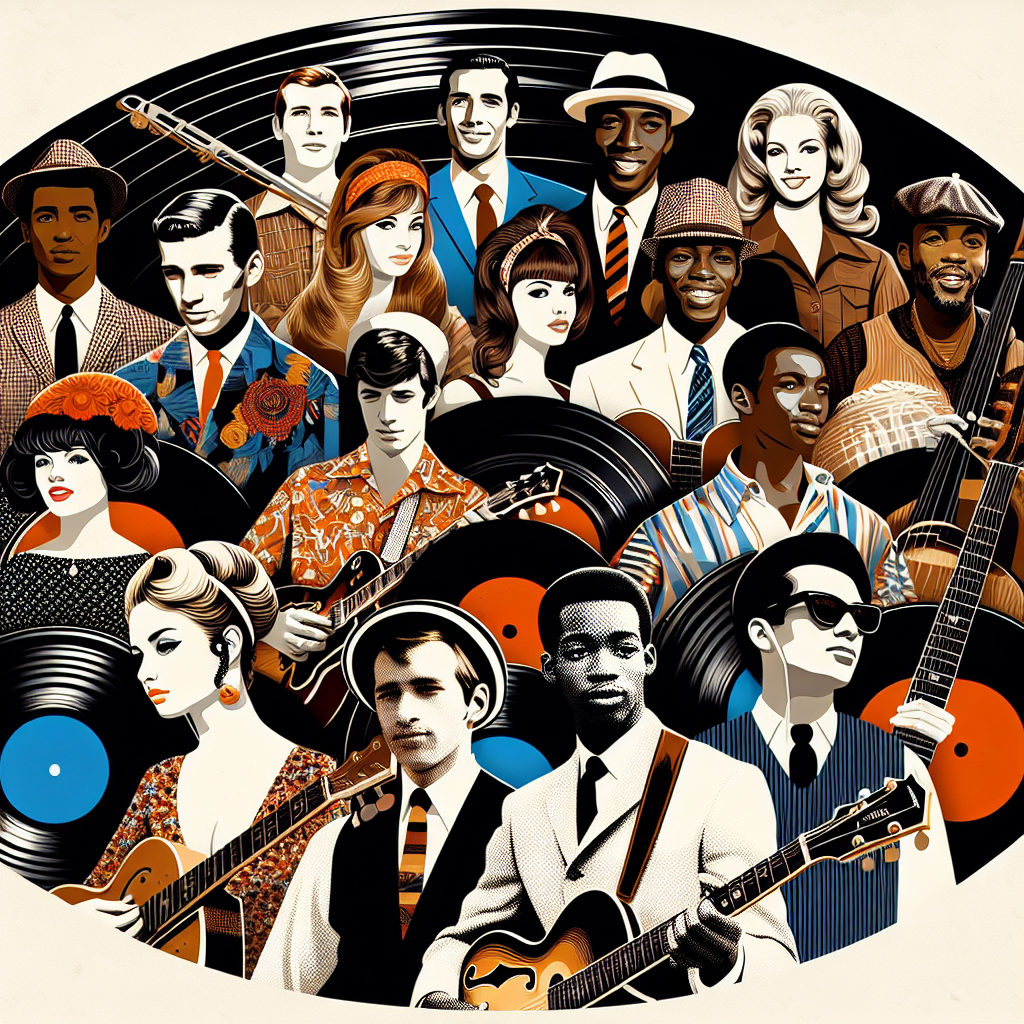
The baby boomer generation has been fortunate enough to witness the rise of numerous cultural icons who have left an indelible mark on our society. From actors and actresses who graced the silver screen with their talent, to musicians and bands that shaped entire generations, these icons continue to inspire and influence even in retirement.

Fashion Trends and Styles Over the Decades

One cannot discuss the baby boomer generation without delving into the fashion trends and styles that defined each decade. From bell-bottoms and tie-dye shirts in the ’60s, to disco-inspired outfits in the ’70s, boomers have always had a flair for fashion. Even today, as they retire, many continue to embrace their unique sense of style.

Film and TV: Timeless Entertainment

The world of film and television has provided endless hours of entertainment for boomers throughout their lives. Whether it’s classic movies from Hollywood’s golden era or beloved TV shows that captured their hearts, retirees now have more time than ever to revisit old favorites or discover new hidden gems.

Musicians and Bands: Soundtracks of Their Lives

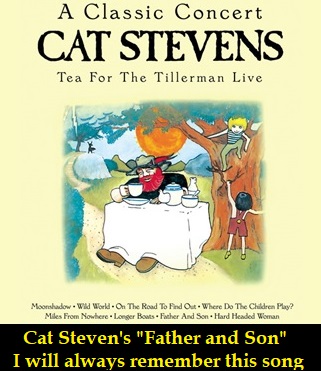
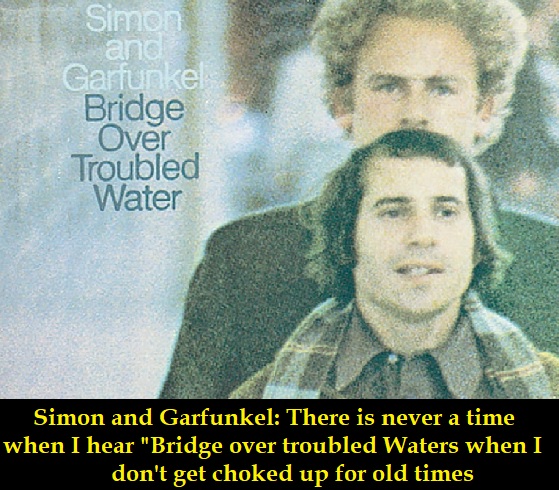
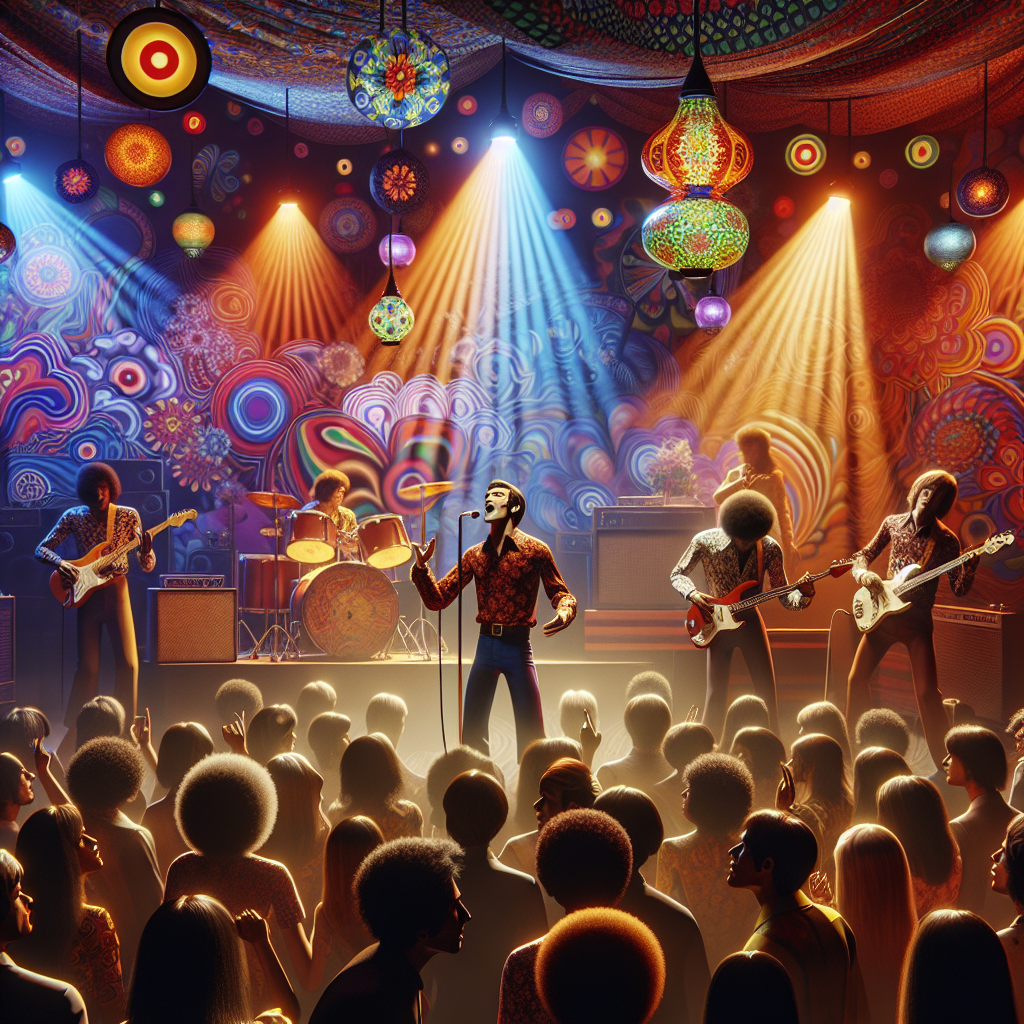
Music has always played a significant role in the lives of baby boomers. From the Beatles and Rolling Stones to Queen and Led Zeppelin, these musicians and bands provided the soundtrack to their youth. In retirement, many boomers find solace and joy in attending concerts, joining music clubs, or even picking up an instrument themselves.

Generational Reflections: Sharing Wisdom

As boomers retire, they often find themselves reflecting on the experiences and lessons learned throughout their lives. This generation has witnessed significant historical events, cultural shifts, and technological advancements. Their unique perspectives make them valuable mentors for younger generations seeking guidance in an ever-changing world.

So there you have it! Retirement trends among baby boomers are far from mundane or uneventful. They continue to embrace their cultural icons, express themselves through fashion, indulge in timeless entertainment, enjoy the music that shaped their lives, and share wisdom with those who follow.

We hope this blog post has brought a smile to your face as you reminisce about the past or contemplate your own retirement journey. Remember, age is just a number – let’s redefine what it means to grow older together!

Rosa Parks

Rosa Parks: Civil Rights Catalyst

Introduction:

On December 1, 1955, Rosa Parks, an African American seamstress in Montgomery, Alabama, took a courageous stand against racial segregation that would resonate throughout history. Parks’ refusal to give up her seat to a white man on a city bus not only sparked the Montgomery Bus Boycott but also became a defining moment in the American Civil Rights Movement. This essay delves into the events surrounding Parks’ act of civil disobedience and its profound impact on the fight against racial injustice.

Background:

In the mid-20th century, the racial segregation laws in the Southern United States were deeply entrenched, perpetuating a system that marginalized African Americans in almost every aspect of daily life. Public buses were no exception, with a strict segregation policy requiring African Americans to yield their seats to white passengers. This oppressive practice, coupled with discriminatory treatment, served as a constant reminder of the systemic racism that permeated society.

The Incident:

Rosa Parks’ pivotal moment occurred on a chilly December evening when she boarded a Montgomery city bus after a long day of work. As the bus filled up, the driver instructed Parks and three other African American passengers to vacate their seats for a white man. Parks, however, decided that she had endured enough indignities and quietly refused to comply with the unjust demand.

Parks’ arrest for her act of defiance served as a catalyst for change. The African American community, long weary of the oppressive segregation laws, seized the opportunity to rally against injustice and demand equality. The Montgomery Bus Boycott was born, spearheaded by the emerging leadership of a young minister named Martin Luther King Jr.

The Montgomery Bus Boycott:

Lasting for 381 days, the Montgomery Bus Boycott was a remarkable display of nonviolent protest. African American citizens, led by the Montgomery Improvement Association (MIA) and King, organized carpools, walked, or found alternative means of transportation rather than supporting a system that degraded their humanity. The boycott brought the city’s public transportation system to its knees and garnered widespread attention, both nationally and internationally.

Legal Implications:

As the boycott gained momentum, the legal battle unfolded. Rosa Parks’ arrest led to a court case that challenged the constitutionality of segregation on public buses. In December 1956, the United States Supreme Court ruled in the landmark case Browder v. Gayle, declaring segregated busing unconstitutional. This decision marked a significant legal victory for the Civil Rights Movement and set a precedent for dismantling segregation in other public facilities.

Legacy:

Rosa Parks’ refusal to surrender her seat had a profound and lasting impact on the struggle for civil rights. Her courage and resilience galvanized a movement that would eventually lead to the desegregation of public facilities, the end of Jim Crow laws, and the advancement of African American civil rights. Parks’ humble act of defiance remains a symbol of the power of individual courage to spark societal change.

Conclusion:

Rosa Parks’ decision to resist racial injustice on a Montgomery city bus ignited a fire that would blaze through the American Civil Rights Movement. Her quiet act of defiance set in motion a series of events that challenged the legality of segregation and ultimately dismantled the oppressive system. Rosa Parks’ legacy endures as a testament to the power of ordinary individuals to stand up against injustice, leaving an indelible mark on the quest for equality and civil rights in the United States.

Don't Worry Baby

The Timeless Harmony of “Don’t Worry Baby”

When we hear “The Beach Boys” we immediately think of sun-soaked beaches in California and girls with long blond hair on the beach in bikinis. We think of “I wish they all could be California Girls” and “Good Vibrations.” That is the image that the Beach Boys brought to us in our wonderful years. The Beach boys brought a unique blend of harmonies and surf-inspired melodies to the forefront of American popular music in the 1960s. Among their timeless catalog of hits, “Don’t Worry Baby” stands out as an absolutely touching and evocative gem. Released in 1964 as a B-side to “I Get Around,” this song encapsulates the band’s signature sound and encapsulates the era’s ethos of youth, love, and the California dream.

This song was on the “B” side of the “I Get Around” 45 record and my brother would NEVER let me hear the “B” side because he always wanted to hear only “I Get Around” on the “A” side. How many people today understand what the “A” side or the “B” side of a record was? Or even more, what a 45 RPM record was?

Harmonies and Melody:

But although “Don’t Worry Baby” was not “I Get Around,” it was nevertheless wonderful. In fact, if you want to take a trip down memory lane, click on this link https://www.youtube.com/watch?v=4Riqmsn4qGU go to YouTube and hear this wonderful song again and relive memories. At the heart of “Don’t Worry Baby” lies the harmonic brilliance that defined The Beach Boys’ music. The intricate vocal arrangements, characterized by the falsetto of Brian Wilson and the harmonious interplay with the other band members, create a sonic landscape that is both lush and emotionally resonant. The song opens with a gentle piano melody, setting the stage for the harmonies that will weave throughout the narrative.

Lyricism and Storytelling:

The lyrics of “Don’t Worry Baby” delve into the universal theme of love and reassurance. The protagonist, a young man about to engage in a drag race, is comforted by his significant other who reassures him not to worry. The lyrics capture the vulnerability and tenderness of youth, encapsulating the anxieties and uncertainties that come with young love. The story unfolds with a cinematic quality, each verse painting a vivid picture of the scene – the revving engines, the crowd’s anticipation, and the emotional tension of the moment.

Emotional Depth:

Beneath the catchy melody and harmonious vocals, “Don’t Worry Baby” carries an emotional depth that elevates it beyond a simple surf-rock love song. The vulnerability in the lyrics, coupled with the sincerity in the vocal delivery, creates a profound connection with the listener. It’s not merely a song about a drag race; it’s a metaphor for the challenges and uncertainties that accompany any significant endeavor. The reassurance to “don’t worry, baby” becomes a universal message of comfort, resonating with anyone facing the unknown.

Production and Arrangement:

Brian Wilson’s genius as a producer is palpable in “Don’t Worry Baby.” The song showcases his meticulous attention to detail, incorporating innovative studio techniques and layering to create a rich and immersive sonic experience. The instrumental arrangement, featuring a combination of guitars, drums, and the iconic harmonica solo, contributes to the song’s timeless appeal. The production quality remains a testament to Wilson’s role as a pioneering figure in shaping the landscape of popular music.

Legacy and Influence:

“Don’t Worry Baby” has endured the test of time, remaining a staple in The Beach Boys’ live performances and a fan favorite for decades. Its influence extends beyond the realms of surf and rock, inspiring subsequent generations of musicians across genres. The song’s ability to evoke a range of emotions and capture the essence of youthful optimism has solidified its place in the pantheon of classic American music.

Conclusion:

In the tapestry of The Beach Boys’ illustrious career, “Don’t Worry Baby” stands as a testament to the band’s ability to craft timeless and emotionally resonant music. With its intricate harmonies, heartfelt lyrics, and masterful production, the song continues to captivate audiences, inviting them to immerse themselves in the nostalgic warmth of California sunsets and the enduring magic of The Beach Boys’ sound. “Don’t Worry Baby” remains an enduring masterpiece that transcends its era, inviting listeners to bask in the timeless embrace of its melodic and emotional richness.

Downtown

Petula Clark’s “Downtown” is timeless

Petula Clark’s “Downtown” is a timeless song that captures the spirit of urban life and the universal pursuit of happiness. Released in 1964, the song became an international sensation, capturing the hearts of listeners with its upbeat melody, catchy lyrics, and the effervescent voice of the British pop sensation.

At its core, “Downtown” is a celebration of the vibrant and bustling energy found in city life. The song paints a vivid picture of the city as a haven where one can escape the monotony of daily life, transforming a mundane existence into an adventure full of possibilities. The upbeat tempo and lively instrumentation contribute to the infectious optimism that radiates from the song, making it impossible to resist the urge to tap one’s feet or sing along.

The lyrics of “Downtown” convey a sense of liberation and renewal, urging listeners to break free from the routine and discover the excitement waiting in the heart of the city. The titular word “downtown” becomes a symbolic destination, a place where dreams come true, and worries fade away. The city becomes a beacon of hope, offering solace and refuge to those seeking a change of pace and a fresh start.

Petula Clark’s vocal delivery adds an extra layer of charm to the song. Her voice, filled with warmth and sincerity, brings the lyrics to life, making the listener feel as though they are personally invited to join her on this exhilarating journey to downtown. Clark’s ability to convey both vulnerability and strength through her voice enhances the emotional depth of the song, making it relatable to a diverse audience.

Beyond its immediate appeal, “Downtown” also reflects the cultural and social dynamics of the 1960s. Released during a period of societal transformation and the rise of the counterculture, the song resonated with a generation eager to break free from conventional norms. The city, as depicted in “Downtown,” became a symbol of liberation and a space where individuals could express themselves freely, away from the constraints of traditional values.

The song’s enduring popularity can be attributed to its ability to transcend the temporal boundaries of the era it was created in. “Downtown” has been covered by various artists and featured in numerous films, television shows, and commercials, attesting to its lasting impact and universal appeal. Its melodies continue to captivate new generations, proving that the desire for adventure, optimism, and the thrill of city life are timeless themes that resonate with people across different cultures and ages.

In conclusion, Petula Clark’s “Downtown” stands as a testament to the enduring power of music to capture the essence of the human experience. Its infectious energy, coupled with Clark’s emotive vocals and the universal theme of seeking joy in the heart of the city, has solidified its place as a classic in the pop music canon. As we continue to navigate the complexities of modern life, “Downtown” remains a musical sanctuary, inviting us to escape, explore, and find solace in the vibrant tapestry of the urban landscape.

The 1967 Movie “Camelot”

I still remember as a kid when I was taken to see this movie “Camelot” as part of a school trip. I absolutely fell in love with not only the title song of the movie https://www.youtube.com/watch?v=N0Bp5odIZjQ but also the song “If ever I should leave you” https://www.youtube.com/watch?v=ATUjAT6Uvgw which touched my little kid heart tremendously and made a romantic out of me (which survives as a romantic to this day). Click on either of these two links to be taken to YouTube to listen to these wonderful songs and relive your past memories. Thankfully, of the main characters in the movie, Vanessa Redgrave is 86 years old and still alive, but sadly we lost Richard Harris in October of 2002. I find it sobering when I think that one of the characters of this movie which touched my young mind and heart has passed on.

“Camelot” is a timeless masterpiece released in 1967, directed by Joshua Logan and based on the 1960 Broadway musical of the same name, which itself draws inspiration from T.H. White’s novel “The Once and Future King.” The film unfolds the legendary tale of King Arthur and the Knights of the Round Table, offering a unique blend of romance, fantasy, and political intrigue that captivates audiences to this day.

At the heart of “Camelot” is the legendary love triangle between King Arthur (played by Richard Harris), Queen Guinevere (Vanessa Redgrave), and Sir Lancelot (Franco Nero). The film explores the complexities of love, loyalty, and the consequences of personal choices against the backdrop of Arthur’s vision for a utopian society based on justice, chivalry, and the rule of law.

The film’s narrative is driven by its characters, each bringing depth and nuance to the Arthurian legend. Richard Harris delivers a powerful performance as King Arthur, capturing the character’s idealistic vision and internal struggles. Vanessa Redgrave brings a compelling complexity to Queen Guinevere, torn between duty and desire, while Franco Nero’s portrayal of Sir Lancelot adds a layer of intensity and conflict to the storyline. The chemistry between the three leads is palpable, infusing the film with emotional resonance.

One of the film’s standout features is its lush and visually stunning cinematography. The majestic landscapes, intricate costumes, and elaborate set designs transport the audience to the mythical realm of Camelot. The film’s visual grandeur is complemented by Frederick A. Young’s cinematography, which skillfully captures the sweeping landscapes and intimate moments alike. The cinematography not only serves as a feast for the eyes but also contributes to the film’s overall immersive experience.

The musical score, composed by Frederick Loewe with lyrics by Alan Jay Lerner, is another of the film’s defining elements. The iconic songs, including “Camelot,” “The Lusty Month of May,” and “If Ever I Would Leave You,” enhance the emotional impact of key scenes and help to convey the characters’ innermost feelings. The music adds a layer of enchantment to the narrative, making it an integral part of the film’s enduring appeal.

Beyond its romantic elements, “Camelot” also explores themes of power, leadership, and the consequences of political decisions. King Arthur’s vision of Camelot as a beacon of justice and fairness is contrasted with the harsh realities of the world, highlighting the challenges of maintaining an idealistic kingdom in the face of human flaws and political intrigue. The film raises thought-provoking questions about the nature of leadership and the compromises that come with the pursuit of a noble vision.

“Camelot” is a product of its time, reflecting the cultural and political climate of the 1960s. The film’s release coincided with a period of social and political upheaval, and its themes of idealism, hope, and the struggle for a better world resonated with audiences seeking inspiration and meaning in turbulent times. The film’s message of hope and the enduring power of idealism continue to be relevant, making “Camelot” a timeless classic that transcends its historical context.

In conclusion, “Camelot” stands as a cinematic gem that weaves together the magic of Arthurian legend with compelling characters, lush visuals, and a memorable musical score. Its exploration of love, leadership, and the pursuit of an idealistic vision makes it a film that continues to captivate audiences decades after its release. As a timeless tale of romance, honor, and the enduring quest for a better world, “Camelot” remains a cinematic triumph that has left an indelible mark on the landscape of film history

A Summer Place

“A Summer Place” movie – the memories!

When I hear the theme song for the movie “A Summer Place,” it takes me back to the summer of 1960 when I was on vacation and had a huge crush on a beautiful girl that summer.

If you wish to be transported back to a happier time in your life, click on this link to hear Percy Faith’s beautiful music for this wonderful film: https://www.youtube.com/watch?v=_Wd3dlEvodk.

“A Summer Place” is a classic American film released in 1959, directed by Delmer Daves. The movie is based on the 1958 novel of the same name by Sloan Wilson. Set against the backdrop of a beautiful coastal town, the film explores themes of love, societal expectations, and the consequences of repressed desires. With its captivating storyline and stellar performances by the cast, “A Summer Place” has endured as a timeless piece of cinema.

The narrative unfolds as Ken Jorgenson (played by Richard Egan), an affluent businessman, decides to revisit his family’s old summer home on Pine Island. The serene island serves as the ideal escape from the pressures of everyday life. Ken arrives with his wife Sylvia (played by Dorothy McGuire) and their teenage son Johnny (played by Troy Donahue). Little do they know that the island harbors buried secrets and unresolved emotions that will come to the surface during their stay.

One of the film’s central conflicts revolves around the relationship between Johnny and Molly (played by Sandra Dee), the daughter of the Jorgensons’ caretakers. As Johnny and Molly explore their budding romance, their connection becomes a source of tension, given the class disparity between them. This aspect of the plot reflects the societal norms and prejudices prevalent in the 1950s, where social class often dictated the acceptability of romantic relationships.

The film delicately addresses the consequences of societal expectations and the impact of parental influence on the choices of the younger generation. Johnny and Molly’s love is thwarted not only by class differences but also by the disapproval of their parents. The characters grapple with their own desires and societal expectations, leading to a poignant exploration of the constraints imposed by tradition.

“A Summer Place” is also notable for its exploration of the consequences of repressed desires and the impact of infidelity on family dynamics. As Ken and Sylvia navigate the complexities of their own marriage, the film sheds light on the fragility of relationships when faced with temptation and the consequences of betraying trust.

The cinematography of “A Summer Place” is a standout feature, capturing the beauty of Pine Island and emphasizing the stark contrast between the idyllic setting and the tumultuous emotions of the characters. The film’s score, composed by Max Steiner, further enhances the emotional resonance, providing a melodic backdrop to the unfolding drama.

The performances of the cast contribute significantly to the film’s enduring appeal. Richard Egan and Dorothy McGuire deliver compelling portrayals of a couple grappling with the challenges of their marriage, while Troy Donahue and Sandra Dee embody the innocence and passion of young love. The chemistry between the actors adds depth to the characters, making them relatable and engaging for the audience.

In conclusion, “A Summer Place” stands as a classic film that explores timeless themes of love, societal expectations, and the consequences of repressed desires. Its enduring popularity can be attributed to the compelling narrative, stunning cinematography, and stellar performances by the cast. As a cinematic gem of the 1950s, “A Summer Place” continues to captivate audiences with its poignant exploration of human relationships in the face of societal norms and personal desires.

Disney World

1971: Disney World in Florida Opens

The opening of Disney World in Florida marked a significant milestone in the world of entertainment and theme parks. This iconic event, which took place on October 1, 1971, not only transformed the landscape of Central Florida but also revolutionized the concept of amusement parks, setting a new standard for immersive and magical experiences.

Walt Disney’s dream of creating a second, larger-scale theme park on the East Coast had been in the works for years. Sadly, Walt Disney passed away in 1966, but his vision lived on through the dedicated efforts of his team. The opening of Disney World, officially named the Walt Disney World Resort, was a testament to the perseverance and creativity of the Disney Imagineers.

Located in Bay Lake and Lake Buena Vista, Florida, Disney World covered a vast area of around 25,000 acres, making it significantly larger than Disneyland in California. The sheer scale of the project was ambitious and groundbreaking. The resort comprised not only the Magic Kingdom theme park but also hotels, golf courses, and other recreational facilities, all designed to create a complete vacation destination.

The Magic Kingdom, at the heart of Disney World, was an enchanting experience for visitors. The opening ceremony was a grand spectacle, featuring iconic Disney characters, music, and a sense of wonder that captivated the audience. Cinderella’s Castle served as the centerpiece, symbolizing the magic and fantasy that awaited guests within the park.

One of the most groundbreaking features of Disney World’s opening was the introduction of the Epcot Center. Although Epcot officially opened in 1982, the initial plans were revealed in the early days of Disney World’s development. Epcot, which stands for Experimental Prototype Community of Tomorrow, was envisioned by Walt Disney as a utopian city that combined futuristic technology with community living. While the city concept was never fully realized, the Epcot Center became a unique theme park focused on innovation, culture, and international cooperation.

The opening of Disney World brought a new era of entertainment, introducing cutting-edge attractions and technologies. The monorail system, which connected various parts of the resort, was an engineering marvel and a glimpse into the future of transportation. Animatronic figures, such as the famous “Hall of Presidents,” showcased the advancements in audio-animatronics, bringing lifelike characters to life in a way that had never been seen before.

Beyond the technological advancements, the opening of Disney World had a profound impact on the tourism industry in Central Florida. The resort became a magnet for visitors from around the world, boosting the local economy and transforming the region into a major tourist destination. The success of Disney World paved the way for the development of other theme parks and resorts in the area, creating the now-famous Orlando theme park corridor.

In conclusion, the opening of Disney World in 1971 was a historic moment that left an indelible mark on the world of entertainment and tourism. Walt Disney’s dream of creating a magical destination for families came to fruition, and the legacy of Disney World continues to enchant generations of visitors. The resort’s innovative attractions, iconic characters, and commitment to creating magical experiences have solidified its place as a global leader in the theme park industry, making it a must-visit destination for people of all ages.

Grace Slick said “Go Ask Alice” – and we did

One pill makes you larger
And one pill makes you small
And the ones that mother gives you
Don’t do anything at all…

“White Rabbit” by Jefferson Airplane is a psychedelic rock anthem that emerged during the era of the 1960s when people were actively experimenting with marihuana and LSD. Released in 1967 as part of their album “Surrealistic Pillow,” the song became a key representation of the counterculture movement and the spirit of the time. With its cryptic lyrics (who understood them?), haunting melody, and distinctive vocals by Grace Slick, “White Rabbit” is a timeless piece that continues to captivate listeners and serve as a symbol of the psychedelic era.

The song’s lyrics are steeped in literary and cultural references, drawing heavily from Lewis Carroll’s “Alice’s Adventures in Wonderland” and “Through the Looking-Glass.” Grace Slick, the lead vocalist and lyricist for the song, takes the listener on a journey through a fantastical world filled with bizarre characters and surreal landscapes. The opening lines, “One pill makes you larger, and one pill makes you small,” allude to the changing size of Alice after consuming different substances in Carroll’s works.

The imagery in “White Rabbit” is vivid and evokes a dreamlike atmosphere that mirrors the hallucinatory experiences often associated with the use of psychedelic substances. The song’s narrative encourages a departure from conventional reality and an exploration of alternative states of consciousness. Slick’s enigmatic lyrics invite listeners to embrace a sense of wonder and curiosity, urging them to question societal norms and venture into the unknown.

Musically, “White Rabbit” is characterized by its distinctive blend of folk, rock, and psychedelic elements. The haunting guitar riff and ethereal organ accompaniment contribute to the song’s otherworldly ambiance. The tempo shifts and dynamic changes throughout the track add to its dramatic intensity, creating a sonic experience that mirrors the unpredictable and transformative nature of the 1960s. As a kid when I heard this song, I knew inside that this was something “different” from all other songs. If you have not listened to it for a while, you can hear it again on YouTube at this link: https://www.youtube.com/watch?v=WANNqr-vcx0.

One of the most memorable aspects of “White Rabbit” is Grace Slick’s powerful and commanding vocal delivery. Her vocals, at times both ethereal and forceful, perfectly complement the surreal lyrics, adding a layer of urgency and intensity to the song. Slick’s performance in “White Rabbit” is widely celebrated for its emotive depth and the conviction with which she delivers each line, making her voice an integral part of the song’s enduring appeal.

Beyond its artistic merits, “White Rabbit” also holds cultural significance as a representation of the counterculture movement of the 1960s. The song became an anthem for a generation seeking liberation from societal constraints and exploring new avenues of expression. Its popularity coincided with the rise of the psychedelic movement, and “White Rabbit” quickly became associated with the anti-establishment sentiments of the time – not to mention the strong negativity associated with the Vietnam War at that time.

In conclusion, “White Rabbit” by Jefferson Airplane is a timeless masterpiece that transcends its origins in the 1960s. With its enigmatic lyrics, mesmerizing melody, and powerful vocals, the song encapsulates the spirit of the counterculture movement and remains a symbol of the psychedelic era. Whether experienced as a nostalgic trip back to the 1960s or as a discovery for new generations, “White Rabbit” continues to captivate listeners with its dreamlike allure and thought-provoking narrative.

What's Going On?

In 1971 Marvin Gaye asked “What’s Going On?”

“Mother, mother
There’s too many of you crying
Brother, brother, brother
There’s far too many of you dying
You know we’ve got to find a way
To bring some lovin’ here today…”

With these words Marvin Gaye launched his landmark 1971 song entitled “What’s Going On?”

Life seemed to us, in those days, to be turned upside down. How can it be that Martin Luther King Jr AND Robert F Kennedy were BOTH assassinated WITHIN TWO MONTHS of each other? Marvin Gaye, just three years after these assassinations, in his landmark 1971 song, echoed what all of us felt at that time: “Leaders are being killed left and right. What in the world is going on??”

And yet, unfortunately, it was not only true; it was the reality that we lived through in our then young lives. If you have not heard Marvin Gaye’s heartfelt song in a while (believe it or not, this song is now 53 years old!) you can listen to it on YouTube by clicking on this link: https://www.youtube.com/watch?v=H-kA3UtBj4M

The assassinations of Martin Luther King Jr. and Robert F. Kennedy within two months of each other in 1968 marked a dark and turbulent period in our American history. These tragic events not only claimed the lives of two of the most prominent figures of our times, but also cast a shadow over the nation’s aspirations for civil rights, justice, and unity during a tremendous era of social and political change.

Martin Luther King Jr., a charismatic and influential leader of the civil rights movement, was assassinated on April 4, 1968, in Memphis, Tennessee. King had been an advocate for nonviolent protest and had played a crucial role in advancing the cause of racial equality in the United States. His assassination sent shockwaves throughout the country and sparked outrage among those who believed in his vision of a more just and integrated society.

King’s death came at a time when the civil rights movement was at a critical juncture. The struggle for racial equality had achieved significant milestones, such as the Civil Rights Act of 1964 and the Voting Rights Act of 1965, but challenges persisted. King’s assassination underscored the deep-seated racial tensions and the resistance to change that still existed in parts of our American society.

Just two months later! on June 5, 1968, Robert F. Kennedy, a leading political figure and brother of the late President John F. Kennedy, was assassinated in Los Angeles. Kennedy had emerged as a champion of progressive causes, including civil rights and an end to the Vietnam War. His campaign for the Democratic presidential nomination was gaining momentum, and he seemed poised to unite a divided nation.

Kennedy’s assassination was a devastating blow to the hopes of many who saw him as a figure capable of healing the nation’s wounds and bringing us together as a nation. His death left a void in American politics, and the loss of both King and Kennedy in such a short span of time intensified the sense of turmoil and uncertainty in our nation at the time.

The circumstances surrounding these assassinations raised questions and fueled conspiracy theories that persist to this day. James Earl Ray, a convicted felon, was arrested and pleaded guilty to the assassination of Martin Luther King Jr., but doubts about the official narrative linger. Similarly, the assassination of Robert F. Kennedy by Sirhan Sirhan has been the subject of speculation and controversy, with some suggesting a larger conspiracy at play.

These tragic events left an indelible mark on American society, shaping the course of history and influencing the trajectory of the civil rights movement and political discourse to this day. The assassinations of King and Kennedy underscored the fragility of progress and the resistance to change that persisted in certain quarters of the country.

In the aftermath of these assassinations, the United States grappled with the consequences of violence and the challenges of pursuing justice and equality. These events of 1968 served as a stark reminder of the deep divisions within the nation and the ongoing struggle for civil rights and social justice.

In conclusion, the assassinations of Martin Luther King Jr. and Robert F. Kennedy within two months of each other in 1968 were pivotal moments in American history. These tragic events shook the nation and had a profound impact on the civil rights movement and the political landscape. The legacy of King and Kennedy endures, serving as a reminder of the ongoing struggle for justice, equality, and unity in the United States.