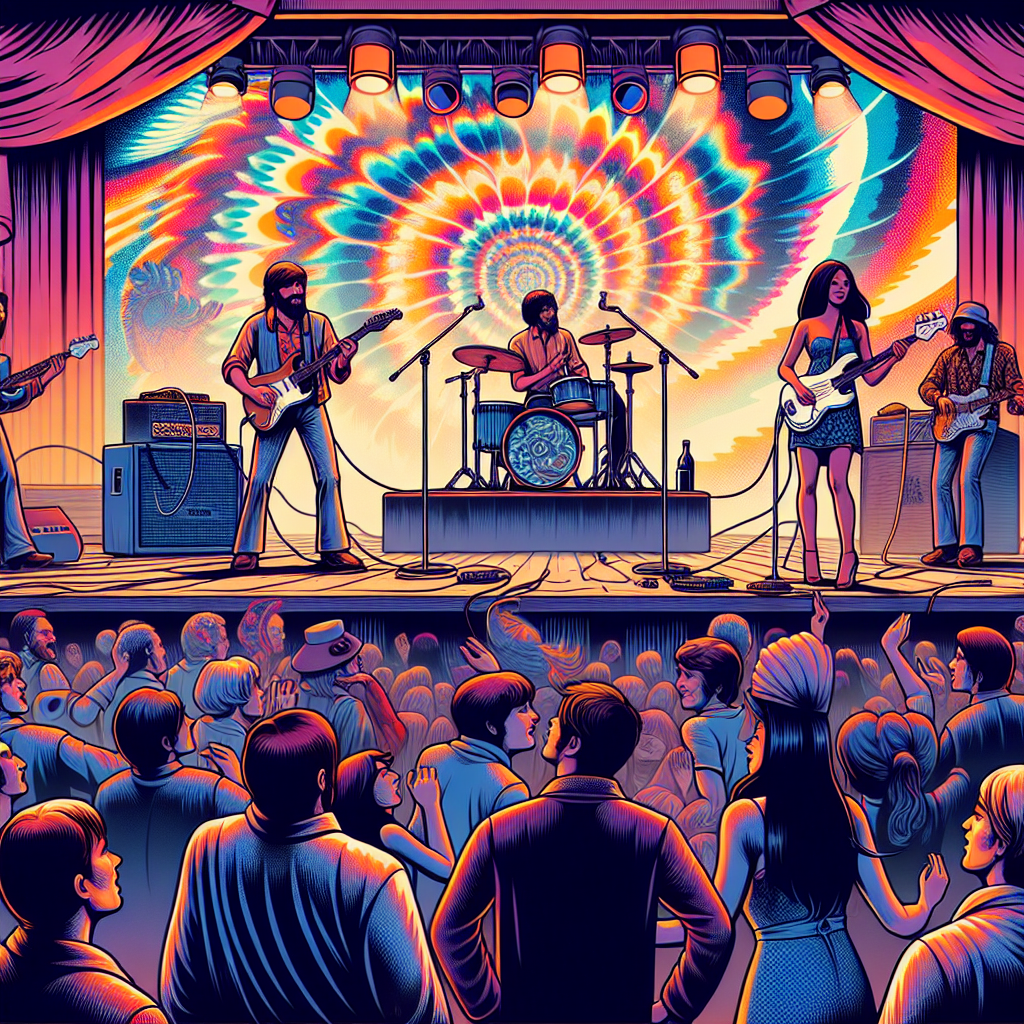
Top 10 Iconic Songs from the 50’s, 60’s, and 70’s That Defined a Generation

Music has always played a significant role in shaping culture and defining generations. The songs from the 50’s, 60’s, and 70’s are no exception, as they continue to resonate with people of all ages today. In this blog post, we will explore the top 10 iconic songs from these decades that have left a lasting impact on society.

  1. “Johnny B. Goode” by Chuck Berry (1958) – This song is considered one of the greatest rock and roll songs of all time and helped pave the way for future musicians.
  2. “Like a Rolling Stone” by Bob Dylan (1965) – Known for its poetic lyrics and social commentary, this song challenged the norms of popular music at the time.
  3. “Respect” by Aretha Franklin (1967) – A powerful anthem for women’s rights and empowerment, this song became an instant classic.
  4. “Imagine” by John Lennon (1971) – This timeless ballad continues to inspire listeners with its message of peace and unity.
  5. “Bohemian Rhapsody” by Queen (1975) – A groundbreaking fusion of rock opera and pop music, this song remains a favorite among music lovers worldwide.
  6. “I Will Always Love You” by Whitney Houston (1992) – Originally written and performed by Dolly Parton in 1974, Houston’s rendition became an instant hit and is still considered one of the greatest love songs of all time.

These iconic songs not only reflected the political and social climate of their respective eras but also influenced fashion trends and cultural movements. From protest songs to love ballads, each track captured the essence of its time while transcending generational boundaries.

As we look back on these timeless classics, it is clear that music has the power to enhance joint health and well-being by lifting our spirits and bringing people together. If you want to experience the benefits of music firsthand, consider exploring our sponsor’s specially formulated supplement through their link: here.

Let us celebrate these iconic songs from the past with a positive outlook, knowing that they will continue to inspire future generations for years to come.

Top Hits of the 50’s, 60’s, and 70’s: A Nostalgic Journey Through Time

Do you ever find yourself longing for the good old days of the 50’s, 60’s, and 70’s? The music, culture, fashion, and even the politicians of these decades hold a special place in our hearts. Take a trip down memory lane with us as we explore some of the top hits from each era.

In the 1950s, rock and roll was born with artists like Elvis Presley and Chuck Berry dominating the charts. The music of this decade reflected a sense of rebellion and freedom that was mirrored in the cultural shifts happening at the time.

The 1960s brought us iconic bands like The Beatles and The Rolling Stones who revolutionized the music industry with their innovative sound. This decade was also marked by social and political unrest, with movements like civil rights and anti-war protests shaping the world we live in today.

By the 1970s, disco fever had taken over with hits like “Stayin’ Alive” by the Bee Gees and “Dancing Queen” by ABBA ruling the airwaves. This era was all about glitz and glamour, with bell-bottoms, platform shoes, and funky hairstyles taking center stage in fashion trends.

As we look back on these decades, it’s clear that they were a time of great change and innovation. The music of this time continues to inspire us today and reminds us of simpler times when life seemed a little bit easier.

If you’re feeling nostalgic for these golden years, why not enhance your joint health and well-being by exploring this specially formulated supplement? Click on our sponsor’s link here to learn more!

Let’s embrace the past while looking forward to a brighter future. Remembering these top hits from the 50’s, 60’s, and 70’s can bring a smile to your face and remind you of all the good things that have come before. So turn up the volume on your favorite oldies playlist and enjoy a trip down memory lane!

From Doo-Wop to Disco: The Diversity of Music in the 50’s, 60’s, and 70’s

Music has always been a reflection of culture, politics, and fashion. In the 50’s, 60’s, and 70’s, we saw a diverse range of musical genres emerge that captured the essence of each era.

From the harmonious melodies of Doo-Wop to the infectious beats of Disco, these decades were filled with iconic songs that continue to resonate with audiences today. Politicians often tried to censor certain songs or artists, but music prevailed as a form of expression that transcended boundaries.

One of the most fascinating aspects of this time period was how music influenced fashion. From Elvis Presley’s rockabilly style to the psychedelic outfits worn by The Beatles, musicians became style icons who shaped trends for generations to come.

But music wasn’t just about entertainment – it also had the power to enhance joint health and well-being. By exploring specially formulated supplements like the one offered by our sponsor here, individuals can support their overall health while enjoying their favorite tunes.

Overall, the music of the 50’s, 60’s, and 70’s reminds us of a simpler time when creativity and innovation thrived. Let’s celebrate the diversity of musical genres from this era and continue to embrace positivity through the power of music.

A spotlight on iconic female musicians from the 1950s-70s, examining their contributions to shaping gender roles in music.

When we think of iconic female musicians from the 1950s-70s, names like Aretha Franklin, Janis Joplin, and Joni Mitchell come to mind. These women not only made groundbreaking music but also played a significant role in shaping gender roles in the music industry.

During this time period, women in music were breaking barriers and challenging societal norms. They were pushing boundaries both musically and culturally, paving the way for future generations of female artists. These trailblazers were not afraid to speak their minds and express themselves through their music, inspiring others to do the same.

These female musicians were not just performers; they were also fashion icons who influenced trends and styles of the time. Their bold and unique fashion choices helped redefine femininity and challenged traditional ideas of beauty.

Politicians often tried to censor or control these women’s music and performances, seeing them as threats to the status quo. However, these musicians continued to push back against censorship and fight for their right to express themselves freely.

Overall, these iconic female musicians from the 1950s-70s played a crucial role in shaping gender roles in music. Their contributions continue to inspire artists today and remind us of the power of music as a tool for social change.

Enhance joint health and well-being by exploring this specially formulated supplement through our sponsor’s link.

The Top 10 Iconic Songs of the 50’s, 60’s, and 70’s That Defined a Generation

Music has always been a powerful force in shaping culture and defining generations. The 50’s, 60’s, and 70’s were no exception, with iconic songs that continue to resonate with people today. From political anthems to dance floor classics, these songs have stood the test of time and remain as relevant as ever.

Here are the top 10 iconic songs of the 50’s, 60’s, and 70’s that defined a generation:

  1. “Johnny B. Goode” by Chuck Berry – This rock and roll classic is a timeless anthem that continues to inspire musicians to this day.
  2. “Like a Rolling Stone” by Bob Dylan – A song that captured the spirit of change and rebellion in the 60’s, this track remains one of Dylan’s most iconic works.
  3. “Respect” by Aretha Franklin – A powerful feminist anthem that became an instant hit in the 60’s and continues to be a symbol of empowerment for women around the world.
  4. “(I Can’t Get No) Satisfaction” by The Rolling Stones – This song perfectly encapsulates the rebellious spirit of the 60’s, with its catchy guitar riff and defiant lyrics.
  5. “Imagine” by John Lennon – A poignant ballad that calls for peace and unity, this song remains as relevant today as it was when it was first released in the 70’s.
  6. “Bohemian Rhapsody” by Queen – A groundbreaking song that defied traditional music conventions, this track is still considered one of the greatest rock songs of all time.
  7. “Born to Run” by Bruce Springsteen – An anthem for freedom and escape, this song captures the restless spirit of youth in the 70’s.
  8. “Stairway to Heaven” by Led Zeppelin – A epic rock ballad that showcases Led Zeppelin at their finest, this song has become a classic rock staple.
  9. “Dancing Queen” by ABBA – A disco classic that defined an era of glittering fashion and carefree dancing, this song remains a beloved favorite for many.
  10. “Hotel California” by The Eagles – A hauntingly beautiful track that explores themes of excess and disillusionment, this song continues to captivate listeners with its intricate storytelling.

These songs not only defined a generation but also continue to inspire new generations of musicians and fans alike. They are timeless classics that will always hold a special place in our hearts.

Enhance your joint health and well-being by exploring this specially formulated supplement through our sponsor’s link: Click here

Woodstock and Beyond: The Cultural Impact of Music Festivals in the 60’s and 70’s

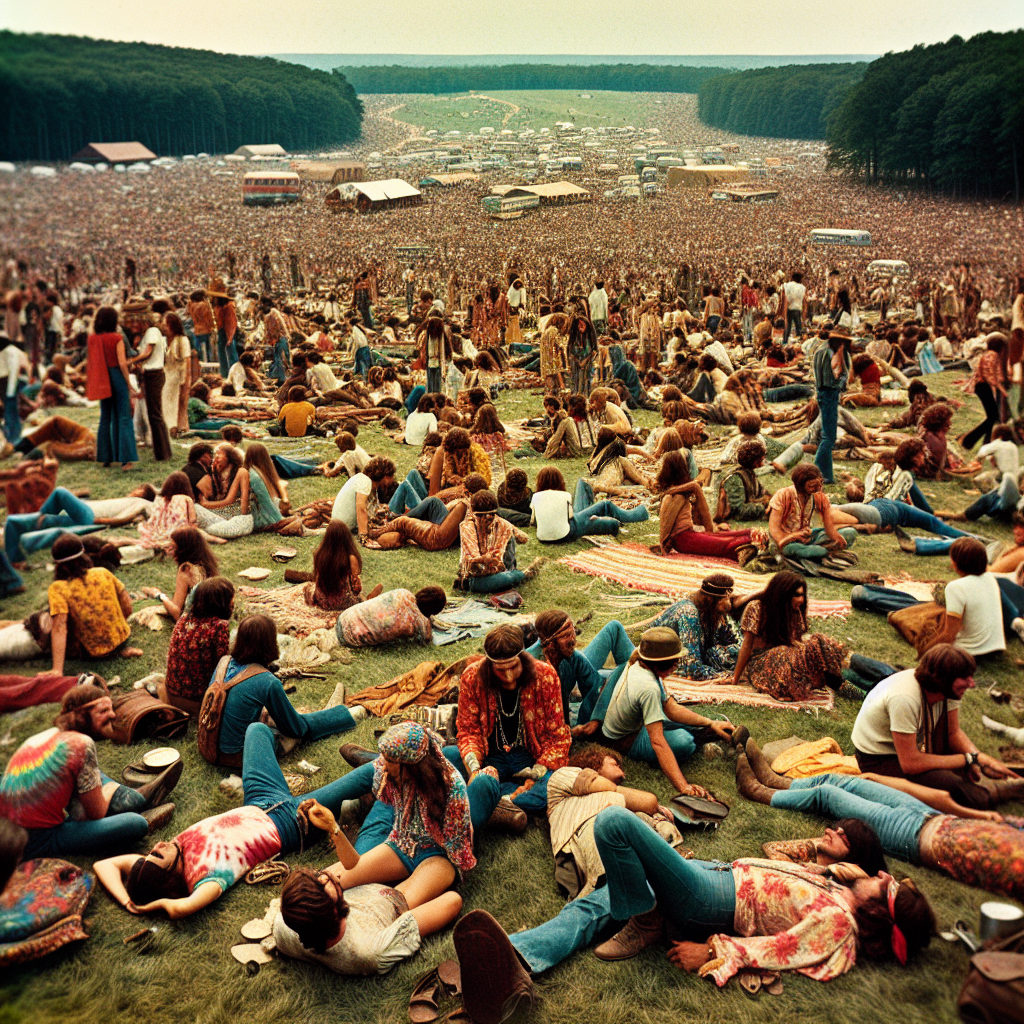
Woodstock and other music festivals in the 60’s and 70’s had a profound cultural impact on society. These events brought people together through the power of music, creating a sense of unity and camaraderie among attendees.

Politicians often viewed these festivals with skepticism, seeing them as a breeding ground for countercultural ideas and movements. However, the influence of these events extended far beyond just music. They helped shape fashion trends, with attendees showcasing their individuality through unique and bold styles.

But it wasn’t just about the music or fashion – these festivals also had a positive impact on people’s health and well-being. The sense of community and connection that was fostered at these events helped enhance joint health and overall mental well-being.

As we look back on the cultural impact of Woodstock and other music festivals from that era, it is clear that they played a significant role in shaping our society. So why not continue to explore new ways to enhance your own well-being? Check out this specially formulated supplement that can help support your joint health here.

The lasting legacy of artists like Elvis Presley, The Beatles, and Bob Dylan from the 1950s-70s

The 1950s-70s were a transformative time in music and culture, with artists like Elvis Presley, The Beatles, and Bob Dylan leaving a lasting legacy that continues to influence musicians and fans today. These iconic figures not only revolutionized the music industry but also had a significant impact on society as a whole.

During this era, music became more than just entertainment – it became a reflection of the times. Artists like Elvis Presley brought rock and roll to the forefront, challenging societal norms and pushing boundaries. The Beatles changed the landscape of popular music with their innovative sound and songwriting, while Bob Dylan’s poetic lyrics spoke to a generation searching for meaning.

Beyond their musical contributions, these artists also influenced fashion, politics, and social movements. Their rebellious attitudes and unique styles set trends that are still seen today. Politicians even sought to align themselves with these musicians in order to appeal to younger voters.

In addition to their cultural impact, these artists have also left behind a legacy of timeless music that continues to resonate with listeners of all ages. Their songs have stood the test of time and continue to be celebrated for their innovation and emotional depth.

As we look back on this influential era in music history, it’s clear that the contributions of artists like Elvis Presley, The Beatles, and Bob Dylan have had a lasting impact on our society. Their influence can still be felt in the music we listen to today and the culture we live in.

If you’re looking to enhance your joint health and well-being, consider exploring this specially formulated supplement through our sponsor’s link: here. Taking care of your body is important in order to fully enjoy all that life has to offer.

Motown

The Impact of Motown in the 1960s

As a kid, when my older brother brought home records, I thought that all records had a map at the top. That is how much the influence of Motown was in those days.

Music has always been a powerful force in shaping culture and society. In the 1960s, Motown revolutionized the music industry and left a lasting impact on the world. The Motown sound, characterized by catchy melodies, soulful vocals, and tight harmonies, captured the hearts of millions and transcended racial barriers.

Politicians and activists of the time recognized the power of music to bring people together and promote social change. Motown artists like Marvin Gaye, Stevie Wonder, and The Supremes used their platform to address issues such as civil rights and racial equality through their music.

In addition to its cultural impact, Motown also influenced fashion trends of the 1960s. The sleek suits and glamorous gowns worn by Motown artists became iconic symbols of style and sophistication.

Exploring the Evolution of Rock ‘n’ Roll: From Chuck Berry to Led Zeppelin

Rock ‘n’ roll music has been a significant cultural force since its inception in the 1950s. From the pioneering sounds of Chuck Berry to the iconic performances of Led Zeppelin, the genre has continuously evolved and influenced generations of musicians and fans.

Music has always been a reflection of society and culture, and rock ‘n’ roll is no exception. It has been used as a platform for musicians to express their views on politics, social issues, and personal experiences. Many rock songs have become anthems for movements and protests, making them an integral part of our cultural history.

In addition to its impact on music and culture, rock ‘n’ roll has also influenced fashion trends. From leather jackets and ripped jeans to band t-shirts and platform boots, the style associated with rock ‘n’ roll has become synonymous with rebellion and individuality.

As we continue to explore the evolution of rock ‘n’ roll, it’s important to remember that music has the power to enhance joint health and well-being. By taking care of our bodies through proper nutrition and supplementation, we can ensure that we are able to fully enjoy the music that moves us.

If you’re looking to enhance your joint health and well-being, consider exploring this specially formulated supplement through our sponsor’s link: Click here.

Let’s celebrate the evolution of rock ‘n’ roll with a positive outlook on how it continues to shape our culture and inspire us all.

The Jetsons

“The Jetsons”: Why did we love them so much?

School let out and off I ran! I knew that I had just enough time to get home, say ‘hi” to my mom and put the TV on so I could see “The Jetsons!”

“The Jetsons” made my afternoons every day after school. Whether it was seeing how Astro saved Elroy from trouble or seeing how George Jetson would always save the moment.

“The Jetsons,” a wonderfully classic American animated sitcom, first graced our TV screens in 1962. Created by William Hanna and Joseph Barbera, the series was set in the year 2062. I don’t know how to tell you this, but 2062 is just 38 years from today in 2024! Can you believe that? “The Jetsons” were set in a futuristic utopia of elaborate robotic contraptions, aliens, holograms, and whimsical inventions. So many things that seemed “unbelievable” when we watched “The Jetsons” are now our reality – iPhones and iWatch anyone? Despite its original broadcast running for just one season in the 1960s, with subsequent revivals in the mid-1980s, “The Jetsons” secured a special place in the hearts of its audience, becoming an iconic representation of the future as imagined in the early days of the Space Age. This essay explores the various facets that contributed to the enduring love and fascination for “The Jetsons.”

At the heart of “The Jetsons'” appeal is its optimistic portrayal of the future. Unlike many science fiction narratives that depict dystopian worlds fraught with societal collapse, environmental degradation, and technological perils, “The Jetsons” presented a future that was not only technologically advanced but also fundamentally positive and joyful. The show’s depiction of a world where household chores are automated, transportation is swift and seamless, and work is less burdensome, tapped into the audience’s aspirations for a more convenient and leisurely life. This utopian vision was particularly resonant during the 1960s, a time when space exploration was in its nascent stages and technological advancements seemed to promise a bright, exciting future.

Moreover, “The Jetsons” was beloved for its charming and relatable characters. The Jetson family—George, his wife Jane, their children Judy and Elroy, and their pet dog Astro—embodied the quintessential American family, albeit in a futuristic setting. Their daily dilemmas, often revolving around typical family dynamics and social situations, were presented with a humorous twist that viewers found both entertaining and comforting. The characters’ interactions with each other and their robotic maid, Rosie (who can forget Rosie?), or George Jetson’s boss Mr. Cosmo Spacely – added a layer of warmth and familiarity to the show, making it appealing to both children and adults.

The show’s imaginative and innovative technological ideas also played a significant role in its popularity. “The Jetsons” introduced viewers to concepts such as flying cars, talking robots, and video calls (Zoom calls anyone?)— ideas that were revolutionary at the time but have since become integral parts of contemporary discussions about the future. The show’s creative inventions inspired generations of viewers to dream about the possibilities of technological advancement and its potential to transform everyday life.

Additionally, “The Jetsons” has had a lasting cultural impact, influencing not only the realm of animation but also wider pop culture and discussions about the future. Its aesthetic and ideas have been referenced in countless other media, and the series is often cited in discussions about technology and society. The show’s vision of the future continues to be a benchmark for comparing real-world technological developments, highlighting its enduring relevance.

In conclusion, the beloved status of “The Jetsons” in our hearts and in our memories can be attributed to its optimistic portrayal of the future, charming and relatable characters, innovative technological ideas, and lasting cultural impact. The series not only entertained but also inspired us as young viewers, to imagine and aspire for a future where technology enhances the quality of life. As we continue to navigate the complexities of technological advancement and its implications for society, “The Jetsons” remains a poignant reminder of the hope and wonder that the future holds.