The Evolution of Rock ‘n’ Roll: A Look Back at the Music of the 50’s, 60’s, and 70’s

Rock ‘n’ roll has always been a powerful force in shaping culture and influencing society. From its humble beginnings in the 1950s to its peak popularity in the 1960s and 70s, this genre of music has evolved and changed over the years, leaving a lasting impact on generations of music lovers.

During the 1950s, rock ‘n’ roll emerged as a rebellious form of music that challenged societal norms and pushed boundaries. Artists like Elvis Presley and Chuck Berry brought this new sound to the forefront, capturing the hearts of young people everywhere. The music was raw, energetic, and full of passion, reflecting the changing attitudes of post-war America.

As rock ‘n’ roll continued to evolve into the 1960s and 70s, it became more than just a genre of music – it became a cultural phenomenon. Bands like The Beatles, The Rolling Stones, and Led Zeppelin took the world by storm with their innovative sounds and charismatic personalities. Politicians tried to control or ban rock ‘n’ roll due to its influence on youth culture.

Not only did rock ‘n’ roll influence music, but it also had a significant impact on fashion and technology. The iconic looks of artists like David Bowie and Jimi Hendrix inspired countless trends in clothing and style. Additionally, advancements in recording technology allowed for greater experimentation in sound production, leading to groundbreaking albums that are still revered today.

Looking back at the evolution of rock ‘n’ roll from the 1950s to the 1970s is truly remarkable. The music may have changed over time, but its spirit and energy have remained constant throughout the years. It’s clear that rock ‘n’ roll will always hold a special place in our hearts as a symbol of rebellion, creativity, and freedom.
Fashion and Music: How Trends in Style Influenced Sound in the 50’s, 60’s, and 70’s

Fashion and music have always been closely intertwined, with trends in style often influencing the sound of popular music. This relationship between fashion and music can be seen clearly in the 50’s, 60’s, and 70’s, where changes in culture, politics, fashion, and technology all played a role in shaping the music of the time.

In the 1950s, rock and roll emerged as a new genre of music that was heavily influenced by the rebellious youth culture of the time. Musicians like Elvis Presley and Chuck Berry were known for their edgy style, which included leather jackets, pompadour hairstyles, and tight-fitting jeans. These fashion choices helped to define the sound of rock and roll as rebellious and energetic.

As the 1960s rolled around, the counterculture movement began to take hold, with young people rejecting mainstream society in favor of peace, love, and individuality. This shift in culture was reflected in the fashion choices of musicians like The Beatles and Jimi Hendrix, who embraced psychedelic patterns, bell-bottom pants, and colorful accessories. These bold fashion statements helped to shape the psychedelic rock sound that dominated the airwaves during this time.

By the 1970s, disco had taken over as the dominant genre of music, with its infectious beats and catchy melodies drawing inspiration from the glamorous fashion trends of the era. Artists like Donna Summer and The Bee Gees were known for their flashy outfits made from sparkly fabrics and platform shoes. These extravagant fashion choices helped to define disco as a genre that was all about having fun on the dance floor.

Overall, it is clear that trends in style have had a significant impact on the sound of popular music throughout history. From rockabilly to psychedelic rock to disco, fashion has played a key role in shaping musical genres and influencing cultural movements. As we look back on these decades with nostalgia and admiration for their creativity and innovation, it is important to remember that fashion will always be an integral part of our musical experience.

The Top Hits of the 50’s, 60’s, and 70’s: A Nostalgic Trip Down Memory Lane

Do you ever find yourself longing for the good old days of music, culture, and fashion from the 50’s, 60’s, and 70’s? If so, you’re not alone. These decades were filled with iconic hits that have stood the test of time and continue to bring joy to listeners of all ages.

Let’s take a trip down memory lane and revisit some of the top hits from each decade:

The 50’s

  • Elvis Presley – “Hound Dog”: This rock ‘n’ roll classic topped the charts in 1956 and solidified Elvis as the King of Rock.
  • The Platters – “Only You”: A romantic ballad that captured the hearts of listeners around the world.

The 60’s

  • The Beatles – “Hey Jude”: One of the most iconic songs from one of the most iconic bands in history.
  • The Supremes – “Stop! In The Name Of Love”: A Motown hit that became an anthem for empowerment and self-respect.

The 70’s

  • Queen – “Bohemian Rhapsody”: A genre-defying masterpiece that continues to captivate audiences with its operatic flair.
  • ABBA – “Dancing Queen”: A disco sensation that still gets people on their feet and grooving to this day.

These songs not only defined their respective decades but also reflected the cultural shifts happening at the time. From civil rights movements to changing attitudes towards gender roles, music was a powerful tool for expressing social change.

In addition to music, politicians played a significant role in shaping society during these decades. From JFK’s inspiring speeches in the 60’s to Nixon’s controversial presidency in the 70’s, politics were never far from the forefront of public consciousness.

Fashion also played a crucial role in defining each decade. From poodle skirts and leather jackets in the 50’s to bell-bottoms and platform shoes in the 70’s, fashion was a way for individuals to express themselves and rebel against societal norms.

Lastly, technology played a pivotal role in shaping music during these decades. The introduction of vinyl records in the 50’s, cassette tapes in the 60’s, and CDs in the 70’s revolutionized how people consumed music and paved the way for future innovations like streaming services.

Overall, looking back at these top hits from the 50’s, 60’s, and 70’s can transport us back to a simpler time filled with great music, cultural milestones, influential politicians, bold fashion choices, and groundbreaking technology. So why not take a trip down memory lane today?

A retrospective on Woodstock and its impact on music culture in the late 60’s

Woodstock, the iconic music festival that took place in 1969, is often seen as a pivotal moment in music culture. The event brought together hundreds of thousands of people for three days of peace, love, and music. But Woodstock was about more than just the music – it was a reflection of the counterculture movement that was sweeping through America at the time.

Politicians and other authority figures were quick to condemn Woodstock as a gathering of unruly youth, but for many attendees, it was a transformative experience. The festival showcased some of the biggest names in music at the time, including Jimi Hendrix, Janis Joplin, and The Who. Their performances captured the spirit of the era and became defining moments in their careers.

But Woodstock wasn’t just about the music – it also had a significant impact on fashion and culture. The festival-goers embraced a bohemian style that rejected mainstream trends and celebrated individuality. Tie-dye shirts, bell-bottoms, and fringe vests became staples of the hippie look, and this influence can still be seen in fashion today.

Woodstock also had a lasting impact on society as a whole. It showed that young people could come together peacefully to celebrate their shared values and beliefs. In a time of social unrest and political turmoil, Woodstock offered a glimpse of what unity and harmony could look like.

As we look back on Woodstock fifty years later, it’s clear that its legacy lives on. The festival continues to inspire musicians, artists, and activists to this day. Its message of peace, love, and understanding is as relevant now as it was back in 1969.

If you’re looking to enhance your joint health and well-being like those who attended Woodstock did all those years ago, consider exploring our sponsor’s specially formulated supplement here.

From Elvis to Aretha: The Rise of Soul Music in the 1950s and 60s

Soul music emerged in the 1950s and 60s as a powerful force that blended elements of gospel, rhythm and blues, and rock and roll. Artists like Elvis Presley and Aretha Franklin became icons of this genre, using their unique voices to express deep emotions and connect with audiences on a personal level.

During this time, soul music not only influenced the music industry but also had a significant impact on culture, fashion, and even politics. Politicians began to recognize the power of music in connecting with voters, using soul songs as campaign anthems to rally support.

Alongside the rise of soul music came a shift in fashion trends, with artists like James Brown and Diana Ross setting new standards for style. Their bold choices inspired fans to express themselves through clothing and accessories that reflected their own personalities.

As soul music continued to evolve, its impact on society became even more apparent. The genre’s messages of love, unity, and empowerment resonated with listeners of all backgrounds, promoting a sense of community and understanding.

Today, we can still experience the magic of soul music through its timeless classics. By exploring specially formulated supplements like the one offered by our sponsor, we can enhance our joint health and well-being while enjoying the sounds that have shaped generations.

Click here to learn more about how you can improve your overall health through this innovative supplement.

Let’s celebrate the positive impact that soul music has had on our lives and continue to spread its message of love and unity for years to come!

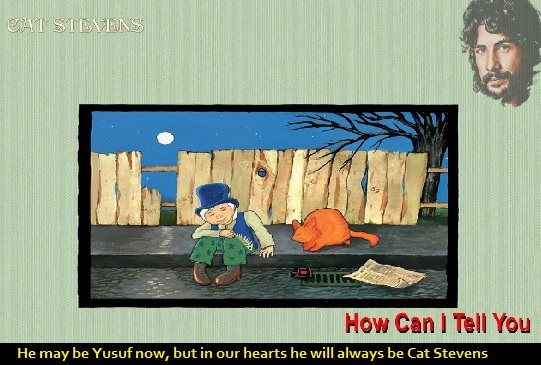
Cat Stevens how can I tell you

He will always be Cat Stevens to us

The year was 1973 and I was sitting with my high school friend Freddie listening to “How can I tell you” by Cat Stevens. As we listened, we wondered what our lives would be like. Who would we marry? Would we have children? Well, time and our lives have answered these questions for us. As we were listening to this song at that time in 1973, Freddie had a huge crush on a girl in our class named Faith, but as the song said, he did not have the courage to tell her. So we listened as Cat Stevens asked her the question and Freddie hoped that he might someday get the courage to ask her to listen to this song and its message (he never did).

Please click on the song below and, as you listen to it, please reminisce with me about how we felt in the early 70s when we listened to this wonderful song and some of us had crushes on people in our class.

Cat Stevens was born Steven Demetre Georgiou in London England on July 21, 1948. He was the youngest child of a Greek Cypriot father and a Swedish mother. Stevens was (and is) a musical icon for our baby boomer years. His heartfelt lyrics and soulful melodies resonated deeply with our baby boomer teenage years and with audiences worldwide. His ability to blend folk, pop, and rock created a unique sound that was both looking in for us and universally relatable. Songs like “Wild World,” “Father and Son,” and “Morning Has Broken” became anthems of our 1970s era, speaking to the complexities of life, love, and personal growth. These songs accompanied us from High School to College and beyond.

Cats’ voice, a warm and inviting tenor, conveyed a sense of sincerity and vulnerability that touched our baby boomer high school hearts. His lyrics often explored themes of searching for meaning, navigating relationships, and the quest for inner peace, which resonated with the cultural and social upheavals of the 1970s. At a time when many were questioning societal norms and seeking deeper truths, Stevens’ music provided a comforting and contemplative refuge.

Moreover, Stevens’ conversion to Islam and subsequent name change to Yusuf Islam, added a layer of authenticity to his artistry. His willingness to share his spiritual and existential struggles made his music even more poignant and relatable. In essence, Cat Stevens’ ability to capture the human experience with such grace and honesty is why his music touched our baby boomer hearts during the 1970s and continues to do so today.

If you know a baby boomer who could use a gentle look back, please play this Cat Stevens song for him/her and reminisce together. We may not be young high schoolers anymore, but we are here and we love our past memories.

Disco Fever: A Retrospective on the Dance Craze of the 70’s

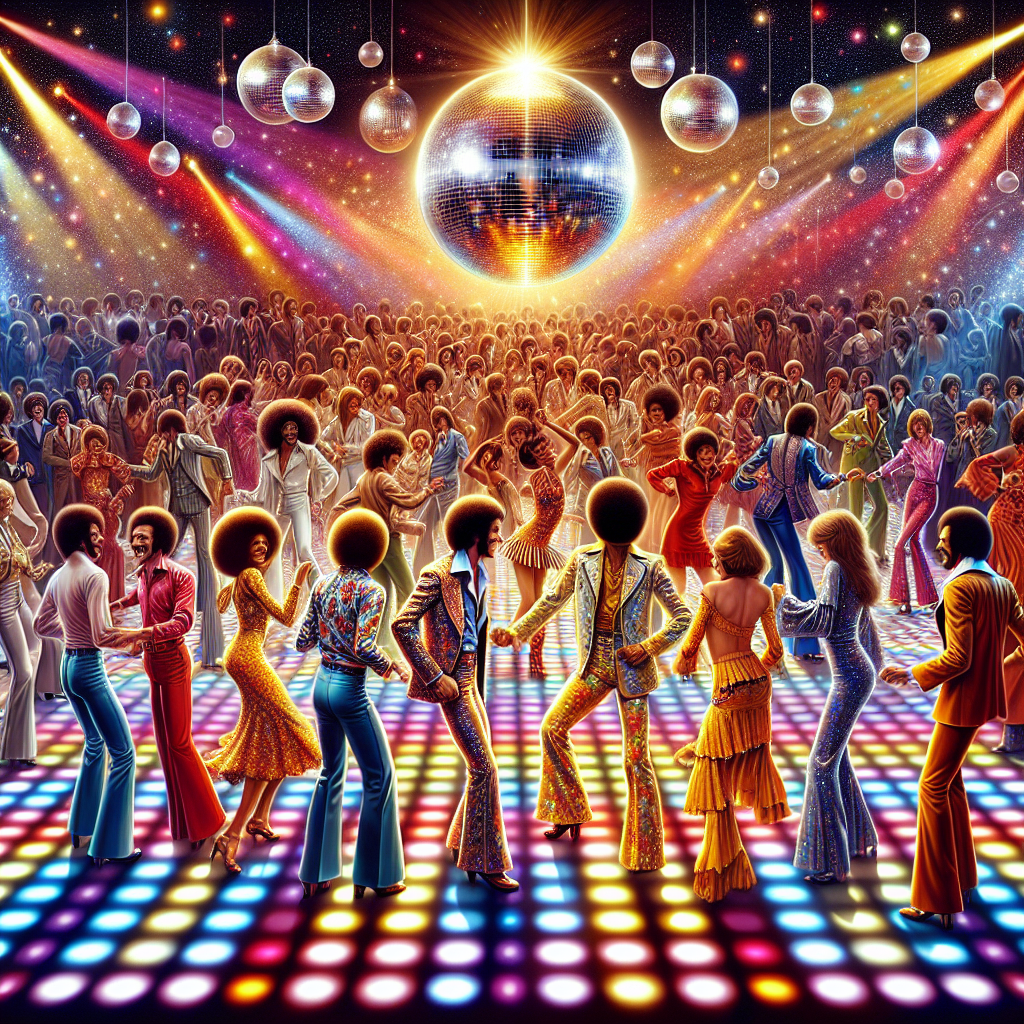
Do you remember the disco fever that swept the nation in the 1970’s? It was a time of vibrant music, flashy fashion, and a culture of dancing like never before. Politicians even got in on the action, attending disco-themed events and parties to connect with their constituents.

One of the most iconic aspects of this era was the music. Disco hits like “Stayin’ Alive” by the Bee Gees and “Le Freak” by Chic dominated the airwaves and dance floors. The catchy beats and infectious rhythms had people grooving all night long.

But disco was more than just music – it was a culture. People dressed in glittering outfits, donned platform shoes, and perfected their dance moves to fit in with the disco scene. It was a time of self-expression and freedom, where people could let loose and be themselves.

And let’s not forget about the dancing! Disco brought people together on the dance floor like never before. It was a way to escape from the stresses of everyday life and just have fun. Dancing has been shown to enhance joint health and well-being, making it not only enjoyable but also beneficial for your body.

If you want to relive the magic of disco fever, why not try exploring this specially formulated supplement? Our sponsor’s link can help you discover new ways to enhance your health and well-being through dance. Click here to learn more: Dance Supplement

So let’s look back on disco fever with a positive outlook. It was a time of joy, celebration, and unity through music and dance. Let’s embrace that spirit today and keep grooving!

From Elvis to The Beatles: Icons of the 50’s, 60’s, and 70’s

Music has always played a significant role in shaping culture throughout history. From the iconic Elvis Presley to The Beatles, these musicians have left a lasting impact on the 50’s, 60’s, and 70’s.

Elvis Presley, known as the “King of Rock and Roll,” revolutionized music with his unique sound and charismatic performances. His influence extended beyond just music, as he also made waves in fashion and pop culture.

Similarly, The Beatles changed the landscape of music with their innovative sound and catchy melodies. Their influence can still be felt today, decades after their heyday.

But it wasn’t just musicians who were making waves during this time period. Politicians like John F. Kennedy and Martin Luther King Jr. were also making history with their movements for civil rights and social change.

Fashion was another key aspect of the 50’s, 60’s, and 70’s. From poodle skirts to bell-bottoms, these decades saw a wide range of trends that continue to inspire fashion today.

If you’re looking to enhance your joint health and well-being, consider exploring specially formulated supplements like the one offered by our sponsor here. These supplements can help support your overall health and vitality.

Overall, the icons of the 50’s, 60’s, and 70’s have left an indelible mark on our culture. Their music, fashion, and activism continue to inspire new generations to this day.

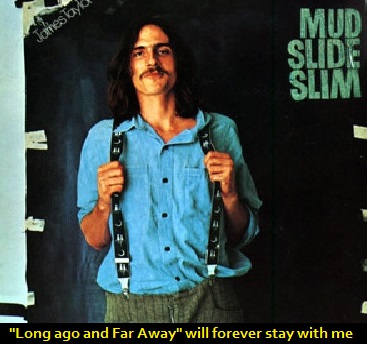
Long Ago and Far Away

James Taylor – will forever be with us

A week ago I was teaching a group of students and the topic of James Taylor came up. One of the students mentioned that he had never heard of James Taylor and I thought to myself “How is this possible?” I never thought that I would live to the day when I would meet someone who had never heard of James Taylor – and yet here I was. Absolutely sobering.

Please click below and listen to “Long ago and far away” and relive this wonderful moment with me.

“Long Ago and Far Away” will forever remain in my heart as part of my wonderful years of my life

When I was in High School, I would walk around humming James Taylor’s song “Long ago and far away” to myself. Also, I wrote “Slowly passing sailing ships” on the margins of most of my workbooks. How could I have arrived at a time when some of my students had never heard of James Taylor?

James Taylor’s popularity in the 1970s can be attributed many things, but I am certain that his soothing voice, relatable lyrics, and the emotional depth he brought to his music have to be a part of why we loved his music so much. As a key figure in the singer-songwriter movement of the 70s, Taylor’s introspective and confessional style resonated deeply with us baby boomers during the tumultuous decade that we lived through which was marked by the Viet Nam war, social change and political unrest.

Taylor’s voice, characterized by its warm, mellow tone, offered to us a comforting presence during those difficult times. His songs often dealt with themes of love, loss, and personal struggle, which many of us found very much relatable. Hits like “Fire and Rain” and “You’ve Got a Friend” encapsulated the emotional highs and lows of our human experience as baby boomers during those times, allowing us to find solace and understanding in his music.

Moreover, Taylor’s personal story of overcoming adversity added to his appeal. His battles with depression and drug addiction were well-documented, and his openness about these struggles made him seem more human and relatable. We baby boomers admired his resilience and found hope in his journey, seeing it as a testament to the possibility of overcoming personal demons.

In summary, James Taylor was beloved by us during the 1970s for his soothing voice, relatable lyrics, and the emotional authenticity he brought to his music. His ability to connect with us on a deeply personal level made him a standout artist of his time in our hearts and minds.

Please reach out to someone here on PhotographsandMemories.com and text, email and connect with another baby boomer and remind him or her of the wonderful and beautiful times we lived through in our lives.

The Influence of Social Movements on Music in the 60’s and 70’s

During the 1960s and 1970s, social movements had a profound influence on music, culture, and society as a whole. Musicians were inspired by the political and social upheaval of the time to create music that reflected the changing world around them.

Politicians and activists used music as a tool to spread their message and rally support for their causes. Songs like Bob Dylan’s “Blowin’ in the Wind” and John Lennon’s “Imagine” became anthems for peace and social justice movements.

In addition to its role in politics, music also played a significant role in shaping fashion trends of the 60s and 70s. Artists like Jimi Hendrix and Janis Joplin became style icons, influencing everything from clothing to haircuts.

But perhaps most importantly, music played a crucial role in enhancing joint health and well-being by providing a sense of community and connection during turbulent times. Concerts and festivals became spaces where people could come together to celebrate their shared values and beliefs.

If you’re interested in exploring how music can enhance your own well-being, consider trying out this specially formulated supplement through our sponsor’s link here.

Overall, the influence of social movements on music in the 60s and 70s was overwhelmingly positive. It brought people together, inspired change, and helped shape the cultural landscape of the time.