Fashion and Music: The Iconic Styles of Musicians from the 50’s, 60’s, and 70’s

When we think about iconic musicians from the 50’s, 60’s, and 70’s, we often remember not only their music but also their unique sense of style. These musicians were not only trendsetters in the music industry but also in the world of fashion. Their influence on culture and fashion is still felt today.

During these decades, musicians like Elvis Presley, The Beatles, Jimi Hendrix, David Bowie, and many others used their platform to express themselves through their clothing choices. They pushed boundaries and challenged societal norms with their bold and innovative fashion statements.

Elvis Presley was known for his flashy jumpsuits and pompadour hairstyle, which became synonymous with rock ‘n’ roll. The Beatles popularized the mod look with their tailored suits and mop-top haircuts. Jimi Hendrix embraced psychedelic patterns and vibrant colors in his wardrobe, reflecting the counterculture movement of the 60’s. And David Bowie was a true chameleon, constantly reinventing himself through his ever-evolving style.

These musicians not only influenced fashion trends but also helped shape the cultural landscape of their time. Their music spoke to a generation looking for change and self-expression, and their fashion choices were an extension of that message.

Today, we can still see traces of these iconic styles in modern fashion. From retro-inspired looks on the runway to vintage band t-shirts worn by music enthusiasts, the influence of these musicians continues to resonate with new generations.

As we celebrate the impact of these legendary musicians on both music and culture, let’s also remember to take care of ourselves. Enhance your joint health and well-being by exploring this specially formulated supplement through our sponsor’s link:

Click here

Let’s continue to embrace positivity and creativity inspired by these musical icons as we navigate our own personal journeys. Fashion may come and go, but the legacy of these musicians will always remain timeless.

Disco Fever: Exploring the Disco Era of the late 70’s

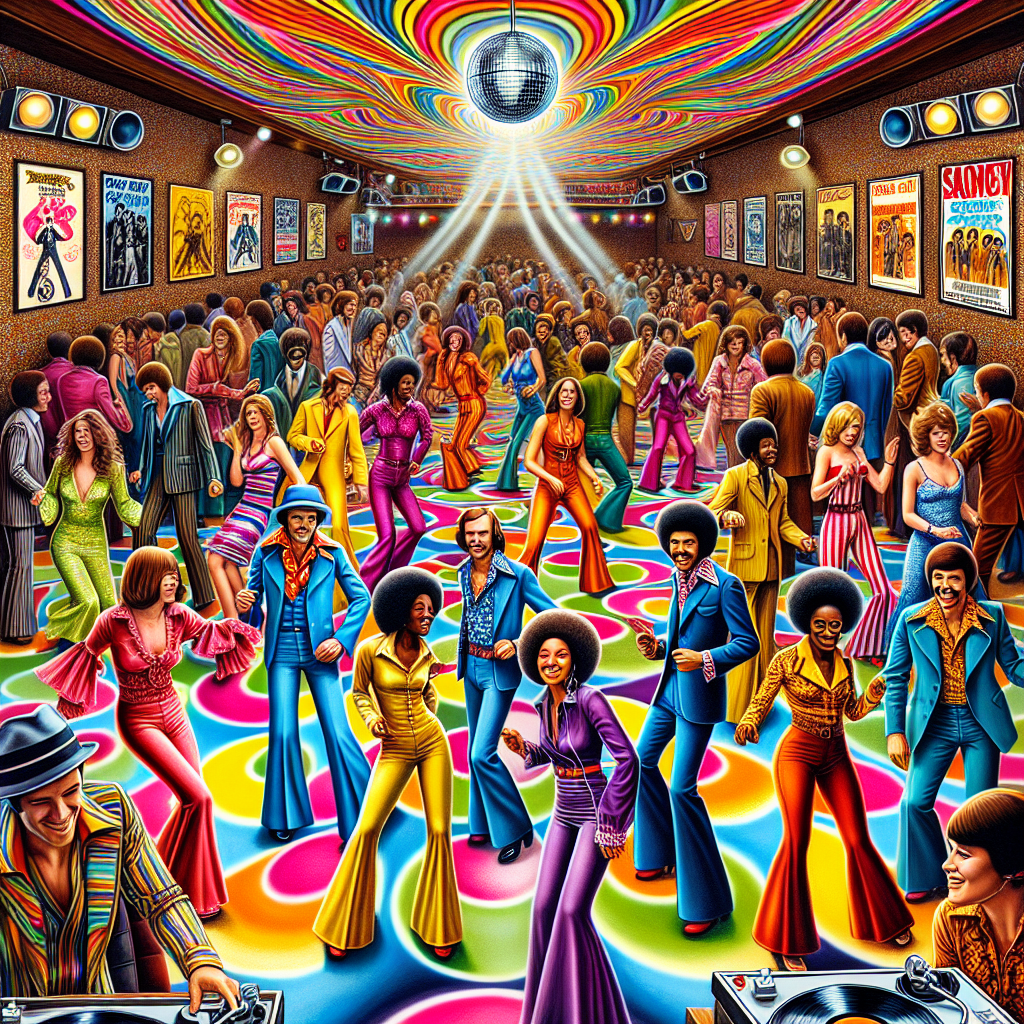
Do you have Disco Fever? Let’s take a trip back to the late 70’s and explore the Disco Era, a time of vibrant music, culture, and fashion. This era was not only about dancing the night away at discotheques but also about expressing oneself through style and music.

Politicians may have tried to put a damper on the disco movement with their anti-disco campaigns, but nothing could stop the infectious beats and groovy tunes that defined this era. From artists like Donna Summer to The Bee Gees, disco music brought people together and created a sense of unity on the dance floor.

And let’s not forget about the fashion of the Disco Era – think bell-bottoms, platform shoes, and glitter galore. It was all about making a statement and standing out from the crowd.

But while we may not be able to time travel back to the Disco Era, we can still enhance our joint health and well-being by exploring specially formulated supplements like this one: Click here

So let’s embrace the disco spirit and express our positive outlook on life. Dance like nobody’s watching, wear what makes you feel fabulous, and remember that music has the power to bring us all together.

Monday Monday

“Monday Monday” touches us like few other songs do.

Why is “Monday Monday” by the Mamas and the Papas such a heart touching melody? Here we are 58 years after its release and any time that I hear it, it is absolutely heart wrenching and brings me back like few other songs are able to do.

The song “Monday, Monday,” by The Mamas and the Papas, released in 1966, captures a unique blend of melancholic lyrics with a deceptively upbeat melody, creating a heartwarming experience for listeners. Its significance and warmth can be attributed to several elements, including its lyrical content, melodic structure, and the cultural context of its release. Please listen below and allow this wonderful song to take you back in all its glory.

The lyrics of “Monday, Monday” are a poignant reflection on the fleeting nature of time and the bittersweet reality of transient happiness. The opening lines, “Monday, Monday, can’t trust that day,” juxtapose the typical dread associated with Monday, the start of the workweek, with a narrative of personal reflection and emotion. This contrast sets the stage for a deeper exploration of the ups and downs experienced at the start of something new, whether it be a week, a relationship, or a phase in life. The repeated line, “Every other day, every other day, every other day of the week is fine, yeah,” emphasizes the unpredictability and often mundane reality of life, with Monday standing out as a symbol of change and new beginnings.

Musically, the song is a masterpiece of pop harmony and structure. The use of harmonious vocals by the group members, featuring the distinctive sounds of John Phillips, Denny Doherty, Cass Elliot, and Michelle Phillips, adds a layer of emotional depth and resonance. The song’s melody is both simple and captivating, with a gentle flow that carries the listener through the narrative of the lyrics. The chorus, with its harmonious and repetitive structure, invites listeners to sing along, creating a communal and uplifting experience.

“Monday, Monday” also resonates due to its context within the 1960s, a period marked by significant social and cultural shifts. The song, with its introspective take on personal and collective experiences, reflects the broader themes of hope, change, and resilience prevalent during this era. This backdrop enriches the song’s impact, making it not just a musical piece but a reflective mirror of its time.

In conclusion, “Monday, Monday” by The Mamas and the Papas stands out as a heartwarming melody due to its intricate blend of thoughtful lyrics, harmonious arrangement, and historical resonance. It engages the listener emotionally and intellectually, making it a timeless piece that warms the heart with each listen.

Psychedelic Sounds: Exploring the Counterculture Music of the 60’s and 70’s

During the 1960s and 70s, a counterculture movement emerged that challenged traditional norms and values. This era was characterized by a sense of rebellion against authority, experimentation with drugs, and a desire for social change. One of the most iconic aspects of this movement was the music that came out of it – psychedelic sounds that reflected the changing attitudes of the time.

Psychedelic music was influenced by a variety of genres, including rock, folk, and blues. Bands like The Beatles, The Doors, and Pink Floyd embraced experimental techniques such as distortion, feedback, and unconventional song structures to create a sound that was unlike anything that had come before. These musicians used their platform to express messages of peace, love, and unity.

Politicians and other figures in positions of power were often critical of this new wave of music and culture. They saw it as a threat to the status quo and feared its influence on young people. However, despite attempts to censor or suppress it, psychedelic music continued to thrive and resonate with audiences around the world.

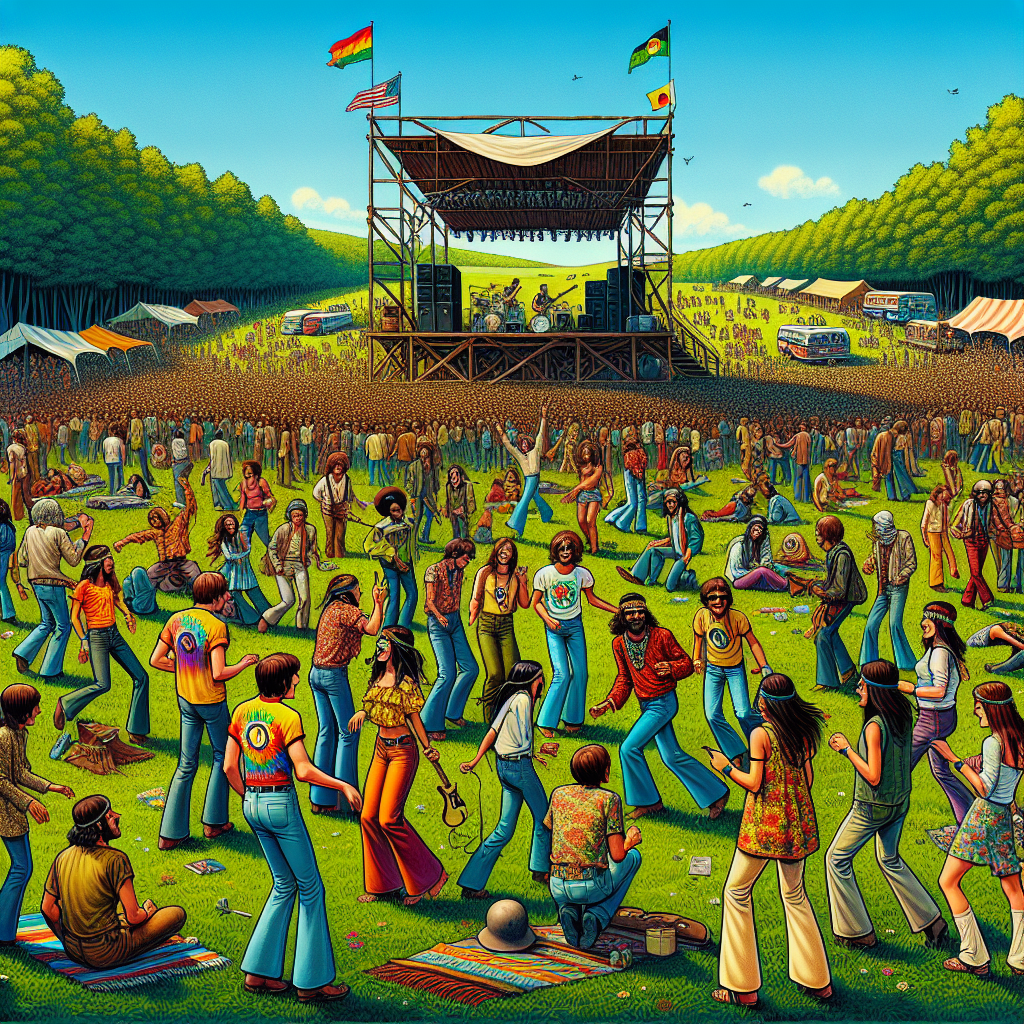
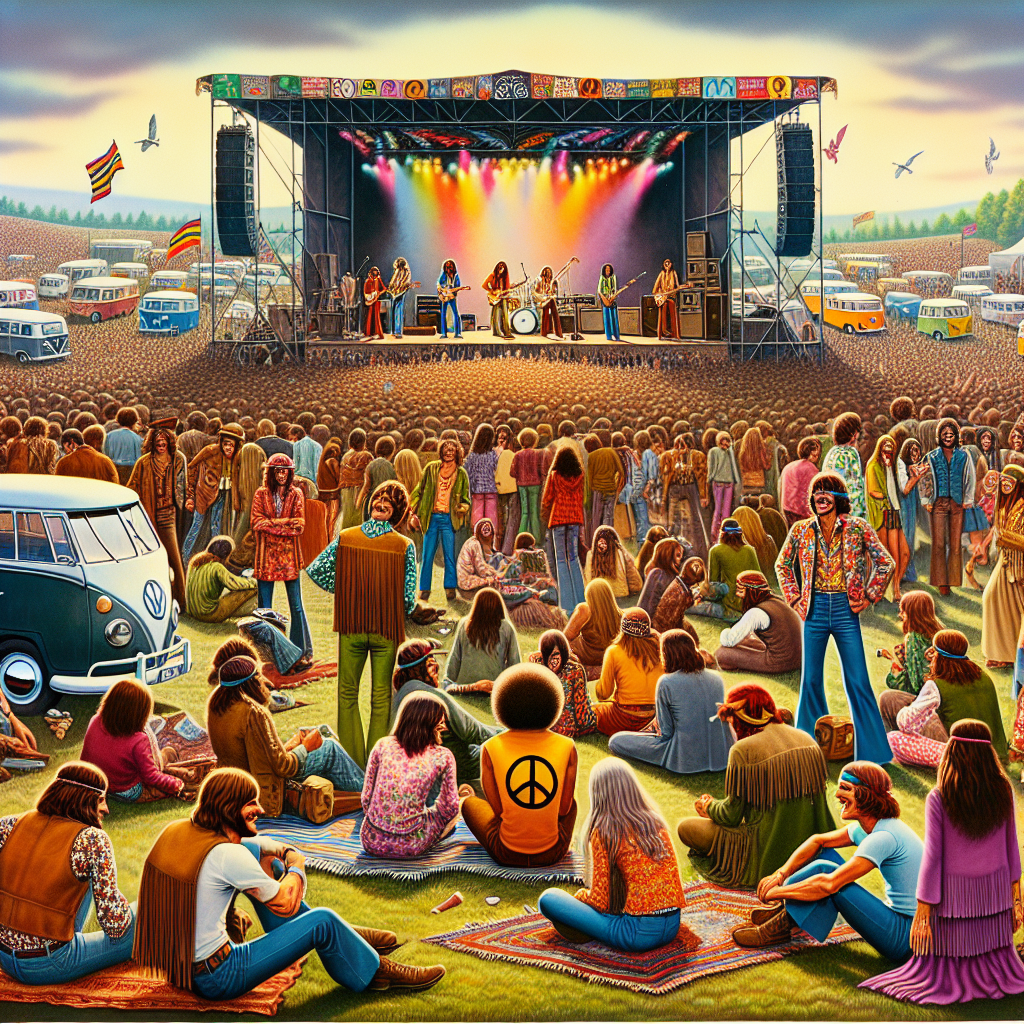
In addition to its musical impact, the counterculture movement also had a significant influence on fashion. Psychedelic patterns, bright colors, and flowing fabrics became popular among young people who wanted to express themselves in new ways. This style reflected the free-spirited attitude of the era and remains iconic to this day.

Today, we can still appreciate the legacy of psychedelic music and culture. Its message of peace, love, and unity is just as relevant now as it was back then. By exploring this unique form of expression, we can enhance our joint health and well-being by embracing creativity and individuality.

If you’re interested in delving deeper into this fascinating era through music or fashion, consider checking out our sponsor’s specially formulated supplement here. It’s a great way to support your overall wellness while celebrating the spirit of the counterculture movement.

Rock Legends: The Bands and Artists Who Shaped Music in the 60’s and 70’s

During the 1960s and 1970s, music played a significant role in shaping culture and influencing society. Rock legends emerged during this time, creating timeless music that continues to resonate with audiences today.

Bands and artists such as The Beatles, Led Zeppelin, The Rolling Stones, Jimi Hendrix, and Pink Floyd revolutionized the music industry with their innovative sounds and lyrics. Their influence extended beyond just the realm of music, impacting fashion trends, political movements, and social norms.

Politicians often found themselves at odds with these rock legends, as their music challenged traditional values and called for social change. Songs like “Imagine” by John Lennon and “War” by Edwin Starr became anthems for peace and protest during a tumultuous time in history.

In addition to their musical contributions, these rock legends also had a significant impact on fashion. Their unique styles influenced generations of fans to embrace individuality and self-expression through clothing choices.

As we look back on the legacy of these iconic bands and artists, it’s clear that their music continues to enhance our lives today. By exploring specially formulated supplements like the one offered by our sponsor here, we can improve joint health and well-being to continue enjoying the music that has shaped our culture.

Let’s celebrate the positive impact of rock legends from the 60s and 70s on our lives and continue to embrace their timeless music with gratitude.

Soul Train: Celebrating R&B and Soul Music in the 70’s

Are you a fan of R&B and soul music from the 70’s? If so, you’re probably familiar with Soul Train, the iconic TV show that celebrated these genres and brought them into the mainstream. Soul Train was not only a platform for incredible musical performances, but it also showcased the culture, fashion, and dance moves of the time.

Politicians often made appearances on Soul Train, recognizing its influence on popular culture and its ability to bring people together through music. The show’s impact went beyond entertainment – it helped to bridge racial divides and promote unity during a tumultuous time in American history.

The fashion on Soul Train was just as memorable as the music. From bell-bottoms to platform shoes, the dancers on the show always brought their A-game when it came to style. The colorful outfits and bold accessories were a reflection of the vibrant energy of R&B and soul music.

If you’re looking to enhance your joint health and well-being, consider exploring a specially formulated supplement that can help support your body’s needs. Our sponsor offers a product that is designed to promote overall wellness and vitality. Check out their link here for more information.

Soul Train was more than just a TV show – it was a celebration of music, culture, and community. By embracing the positive energy of R&B and soul music from the 70’s, we can tap into a sense of joy and connection that transcends time. So put on your dancing shoes, turn up the volume, and let the music take you back to a groovier era!

The Legacy of Folk Music in the Protest Movement of the 60’s and 70’s

Folk music has long been a powerful tool for expressing social and political messages, and the protest movement of the 1960s and 70s is a prime example of how music can shape culture and inspire change. Musicians such as Bob Dylan, Joan Baez, and Pete Seeger used their songs to rally against war, injustice, and inequality, becoming icons of the era.

Politicians and activists alike recognized the influence of folk music on the youth culture of the time. Songs like “Blowin’ in the Wind” and “We Shall Overcome” became anthems for civil rights marches and anti-war protests. The music not only provided a soundtrack for the movement but also helped to unite people from different backgrounds in a common cause.

But folk music wasn’t just about politics – it also played a role in shaping fashion and lifestyle choices. The hippie counterculture embraced folk music as a symbol of peace, love, and freedom. Tie-dye shirts, bell-bottom jeans, and flower crowns became staples of the movement, reflecting its values of individuality and nonconformity.

Today, we can still see the legacy of folk music in our society. Musicians continue to use their platform to speak out on issues such as climate change, racial injustice, and income inequality. The spirit of protest lives on in songs that challenge the status quo and inspire listeners to take action.

As we reflect on the impact of folk music on our culture, it’s important to remember that music has the power to enhance joint health by bringing people together in solidarity. If you’re interested in exploring ways to improve your well-being through supplements designed specifically for joint health, check out our sponsor’s link here.

Let’s celebrate the positive impact that folk music has had on our world and continue to support musicians who use their voices for change.

The British Invasion: How Bands Like The Beatles and The Rolling Stones Changed Music in the 60’s

Have you ever wondered how music has the power to shape culture and influence society? In the 1960s, a phenomenon known as The British Invasion took the world by storm, with bands like The Beatles and The Rolling Stones leading the charge.

These iconic bands not only revolutionized music but also had a significant impact on fashion, politics, and overall culture. Their catchy tunes and infectious energy captured the hearts of millions around the globe, sparking a cultural revolution that still resonates today.

Politicians took notice of this musical movement, recognizing its ability to unite people from all walks of life. The music of The Beatles and The Rolling Stones became anthems for social change and political activism, inspiring generations to come together in pursuit of a better world.

But it wasn’t just their music that made these bands so influential. Their fashion sense also played a crucial role in shaping popular culture during this time. From mod-inspired suits to psychedelic patterns, The Beatles and The Rolling Stones set trends that are still emulated today.

As we look back on this pivotal moment in music history, it’s clear that these bands did more than just entertain – they helped enhance joint health and well-being by bringing people together through the power of music. If you’re interested in exploring how you can improve your own well-being through supplements specially formulated for joint health, check out our sponsor’s link here.

The legacy of The British Invasion lives on in the hearts and minds of music lovers everywhere. Let’s celebrate the positive impact these bands had on our world and continue to spread joy through the universal language of music.

The British Invasion: How Bands like The Beatles and The Rolling Stones Changed the Music Scene in the 60’s

The British Invasion of the 1960s was a cultural phenomenon that had a lasting impact on music, fashion, and overall pop culture. Bands like The Beatles and The Rolling Stones burst onto the scene and changed the music landscape forever. Their catchy tunes and innovative sound captivated audiences around the world, making them household names and paving the way for future generations of musicians.

Not only did these bands revolutionize music, but they also influenced fashion trends with their iconic looks. The Beatles’ mop-top haircuts and mod suits became synonymous with the era, while The Rolling Stones’ rebellious rock ‘n’ roll style set them apart from other bands of the time. Their influence on fashion can still be seen today, with many designers drawing inspiration from their signature looks.

The British Invasion wasn’t just about music and fashion – it also had a significant impact on politics and culture. Politicians took notice of the power these bands held over young people and began to see them as influential figures who could sway public opinion. This newfound recognition helped bridge the gap between generations and sparked important conversations about social issues.

As we look back on this pivotal moment in history, it’s clear that The Beatles and The Rolling Stones were more than just bands – they were cultural icons who helped shape an entire generation. Their music continues to inspire artists today, proving that their influence is timeless.

If you’re looking to enhance your joint health and well-being, consider exploring this specially formulated supplement through our sponsor’s link here. With its unique blend of ingredients, you’ll be on your way to feeling your best in no time.

The rise of psychedelic rock in the late 1960s and early 1970s, exploring how bands like Pink Floyd, The Doors, and Jimi Hendrix pushed musical boundaries.

During the late 1960s and early 1970s, a musical revolution was taking place that would forever change the landscape of rock music. Psychedelic rock emerged as a subgenre that pushed boundaries both musically and culturally, with bands like Pink Floyd, The Doors, and Jimi Hendrix leading the way.

At a time when society was undergoing significant cultural shifts, psychedelic rock provided a soundtrack for the counterculture movement. With its experimental soundscapes, trippy lyrics, and mind-bending album artwork, this genre reflected the spirit of rebellion and freedom that defined the era.

Politicians and conservative figures may have been wary of this new form of music, but for many young people, psychedelic rock represented a form of escapism from the pressures of society. It encouraged listeners to expand their minds and explore new ways of thinking.

Not only did psychedelic rock influence music, but it also had an impact on fashion and art. The colorful and bold aesthetic of bands like Pink Floyd and The Doors inspired a whole generation to embrace individuality and self-expression.

Today, we can still appreciate the legacy of psychedelic rock through its timeless music. And just as this genre pushed boundaries in the past, we can continue to push boundaries in our own lives by exploring new experiences and ways of thinking.

If you’re looking to enhance your joint health and well-being, consider trying out a specially formulated supplement. Click here to learn more!