Top Hits of the 50’s, 60’s, and 70’s: A Nostalgic Trip Down Memory Lane

Do you ever find yourself longing for the good old days of music, culture, and fashion from the 50’s, 60’s, and 70’s? If so, you’re not alone! These decades were filled with iconic hits that have stood the test of time and continue to be beloved by people of all ages.

One of the most memorable aspects of these decades was the music. From rock and roll to Motown to disco, there was a wide range of genres that dominated the airwaves. Artists like Elvis Presley, The Beatles, Aretha Franklin, and Donna Summer created timeless classics that are still played on radio stations today.

But it wasn’t just the music that defined these decades – it was also the culture. Politicians like John F. Kennedy and Martin Luther King Jr. were making waves in their respective fields, pushing for equality and social change. Fashion trends were constantly evolving, from poodle skirts and leather jackets in the 50’s to bell-bottoms and platform shoes in the 70’s.

And let’s not forget about technology! The 50’s saw the rise of television as a popular form of entertainment, while the 60’s brought us color TV and FM radio. By the time the 70’s rolled around, we had cassette tapes and VCRs becoming household staples.

Overall, looking back at these decades can bring a sense of nostalgia and fond memories for many people. The music, culture, politicians, fashion, and technology all played a role in shaping our society into what it is today.

So why not take a trip down memory lane by listening to some top hits from the 50’s, 60’s, and 70’s? You might just find yourself transported back to a simpler time when life seemed a little bit sweeter.

The Soundtrack of a Generation: How Music Defined the Cultural Shifts of the 50’s, 60’s, and 70’s

Music has always been a powerful force in shaping culture, and perhaps no other time period exemplifies this more than the 1950s, 60s, and 70s. From the rise of rock and roll to the emergence of disco, these decades saw seismic shifts in society that were reflected in the music of the time.

Politicians may have been making decisions in boardrooms and courtrooms, but it was musicians who were capturing the hearts and minds of a generation. Artists like Elvis Presley, The Beatles, and Bob Dylan not only entertained audiences with their catchy tunes, but they also challenged societal norms and sparked conversations about important issues such as civil rights and war.

But music didn’t just influence culture – it also influenced fashion. The iconic looks of each decade can be traced back to the music that was popular at the time. From poodle skirts and leather jackets in the 50s to bell bottoms and platform shoes in the 70s, fashion trends were often inspired by the artists that people were listening to.

And let’s not forget about technology. The advancements made in recording equipment during this time allowed musicians to experiment with new sounds and push boundaries like never before. The result was an explosion of creativity that gave birth to some of the most innovative music ever produced.

Overall, it’s clear that music played a pivotal role in defining the cultural shifts of the 50s, 60s, and 70s. It brought people together, challenged societal norms, inspired fashion trends, and pushed technological boundaries. And while each decade had its own unique sound, they all shared one thing in common: a positive outlook on change and progress.

The British Invasion: How British Bands Dominated the Charts in the 60’s

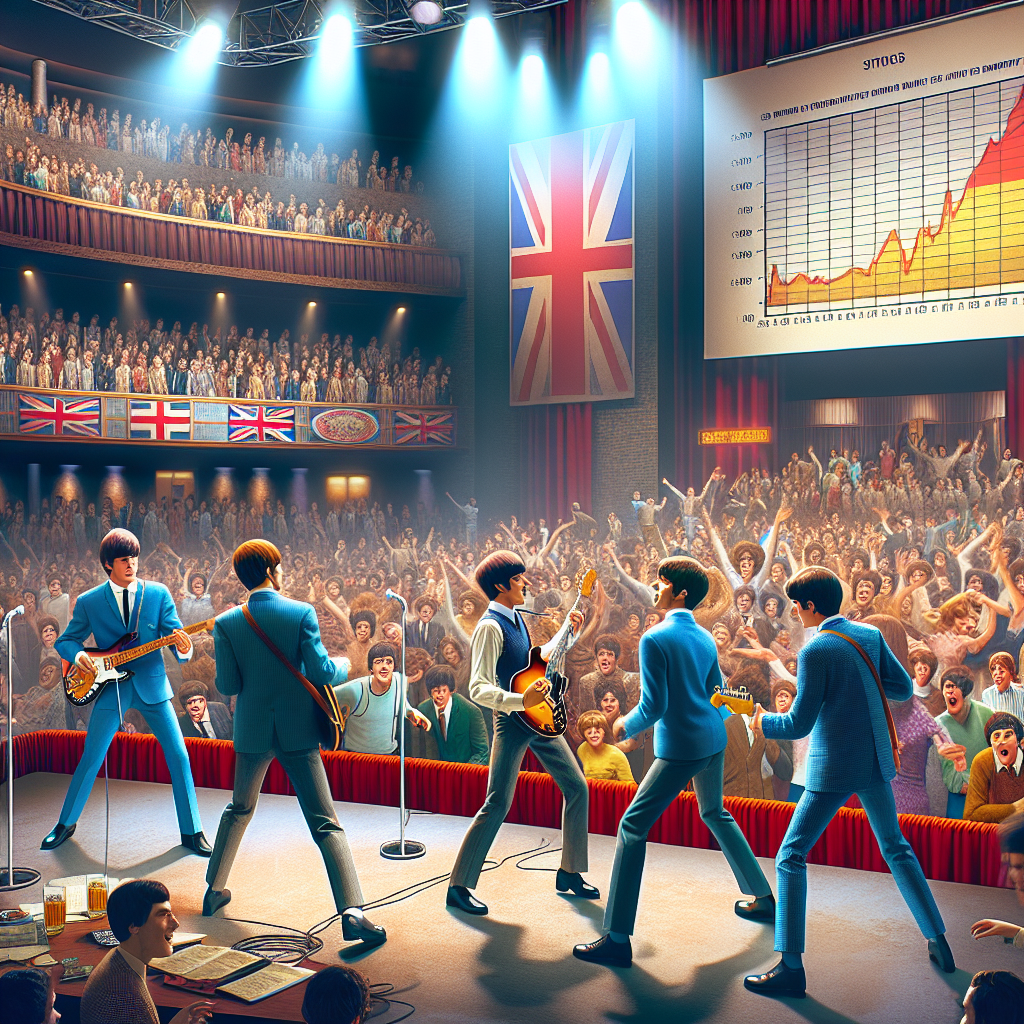
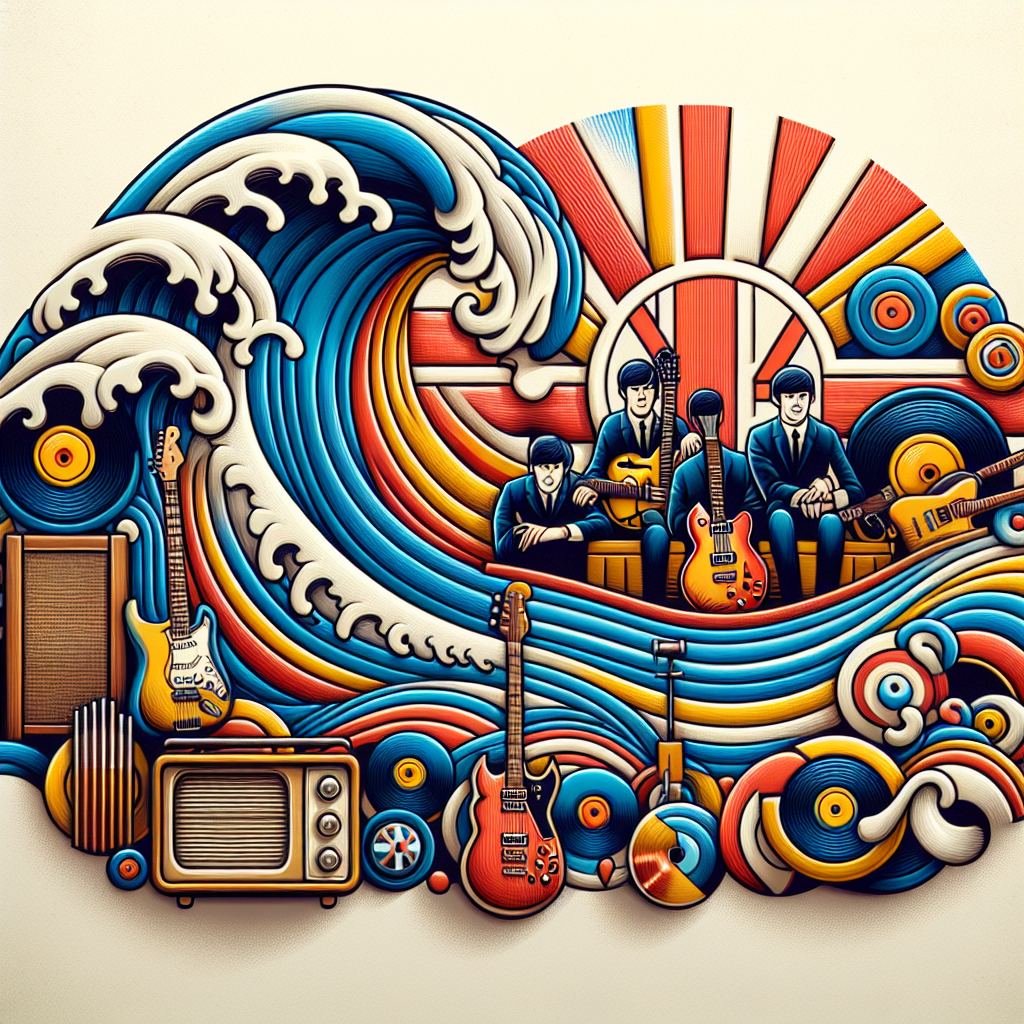
The 1960s were a transformative decade in many ways, but one of the most enduring legacies of that time was the British Invasion in music. British bands dominated the charts during this period, leaving a lasting impact on both music and culture around the world.

At the forefront of this movement were iconic bands like The Beatles, The Rolling Stones, The Who, and The Kinks. These bands not only revolutionized music with their innovative sound and catchy tunes but also influenced fashion, technology, and even politics.

Politicians recognized the power of these British bands to connect with young people and often used their popularity to reach out to voters. Fashion trends were heavily influenced by the style of these musicians, from mod suits to psychedelic prints. And advancements in technology, such as the rise of transistor radios and portable record players, made it easier for fans to listen to their favorite songs on the go.

Overall, the British Invasion was a cultural phenomenon that brought people together through music. It showcased the creativity and talent of British musicians and paved the way for future generations of artists to make their mark on the world stage.

The Evolution of Rock ‘n’ Roll: How Music Changed from the 50’s to the 70’s

Rock ‘n’ roll music has undergone a significant evolution over the years, from its humble beginnings in the 1950s to its peak popularity in the 1970s. This evolution can be seen not only in the music itself, but also in the culture, fashion, and technology that surrounded it.

In the 1950s, rock ‘n’ roll was seen as rebellious and controversial. Politicians and parents alike were concerned about its influence on young people, fearing that it would lead them astray. However, as the music continued to grow in popularity, it became more accepted by mainstream society.

One of the key factors in the evolution of rock ‘n’ roll was the changing cultural landscape of the time. The civil rights movement, anti-war protests, and other social movements all had an impact on the music being created. Artists began to use their platform to address important social issues, leading to a shift in both the content and tone of rock ‘n’ roll music.

Another aspect of this evolution was the changing fashion trends that accompanied it. In the 1950s, artists like Elvis Presley popularized a more rebellious style with leather jackets and pompadour hairstyles. By the 1970s, bands like Led Zeppelin and The Rolling Stones were known for their flamboyant outfits and long hair.

Technology also played a role in shaping rock ‘n’ roll music during this time period. The invention of electric guitars and amplifiers allowed for a louder and more dynamic sound than ever before. Bands began experimenting with new recording techniques and effects, leading to groundbreaking albums like The Beatles’ “Sgt. Pepper’s Lonely Hearts Club Band.”

Overall, the evolution of rock ‘n’ roll from the 1950s to the 1970s was a positive one. The music became more diverse and inclusive, reflecting the changing times and attitudes of society. While there were certainly challenges along the way, ultimately rock ‘n’ roll emerged as a powerful force for cultural change and self-expression.

The Evolution of Rock ‘n’ Roll: A Look Back at the Music of the 50’s, 60’s, and 70’s

Rock ‘n’ roll music has always been a reflection of the culture and society of its time. From the rebellious spirit of the 1950s to the psychedelic sounds of the 1960s and the glam rock of the 1970s, each decade brought its own unique style and energy to the genre.

In the 1950s, rock ‘n’ roll emerged as a powerful force in music, challenging traditional norms and values. Artists like Elvis Presley and Chuck Berry pushed boundaries with their energetic performances and catchy tunes. This era saw a rise in youth culture, as teenagers embraced rock ‘n’ roll as their own form of expression.

The 1960s brought about a cultural revolution, with rock music at its forefront. Bands like The Beatles and The Rolling Stones became icons of the era, using their music to comment on social issues and politics. The rise of counterculture movements like hippies and anti-war activists influenced both the music and fashion of the time.

By the 1970s, rock ‘n’ roll had evolved into various subgenres, from punk to disco to prog rock. Artists like David Bowie and Led Zeppelin experimented with new sounds and styles, pushing boundaries even further. Technology also played a role in shaping the music of this decade, with advancements in recording equipment allowing for more complex arrangements and production techniques.

Throughout these decades, politicians often found themselves at odds with rock ‘n’ roll culture. Songs were banned from radio stations, concerts were shut down, and artists were censored for their controversial lyrics or behavior. However, this only fueled the fire of rebellion within rock musicians, who continued to push boundaries and challenge authority through their music.

Looking back at the evolution of rock ‘n’ roll from the 1950s to the 1970s, it’s clear that this genre has always been a reflection of its time. From influencing fashion trends to shaping political discourse, rock music has had a lasting impact on our culture. As we continue to look back on these decades with nostalgia and appreciation, it’s important to remember how much this music has shaped our world for the better.

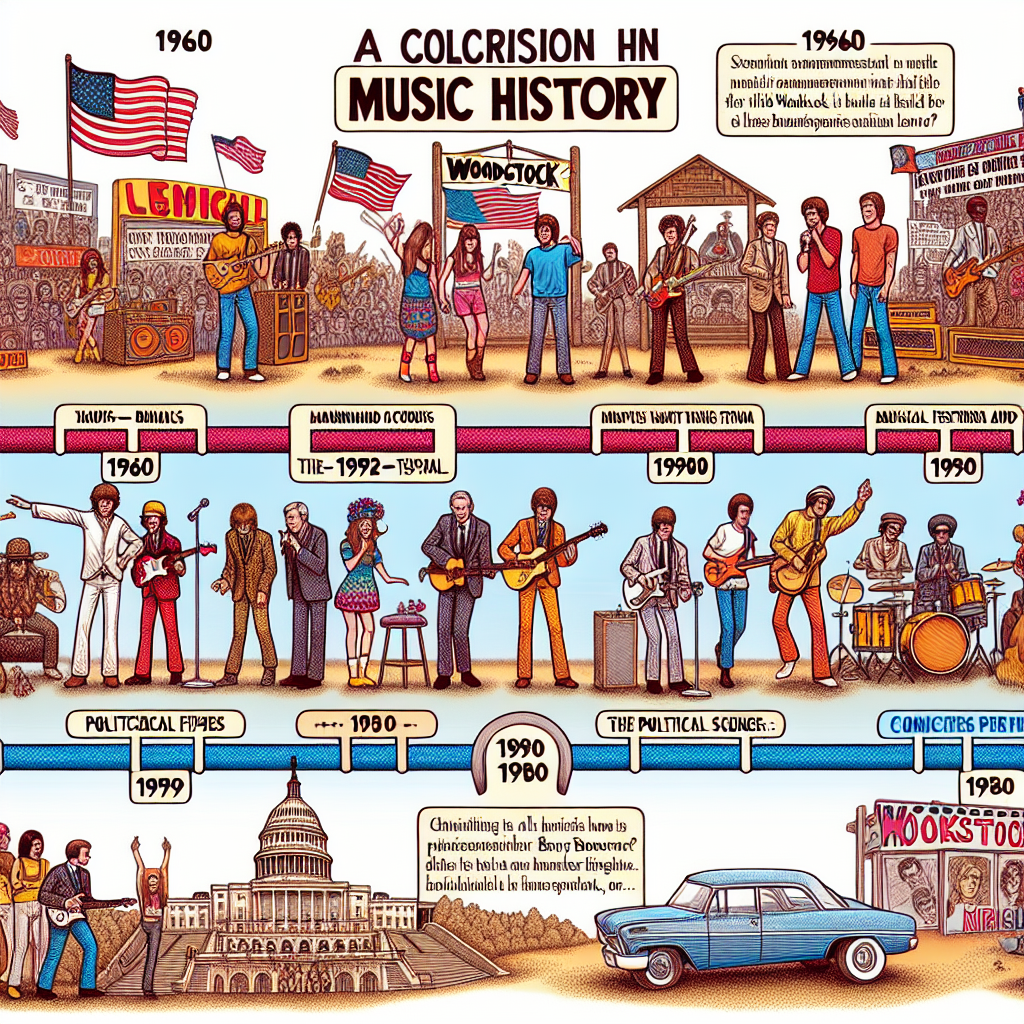
Woodstock and Beyond: The Legacy of Music Festivals in the 60’s and 70’s

Woodstock and other music festivals of the 1960s and 1970s left a lasting legacy on our culture, influencing not only music but also fashion, technology, and even politics. These festivals were more than just gatherings of musicians and fans – they were events that shaped an entire generation.

The music of Woodstock and other festivals from this era was revolutionary, challenging traditional norms and pushing boundaries. Artists like Jimi Hendrix, Janis Joplin, and The Who used their performances to speak out against war, racism, and social injustice. Their music became anthems for a generation looking to make a difference in the world.

But it wasn’t just the music that made these festivals so influential. The fashion of the 60s and 70s was heavily influenced by the counterculture movement that emerged from these events. Bell-bottom jeans, tie-dye shirts, and fringe jackets became staples of the era, reflecting a rejection of mainstream society’s values.

Technology also played a role in shaping the legacy of these festivals. The advent of large-scale sound systems allowed for massive crowds to gather and enjoy live music in ways never before possible. This technology paved the way for future music festivals to become even larger and more immersive experiences.

Even politicians took notice of the power of these festivals. Woodstock famously drew attention from lawmakers who saw the potential for young people to come together peacefully and demand change. While some politicians may have been critical of the counterculture movement, others recognized its importance in shaping our society.

In conclusion, the legacy of music festivals from the 60s and 70s continues to influence our culture today. These events were about more than just music – they were about creating a sense of community, pushing boundaries, and demanding change. As we look back on Woodstock and beyond, let’s remember the impact these festivals had on shaping our world for the better.

Marvin Gaye

“What’s Going On?” So true even today.

The year was 1971 and I was in High School. I was visiting my friend Alex at his home and I heard this “What’s Going On?” album by Marvin Gaye for the first time. From the moment I heard it, this album absolutely touched my heart. From the beginning lines to the transition to the song about the ecology, I knew and sensed that I was listening to something that would remain for years. This album touched upon so many things. Social inequalities, men out of work, mother’s crying for the loss of their children to violence on the streets. So much was there. This collection of songs touched not just my high school mind, I am sure that it touched that of so many of us.

Please click on this song below and listen to the “Ecology” song in Marvin Gaye’s seminal album and relive this emotional collection of songs with me:

Marvin Gaye’s tremendous 1971 album What’s Going On stands as a monumental work in music history, renowned not only for its artistic brilliance but also for its profound social impact. Released during a period of intense social upheaval in the United States, the album tackled issues such as the Vietnam War, police brutality, environmental concerns, and racial inequality. Gaye’s deeply personal lyrics, inspired by his own experiences and the harrowing stories shared by his brother, a Vietnam veteran, resonated with a wide audience, offering a voice to those struggling with the harsh realities of the time. I did not even know that Marvin Gaye’s brother had been in Vietnam!

The album’s title track, “What’s Going On,” became an anthem for peace and unity – especially unity. In these days of so much unhappiness and animosity in our country, Marvin’s message of unity across racial and social economic barriers is ever so significant today. His album questioned the state of the world and urged compassion and understanding. Its smooth, soulful sound combined with its poignant message made it liked by a broad audience thus transcending racial and cultural barriers. The album’s introspective nature encouraged listeners to reflect on their roles within society, fostering a sense of collective responsibility and, above all, unity.

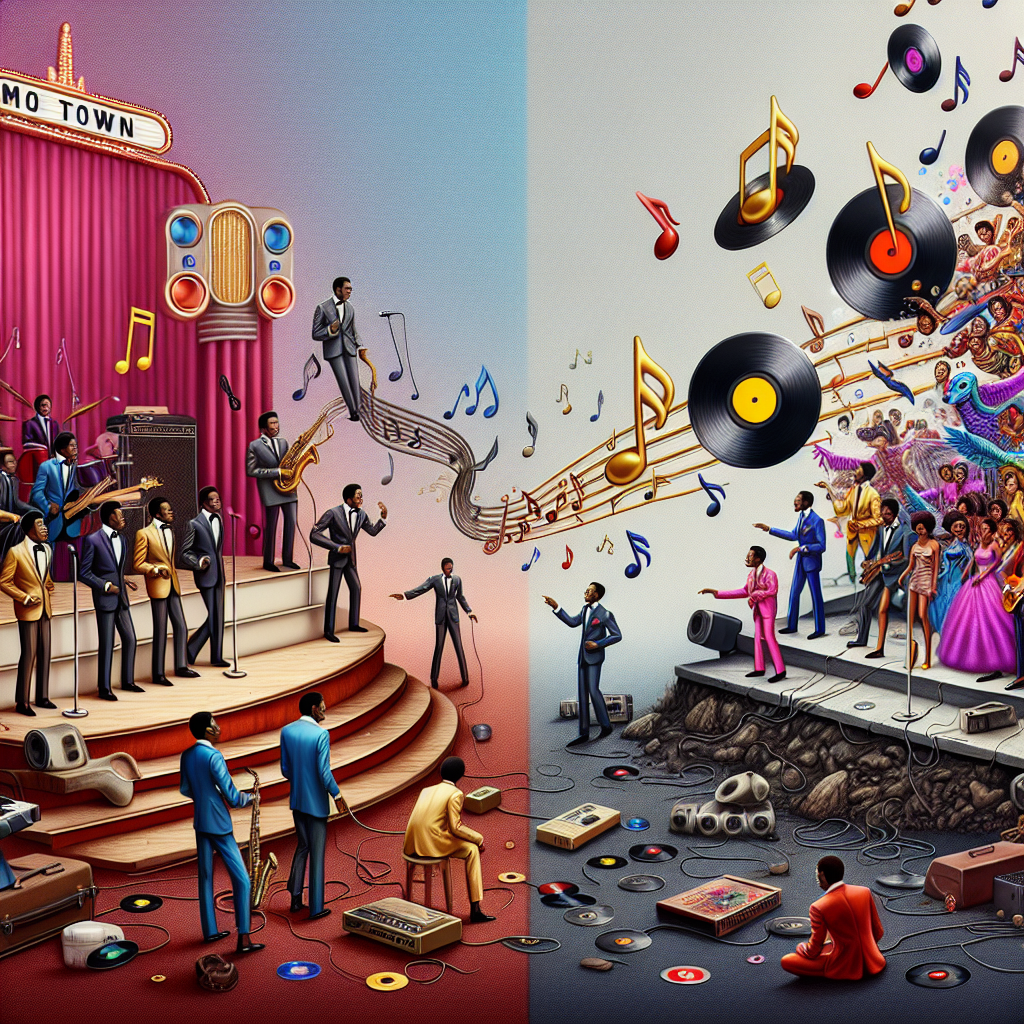
What’s Going On also marked a significant shift in the music industry, as it challenged the Motown label’s traditional focus on love songs and dance hits, pushing the boundaries of social issues that popular music could address. Gaye’s work inspired future generations of artists to use their platforms for social commentary, cementing the album’s legacy as a powerful catalyst for change.

From Elvis to The Beatles: Iconic Artists of the 50’s, 60’s, and 70’s

When we think of the 50’s, 60’s, and 70’s, some of the first things that come to mind are the iconic artists who shaped the music culture of those decades. From Elvis Presley to The Beatles, these musicians not only left a lasting impact on the music industry but also on society as a whole.

During this time period, music was more than just entertainment – it was a reflection of the social and political climate of the era. Artists like Bob Dylan used their platform to speak out against injustice and advocate for change. Their songs became anthems for a generation that was looking to make a difference in the world.

But it wasn’t just the music that defined these decades – it was also the fashion and technology that accompanied them. The 50’s gave us rockabilly style and jukeboxes, while the 60’s brought us tie-dye shirts and vinyl records. And who could forget the disco craze of the 70’s?

Politicians even took notice of the influence that these artists had on popular culture. Richard Nixon famously tried to enlist Elvis Presley as an ally in his campaign for re-election in 1972. While Elvis declined, it showed just how powerful music could be in shaping public opinion.

In hindsight, we can see that these iconic artists paved the way for future generations of musicians to push boundaries and challenge norms. They showed us that music is more than just a form of entertainment – it is a powerful tool for expression and change.

So let’s celebrate these legends of the past and remember how they helped shape our world today.

Woodstock: A Retrospective on the Iconic Music Festival of the 60’s

Woodstock was a defining moment in music history, a cultural phenomenon that brought together hundreds of thousands of people for three days of peace, love, and music. The iconic music festival of the 60’s not only showcased some of the greatest musicians of the time but also became a symbol of the counterculture movement.

The lineup at Woodstock was truly legendary, featuring acts like Jimi Hendrix, Janis Joplin, The Who, and Crosby, Stills, Nash & Young. These artists brought their unique sounds and styles to the stage, creating an unforgettable experience for all who attended.

But Woodstock was about more than just the music. It was a gathering of like-minded individuals who believed in social change and political activism. Politicians may have tried to shut down the festival, but they couldn’t stop the spirit of unity and love that permeated the crowd.

Woodstock also had a major impact on fashion and style. The festival-goers embraced a bohemian look with flowing dresses, fringe vests, and bell-bottoms. This laid-back and carefree style became synonymous with the hippie movement and continues to influence fashion trends today.

Despite its lack of modern technology, Woodstock managed to bring people together in ways that are still felt today. The lack of cell phones and social media allowed attendees to fully immerse themselves in the experience without distractions. It was a simpler time when people connected through music and shared values.

In retrospect, Woodstock was more than just a music festival – it was a cultural touchstone that defined an era. It represented a moment in time when people came together to celebrate peace, love, and unity. And while there may never be another event quite like it, its legacy lives on in the hearts of those who were lucky enough to be part of it.

From Elvis to The Beatles: Iconic Artists of the 50’s, 60’s, and 70’s

When we think of the 1950s, 60s, and 70s, some of the first things that come to mind are the iconic artists who shaped the music and culture of those decades. From Elvis Presley to The Beatles, these musicians not only revolutionized the music industry but also had a significant impact on society as a whole.

During this time period, music was not just about entertainment – it was a reflection of the social and political climate of the era. Artists like Bob Dylan used their platform to speak out against injustice and advocate for change. Their music became anthems for movements such as civil rights and anti-war protests.

But it wasn’t just the music that defined these decades – fashion also played a huge role in shaping popular culture. The flamboyant styles of artists like David Bowie and Elton John pushed boundaries and challenged traditional gender norms. Their bold fashion choices inspired generations of fans to embrace their individuality and express themselves through clothing.

Technology also played a significant role in the evolution of music during this time period. The introduction of electric guitars, synthesizers, and recording equipment allowed artists to experiment with new sounds and push the boundaries of what was possible in music production.

Overall, the 50s, 60s, and 70s were a time of great innovation and creativity in both music and culture. Artists like Elvis Presley, The Beatles, Bob Dylan, David Bowie, and Elton John paved the way for future generations of musicians to continue pushing boundaries and challenging societal norms.