Interview with a Baby Boomer Blogger: Discussing the Intersection of Music, Politics, and Social Media

Recently, I had the opportunity to sit down with a Baby Boomer blogger to discuss the intersection of music, politics, and social media. It was a fascinating conversation that shed light on how these topics have evolved over the years and how they continue to shape our world today.

We started by talking about music and its role in shaping political movements. The blogger shared their love for protest songs from the 60s and 70s, highlighting how artists like Bob Dylan and Joan Baez used their music to speak out against injustice and inspire change. They also mentioned how music continues to be a powerful tool for activism, with artists like Beyoncé and Kendrick Lamar using their platform to address social issues.

When it comes to politics, the blogger emphasized the importance of staying informed and engaged. They talked about how technology has made it easier than ever to access information and connect with others who share similar beliefs. Social media platforms have become valuable tools for organizing protests and spreading awareness about important causes.

We also discussed the impact of technology on the world at large. The blogger expressed their concerns about the negative effects of constant connectivity and the rise of fake news. However, they also acknowledged the positive aspects of technology, such as its ability to bring people together from all corners of the globe.

Finally, we touched on the idea of revolution and how it can be sparked by music, politics, or technology. The blogger reflected on past revolutions they had witnessed firsthand and expressed hope for a better future where people come together to create positive change.

Overall, my interview with this Baby Boomer blogger was eye-opening and inspiring. It served as a reminder that no matter our age or background, we all have a role to play in shaping the world around us through music, politics, and social media.

Embracing technology as a baby boomer: How to stay current in a digital age

Hey fellow baby boomers!

It’s no secret that the world is constantly evolving, especially when it comes to technology. As baby boomers, we may have grown up in a time before smartphones and social media, but that doesn’t mean we can’t stay current in this digital age. Embracing technology is not only essential for staying connected with loved ones, but also for staying informed about important topics like music, politics, and world events.

Music

One of the great things about technology is how it has revolutionized the way we listen to music. With streaming services like Spotify and Apple Music, we have access to millions of songs right at our fingertips. Take some time to explore new artists and genres – you might just discover your new favorite song!

Politics

In today’s political climate, it’s more important than ever to stay informed about what’s happening in the world. Social media platforms like Twitter and Facebook are great tools for keeping up with current events and engaging in discussions with others. Don’t be afraid to share your opinions – your voice matters!

Technology

Don’t be intimidated by all the new gadgets and apps out there – embrace them! Whether it’s learning how to video call your grandkids or setting up an online banking account, taking small steps to familiarize yourself with technology can make a big difference in your daily life.

World Revolution

The world is constantly changing, and it’s important for us as baby boomers to adapt along with it. By embracing technology and staying current with what’s happening in the world, we can continue to be active participants in shaping the future.

So don’t be afraid to dive into the digital age – you might just surprise yourself with how much you enjoy it!

The British Invasion: How Bands like The Beatles and The Rolling Stones Dominated the Charts in the 60’s

In the 1960s, a musical revolution known as The British Invasion took the world by storm. Bands like The Beatles and The Rolling Stones dominated the charts with their catchy tunes and infectious energy, forever changing the landscape of music and popular culture.

The impact of The British Invasion extended far beyond just music. It influenced fashion trends, with young people around the world emulating the stylish looks of their favorite British bands. Politicians even took notice, recognizing the power that these musicians held over their fans and using their popularity to connect with younger voters.

But perhaps most importantly, The British Invasion was a testament to the power of technology in shaping our cultural landscape. Advances in recording technology allowed bands to experiment with new sounds and techniques, leading to groundbreaking albums that are still revered today.

Overall, The British Invasion was a positive force in the world of music and culture. It brought people together from all walks of life, creating a sense of unity and shared experience that transcended borders and boundaries. And while it may have been a product of its time, its influence can still be felt today in the music we listen to and the way we dress.

The British Invasion: How Bands Like The Rolling Stones and The Who Changed the Music Scene in the 1960s

The 1960s were a time of immense change and innovation in the music industry, with the emergence of bands like The Rolling Stones and The Who leading what became known as The British Invasion. These bands not only changed the sound of music, but also influenced culture, fashion, and technology during this era.

One of the most significant impacts of The British Invasion was on the music scene itself. Bands like The Rolling Stones and The Who brought a new sound to the forefront, blending elements of rock and roll with blues and R&B influences. This fusion created a unique sound that resonated with audiences around the world, leading to a surge in popularity for British bands.

But it wasn’t just their music that made an impact – these bands also influenced culture in a profound way. Their rebellious attitudes and anti-establishment lyrics resonated with young people who were looking for something different from the mainstream pop music of the time. This shift in cultural attitudes had ripple effects throughout society, influencing everything from politics to fashion.

Politicians began to take notice of the power of music as a tool for social change, with many bands using their platform to speak out against war, racism, and other societal issues. This newfound activism inspired a generation to get involved and make their voices heard, leading to significant changes in policy and public opinion.

Additionally, The British Invasion had a major impact on fashion during this time. Bands like The Rolling Stones and The Who helped popularize trends like mod style and psychedelic prints, influencing clothing designers and retailers around the world. Their bold fashion choices reflected their rebellious spirit and set them apart from other musicians of the era.

Finally, The British Invasion also played a role in advancing technology within the music industry. As these bands gained popularity worldwide, they pushed boundaries in terms of recording techniques and equipment. Their innovative approach to production paved the way for future generations of musicians to experiment with new sounds and technologies.

In conclusion, The British Invasion was a transformative period in music history that had far-reaching effects on culture, politics, fashion, and technology. Bands like The Rolling Stones and The Who challenged norms and pushed boundaries in ways that continue to influence artists today. Their impact can still be felt in the music we listen to and the world we live in.

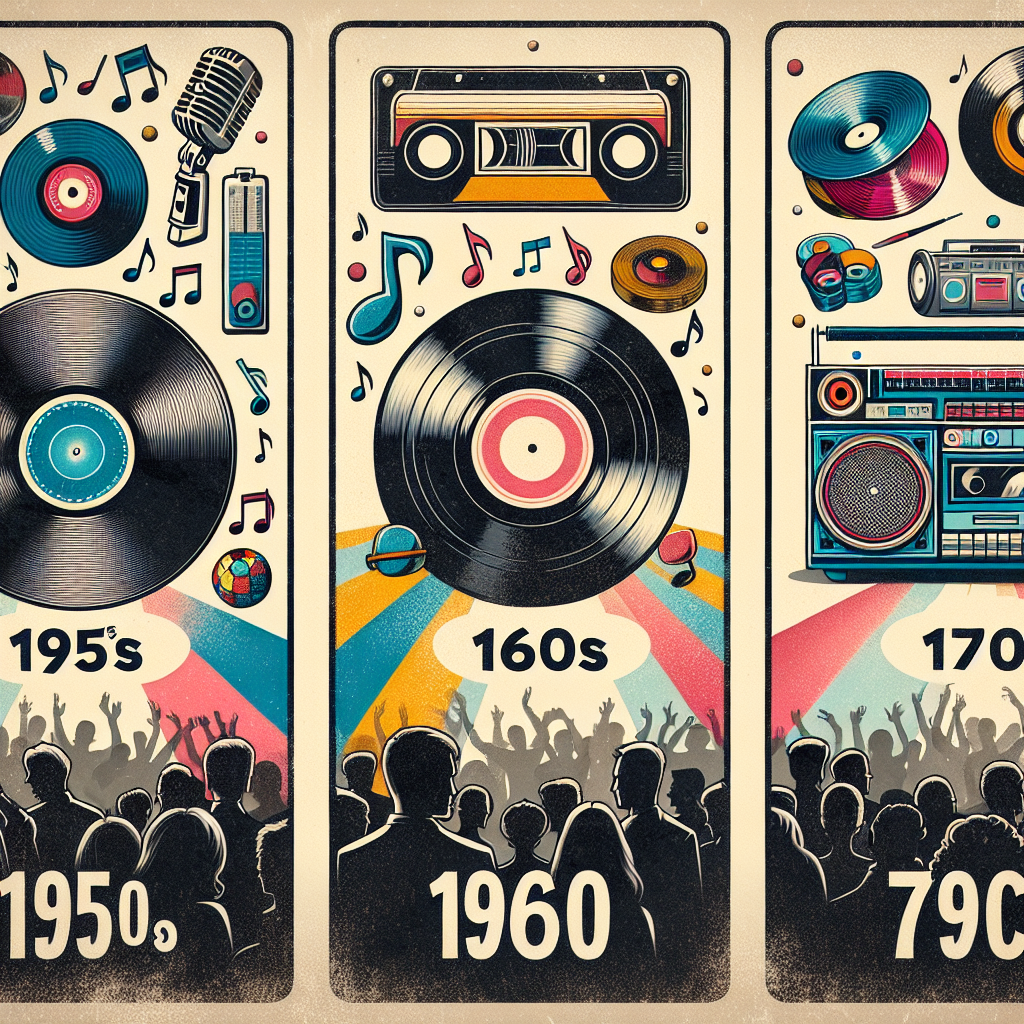
Top Hits of the 50’s, 60’s, and 70’s: A Nostalgic Trip Down Memory Lane

Are you a fan of the music, culture, and fashion of the 50’s, 60’s, and 70’s? If so, get ready for a nostalgic trip down memory lane as we take a look back at some of the top hits from these iconic decades.

Music

The music of the 50’s, 60’s, and 70’s was truly revolutionary. From rock ‘n’ roll to Motown to disco, there was something for everyone to enjoy. Artists like Elvis Presley, The Beatles, and Aretha Franklin dominated the charts and shaped the sound of a generation.

Culture

These decades were also a time of great cultural change. The Civil Rights Movement, Women’s Liberation Movement, and Anti-War Movement all had a significant impact on society. Politicians like John F. Kennedy and Martin Luther King Jr. inspired hope and change in millions of people around the world.

Fashion

The fashion of the 50’s, 60’s, and 70’s was bold and colorful. From poodle skirts to bell-bottoms to platform shoes, people expressed themselves through their clothing choices. Icons like Audrey Hepburn and Twiggy set trends that are still influencing fashion today.

Technology

Advancements in technology during these decades changed the way we live our lives. The invention of the television brought news and entertainment into our homes like never before. The space race captured our imaginations and inspired us to reach for the stars.

Overall, looking back at the top hits of the 50’s, 60’s, and 70’s is a reminder of a simpler time when music was king, culture was thriving, politicians were inspiring change, fashion was daring, and technology was advancing at lightning speed. So sit back, relax, and enjoy this trip down memory lane!

The Influence of Motown on Pop Music in the 60’s and Beyond

During the 1960s, Motown Records played a significant role in shaping pop music and culture. Founded by Berry Gordy Jr. in Detroit, Michigan in 1959, Motown became known for its distinctive sound that blended elements of soul, R&B, and pop music. The label produced hit after hit, launching the careers of legendary artists such as Marvin Gaye, The Supremes, Stevie Wonder, and The Jackson 5.

One of the key ways that Motown influenced pop music was through its emphasis on catchy melodies and polished production. Motown songs were meticulously crafted to appeal to a wide audience, with infectious hooks and lush arrangements that helped them stand out on the radio. This attention to detail set a new standard for popular music production and paved the way for future generations of artists.

Beyond just the music itself, Motown also had a profound impact on culture during this time period. The label’s roster of predominantly African American artists helped to break down racial barriers in the music industry and beyond. Motown’s success demonstrated that black musicians could achieve mainstream popularity and paved the way for greater diversity in popular music.

In addition to its influence on music and culture, Motown also had an impact on other aspects of society during the 1960s. Politicians recognized the power of music as a tool for social change and often turned to Motown artists to help promote their causes. For example, Marvin Gaye’s iconic song “What’s Going On” became an anthem for the civil rights movement and remains relevant today.

Furthermore, Motown’s artists were trendsetters in fashion as well as music. The Supremes’ glamorous style set trends for female performers in the 60s with their matching outfits and bouffant hairstyles becoming iconic symbols of the era.

As technology continued to evolve throughout the 60s and beyond, Motown adapted by incorporating new recording techniques and instruments into their sound. This willingness to experiment with new technologies helped keep their music fresh and innovative even as musical trends changed.

In conclusion, it is clear that Motown Records had a lasting impact on pop music during the 1960s and beyond. Through its catchy melodies, diverse roster of artists, cultural influence, political relevance fashion sense,and embrace of technology,Motown helped shape popular music into what it is today.

The Fashion and Culture of Music in the Swinging Sixties: A Nostalg

The Swinging Sixties was a time of immense creativity and innovation in both music and fashion. This era saw the rise of iconic musicians like The Beatles, The Rolling Stones, and Jimi Hendrix, whose music continues to influence artists to this day. Alongside the music, the culture of the sixties was defined by a sense of rebellion against societal norms and a desire for freedom and self-expression.

Politicians were not immune to the influence of this cultural shift. Figures like John F. Kennedy and Harold Wilson embraced popular culture, using it to connect with younger voters. The music of the sixties became a powerful tool for social change, with songs like Bob Dylan’s “Blowin’ in the Wind” and Marvin Gaye’s “What’s Going On” addressing important political issues of the time.

Fashion also played a significant role in defining the culture of the sixties. The era saw the emergence of bold new styles like mini skirts, bell-bottoms, and psychedelic prints. Icons like Twiggy and Brigitte Bardot set trends that are still referenced in modern fashion today.

Technology also played a key role in shaping the music of the sixties. The invention of new recording techniques allowed artists to experiment with sound in ways that had never been possible before. This led to groundbreaking albums like The Beatles’ Sgt. Pepper’s Lonely Hearts Club Band, which pushed the boundaries of what was considered possible in popular music.

Overall, the Swinging Sixties was a time of incredible creativity and innovation in both music and fashion. It was an era defined by a spirit of rebellion and experimentation that continues to inspire artists today. From iconic musicians to groundbreaking fashion trends, the culture of the sixties has left an indelible mark on our world.

The Evolution of Rock ‘n’ Roll: A Look Back at the Music of the 50’s, 60’s, and 70’s

Rock ‘n’ roll has always been a reflection of the culture and society in which it was created. From its roots in the 1950s to its peak in the 1960s and 70s, rock music has evolved alongside changes in politics, fashion, technology, and more.

In the 1950s, rock ‘n’ roll emerged as a rebellious response to the conservative values of post-World War II America. Artists like Elvis Presley and Chuck Berry brought a new sound and attitude to music that resonated with young people looking for something different. The music was raw, energetic, and full of emotion – a perfect soundtrack for a generation on the brink of change.

As the 1960s rolled around, rock ‘n’ roll continued to evolve with the times. The British Invasion brought bands like The Beatles and The Rolling Stones to American shores, introducing a new sound that combined elements of rock, pop, and R&B. The music became more experimental and psychedelic, reflecting the social upheaval of the era.

By the 1970s, rock ‘n’ roll had become bigger than ever. Stadium rock bands like Led Zeppelin and Pink Floyd dominated the charts with their epic songs and elaborate stage shows. Punk rock emerged as a reaction against the excesses of mainstream rock, while disco provided a funky alternative for those looking to dance their troubles away.

Throughout these decades, politicians tried to regulate or censor rock music they deemed too controversial or subversive. Fashion trends came and went, from poodle skirts in the 50s to bell-bottoms in the 70s. Technology also played a role in shaping the sound of rock ‘n’ roll – from electric guitars to synthesizers.

Looking back at this evolution of rock ‘n’ roll, it’s clear that music has always been a powerful force for change and self-expression. Despite attempts by politicians or others to control or limit its influence, rock music has continued to push boundaries and challenge norms.

So let’s celebrate this rich history of music that has shaped our culture and society for decades. Let’s embrace the diversity of sounds and styles that make up rock ‘n’ roll – from bluesy guitar riffs to funky basslines. And let’s keep rocking on into the future!

Behind the Scenes: The Stories Behind Some of the Biggest Songs of the 50’s, 60’s, and 70’s

Music has always been a reflection of culture, and the songs of the 50’s, 60’s, and 70’s were no exception. Behind some of the biggest hits of these decades are fascinating stories that give us insight into the world in which they were created.

Politicians often found themselves at odds with musicians during this time, leading to some iconic protest songs. Bob Dylan’s “Blowin’ in the Wind” became an anthem for the civil rights movement, while John Lennon’s “Imagine” challenged listeners to envision a world without war or division.

Fashion also played a role in shaping music during these decades. The Beatles’ mop-top haircuts and mod suits became synonymous with the British invasion, while artists like Jimi Hendrix embraced psychedelic style with their colorful clothing and wild patterns.

Technology also played a significant role in shaping music during this time. The introduction of electric guitars and amplifiers revolutionized rock and roll, while advancements in recording technology allowed artists to experiment with new sounds and effects.

Despite the challenges of their time, musicians from the 50’s, 60’s, and 70’s used their platform to create timeless music that continues to resonate with audiences today. Their stories remind us of the power of music to inspire change and unite people from all walks of life.

. How social and political movements shaped music in the 60’s and 70’s

The 1960s and 1970s were a time of immense change and upheaval in society, politics, and culture. This era saw the rise of social and political movements that greatly influenced music and its role in society. From the civil rights movement to the anti-war protests, musicians used their platform to reflect the changing times and inspire change.

Politicians played a significant role in shaping the music of this era as well. Artists like Bob Dylan and Joan Baez used their songs to protest against injustices and call for social change. Their music became anthems for those fighting for equality and justice.

Fashion also played a key role in shaping the music of the 60s and 70s. The psychedelic colors, bell-bottom jeans, and platform shoes of the era reflected the free-spirited nature of the music being created at the time. Musicians like Jimi Hendrix and Janis Joplin embraced these trends, further solidifying their connection to the counterculture movement.

Advancements in technology also played a crucial role in shaping music during this time. The invention of electric guitars, synthesizers, and recording equipment allowed artists to experiment with new sounds and push boundaries in ways never before possible.

Overall, the social and political movements of the 60s and 70s had a profound impact on music and culture. They inspired musicians to use their art as a tool for change, creating some of the most iconic songs of all time. Despite the challenges faced during this era, it was ultimately a time of great creativity, innovation, and progress in both music and society.