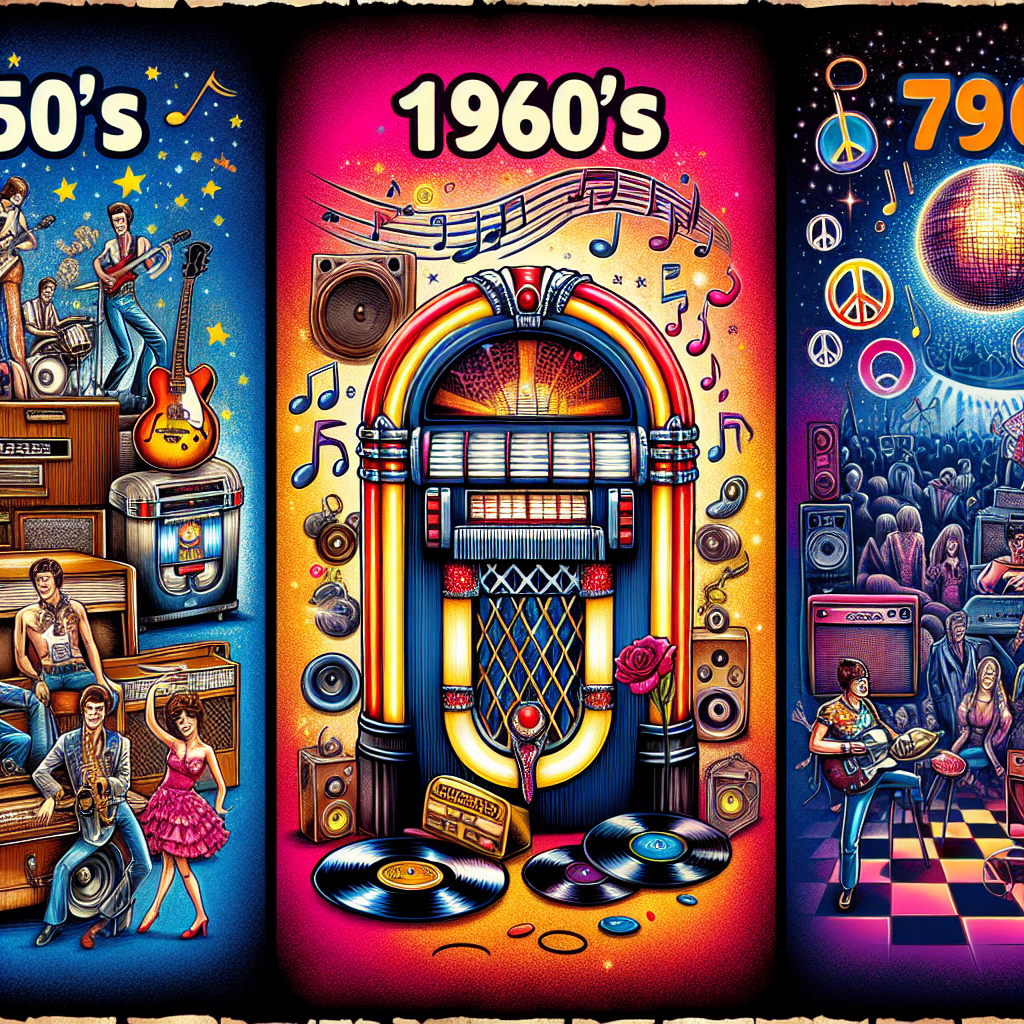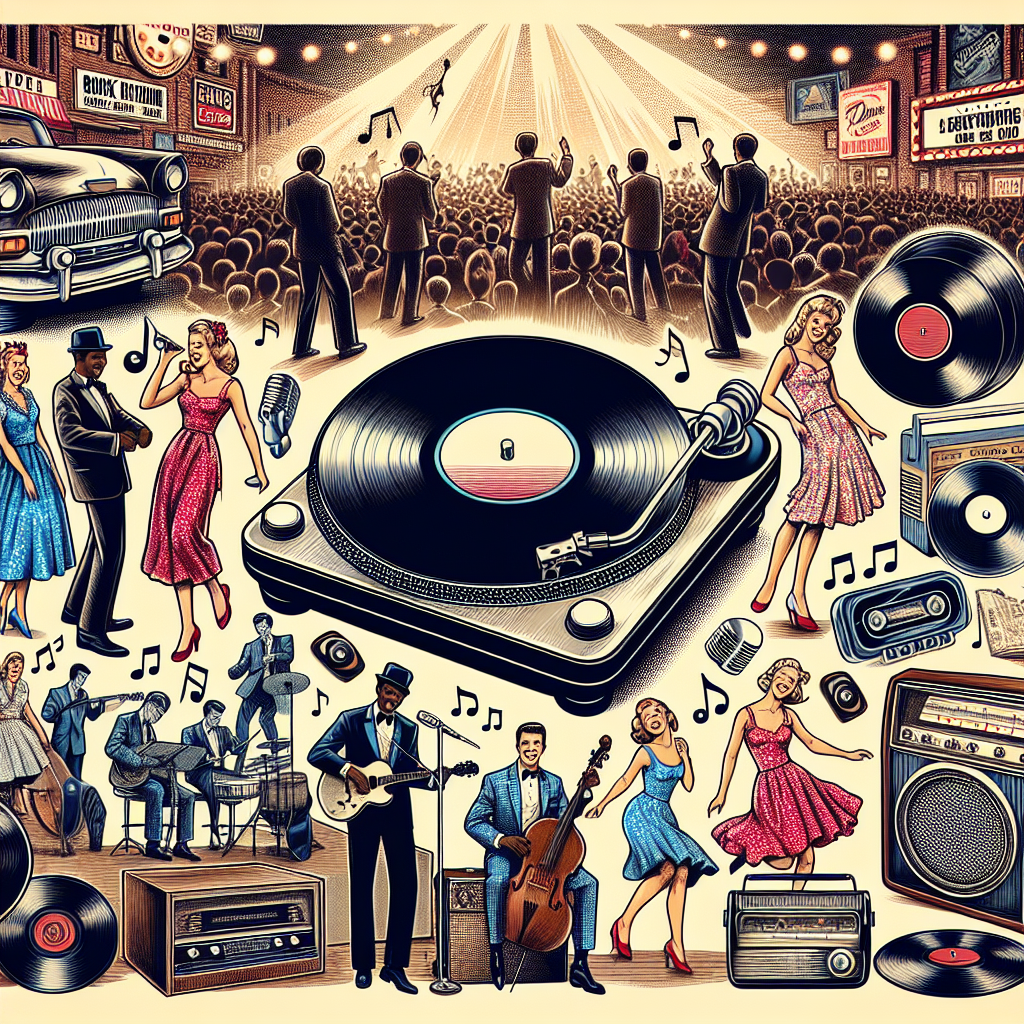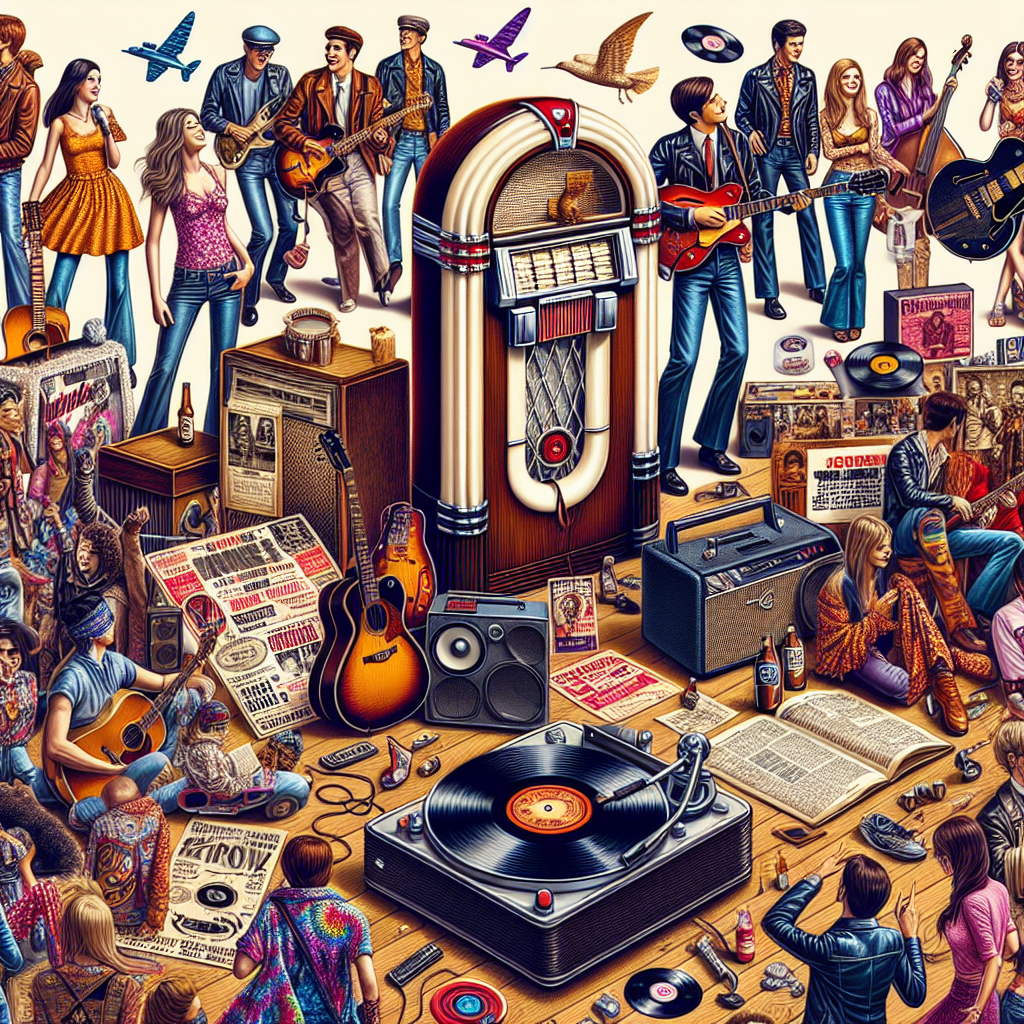
Doo-Wop to Disco: A Journey Through the Different Genres of the 50’s, 60’s, and 70’s

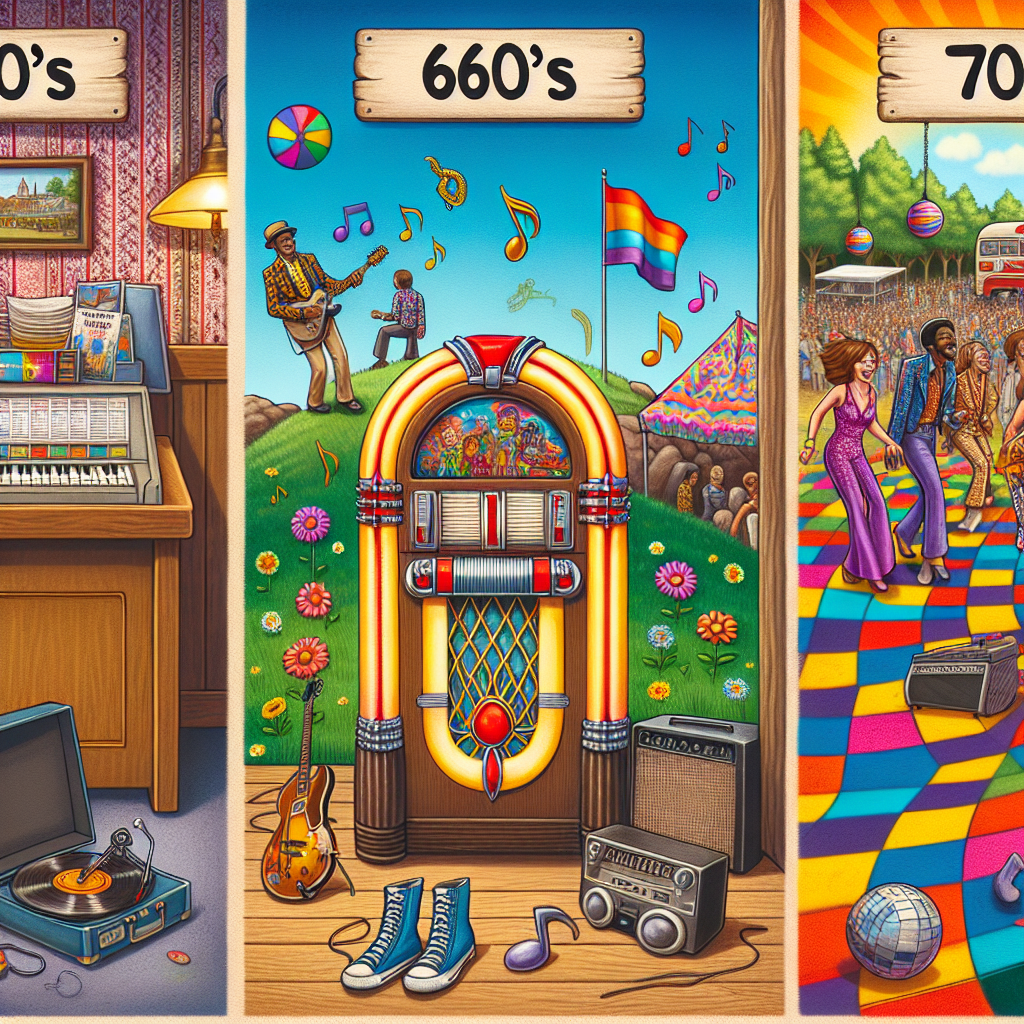
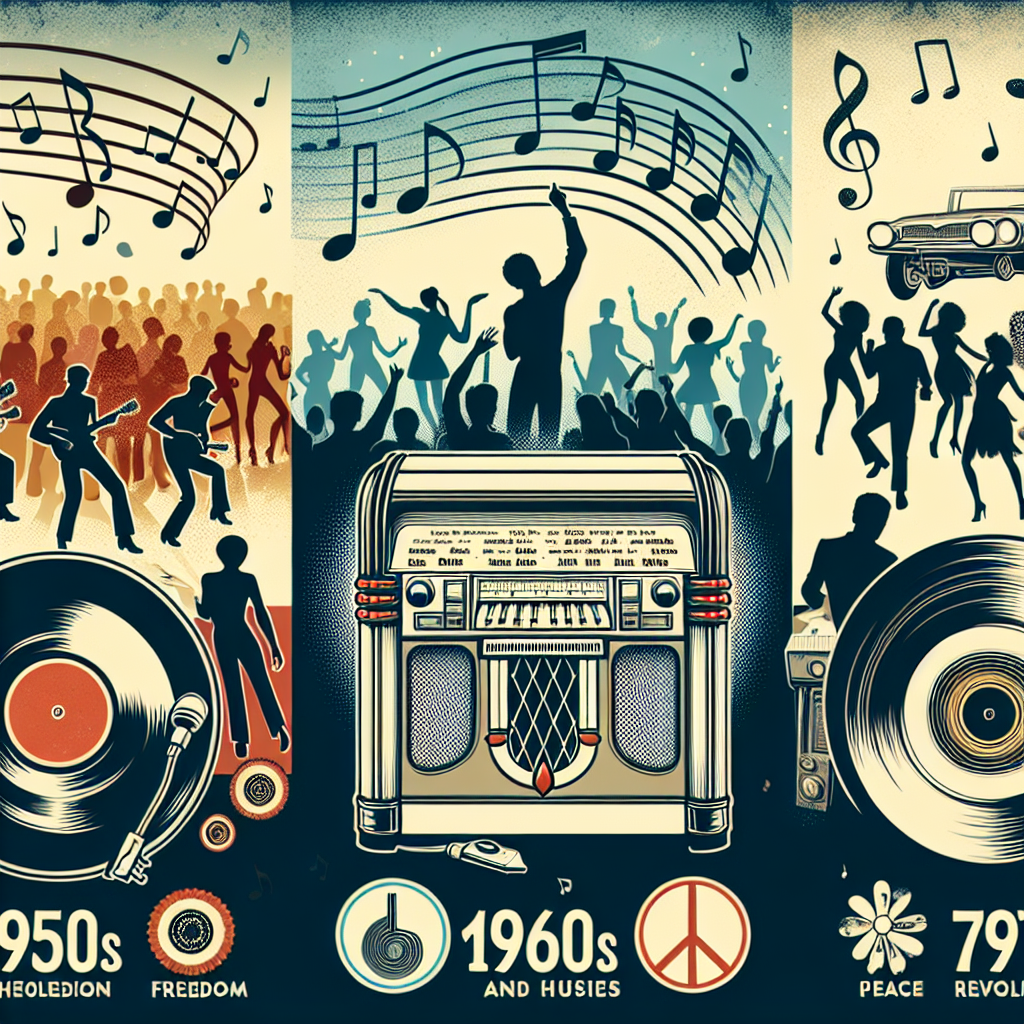
From the smooth harmonies of doo-wop to the pulsating beats of disco, the music of the 50’s, 60’s, and 70’s took listeners on a journey through different genres that reflected the changing times. This era was not just about the music, but also about culture, fashion, technology, and even politics.

Music played a significant role in shaping the culture of these decades. Doo-wop emerged in the 1950s as a genre characterized by vocal harmony and simple lyrics. Groups like The Platters and The Drifters captured audiences with their soulful melodies and catchy tunes. As society shifted towards more progressive ideals in the 1960s, artists like The Beatles and The Beach Boys brought a new sound to the airwaves with their experimental approach to music.

The political landscape of the time also influenced musical trends. In the 1960s, artists like Bob Dylan and Joan Baez used their music to protest against social injustices and advocate for change. Their songs became anthems for a generation that was seeking to challenge the status quo.

Alongside these musical developments, fashion played a key role in defining the style of each decade. From poodle skirts and leather jackets in the 50s to bell-bottoms and platform shoes in the 70s, each era had its own unique look that reflected the cultural zeitgeist. Music icons like Elvis Presley and Diana Ross became fashion icons in their own right, influencing trends both on and off stage.

Advancements in technology also played a crucial role in shaping the sound of music during this time. The introduction of electric guitars and synthesizers revolutionized how music was created and produced. Artists were able to experiment with new sounds and techniques, leading to groundbreaking albums like The Beatles’ “Sgt. Pepper’s Lonely Hearts Club Band” and Pink Floyd’s “The Dark Side of the Moon.”

Despite all these changes, one thing remained constant throughout these decades: music had an incredible ability to bring people together. Whether it was dancing at a disco club or singing along to a doo-wop tune on the radio, music had a way of transcending barriers and creating connections between people from all walks of life.

In conclusion, the journey through different genres of music from the 50s, 60s, and 70s was not just about listening to catchy tunes or following trends – it was about experiencing a cultural shift that shaped society as we know it today. From doo-wop to disco, this era was defined by its innovative spirit and willingness to push boundaries. So let’s put on our dancing shoes and celebrate this golden age of music that continues to inspire us today!
Exploring the Influence of Motown on Popular Music in the 60’s

When we think of the 1960s, many iconic images and sounds come to mind. One of the most influential forces during this time was Motown music. Motown not only shaped the sound of popular music in the 60s but also had a significant impact on culture, fashion, and even technology.

The music produced by Motown artists such as The Supremes, Marvin Gaye, and The Temptations had a unique sound that blended elements of soul, pop, and R&B. This sound quickly became synonymous with the 60s and continues to be celebrated today. Motown’s catchy melodies and smooth harmonies captivated audiences around the world and helped to break down racial barriers in the music industry.

But Motown’s influence extended far beyond just the realm of music. The label played a key role in shaping 60s culture, as its artists became style icons and trendsetters. The glamorous image of groups like The Supremes influenced fashion trends of the time, with their sleek hairstyles and coordinated outfits becoming must-have looks for young people everywhere.

In addition to influencing fashion, Motown also had a hand in shaping technology during the 60s. The label was one of the first to embrace new recording techniques and technologies, such as multi-track recording and electronic effects. This innovative approach to music production helped Motown artists create groundbreaking sounds that set them apart from their peers.

Politically, Motown also made an impact during the turbulent 60s. Many of the label’s artists used their platform to speak out against social injustices and advocate for civil rights. Songs like Marvin Gaye’s “What’s Going On” addressed pressing issues such as poverty, war, and racism, sparking important conversations among listeners.

Overall, it is clear that Motown played a pivotal role in shaping popular music in the 60s. Its infectious melodies, stylish image, technological innovations, and political activism all contributed to its lasting legacy. Today, we continue to see echoes of Motown’s influence in modern music and culture.

Behind the Hits: Stories Behind Classic Songs from the Golden Age of Music

Music has always been a powerful force in shaping culture and society. From the protest songs of the 1960s to the pop hits of today, music has the ability to reflect the times we live in and capture the essence of our experiences. One book that delves into this connection between music and culture is “Behind the Hits: Stories Behind Classic Songs from the Golden Age of Music.”

This book takes readers on a journey through some of the most iconic songs from the golden age of music, revealing the stories behind their creation and exploring how they came to define an era. From Bob Dylan’s “Blowin’ in the Wind” to The Beatles’ “Hey Jude,” these songs have become timeless classics that continue to resonate with listeners today.

One of the most fascinating aspects of “Behind the Hits” is its exploration of how music can influence politics and social change. Many of the songs featured in the book were written during turbulent times, when artists used their music as a platform to express their views on important issues such as civil rights, war, and inequality. These songs not only reflected the political climate of their time but also played a role in shaping public opinion and inspiring activism.

In addition to its examination of music’s impact on politics, “Behind the Hits” also delves into how fashion and technology influenced musical trends during this era. The emergence of television, radio, and recording technology allowed artists to reach larger audiences than ever before, while changing fashion trends influenced not only how musicians presented themselves but also how their music was received by fans.

Overall, “Behind the Hits” offers a fascinating look at how music can both reflect and shape culture. By exploring the stories behind classic songs from the golden age of music, readers gain insight into how these timeless hits came to be and why they continue to hold such significance today. Whether you’re a fan of classic rock, folk music, or pop hits, this book is sure to deepen your appreciation for the power of music in our lives.

From Woodstock to Disco: A Look Back at the Music Festivals of the 1970s

As we look back on the music festivals of the 1970s, it’s hard not to feel a sense of nostalgia for a time when music, culture, and fashion all seemed to come together in perfect harmony. From Woodstock to Disco, the 70s were a decade filled with iconic moments that have left a lasting impact on our society.

One of the most memorable music festivals of the 1970s was undoubtedly Woodstock. Held in August 1969 in upstate New York, Woodstock was a three-day event that brought together some of the biggest names in rock and folk music. Artists like Jimi Hendrix, Janis Joplin, and The Who all took to the stage to perform for hundreds of thousands of fans who had gathered to celebrate peace, love, and music.

But Woodstock was just the beginning. Throughout the 1970s, music festivals continued to grow in popularity as more and more people sought out opportunities to come together and experience live music in a communal setting. From Glastonbury in England to Montreux Jazz Festival in Switzerland, there was no shortage of options for music lovers looking to immerse themselves in the sounds of the era.

Of course, music wasn’t the only thing that defined the culture of the 1970s. Politicians like Richard Nixon and Jimmy Carter were making headlines with their policies and decisions, while movements like feminism and environmentalism were gaining traction among young people. The Vietnam War was also a major source of controversy during this time, leading many musicians to use their platform to speak out against war and injustice.

But perhaps one of the most enduring legacies of the 1970s is its fashion. From bell-bottom jeans to platform shoes, disco suits to bohemian dresses, there was no shortage of iconic looks that defined the decade. Music festivals became a showcase for these trends, with attendees dressing up in their finest hippie or disco-inspired outfits as they danced the night away under starlit skies.

And let’s not forget about technology. The 1970s saw major advancements in sound systems and lighting equipment that revolutionized the way concerts and festivals were experienced. Suddenly, it was possible for artists to perform on larger stages for bigger crowds than ever before, creating an immersive experience that brought people together like never before.

Looking back on all of this now, it’s clear that the music festivals of the 1970s played a crucial role in shaping our cultural landscape. They provided a space for people from all walks of life to come together and celebrate their shared love of music, while also serving as a platform for important social and political issues to be addressed.

So as we reminisce about Woodstock and Disco and all the other iconic festivals from this era, let’s remember them not just as events where great music was played but as gatherings that helped define an entire generation. And let’s look forward with optimism towards future festivals that will continue to bring us together through the power of music.

Exploring Motown: The Soulful Sounds of the 50’s, 60’s, and 70’s

As we look back on the music of the 50’s, 60’s, and 70’s, one genre that stands out is Motown. This soulful sound not only shaped the music industry but also had a significant impact on culture, fashion, and technology during that time period.

One of the key elements of Motown music was its ability to bring people together. In a time of great social and political upheaval, artists like The Supremes, Marvin Gaye, and Stevie Wonder used their music to spread messages of love, unity, and equality. Their songs became anthems for the civil rights movement and inspired a generation to strive for change.

Politicians also took notice of the power of Motown music. Artists were invited to perform at political rallies and events, using their platform to raise awareness about important issues. The music of Motown became a symbol of hope and resilience in a tumultuous time.

But Motown wasn’t just about the music – it also had a major influence on fashion. Artists like Diana Ross and The Temptations were known for their stylish outfits and glamorous stage presence. Their bold fashion choices helped shape the trends of the era and continue to inspire designers today.

Technology also played a role in the rise of Motown music. Advances in recording equipment allowed artists to experiment with new sounds and techniques, creating some of the most iconic songs of the era. The use of innovative studio techniques helped define the signature sound of Motown records.

Overall, exploring Motown music from the 50’s, 60’s, and 70’s offers a glimpse into a vibrant cultural moment that continues to resonate today. The soulful sounds, powerful messages, and timeless style of Motown artists have left an indelible mark on our society.

Exploring the Roots of Soul Music in the 50’s and Its Continued Influence Today

Soul music is a genre that emerged in the 1950s, combining elements of rhythm and blues, gospel, and jazz. It quickly became a powerful form of expression for African American artists, reflecting their experiences and struggles in a racially divided society. The roots of soul music can be traced back to the African American church, where gospel music played a central role in worship and community gatherings.

During the 1950s, soul music began to gain popularity among mainstream audiences, with artists like Ray Charles, Sam Cooke, and James Brown leading the way. These musicians infused their songs with emotion and passion, creating a sound that resonated with listeners across racial and cultural divides. Soul music became a voice for social change, addressing issues of civil rights and inequality in America.

Politicians also recognized the power of soul music as a tool for mobilizing voters and spreading messages of unity and hope. Artists like Aretha Franklin and Marvin Gaye used their platforms to advocate for social justice and equality, inspiring generations of activists to push for change through peaceful protest and activism.

Not only did soul music influence culture and politics during the 1950s, but it also had a significant impact on fashion trends. Artists like Diana Ross and The Supremes set new standards for style with their glamorous stage outfits and sophisticated looks. The Motown sound became synonymous with elegance and sophistication, influencing fashion designers around the world.

As technology advanced in the 1960s and 1970s, soul music continued to evolve with the introduction of new instruments and recording techniques. Artists began experimenting with synthesizers, drum machines, and other electronic devices to create innovative sounds that pushed the boundaries of traditional soul music.

Today, soul music remains a powerful force in popular culture, inspiring artists across genres to incorporate its timeless sound into their own work. From Beyoncé to Kendrick Lamar, contemporary musicians continue to draw inspiration from the rich history of soul music while adding their own unique twists to create something fresh and exciting.

The legacy of soul music lives on through its ability to connect people from all walks of life through shared experiences of love, loss, joy, and pain. Its universal themes resonate with listeners around the world who are drawn to its emotional depth and authenticity.

In conclusion,soul music has had a profound impact on culture, politics, fashion, technology, shaping our understanding of what it means to be human in an ever-changing world. As we continue to explore the roots of this timeless genre,we can appreciate its continued influence today as we celebrate its enduring legacy.

Remembering Woodstock: A Retrospective on the Legendary Music Festival of the 60’s

Woodstock. The name alone conjures up images of peace, love, and music. It was a time when young people came together to celebrate their shared values and beliefs through the power of music. The Woodstock Music & Art Fair, held in August 1969, has become synonymous with the counterculture movement of the 1960s.

The festival was a three-day event that featured some of the biggest names in music at the time, including Jimi Hendrix, Janis Joplin, The Who, and Crosby, Stills, Nash & Young. Over 400,000 people descended upon Max Yasgur’s farm in Bethel, New York to experience this historic event.

Woodstock wasn’t just about the music though. It was a cultural phenomenon that showcased the values and beliefs of a generation. The festival promoted peace, love, and unity at a time when the country was deeply divided over issues like the Vietnam War and civil rights.

Politicians may have criticized Woodstock as a gathering of “hippies” and “troublemakers,” but for those who were there, it was a transformative experience. People from all walks of life came together to celebrate their common humanity through music.

One of the most enduring legacies of Woodstock is its impact on fashion. The festival was a melting pot of styles and trends from tie-dye shirts to bell-bottom jeans. It was a time when people expressed themselves through their clothing and embraced individuality.

Technology also played a significant role in making Woodstock possible. From sound systems to stage lighting, advances in technology allowed for larger crowds to enjoy live music in ways never seen before. Without these innovations, Woodstock may not have been the historic event that it was.

Looking back on Woodstock now, it’s easy to see why it continues to hold such significance in our collective memory. It represented a moment in time when people came together to celebrate music and culture in a spirit of unity and peace.

As we reflect on Woodstock today, let’s remember the values it stood for – peace, love, and understanding. Let’s celebrate the power of music to bring people together regardless of their differences. And let’s continue to uphold these ideals as we navigate our way through an ever-changing world.

Revolutionary Artists of the 70’s: How They Shaped the Soundtrack of a Generation

The 1970s was a decade of cultural revolution, with artists pushing boundaries and challenging the status quo in music, fashion, and politics. The music of this era was no exception, as revolutionary artists emerged to shape the soundtrack of a generation.

One of the most iconic bands of the 70s was Led Zeppelin, known for their heavy rock sound and epic live performances. Their influence on music can still be felt today, with many modern bands citing them as a major inspiration. Led Zeppelin’s music captured the rebellious spirit of the times, with songs like “Stairway to Heaven” becoming anthems for a generation.

Another groundbreaking artist of the 70s was David Bowie, who constantly reinvented himself and pushed boundaries in both music and fashion. Bowie’s flamboyant style and gender-bending persona challenged traditional notions of masculinity and femininity, inspiring a whole new generation of artists to embrace their individuality.

The political landscape of the 70s also had a significant impact on music, with artists using their platform to speak out against war, injustice, and inequality. Bob Dylan’s protest songs became rallying cries for those fighting for civil rights and peace, while Marvin Gaye’s “What’s Going On” addressed social issues such as poverty and police brutality.

Technology also played a key role in shaping the music of the 70s, with advancements in recording equipment allowing artists to experiment with new sounds and techniques. Electronic music pioneers like Kraftwerk used synthesizers and drum machines to create futuristic sounds that would pave the way for genres like techno and house.

Overall, the revolutionary artists of the 70s helped to define an era that was characterized by creativity, innovation, and social change. Their music continues to inspire generations of musicians and fans alike, proving that art has the power to transcend time and connect people across cultures.

Rediscovering Classic Hits from the Golden Age of Rock in the 50’s

Do you ever find yourself longing for the classic hits of the Golden Age of Rock in the 50’s? The music, culture, and fashion of that era hold a special place in many people’s hearts. It was a time when rock ‘n’ roll was just beginning to take off, and artists like Elvis Presley, Chuck Berry, and Buddy Holly were dominating the airwaves.

One of the reasons why these classic hits are so beloved is because they capture a moment in time when society was going through significant changes. The 50’s were a time of post-war prosperity, with politicians promising a better future for all. This optimism was reflected in the music of the era, with songs about love, rebellion, and freedom resonating with audiences around the world.

But it wasn’t just the music that defined the Golden Age of Rock in the 50’s. The culture and fashion of that time were also iconic. Teenagers rebelled against their parents’ conservative values by embracing rock ‘n’ roll and adopting new styles like leather jackets, poodle skirts, and greased hair. This sense of rebellion and individuality helped shape the youth culture of the era.

Technology also played a role in shaping the music of the 50’s. The invention of new recording techniques allowed artists to experiment with different sounds and create innovative new tracks. This led to groundbreaking albums like Elvis Presley’s self-titled debut album and Chuck Berry’s “Maybellene,” which pushed boundaries and paved the way for future generations of musicians.

Rediscovering these classic hits from the Golden Age of Rock in the 50’s can be a nostalgic experience for many people. It allows us to revisit a time when music was pure, raw, and full of emotion. These songs have stood the test of time because they speak to universal themes that are still relevant today.

So next time you’re looking for some new music to listen to, why not give some classic hits from the 50’s a try? You might be surprised at how much you enjoy them and how they transport you back to a simpler time when rock ‘n’ roll ruled the airwaves.

The British Invasion: How Bands Like The Beatles and The Rolling Stones Changed the Landscape of Music in the 60’s

In the 1960s, a musical phenomenon known as the British Invasion took the world by storm. Bands like The Beatles and The Rolling Stones emerged from the UK and forever changed the landscape of music, culture, fashion, and technology. This period marked a significant shift in popular music and had a lasting impact on society as a whole.

The music of The Beatles and The Rolling Stones was revolutionary for its time. Their catchy melodies, innovative songwriting techniques, and charismatic performances captivated audiences around the globe. Songs like “I Want to Hold Your Hand” and “Satisfaction” became instant classics and helped define the sound of the 60s.

But it wasn’t just their music that made these bands so influential. The Beatles and The Rolling Stones also had a profound impact on culture and society. Their rebellious attitudes and distinctive fashion sense challenged traditional norms and inspired a generation to think differently. Politicians even took notice of their influence, with some embracing their popularity to connect with younger voters.

The British Invasion also brought about changes in technology that would shape the future of music production. Bands like The Beatles were at the forefront of experimenting with new recording techniques, such as multitrack recording and tape loops. These innovations paved the way for modern studio practices and revolutionized how music was created.

In addition to their musical contributions, The Beatles and The Rolling Stones were also trendsetters when it came to fashion. Their iconic looks – from mop-top haircuts to mod suits – became synonymous with 60s style. Fans around the world emulated their outfits, further solidifying their status as cultural icons.

Overall, the British Invasion was a transformative period in music history that continues to resonate today. Bands like The Beatles and The Rolling Stones not only shaped the sound of the 60s but also influenced countless artists across genres for decades to come. Their impact on culture, fashion, technology, and society as a whole cannot be overstated.