The Influence of Elvis Presley on Music in the 50’s and Beyond

Elvis Presley, also known as the King of Rock and Roll, was a pioneer in the music industry during the 1950s and beyond. His influence on music, culture, fashion, technology, and even politicians cannot be understated. Let’s take a closer look at how Elvis Presley shaped the music scene in the 50s and beyond.

Music

Elvis Presley revolutionized the music industry with his unique blend of rock, country, and blues. His energetic performances and charismatic stage presence captivated audiences around the world. Songs like “Hound Dog,” “Jailhouse Rock,” and “Can’t Help Falling in Love” became instant classics and solidified Elvis’s status as a musical icon.

Culture

Elvis Presley’s impact on popular culture cannot be overstated. He challenged societal norms with his rebellious image and provocative dance moves. His music transcended racial barriers and brought people together through a shared love of rock and roll. Elvis’s influence can still be seen today in artists like Bruno Mars, Justin Timberlake, and Beyoncé.

Politicians

Even politicians were not immune to Elvis Presley’s charm. In fact, President Richard Nixon famously met with Elvis at the White House in 1970 to discuss drug abuse prevention. This meeting highlighted Elvis’s ability to connect with people from all walks of life and further solidified his cultural significance.

Fashion

Elvis Presley was not only a musical trailblazer but also a fashion icon. His flashy jumpsuits, leather jackets, and signature pompadour hairstyle set trends that are still emulated today. Elvis’s bold sense of style continues to inspire designers and fashionistas around the world.

Technology

Elvis Presley was at the forefront of technological advancements in the music industry. He was one of the first artists to embrace television as a medium for reaching larger audiences. His appearances on shows like The Ed Sullivan Show helped popularize rock and roll music across America.

In conclusion, Elvis Presley’s influence on music in the 50s and beyond is undeniable. He paved the way for future generations of artists to explore new sounds and push boundaries in both music and culture. From his electrifying performances to his iconic fashion choices, Elvis Presley will always be remembered as a true legend in the world of entertainment.
Woodstock and Beyond: The Impact of Music Festivals in the 60’s and 70’s

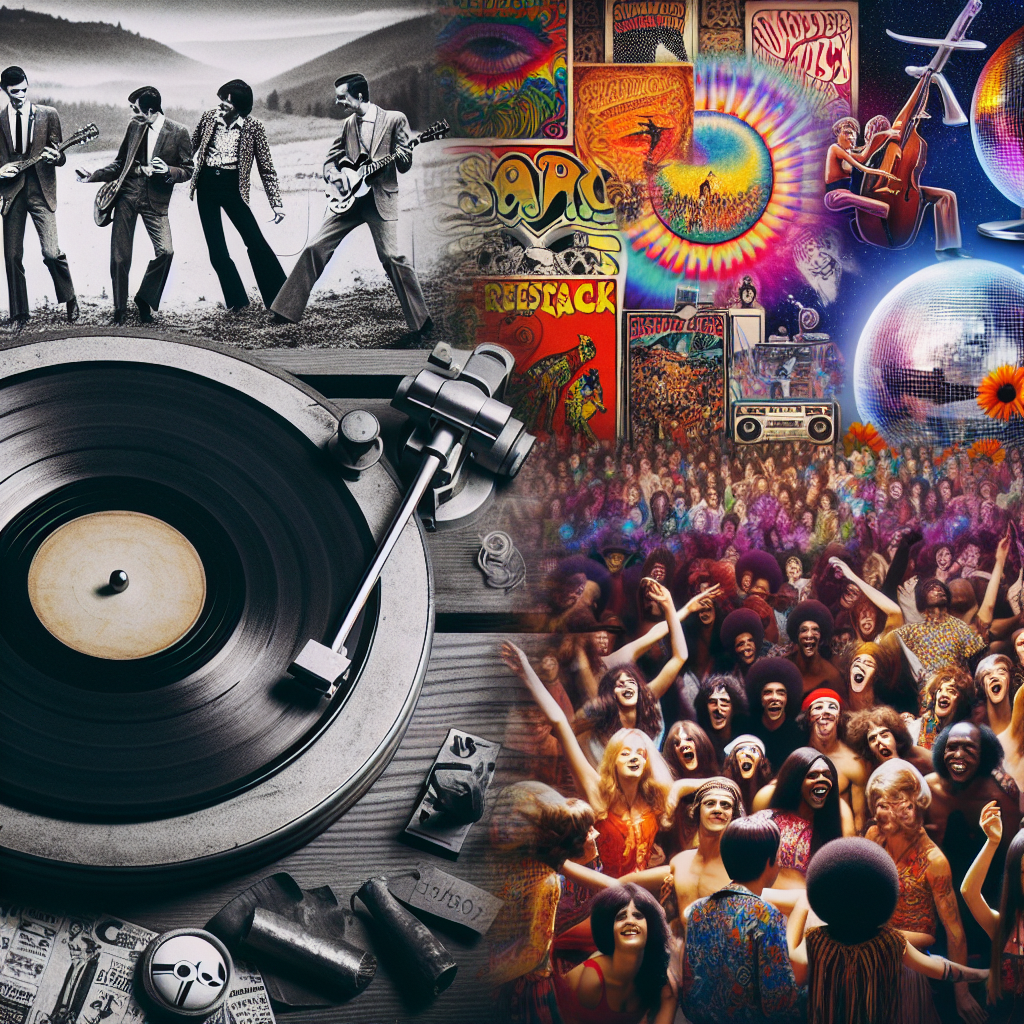
Music festivals have played a significant role in shaping the culture of the 1960s and 1970s. One of the most iconic festivals of that era was Woodstock, which took place in August 1969 in upstate New York. Woodstock brought together hundreds of thousands of people to celebrate music, peace, and love. It featured legendary performances by artists such as Jimi Hendrix, Janis Joplin, and The Who.

Woodstock was more than just a music festival; it was a cultural phenomenon that had a lasting impact on society. The festival promoted unity and acceptance among people from different backgrounds. It showcased the power of music to bring people together and inspire positive change.

Politicians at the time were also influenced by the spirit of Woodstock. Many politicians embraced the counterculture movement and its values of peace and love. They saw the potential for music festivals to be platforms for social and political activism. Music became a powerful tool for expressing dissent and advocating for change.

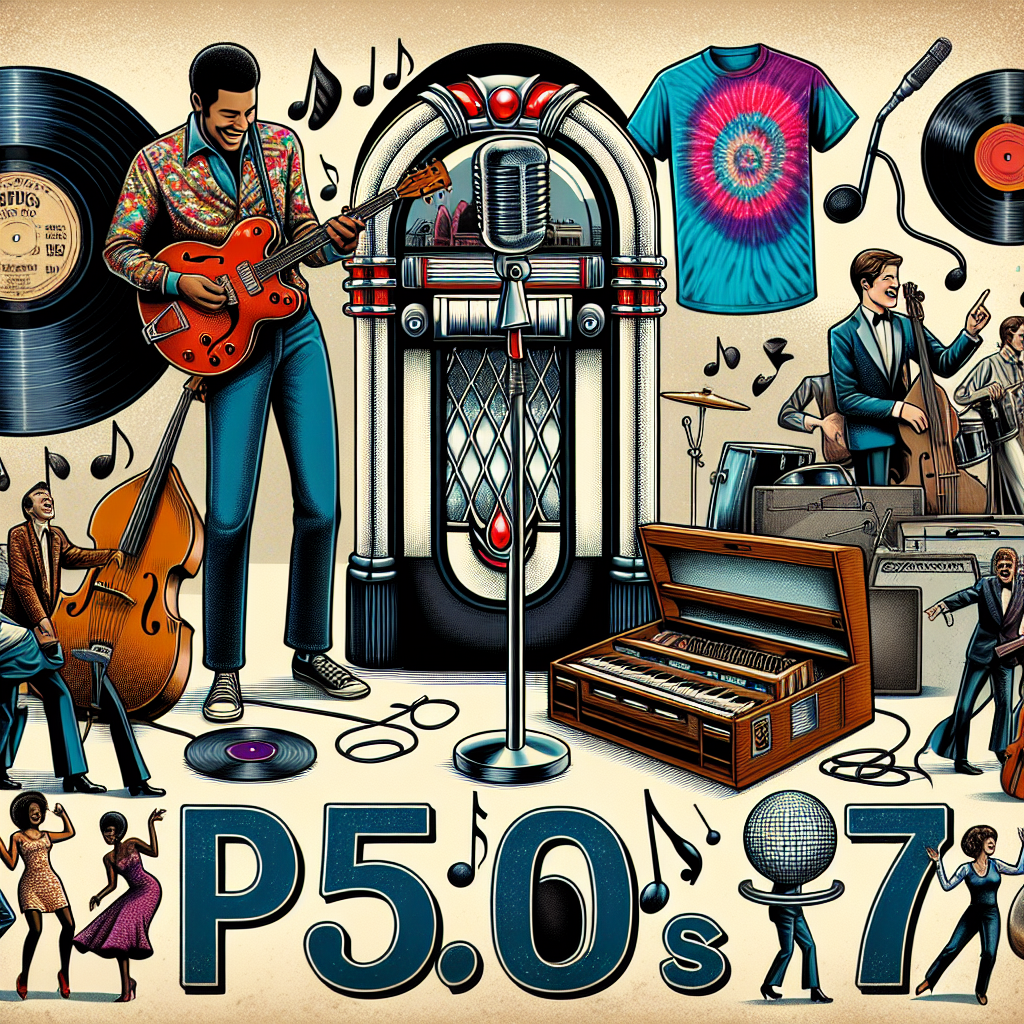
Music festivals in the 60s and 70s also had a significant impact on fashion trends. The bohemian style popularized at Woodstock became synonymous with the hippie movement. Bell-bottom jeans, tie-dye shirts, fringe vests, and flower crowns were all staples of festival fashion during this time.

Technology also played a role in shaping music festivals in the 60s and 70s. The advent of sound systems capable of amplifying music to large crowds allowed for bigger and more elaborate productions. Advances in lighting technology made it possible to create immersive visual experiences that complemented the music performances.

Overall, music festivals in the 60s and 70s had a profound impact on society. They brought people together, inspired social change, influenced fashion trends, and pushed technological boundaries. These festivals were more than just entertainment; they were cultural movements that helped define an era.

The Top Hits of the 50’s, 60’s, and 70’s: A Nostalgic Trip Down Memory Lane

Do you ever find yourself longing for the good old days when music was pure, culture was vibrant, politicians were respected, fashion was iconic, and technology was just starting to revolutionize our world? If so, then you’re in for a treat as we take a nostalgic trip down memory lane with the top hits of the 50’s, 60’s, and 70’s.

Music

The music of these decades is truly timeless. From the smooth crooners of the 50’s like Frank Sinatra and Elvis Presley to the psychedelic sounds of the 60’s with bands like The Beatles and The Rolling Stones, and finally to the disco beats of the 70’s with artists like Donna Summer and Bee Gees – there is something for everyone to enjoy. These songs bring back memories of simpler times when music had a way of bringing people together.

Culture

The culture of these decades was rich and diverse. From civil rights movements in the 50’s and 60’s to women’s liberation in the 70’s, there was a sense of progress and change in the air. People were more connected to each other and their communities, which fostered a sense of unity that is often missing in today’s fast-paced world.

Politicians

In these decades, politicians were seen as leaders who worked for the betterment of society. They were respected figures who inspired hope and change. From John F. Kennedy in the 60’s to Ronald Reagan in the 80’s, these leaders left a lasting impact on our nation that is still felt today.

Fashion

Fashion in these decades was bold and iconic. From poodle skirts and leather jackets in the 50’s to bell-bottoms and tie-dye shirts in the 60’s and platform shoes and disco suits in the 70’s – people expressed themselves through their clothing in ways that are still remembered fondly today.

Technology

Technology was just starting to make its mark on society during these decades. From black-and-white TVs in the 50’s to color TVs in the 60’s and personal computers in the 70’s – people were amazed by how quickly things were changing around them. This sense of wonder at new innovations helped fuel creativity and innovation throughout these decades.

As we look back on these incredible decades, it is clear that they hold a special place in our hearts. The music, culture, politicians, fashion, and technology of this time period all come together to create a unique experience that will always be cherished by those who lived through it.

So let us take a moment to appreciate all that these decades have given us – from unforgettable songs to groundbreaking social movements – as we continue on our journey through life with a renewed sense of nostalgia for days gone by.

Top Hits of the 50’s, 60’s, and 70’s: A Nostalgic Trip Down Memory Lane

As we look back on the top hits of the 50’s, 60’s, and 70’s, we can’t help but feel a sense of nostalgia for a time when music was king, culture was thriving, politicians were making history, fashion was bold and innovative, and technology was rapidly advancing. These decades were truly a golden age in many ways, and the music that came out of this era continues to resonate with us today.

The Music

The music of the 50’s, 60’s, and 70’s was diverse and groundbreaking. From the rock ‘n’ roll sounds of Elvis Presley and Chuck Berry to the soulful tunes of Aretha Franklin and Marvin Gaye, there was something for everyone to enjoy. The Beatles revolutionized the music industry in the 60’s with their catchy melodies and innovative songwriting, while artists like Bob Dylan and Joni Mitchell pushed boundaries with their poetic lyrics.

The Culture

These decades were a time of great social change and cultural upheaval. The civil rights movement of the 50’s and 60’s paved the way for greater equality for all Americans, while the feminist movement of the 70’s challenged traditional gender roles. The counterculture movement of the 60’s brought about a new wave of artistic expression and political activism that continues to influence our society today.

The Politicians

The political landscape of these decades was marked by both progress and turmoil. Leaders like John F. Kennedy inspired a generation with his vision of a brighter future, while figures like Richard Nixon faced backlash for their controversial policies. The civil rights movement saw leaders like Martin Luther King Jr. fighting for justice and equality, while activists like Gloria Steinem worked to empower women across the country.

The Fashion

Fashion in the 50’s, 60’s, and 70’s was bold, colorful, and iconic. From poodle skirts and saddle shoes to mini skirts and bell-bottoms, each decade had its own unique style that continues to inspire designers today. Icons like Audrey Hepburn and Twiggy set trends with their chic looks, while musicians like David Bowie pushed boundaries with their flamboyant costumes.

The Technology

Advancements in technology during these decades changed the way we live our lives in profound ways. The invention of television brought news and entertainment into households across America, while innovations in space exploration captivated audiences around the world. The rise of computers in the 70’s paved the way for a digital revolution that continues to shape our society today.

Looking back on these top hits from the past can transport us back to a time when life seemed simpler yet full of endless possibilities. The music spoke to our hearts, the culture challenged our minds, politicians inspired us to make a difference, fashion allowed us to express ourselves creatively, and technology opened up new worlds of opportunity.

While we may never be able to fully recreate these magical decades, we can still appreciate all they have given us and continue to draw inspiration from their timeless legacy.

Behind the Hits: Stories Behind Some of the Biggest Songs from the Golden Age of Music

As we look back on the Golden Age of Music, we can’t help but marvel at the incredible songs that have stood the test of time. From iconic bands like The Beatles and The Rolling Stones to legendary solo artists like Aretha Franklin and Elvis Presley, the music of this era continues to resonate with audiences around the world.

But what many people may not realize is that behind every hit song lies a fascinating story. From the inspiration behind the lyrics to the recording process in the studio, there are countless tales of creativity, passion, and innovation that have shaped some of the biggest songs in music history.

The Influence of Culture

One of the key factors that contributed to the success of many songs from this era was their ability to tap into the cultural zeitgeist. Artists like Bob Dylan and Joni Mitchell were able to capture the spirit of their generation through their poignant lyrics and soulful melodies, addressing social issues such as civil rights, war, and love in a way that resonated with listeners.

The Role of Politicians

Politicians also played a significant role in shaping the music of this era. Songs like John Lennon’s “Imagine” and Marvin Gaye’s “What’s Going On” were direct responses to political events and movements, reflecting a sense of activism and social consciousness that was prevalent during this time.

The Impact of Fashion

Fashion also played a crucial role in defining the sound and style of many artists from this era. From The Supremes’ glamorous gowns to David Bowie’s eccentric costumes, fashion was used as a tool for self-expression and identity, helping artists connect with their audiences on a deeper level.

The Influence of Technology

Advancements in technology also had a profound impact on music during this era. The introduction of electric guitars, synthesizers, and recording equipment allowed artists to experiment with new sounds and techniques, pushing the boundaries of what was possible in terms of musical innovation.

A Positive Outlook

Despite all these external influences, one thing remains clear: at the heart of every great song is a talented musician or songwriter who poured their heart and soul into creating something truly special. Whether it’s a catchy pop tune or an emotional ballad, each song has the power to transport us back in time and evoke memories and emotions that we hold dear.

So let’s celebrate the music of the Golden Age for what it truly is: a testament to human creativity, resilience, and passion. Let’s continue to cherish these timeless classics for generations to come, knowing that they will always hold a special place in our hearts.

The Evolution of Rock ‘n’ Roll: A Look Back at the Music of the 50’s, 60’s, and 70’s

Rock ‘n’ roll music has played a significant role in shaping the culture and society of the 20th century. From its humble beginnings in the 1950s to its peak popularity in the 1960s and 70s, rock ‘n’ roll has evolved and transformed alongside changes in technology, fashion, and politics.

During the 1950s, rock ‘n’ roll emerged as a new genre of music that combined elements of rhythm and blues, country, and gospel. Artists like Elvis Presley, Chuck Berry, and Little Richard became household names with their energetic performances and catchy tunes. The music spoke to a generation of young people who were looking for something different from the mainstream pop songs of the time.

As rock ‘n’ roll grew in popularity throughout the 1960s, it became intertwined with the counterculture movement that was sweeping across America. Bands like The Beatles, The Rolling Stones, and The Doors used their music to express social and political messages that resonated with their fans. Songs like “Imagine” by John Lennon and “Fortunate Son” by Creedence Clearwater Revival became anthems for a generation that was questioning authority and seeking change.

Politicians also took notice of the power of rock ‘n’ roll music during this time. Some politicians tried to censor or ban certain songs or artists due to their controversial lyrics or messages. However, many musicians stood up against censorship and fought for their right to freedom of expression through their music.

Rock ‘n’ roll also had a significant impact on fashion trends during the 1960s and 70s. Artists like Jimi Hendrix and Janis Joplin became known for their bold style choices on stage, inspiring fans to embrace individuality and self-expression through clothing. Bell-bottom jeans, tie-dye shirts, fringe jackets, and platform shoes all became popular fashion staples thanks to rock ‘n’ roll icons.

Advancements in technology also played a role in the evolution of rock ‘n’ roll music during this time. The invention of electric guitars, amplifiers, synthesizers, and recording equipment allowed musicians to experiment with new sounds and create innovative music that pushed boundaries. Rock bands began incorporating psychedelic effects, feedback loops, distortion pedals, and other electronic elements into their songs.

Looking back at the evolution of rock ‘n’ roll from the 1950s through the 1970s is an inspiring journey through a transformative period in history. The music not only entertained audiences but also challenged societal norms, sparked political debates, influenced fashion trends, and pushed technological boundaries.

As we reflect on this era of rock ‘n’ roll music today, we can see how it continues to inspire artists across different genres and generations. The legacy of artists like Elvis Presley, The Beatles, Jimi Hendrix, Led Zeppelin, Pink Floyd,and many others lives on through their timeless songs that have stood the test of time.

In conclusion,the evolution of rock ‘n’ roll from the 1950s through the 1970s is a testament to the power of music as a force for cultural change,political activism,fashion trends,and technological innovation.It’s impact will continue to be felt for generations to come as new artists are inspired by these trailblazing pioneers.Thank you for joining me on this journey back in time!

Top Hits of the 50’s, 60’s, and 70’s: A Nostalgic Journey Through Time

As we look back on the top hits of the 50’s, 60’s, and 70’s, we can’t help but feel a sense of nostalgia for a time when music, culture, fashion, and technology were all rapidly evolving. These decades were filled with iconic songs that have stood the test of time and continue to be beloved by generations old and new.

Music

The music of the 50’s was characterized by rock and roll pioneers like Elvis Presley, Chuck Berry, and Little Richard. Their energetic performances and catchy tunes captured the hearts of young people around the world. In the 60’s, we saw the rise of bands like The Beatles, The Rolling Stones, and The Beach Boys who revolutionized the sound of popular music. The 70’s brought us disco with artists like Donna Summer and ABBA dominating the charts.

Culture

These decades were also a time of great social change. The civil rights movement was in full swing in the 50’s and 60’s, leading to significant advances in racial equality. The counterculture movement of the late 60’s challenged traditional norms and values, paving the way for greater acceptance of diversity and individuality. In the 70’s, feminism gained momentum as women fought for equal rights in all areas of society.

Politicians

The political landscape of these decades was also marked by significant events. In the 50’s, President Dwight D. Eisenhower led America through a period of economic prosperity known as the “Eisenhower Era.” The turbulent 60’s saw John F. Kennedy become president before his tragic assassination in 1963. Richard Nixon took office in 1969 but resigned in disgrace following the Watergate scandal in the early 70’s.

Fashion

Fashion trends evolved rapidly throughout these decades. In the 50’s, poodle skirts and letterman jackets were all the rage among teenagers while women embraced full skirts and cinched waists inspired by Dior’s “New Look.” The swinging sixties brought us mini skirts, bell-bottoms, tie-dye shirts, and go-go boots as people embraced bold colors and patterns. In the 70’s, disco fashion reigned supreme with platform shoes, jumpsuits, and polyester fabrics dominating runways.

Technology

The advancements in technology during these decades were truly groundbreaking. Inventions like television sets became commonplace in American households during the 50’s while color TV made its debut in the late 60’s. The space race captured imaginations as NASA successfully landed astronauts on the moon in July 1969. Personal computers began to emerge in the early 70’s with companies like IBM leading the way towards a digital future.

Looking back on these top hits from yesteryear is a reminder of how far we’ve come as a society. Despite facing challenges along the way, we have continued to evolve and grow thanks to our shared love of music, culture, fashion, politics,and technology.

Remembering Motown: A Tribute to the Legendary Artists of the 50’s, 60’s, and 70’s

As we look back on the music of the 50’s, 60’s, and 70’s, one genre stands out as a true testament to the power of music to shape culture and transcend boundaries – Motown. The legendary artists of Motown paved the way for future generations and left an indelible mark on the world of music.

The Music

Motown was more than just a record label – it was a sound, a feeling, a movement. Artists like Marvin Gaye, Diana Ross, and The Temptations created timeless hits that continue to resonate with audiences today. Their soulful voices and catchy melodies captured the essence of an era and inspired countless musicians to follow in their footsteps.

The Culture

Motown not only revolutionized music but also played a significant role in shaping American culture. In an era marked by racial tensions and social upheaval, Motown brought people together through the universal language of music. Its message of love, unity, and empowerment resonated with audiences of all backgrounds and continues to do so today.

The Politicians

Even politicians recognized the power of Motown. Artists like Stevie Wonder and Smokey Robinson used their platform to advocate for social change and civil rights. Their music became anthems for movements fighting for equality and justice, inspiring millions to stand up for what they believe in.

The Fashion

Not only did Motown influence music and culture, but it also had a significant impact on fashion. The sleek suits, glamorous gowns, and signature hairstyles of Motown artists became iconic symbols of style and sophistication. Their influence can still be seen on runways around the world today.

The Technology

Motown was at the forefront of technological innovation in the music industry. Its founder, Berry Gordy Jr., pioneered new recording techniques that revolutionized the way music was produced and distributed. From innovative studio equipment to cutting-edge marketing strategies, Motown set the standard for excellence in the industry.

In conclusion, Remembering Motown is not just about nostalgia – it is a celebration of a musical legacy that continues to inspire us today. From its groundbreaking sound to its enduring impact on culture, politics, fashion, and technology, Motown remains a shining example of what can be achieved through creativity and passion. So let us remember these legendary artists with gratitude and appreciation for all they have given us.

Soulful Sounds: The Rise of R&B and Soul in the 50’s and 60’s

During the 1950s and 1960s, a new genre of music emerged that would captivate audiences around the world – R&B and Soul. This genre of music not only changed the way people listened to music, but it also had a profound impact on culture, fashion, and even politics.

One of the key factors in the rise of R&B and Soul music was the changing landscape of American society. The civil rights movement was gaining momentum, and African Americans were fighting for equality and representation in all aspects of society. Music became a powerful tool for expressing these struggles and aspirations, with artists like Ray Charles, Aretha Franklin, and Sam Cooke using their voices to advocate for social change.

Politicians also took notice of the power of R&B and Soul music. Artists like Marvin Gaye’s “What’s Going On” became anthems for peace and unity during a time of political unrest. These songs inspired a generation to stand up against injustice and fight for a better future.

But it wasn’t just the lyrics that made R&B and Soul music so influential – it was also the sound. The smooth melodies, powerful vocals, and infectious rhythms captivated listeners from all walks of life. People couldn’t help but dance to the soulful sounds coming from their radios.

And as the music evolved, so did the fashion. Artists like Diana Ross and James Brown became style icons, influencing trends with their bold outfits and glamorous stage presence. The fashion industry took note, incorporating elements of R&B style into their designs.

Technology also played a role in the rise of R&B and Soul music. The invention of new recording techniques allowed artists to experiment with different sounds and create innovative new tracks. This led to an explosion of creativity in the industry, with musicians pushing boundaries and redefining what was possible in music.

Overall, the rise of R&B and Soul music in the 1950s and 1960s was a transformative period in musical history. It brought people together, inspired social change, and paved the way for future generations of artists to make their mark on the world.

So next time you hear those soulful sounds coming through your speakers, take a moment to appreciate the impact that this genre has had on our culture. Let yourself be swept away by the melodies and rhythms that have stood the test of time – because there’s nothing quite like the power of R&B and Soul.

Revolutionizing Pop Music: The British Invasion of the 60’s

The 1960s were a time of immense change and revolution in the world of music. One of the most significant movements during this era was the British Invasion, where British bands and artists took over the pop music scene in America and beyond. This cultural phenomenon not only transformed the music industry but also had a lasting impact on fashion, technology, and even politics.

At the heart of the British Invasion was a wave of talented musicians who brought a fresh sound to pop music. Bands like The Beatles, The Rolling Stones, and The Who captivated audiences with their catchy tunes and innovative songwriting. Their music was a breath of fresh air in an industry that was dominated by traditional pop acts.

But it wasn’t just their music that made these British bands stand out – it was also their unique sense of style. The Beatles, in particular, were known for their iconic mop-top haircuts and sharp suits, which became synonymous with the mod fashion movement. This new look influenced not only other musicians but also young people around the world who wanted to emulate their idols.

Technology also played a crucial role in revolutionizing pop music during this time. The advent of new recording techniques allowed artists to experiment with different sounds and create more complex arrangements. This led to groundbreaking albums like “Sgt. Pepper’s Lonely Hearts Club Band” by The Beatles, which pushed the boundaries of what was possible in popular music.

Politically, the British Invasion had a significant impact as well. In America, where tensions were high due to civil rights struggles and the Vietnam War, British bands provided an escape for many young people. Their music offered a message of peace and love that resonated with audiences who were looking for hope in turbulent times.

Overall, the British Invasion of the 1960s was a transformative period in pop culture that continues to influence artists to this day. It brought together music, fashion, technology, and politics in a way that had never been seen before. And while some may view it as just another trend in popular music history, its legacy lives on through the countless bands and artists who continue to be inspired by the sounds of this revolutionary era.