Exploring the Influence of Motown on Music in the 60’s and Beyond

When we think of the 1960s, many iconic images and sounds come to mind. From the civil rights movement to the space race, this decade was a time of significant change and innovation in many aspects of society. One area that saw a major transformation during this time was music, with Motown playing a crucial role in shaping the sound of the era.

Motown, also known as Hitsville USA, was founded by Berry Gordy Jr. in Detroit in 1959. The record label quickly became synonymous with soul music and produced some of the biggest hits of the 1960s and beyond. Artists like The Supremes, Marvin Gaye, Stevie Wonder, and The Temptations all got their start at Motown and went on to become legends in the music industry.

One of the key ways that Motown influenced music in the 60s was through its unique sound. The label’s house band, known as The Funk Brothers, created a distinctive style that blended elements of R&B, pop, and gospel music. This sound became known as “The Motown Sound” and had a huge impact on popular music at the time.

But Motown’s influence wasn’t limited to just music – it also had a significant impact on culture, fashion, and even politics. The label helped to break down racial barriers in the music industry by promoting African American artists and bringing their music to a mainstream audience.

In addition to its musical contributions, Motown also played a role in shaping fashion trends of the 60s. Artists like Diana Ross and The Supremes were known for their glamorous style and helped to popularize new trends like bouffant hairstyles and sequined gowns.

Politically, Motown’s influence can be seen in songs like Marvin Gaye’s “What’s Going On,” which addressed issues like poverty, racism, and war. This type of socially conscious music helped to raise awareness about important issues facing society at the time.

Furthermore, technology played a crucial role in Motown’s success during this era. Advances in recording technology allowed for more sophisticated production techniques that helped to create the polished sound that became synonymous with Motown records.

Overall, it is clear that Motown had a lasting impact on music in the 60s and beyond. Its unique sound, groundbreaking artists, and innovative approach to production continue to influence musicians today. From culture to fashion to politics, Motown’s legacy lives on as a testament to the power of music to shape our world for the better.
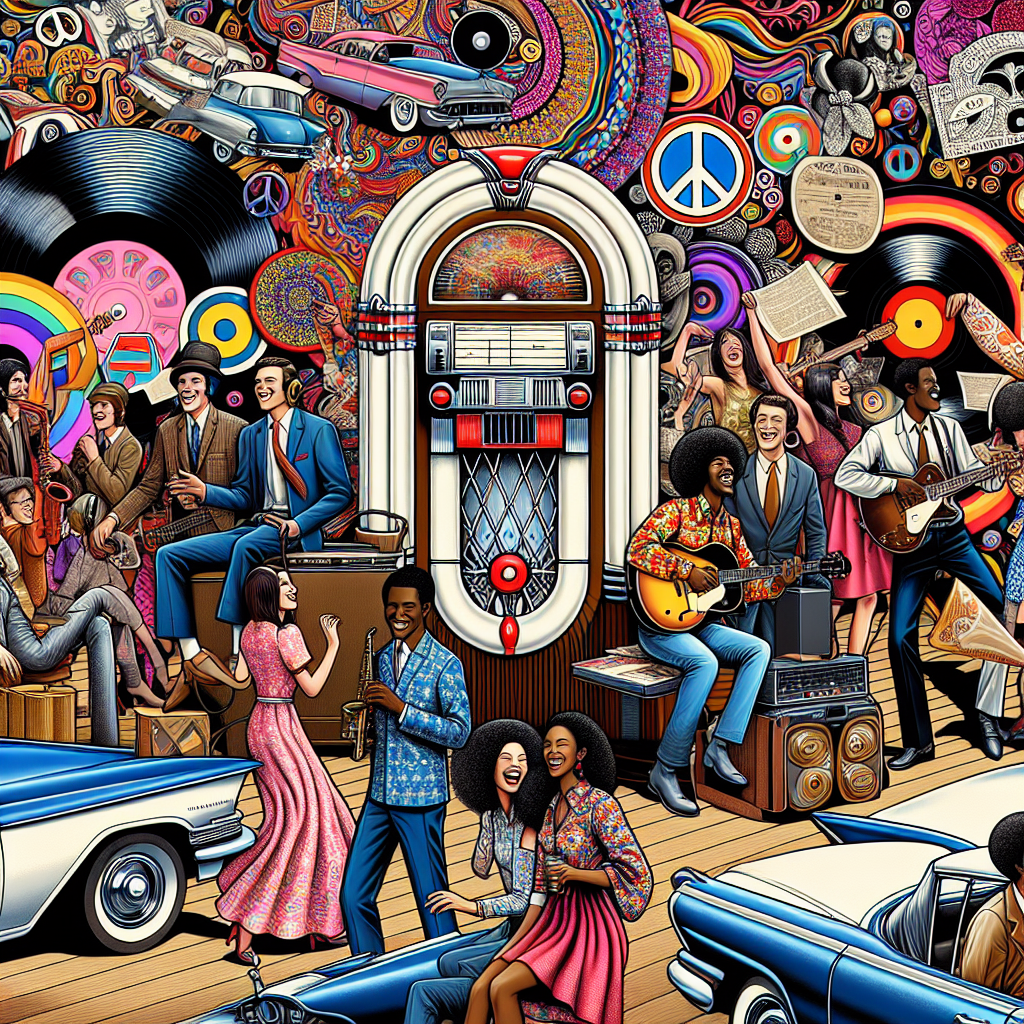
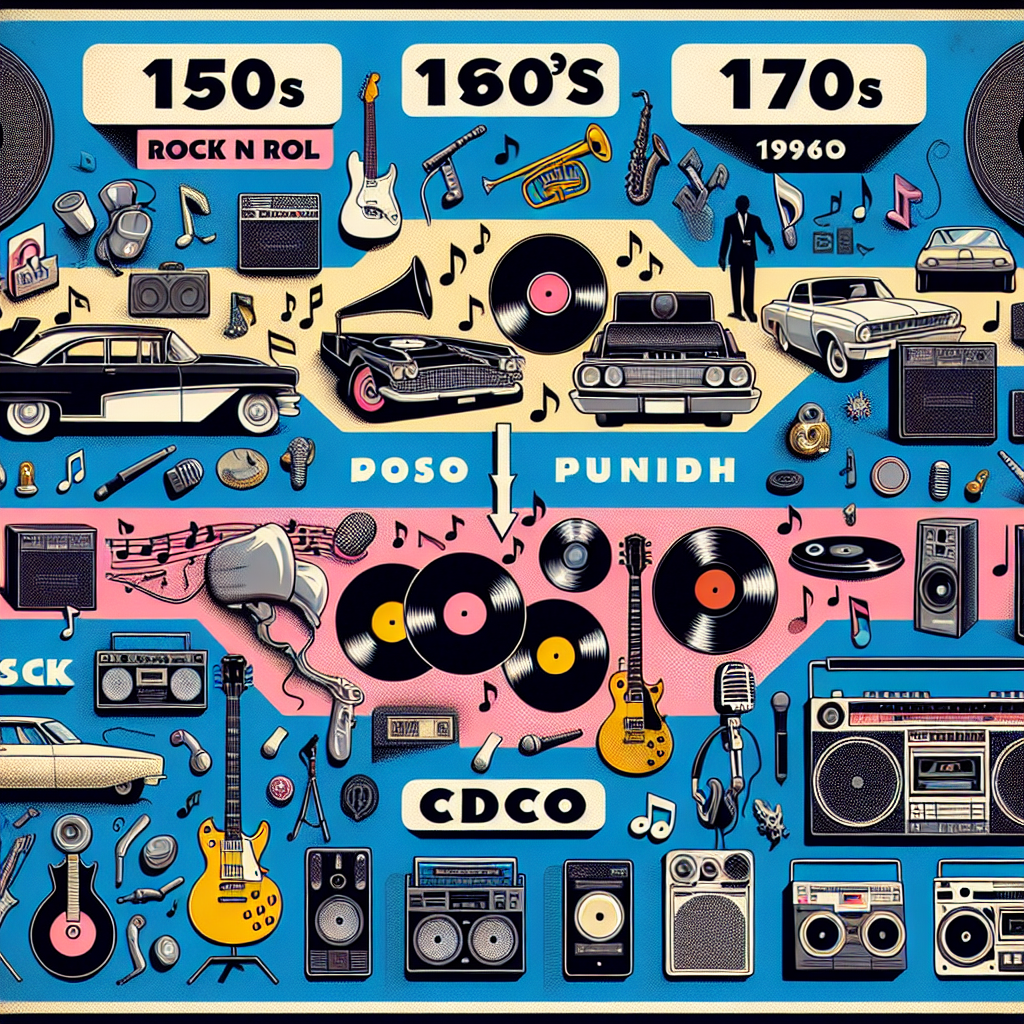
The Evolution of Rock ‘n’ Roll: A Look Back at the Music of the 50’s, 60’s, and 70’s

Rock ‘n’ roll has been a powerful force in shaping culture and society for decades. From its humble beginnings in the 1950s to its explosion in the 1960s and 70s, rock ‘n’ roll has influenced not only music but also fashion, technology, and even politics.

In the 1950s, rock ‘n’ roll emerged as a rebellious form of music that challenged societal norms and values. With artists like Elvis Presley and Chuck Berry leading the way, rock ‘n’ roll became a symbol of youth rebellion and freedom. The music was fast-paced, energetic, and full of raw emotion, reflecting the changing attitudes of post-war America.

As rock ‘n’ roll continued to evolve in the 1960s, it became more than just a genre of music – it became a cultural movement. Bands like The Beatles and The Rolling Stones brought new sounds and ideas to the forefront, pushing boundaries and challenging conventions. The music of this era was psychedelic, experimental, and often politically charged, reflecting the turbulent times of the Vietnam War and Civil Rights Movement.

By the 1970s, rock ‘n’ roll had firmly established itself as a mainstream form of entertainment. With bands like Led Zeppelin and Pink Floyd dominating the airwaves, rock ‘n’ roll had become larger than life. The music was loud, bold, and unapologetic – a reflection of the excesses of the era.

But rock ‘n’ roll wasn’t just about the music – it was also about fashion. In each decade, rock stars pushed boundaries with their style choices, influencing trends both on stage and off. From Elvis’s iconic pompadour to Jimi Hendrix’s psychedelic bell bottoms to David Bowie’s gender-bending glam looks, rock ‘n’ roll fashion has always been ahead of its time.

Technology also played a crucial role in the evolution of rock ‘n’ roll. In the 1950s, artists used simple recording techniques to capture their sound on vinyl records. By the 1960s and 70s, advancements in recording technology allowed for more complex arrangements and production techniques. Artists were able to experiment with new sounds and create groundbreaking albums that pushed the boundaries of what was possible.

Even politicians couldn’t ignore the influence of rock ‘n’ roll. Throughout its history, politicians have tried to co-opt or censor rock music for their own purposes. From Elvis being drafted into military service to John Lennon being monitored by the FBI for his anti-war activism to Tipper Gore’s crusade against explicit lyrics in rap music – politicians have always had a complicated relationship with rock ‘n’ roll.

Despite these challenges, rock ‘n’ roll has endured as a powerful force for change and self-expression. It continues to inspire generations of musicians and fans alike with its rebellious spirit and infectious energy.

As we look back at the evolution of rock ‘n’ roll from the 1950s through the 1970s, we can see how this music has shaped our culture in profound ways. It has challenged norms, broken down barriers, and given voice to those who feel marginalized or oppressed.

So let’s celebrate this incredible journey through time – from Elvis shaking his hips on stage to Led Zeppelin rocking out at Madison Square Garden – because without rock ‘n’ roll, our world would be a much duller place.

The Rise of Psychedelic Rock: Exploring the Experimental Sounds of the Late 60’s

Psychedelic rock emerged in the late 1960s as a revolutionary genre that combined traditional rock music with experimental sounds, creating a unique and mind-altering listening experience. The rise of psychedelic rock was not only a musical phenomenon but also reflected the changing cultural landscape of the time.

During the late 60s, there was a growing sense of disillusionment with mainstream culture and politics. The Vietnam War was raging on, civil rights movements were gaining momentum, and young people were searching for alternative ways to express themselves. Psychedelic rock provided an outlet for this desire for change, with its trippy lyrics, distorted guitar riffs, and unconventional song structures.

Politicians and conservative groups often criticized psychedelic rock for its association with drug use and countercultural movements. However, many artists saw it as a way to push boundaries and challenge societal norms. Bands like The Beatles, Pink Floyd, and Jefferson Airplane used their music to explore themes of consciousness expansion, spirituality, and social justice.

Psychedelic rock also had a significant impact on fashion during this time. Bright colors, paisley patterns, bell-bottom pants, and fringe jackets became popular among fans of the genre. The music’s psychedelic imagery inspired artists to create visually stunning album covers and concert posters that reflected the dream-like quality of the music.

Advancements in technology played a crucial role in shaping the sound of psychedelic rock. Artists experimented with new recording techniques, such as tape loops and reverb effects, to create otherworldly atmospheres in their music. Electric guitars became more prominent in this genre, producing distorted tones that added to the overall psychedelic experience.

Despite its controversial reputation, psychedelic rock continues to influence musicians today. Its legacy can be heard in genres like shoegaze, indie rock, and electronic music. Bands like Tame Impala and MGMT have drawn inspiration from the experimental sounds of the late 60s while putting their own modern twist on it.

In conclusion, the rise of psychedelic rock in the late 1960s marked a turning point in music history. It challenged conventions, pushed boundaries, and provided a soundtrack for social change. While it may have been met with resistance from politicians and conservative groups at the time, its impact on culture cannot be denied. Psychedelic rock remains a symbol of creativity and experimentation that continues to inspire artists across generations.

The Evolution of Rock ‘n’ Roll: A Look Back at the Music of the 50’s, 60’s, and 70’s

Rock ‘n’ Roll has been a driving force in the music industry for decades, shaping not only the sounds we hear but also the culture and fashion of the times. From its humble beginnings in the 1950s to its peak popularity in the 1970s, rock ‘n’ roll has evolved and changed with each passing decade.

In the 1950s, rock ‘n’ roll emerged as a new genre of music that combined elements of rhythm and blues, country, and gospel. Artists like Elvis Presley, Chuck Berry, and Little Richard became household names, capturing the hearts of teenagers across America. The music was rebellious and energetic, reflecting the changing attitudes of post-World War II youth.

As rock ‘n’ roll continued to grow in popularity throughout the 1960s, it began to take on a more psychedelic and experimental tone. Bands like The Beatles, The Rolling Stones, and The Doors pushed boundaries with their innovative sound and lyrics. Politicians and parents alike were often critical of this new wave of music, fearing its influence on young people.

Despite this backlash, rock ‘n’ roll continued to thrive in the 1970s as artists embraced a more diverse range of styles and influences. The rise of technology allowed for greater experimentation in sound production, leading to iconic albums like Pink Floyd’s “The Dark Side of the Moon” and Led Zeppelin’s “Stairway to Heaven.”

Not only did rock ‘n’ roll shape the music scene of these decades, but it also had a profound impact on culture and fashion. Musicians became style icons, influencing trends with their bold outfits and hairstyles. Fans emulated their favorite artists by dressing in leather jackets, bell-bottom jeans, and platform shoes.

Politicians often tried to censor or control rock ‘n’ roll due to its perceived subversive nature. However, many artists used their platform to speak out against social injustices and political corruption. Songs like Bob Dylan’s “Blowin’ in the Wind” and John Lennon’s “Imagine” became anthems for peace and equality.

Despite facing criticism from some quarters, rock ‘n’ roll continued to push boundaries and break down barriers throughout these decades. It brought people together through a shared love of music while inspiring change and revolutionizing popular culture.

Looking back at the evolution of rock ‘n’ roll from the 1950s through the 1970s is a reminder of how powerful music can be in shaping society. It serves as a testament to the creativity and passion of artists who dared to challenge conventions and pave their own path.

As we continue into the future, let us remember the legacy of rock ‘n’ roll and its enduring influence on our lives. Let us celebrate its ability to unite us through song while pushing us to think critically about our world.

Woodstock and Beyond: The Legacy of Music Festivals in the 60’s and 70’s

Woodstock and other music festivals of the 1960s and 1970s left an indelible mark on our culture that continues to resonate today. These events were more than just concerts; they were a reflection of the social and political climate of the time, as well as a celebration of music, fashion, and technology.

Music played a central role in these festivals, with iconic performances by legendary artists such as Jimi Hendrix, Janis Joplin, The Who, and Crosby, Stills, Nash & Young. The music of this era was a powerful force for change, with songs that spoke out against war, racism, and social injustice. It brought people together in a way that transcended boundaries and united them in a common cause.

Culture was also front and center at these festivals, with attendees embracing new ideas and ways of thinking. The hippie movement was in full swing during this time, promoting peace, love, and unity. People experimented with drugs like LSD and marijuana as a way to expand their consciousness and connect with others on a deeper level.

Politicians took notice of the influence these festivals had on young people and began to pay attention to their concerns. The youth counterculture became a powerful force for change, leading to movements like civil rights and women’s liberation. Politicians started to listen to their constituents’ demands for equality and justice.

Fashion also played a significant role in defining the look of the era. Bell-bottom jeans, tie-dye shirts, fringe vests, and flower crowns were all popular choices among festival-goers. People expressed themselves through their clothing choices, embracing individuality and creativity.

Technology was another key player in shaping the legacy of these festivals. Advances in sound equipment allowed for larger crowds to enjoy live music performances without sacrificing quality. The introduction of color television brought these events into people’s living rooms around the world.

Overall, the legacy of Woodstock and other music festivals from the 1960s and 1970s is one of positivity and hope. These events served as a catalyst for change in society by bringing people together through music, culture, fashion, politics, and technology. They continue to inspire new generations to push boundaries and challenge the status quo.

The Rise of Protest Songs in the 1960s: How Music Reflected Social Change

The 1960s was a decade of immense social change and upheaval. From the civil rights movement to the anti-Vietnam War protests, people around the world were demanding change and challenging the status quo. And one of the most powerful tools they used to express their discontent and call for action was music.

Music has always had the power to reflect and shape culture, and in the 1960s, it played a crucial role in giving voice to the growing social movements of the time. Musicians like Bob Dylan, Joan Baez, and Pete Seeger wrote songs that spoke directly to the issues of the day, from racial injustice to war and peace.

These protest songs became anthems for a generation seeking change. They were played at rallies and marches, sung around campfires and in living rooms. They captured the anger, frustration, and hope of a generation that believed in a better world.

Politicians may have been slow to respond to these calls for change, but music helped galvanize public opinion and push for action. Songs like “Blowin’ in the Wind” by Bob Dylan or “We Shall Overcome” by Pete Seeger became rallying cries for those fighting for civil rights.

Fashion also played a role in this cultural revolution. The hippie movement embraced tie-dye shirts, bell-bottom jeans, and long hair as symbols of rebellion against mainstream society. This countercultural style went hand in hand with the protest music of the era, creating a unified front against injustice.

Technology also played a key role in spreading these protest songs far and wide. The rise of radio and television meant that these songs could reach millions of people across the country and even around the world. This helped amplify their message and build solidarity among those fighting for change.

Looking back on this era of protest songs, it’s clear that music had a profound impact on shaping social change. It gave voice to those who felt marginalized or oppressed, inspired people to take action, and brought communities together in solidarity.

Today, we can still see echoes of this era in modern protest music. Artists like Kendrick Lamar or Beyoncé continue to use their platform to speak out against injustice and call for change. Their music serves as a reminder that art has always been intertwined with politics and activism.

So let’s celebrate the legacy of protest songs from the 1960s. Let’s remember how music can be a powerful force for good in our society. And let’s continue to support artists who use their voices to shine a light on important issues facing our world today.

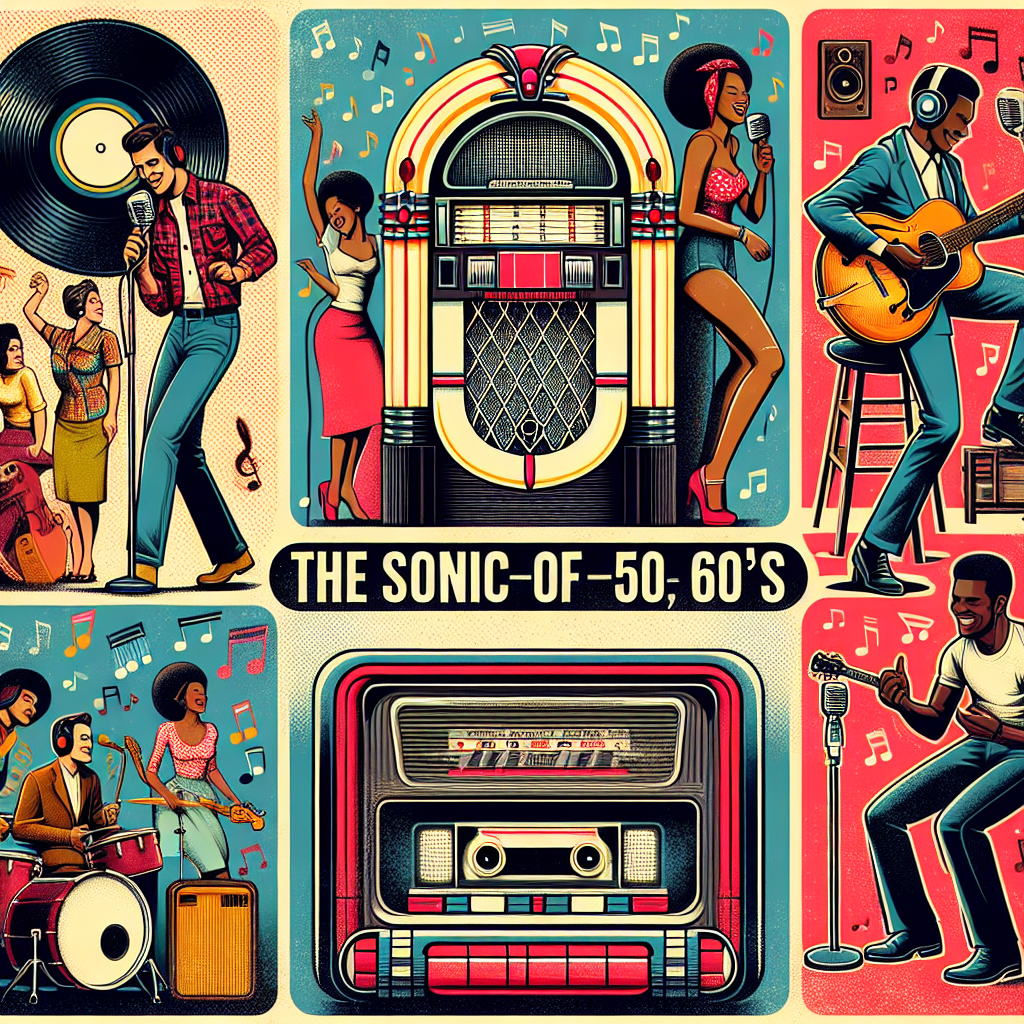
The Soundtrack of a Generation: How Music Defined the Cultural Movements of the 50s, 60s, and 70s

Music has always been a powerful force in shaping culture and defining generations. From the rebellious rock ‘n’ roll of the 1950s to the psychedelic sounds of the 1960s and the disco beats of the 1970s, each decade had its own unique soundtrack that reflected the social and political movements of the time.

In the 1950s, music was at the forefront of a cultural revolution. Rock ‘n’ roll emerged as a new genre that challenged traditional values and norms. Artists like Elvis Presley and Chuck Berry became icons of a generation that was breaking free from the constraints of post-war society. The music of this era was rebellious, energetic, and full of attitude – just like the teenagers who embraced it.

As we moved into the 1960s, music continued to play a central role in shaping cultural movements. The rise of folk music with artists like Bob Dylan and Joan Baez gave voice to the civil rights movement and anti-war protests. The Beatles brought their own brand of British invasion to America, sparking a phenomenon known as Beatlemania. Psychedelic rock bands like The Doors and Jefferson Airplane pushed boundaries with their experimental soundscapes, reflecting the counterculture movement that was sweeping across the nation.

By the time we reached the 1970s, music had become even more diverse and influential. Disco ruled the airwaves with artists like Donna Summer and Bee Gees creating dance floor anthems that defined an era of glittering nightlife and hedonistic excess. Meanwhile, punk rock emerged as a raw and unapologetic response to mainstream culture, with bands like The Ramones and Sex Pistols challenging societal norms with their loud guitars and aggressive lyrics.

Throughout these three decades, music not only reflected cultural movements but also helped to shape them. Politicians tried to censor rock ‘n’ roll lyrics they deemed inappropriate, fashion trends were influenced by iconic musicians like Elvis Presley or David Bowie, and technological advancements in recording equipment allowed for new sounds to be created.

Despite these challenges, music continued to thrive as a driving force behind cultural change. It brought people together in times of turmoil, provided an outlet for self-expression, and inspired generations to push boundaries and challenge authority.

Today, we can still see how music continues to define our culture in profound ways. Artists like Beyoncé use their platform to advocate for social justice causes, while genres like hip-hop have become powerful tools for marginalized communities to share their stories with the world.

As we look back on the soundtracks of past generations – from rock ‘n’ roll rebels to disco divas – let’s remember how music has always been more than just entertainment. It has been a mirror reflecting our society’s values, a catalyst for change, and a timeless reminder of what it means to be human.

Revolutionary Songs: How Music Reflected and Shaped Social Change in the 60’s and 70’s

The 1960s and 1970s were a time of immense change and upheaval in American society. From the civil rights movement to the anti-war protests, people were coming together to fight for social justice and equality. Music played a crucial role in reflecting and shaping these movements, with revolutionary songs becoming anthems for change.

Musicians like Bob Dylan, Joan Baez, and Pete Seeger used their music to speak out against injustice and oppression. Their songs became rallying cries for those fighting for civil rights, women’s rights, and an end to the Vietnam War. These artists were able to capture the spirit of the times through their lyrics and melodies, inspiring millions of people to join them in their quest for a better world.

Politicians also took notice of the power of music in shaping social change. Candidates like John F. Kennedy and Lyndon B. Johnson used popular songs in their campaigns to connect with younger voters and convey messages of hope and progress. Music became a tool for politicians to reach out to a new generation of voters who were eager for change.

The culture of the 60s and 70s was heavily influenced by music. Artists like Jimi Hendrix, Janis Joplin, and The Beatles revolutionized not only the sound but also the fashion of the era. Their bold styles and experimental sounds pushed boundaries and challenged societal norms. Music became a way for people to express themselves creatively and push back against conformity.

Technology also played a significant role in shaping music during this time. The invention of new recording techniques allowed artists to experiment with different sounds and create innovative new genres. This technological advancement gave musicians more freedom to express themselves artistically and push boundaries in ways that had never been possible before.

Overall, music in the 60s and 70s reflected the social changes happening around it while also playing a key role in shaping those changes. It provided a voice for those who felt marginalized or oppressed, uniting people from all walks of life in a common cause. Revolutionary songs became anthems for social justice movements, inspiring generations of activists to continue fighting for equality and progress.

From Doo-Wop to Disco: The Diverse Musical Styles of the 50s, 60s, and 70s

Music has always been a powerful force in shaping culture and society. From the doo-wop harmonies of the 1950s to the disco beats of the 1970s, the music of these decades reflected the diverse styles and influences of their respective eras. Let’s take a look at how music evolved during this time period and how it impacted not only the music industry but also fashion, technology, and even politics.

1950s: The Era of Doo-Wop

The 1950s marked a time of post-war prosperity in America, and this optimism was reflected in the music of the era. Doo-wop emerged as a popular genre, characterized by its tight harmonies and catchy melodies. Groups like The Platters and The Drifters dominated the charts with their smooth vocal stylings.

But doo-wop wasn’t just about the music – it also influenced fashion trends with its slicked-back hair and matching suits. Teenagers across America embraced this new style, creating a sense of unity and camaraderie among young people.

1960s: The Rise of Rock ‘n’ Roll

The 1960s brought about a cultural revolution, and music played a central role in shaping this new era. Rock ‘n’ roll exploded onto the scene, with bands like The Beatles and The Rolling Stones leading the charge. Their rebellious attitudes and energetic performances captivated audiences around the world.

Politicians also took notice of the power of music during this time. John F. Kennedy famously invited The Beatles to perform at the White House, recognizing their influence on youth culture. Music became a tool for social change, with artists like Bob Dylan using their lyrics to address important issues such as civil rights and war.

1970s: The Age of Disco

The 1970s saw the rise of disco music, characterized by its infectious grooves and danceable beats. Artists like Donna Summer and Bee Gees topped the charts with their catchy tunes that filled dance floors across America.

But disco wasn’t just about the music – it also had a significant impact on fashion trends. Bell-bottom pants, platform shoes, and glittery outfits became synonymous with disco culture, reflecting its flashy and flamboyant aesthetic.

The Influence of Technology

Advancements in technology also played a key role in shaping the music of these decades. The invention of electric guitars and amplifiers revolutionized rock ‘n’ roll, allowing artists to create louder and more dynamic sounds. Similarly, innovations in recording equipment made it easier for musicians to experiment with different sounds and production techniques.

The rise of television also had a profound impact on music during this time period. Shows like American Bandstand provided a platform for artists to showcase their talents to a national audience, helping to launch careers and introduce new genres to mainstream audiences.

In Conclusion

From doo-wop harmonies to disco beats, the music of the 1950s, 60s, and 70s reflected the diverse styles and influences of their respective eras. These decades were defined by innovation and creativity in both musical expression and cultural trends.

As we look back on this transformative period in musical history, we can appreciate how these songs continue to resonate with audiences today. Whether you’re dancing to your favorite disco tune or singing along to a classic rock anthem, one thing is clear – music has an enduring power to bring people together across generations.

Protest Songs of the Vietnam War Era: How Music Reflected a Generation’s Fears and Hopes

During the turbulent years of the Vietnam War, music played a crucial role in reflecting the fears and hopes of a generation. Protest songs became anthems for those who opposed the war, expressing their frustrations with politicians and their desire for peace. These songs not only captured the cultural zeitgeist of the era but also served as a rallying cry for social change.

Music has always been a powerful tool for social commentary, and during the Vietnam War era, it was no different. Artists such as Bob Dylan, Joan Baez, and Creedence Clearwater Revival used their music to speak out against the war and the government policies that perpetuated it. Their lyrics were poignant and powerful, resonating with audiences who were disillusioned with the actions of their leaders.

One of the most iconic protest songs of this era is “Fortunate Son” by Creedence Clearwater Revival. The song criticizes politicians and wealthy individuals who were able to avoid serving in the war due to their privileged status. With its catchy chorus and scathing lyrics, “Fortunate Son” became an anthem for those who felt betrayed by their government.

In addition to protesting political decisions, many songs from this era also expressed a longing for peace and unity. Songs like “Give Peace a Chance” by John Lennon and “Where Have All the Flowers Gone?” by Pete Seeger called for an end to violence and division. These songs provided comfort and solace to those who were weary of conflict.

Music was not the only aspect of culture that reflected the sentiments of the Vietnam War era. Fashion also played a role in expressing dissent and rebellion. The hippie movement emerged as a countercultural response to mainstream society, with its long hair, tie-dye shirts, and bell-bottom jeans becoming symbols of resistance.

Advancements in technology also influenced music during this time. The rise of portable radios allowed soldiers to listen to music from home while stationed overseas, providing them with a sense of comfort and connection to their roots. Additionally, developments in recording technology made it easier for artists to produce music that could reach larger audiences.

Despite the challenges faced during the Vietnam War era, there was a sense of optimism among many young people. They believed in the power of music to effect change and bring about a better world. Through their protest songs, they sought to inspire others to join them in their fight for peace and justice.

In conclusion, protest songs from the Vietnam War era reflect a generation’s fears and hopes through their powerful lyrics and melodies. Music served as a vehicle for social commentary, expressing discontent with political decisions while also calling for unity and peace. This period in history reminds us of the enduring power of music to inspire change and bring people together.