The British Invasion: How Bands Like The Rolling Stones and The Who Changed American Music in the 60’s

The 1960s were a time of great change in America. The civil rights movement was in full swing, the Vietnam War was escalating, and young people were looking for something new and exciting to latch onto. Enter the British Invasion – a wave of rock bands from across the pond that would forever change American music, culture, and fashion.

Two bands in particular – The Rolling Stones and The Who – played a major role in this cultural shift. With their raw energy, rebellious attitudes, and catchy tunes, they captured the hearts of American teenagers and paved the way for future generations of rock musicians.

The Music

The music of The Rolling Stones and The Who was unlike anything Americans had heard before. It was loud, it was aggressive, and it spoke to the frustrations and desires of a generation coming of age in turbulent times. Songs like “Satisfaction” and “My Generation” became anthems for rebellious youth everywhere.

But it wasn’t just the sound of these bands that made them stand out – it was also their willingness to push boundaries and experiment with new styles. The Rolling Stones incorporated elements of blues and R&B into their music, while The Who embraced a more theatrical approach with their rock operas and concept albums.

The Culture

The impact of The Rolling Stones and The Who went far beyond just music – they also influenced American culture in ways that are still felt today. Their rebellious attitudes challenged traditional norms and inspired young people to question authority and think for themselves.

Politicians at the time were quick to condemn this new wave of British rock bands, but their efforts only served to make them more popular among young fans. In fact, both The Rolling Stones and The Who used their platform to speak out against injustice and advocate for social change.

The Fashion

The members of The Rolling Stones and The Who weren’t just musicians – they were style icons as well. Their bold fashion choices helped define the look of the 1960s counterculture, with skinny jeans, leather jackets, mod suits, and long hair becoming staples of the era.

Fans emulated their idols’ fashion sense by shopping at thrift stores, customizing their own clothes, and experimenting with bold patterns and colors. This DIY approach to fashion became a hallmark of 1960s style – one that continues to influence designers today.

The Technology

The British Invasion coincided with major advancements in technology that would forever change the way music was created and consumed. Electric guitars became more affordable and accessible thanks to companies like Fender and Gibson, while innovations like multitrack recording allowed artists to experiment with new sounds in the studio.

Bands like The Rolling Stones took full advantage of these technological advancements by incorporating them into their music. They experimented with distortion pedals, feedback loops, and other effects to create groundbreaking songs that pushed the boundaries of what was possible in rock music.

In conclusion, it’s clear that bands like The Rolling Stones and The Who had a profound impact on American music, culture, fashion, and technology in the 1960s. Their rebellious spirit, innovative sound, and iconic style continue to inspire artists and audiences alike to this day. It’s safe to say that without the British Invasion, the landscape of American music would be very different indeed. So let’s raise a glass (or guitar) to these pioneering bands for changing the course of musical history and leaving an indelible mark on our hearts. Rock on!

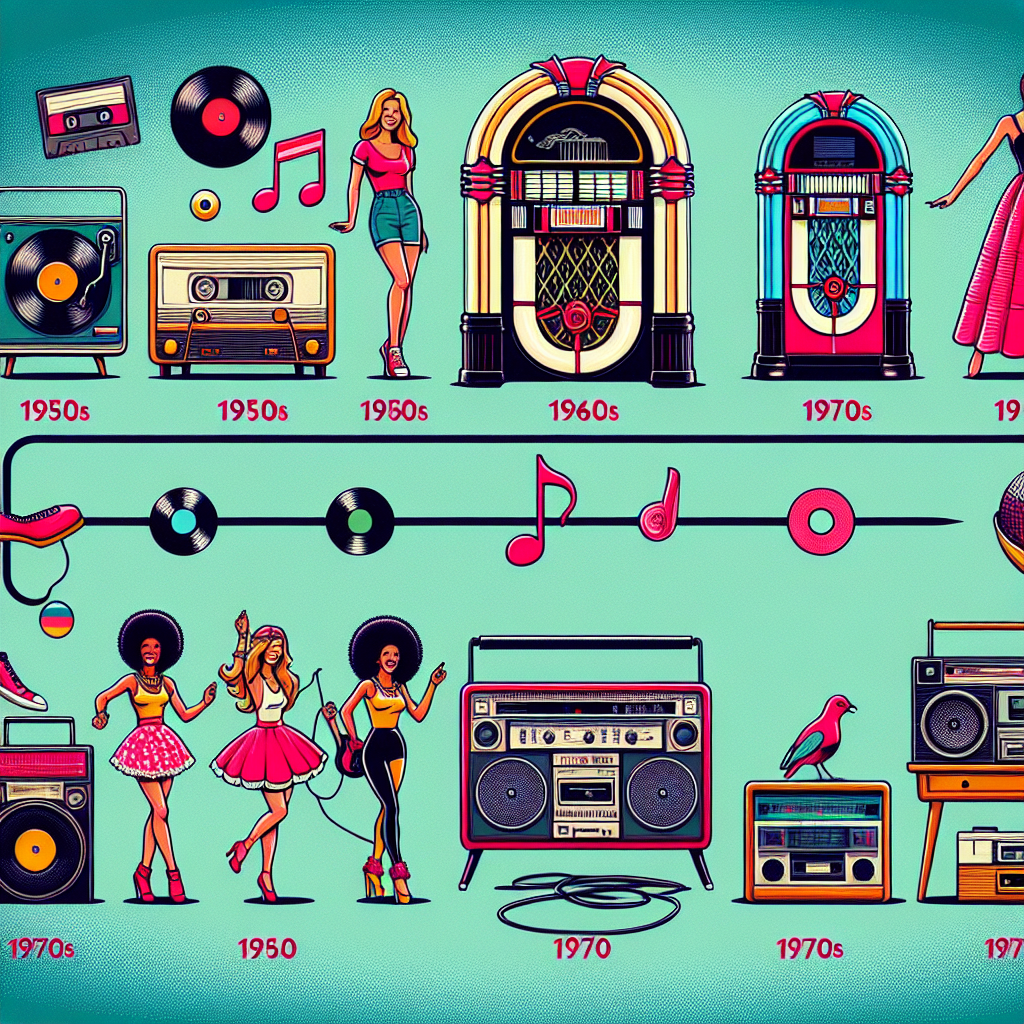
A Musical Journey Through the Decades: Exploring the Evolution of Music from the 50’s, 60’s, and 70’s

Music has always been a powerful tool for expressing emotions, telling stories, and reflecting the culture of a particular time period. As we take a musical journey through the decades, we can see how music has evolved and changed along with society. Let’s explore the music of the 50’s, 60’s, and 70’s and how it has shaped our culture.

The 1950s: A Time of Change

The 1950s were a time of great change in America. The post-World War II era brought about economic prosperity and a sense of optimism for the future. This was reflected in the music of the time, which was characterized by catchy melodies, simple lyrics, and upbeat rhythms.

Artists like Elvis Presley, Chuck Berry, and Buddy Holly dominated the airwaves with their rock ‘n’ roll sound. Their music was rebellious and energetic, capturing the spirit of youth culture at the time. Politicians were quick to condemn this new style of music as immoral and dangerous, but it only made it more popular among young people.

The 1960s: A Decade of Revolution

The 1960s were a decade of social and political upheaval. The civil rights movement, anti-war protests, and counterculture revolution all had a profound impact on music during this time. Artists like Bob Dylan, The Beatles, and Jimi Hendrix used their music to express their views on these important issues.

Music in the 60s became more experimental and diverse, incorporating elements of folk, psychedelic rock, and soul. Fashion also played a big role in shaping the image of musicians during this time – think bell-bottoms, tie-dye shirts, and fringe jackets.

The 1970s: A Time of Disco and Rock

The 1970s saw the rise of disco music with artists like Donna Summer and The Bee Gees dominating the charts. Disco was all about glitz, glamour, and dancing – it was an escape from the troubles of everyday life.

Rock music also continued to evolve in the 70s with bands like Led Zeppelin, Pink Floyd, and Queen pushing boundaries with their epic soundscapes and virtuosic performances. Technology played a big role in shaping music during this decade – think synthesizers, drum machines, and electric guitars.

Looking Ahead

As we look back on these three decades of music history – the 50s, 60s,and 70s – we can see how each era has left its mark on our culture. Music has always been a reflection of society’s values,politics,fashion,and technology trends,and it will continue to evolve as we move forward into the future.

So let’s celebrate the diversity,power,and beautyofmusicasitcontinuesto shapeourworldandbringustogetherinwaysthatnothingelsecan.

Forgotten Gems: Underrated Songs from the Golden Era of Music

When we think of the Golden Era of Music, our minds often drift to the iconic songs and artists that have stood the test of time. However, there are countless underrated gems from this era that deserve recognition for their influence and creativity. These forgotten songs may not have topped the charts or received widespread acclaim, but they hold a special place in music history.

One reason why these underrated songs have been overlooked is due to the changing cultural landscape during this time. The 1960s and 70s were a period of great social upheaval, with politicians clashing over civil rights, Vietnam War protests, and other contentious issues. This tumultuous atmosphere meant that some artists who did not conform to mainstream expectations were often sidelined in favor of more politically charged or commercially successful acts.

Additionally, fashion and technology were rapidly evolving during this era, leading to a shift in musical styles and production techniques. As a result, many innovative and boundary-pushing songs were overshadowed by more mainstream hits that capitalized on these trends.

One such forgotten gem is “Dreams” by Fleetwood Mac. Released in 1977 as part of their iconic album Rumours, this song showcases the band’s unique blend of rock, pop, and folk influences. Despite its haunting melody and poignant lyrics, “Dreams” was never released as a single in the US and therefore did not receive as much attention as other tracks from the album.

Another underrated song from this era is “I Can’t Make You Love Me” by Bonnie Raitt. Originally released in 1991 on her album Luck of the Draw, this heartbreaking ballad has since become a classic among fans of Americana music. Raitt’s soulful vocals combined with the raw emotion of the lyrics make this song a standout example of her talent as both a singer and songwriter.

It’s important to remember these forgotten gems from the Golden Era of Music because they offer us a glimpse into a different time and place. They remind us that there is beauty to be found in obscurity and that true artistry can transcend fleeting trends and commercial success.

So next time you’re creating a playlist or looking for new music to explore, consider delving into the archives of the past to uncover hidden treasures that deserve to be heard once again. Who knows what undiscovered gems you might find?

Exploring the Evolution of Rock ‘n’ Roll: A Look at the Music of the 50’s, 60’s, and 70’s

Rock ‘n’ roll music has been a driving force in shaping culture and society for decades. From its roots in the 1950s to its evolution in the 1960s and 1970s, rock ‘n’ roll has not only influenced the music industry but also impacted fashion, technology, and even politics.

The 1950s: The Birth of Rock ‘n’ Roll

The 1950s marked the birth of rock ‘n’ roll with artists like Elvis Presley, Chuck Berry, and Little Richard leading the way. This era was characterized by energetic performances, catchy melodies, and rebellious lyrics that spoke to a generation looking for something new and exciting.

Rock ‘n’ roll quickly became a cultural phenomenon, influencing everything from dance moves to fashion choices. Teenagers embraced this new style of music as a form of self-expression and rebellion against societal norms.

The 1960s: The Golden Age of Rock ‘n’ Roll

The 1960s saw rock ‘n’ roll reach new heights with bands like The Beatles, The Rolling Stones, and Jimi Hendrix revolutionizing the genre. This era was marked by experimentation and innovation as artists pushed boundaries and challenged traditional musical conventions.

Rock ‘n’ roll became intertwined with political movements as musicians used their platform to speak out against war, racism, and social injustice. Songs like “Blowin’ in the Wind” by Bob Dylan and “Fortunate Son” by Creedence Clearwater Revival became anthems for change.

The 1970s: Rock ‘n’ Roll Goes Mainstream

The 1970s saw rock ‘n’ roll become mainstream with bands like Led Zeppelin, Pink Floyd, and Queen dominating the charts. This era was characterized by larger-than-life performances, elaborate stage productions, and groundbreaking albums that pushed the boundaries of what was possible in music.

Technology played a significant role in shaping the sound of rock ‘n’ roll in the 1970s with advancements in recording equipment allowing for more complex arrangements and production techniques. Artists were able to experiment with new sounds and create innovative music that captivated audiences around the world.

Conclusion

In conclusion, rock ‘n’ roll has had a profound impact on culture, society, fashion, technology, and even politics throughout its evolution from the 1950s to the present day. It has provided a voice for generations of people looking to express themselves creatively or challenge societal norms through music.

As we continue to explore the evolution of rock ‘n’ roll through different eras such as the music of the fifties,sixties,and seventies it is important to recognize its enduring influence on our lives today.This genre continues to inspire artists,break boundaries,and connect people from all walks of life through its powerful message.We can look forward to seeing how rock’n’roll will continue to evolve in future decades while staying true to its roots as a form of expression,rebellion,and creativity that speaks volumes about who we are as individualsand as a society.

Soul Train: A Look at the Influence of R&B and Soul Music in the 70’s

When it comes to music, the 1970s were a decade of innovation and creativity. One genre that truly thrived during this time was R&B and soul music. Artists like Marvin Gaye, Aretha Franklin, and Stevie Wonder dominated the airwaves with their smooth vocals and infectious grooves. But it wasn’t just the music itself that made an impact – it was also the culture, fashion, and technology that surrounded it.

The Influence of R&B and Soul Music

R&B and soul music in the 70s had a profound influence on American culture. The music spoke to the struggles and triumphs of African Americans during this time, giving a voice to those who had been marginalized for so long. Politicians even took notice of the power of this music, using it as a tool to connect with voters and spread messages of hope and unity.

Cultural Impact

One of the most iconic shows that showcased R&B and soul music in the 70s was Soul Train. Hosted by Don Cornelius, Soul Train was a platform for black artists to showcase their talent and reach a wider audience. The show not only featured performances from legendary musicians but also highlighted dance trends and fashion styles that defined the era.

Fashion Trends

The fashion of the 70s was heavily influenced by R&B and soul music. Artists like Diana Ross and Earth, Wind & Fire set trends with their bold colors, bell-bottom pants, platform shoes, and afros. These fashion statements became synonymous with the genre and were embraced by fans around the world.

Technological Advancements

Advancements in technology also played a role in shaping R&B and soul music in the 70s. The introduction of synthesizers allowed artists to experiment with new sounds and create innovative compositions. This led to groundbreaking albums like Stevie Wonder’s “Songs in the Key of Life” which pushed boundaries in terms of production techniques.

In Conclusion

R&B and soul music in the 70s left an indelible mark on American culture. It brought people together through its powerful messages of love, resilience, and empowerment. The influence of this genre can still be felt today in modern music, fashion, and technology.

From Elvis to The Beatles: A Look at the Icons Who Defined Music

When we think of music icons who have left an indelible mark on our culture, two names immediately come to mind: Elvis Presley and The Beatles. These legendary artists not only revolutionized the music industry but also influenced various aspects of society including politics, fashion, and technology.

Elvis Presley, often referred to as the “King of Rock and Roll,” burst onto the music scene in the 1950s with his unique blend of rock, country, and gospel music. His energetic performances and charismatic persona captivated audiences around the world, making him a global sensation. Elvis’ impact on music was unparalleled, as he paved the way for future generations of artists to explore new sounds and styles.

But Elvis’ influence extended beyond just music. His rebellious image challenged societal norms and sparked a cultural revolution. Young people flocked to his concerts, eager to embrace his edgy style and carefree attitude. Elvis’ popularity even caught the attention of politicians, who recognized his ability to connect with voters and shape public opinion.

Similarly, The Beatles took the world by storm in the 1960s with their catchy tunes and infectious charm. This British band quickly became synonymous with the “British Invasion,” a cultural phenomenon that saw British artists dominating the American music charts. The Beatles’ innovative sound and experimental approach to songwriting set them apart from their contemporaries, earning them a devoted fan base that spanned generations.

Like Elvis before them, The Beatles transcended boundaries and inspired a new wave of creativity in popular culture. Their influence could be seen not only in music but also in fashion trends and technological advancements. The band’s distinctive hairstyles and mod clothing became iconic symbols of the Swinging Sixties, while their use of studio techniques revolutionized the way music was recorded and produced.

It’s clear that both Elvis Presley and The Beatles were more than just musicians – they were cultural icons who shaped our understanding of artistry, creativity, and self-expression. Their impact on society continues to resonate today, reminding us of the power of music to unite people across different backgrounds and beliefs.

In conclusion, From Elvis to The Beatles: A Look at the Icons Who Defined Music showcases how these legendary artists influenced not only our musical landscape but also our cultural identity. Their contributions have left an indelible mark on history, inspiring future generations to push boundaries and explore new possibilities in art and entertainment.

Top Hits of the 50’s, 60’s, and 70’s: A Nostalgic Trip Down Memory Lane

Do you ever find yourself longing for the good old days of music, culture, fashion, and technology from the 50’s, 60’s, and 70’s? If so, you’re not alone! These decades were filled with iconic hits that have stood the test of time and continue to evoke feelings of nostalgia in people of all ages.

Let’s take a trip down memory lane and explore some of the top hits from each decade that have left a lasting impact on our society.

The 1950s: A Decade of Rock ‘n’ Roll

The 1950s marked the rise of rock ‘n’ roll music, with artists like Elvis Presley, Chuck Berry, and Little Richard dominating the charts. Hits like “Jailhouse Rock,” “Johnny B. Goode,” and “Tutti Frutti” became instant classics and helped shape the sound of a generation.

During this time, popular culture was heavily influenced by musicians who pushed boundaries and challenged societal norms. The music of the 50’s reflected a sense of rebellion and freedom that resonated with young people around the world.

The 1960s: The Golden Age of Pop

The 1960s brought us some of the most memorable pop hits in history, with bands like The Beatles, The Beach Boys, and The Supremes ruling the airwaves. Songs like “Hey Jude,” “Good Vibrations,” and “Stop! In the Name of Love” captured the hearts of millions and defined an era.

Politically, the 60’s were a time of great change and upheaval. Civil rights movements, anti-war protests, and social revolutions shaped the cultural landscape and inspired musicians to write songs that reflected these turbulent times.

The 1970s: Disco Fever and Classic Rock

The 1970s saw a shift towards disco music with hits like “Stayin’ Alive” by the Bee Gees and “Le Freak” by Chic dominating dance floors across the globe. Meanwhile, classic rock bands like Led Zeppelin, Pink Floyd, and Queen continued to produce timeless anthems that are still beloved today.

Technological advancements also played a significant role in shaping music during this decade. The introduction of synthesizers and drum machines revolutionized sound production techniques and paved the way for new genres to emerge.

A Timeless Legacy

Looking back on these decades reminds us of a simpler time when music was more than just entertainment – it was a reflection of our values, beliefs, and aspirations. From catchy melodies to thought-provoking lyrics, these top hits continue to resonate with audiences around the world.

So why not take a trip down memory lane today? Dust off those old records or fire up your favorite streaming service to rediscover some of the greatest hits from the past. Who knows – you might just find yourself transported back to a time when life was a little bit sweeter.

Revolutionary Women in Music: Female Artists Who Shaped the Sound of

When we think of the history of music, it is often dominated by male voices and figures. However, there have been countless revolutionary women in music who have shaped the sound of culture and influenced not only the industry but also politics, fashion, and technology.

Female Artists Who Shaped the Sound of Music

One such iconic figure is Aretha Franklin, known as the Queen of Soul. Her powerful voice and soulful delivery revolutionized the music industry in the 1960s and beyond. Franklin’s influence can still be heard in today’s music, with artists like Beyoncé citing her as a major inspiration.

Another trailblazer is Madonna, often referred to as the Queen of Pop. Madonna pushed boundaries with her provocative lyrics and performances, challenging societal norms and redefining what it meant to be a female artist in a male-dominated industry.

In more recent years, artists like Beyoncé, Taylor Swift, and Billie Eilish have continued to shape the sound of music with their unique styles and perspectives. These women have used their platforms to advocate for social change and empower other women in the industry.

Influence on Culture

Female artists have not only shaped the sound of music but also had a significant impact on culture as a whole. From challenging gender stereotypes to advocating for LGBTQ rights, these women have used their voices to spark important conversations and bring about change.

Influence on Politics

Music has always had a powerful influence on politics, and female artists have been at the forefront of using their platforms to advocate for social justice issues. Artists like Nina Simone and Joan Baez were instrumental in the civil rights movement, using their music to inspire change and unite communities.

Influence on Fashion

Fashion has always been closely intertwined with music, with many female artists using their style choices to make bold statements. Icons like Grace Jones and Lady Gaga have pushed boundaries with their avant-garde fashion choices, inspiring fans around the world to embrace individuality and self-expression.

Influence on Technology

Technology has played a significant role in shaping the sound of music over the years, from vinyl records to digital streaming platforms. Female artists have embraced new technologies to connect with fans in innovative ways, from live-streamed concerts to interactive social media campaigns.

Overall, revolutionary women in music have had a profound impact on our culture, politics, fashion,

The British Invasion: How Bands Like The Beatles and The Rolling Stones Took America by Storm in the 60’s

The 1960s was a decade of immense change and cultural revolution in America. One of the most significant aspects of this era was the British Invasion, where bands like The Beatles and The Rolling Stones took the country by storm with their music, fashion, and overall attitude.

Music has always been a powerful force in shaping culture, and the British Invasion was no exception. The catchy tunes and infectious energy of bands like The Beatles captured the hearts of American teenagers, who were looking for something new and exciting to latch onto. Suddenly, it wasn’t just about Elvis Presley or Motown – there was a whole new sound coming from across the pond that was impossible to ignore.

But it wasn’t just the music that made an impact – it was also the fashion. The Beatles’ shaggy haircuts and matching suits became iconic symbols of rebellion and individuality. Young people all over America were inspired to emulate their style, rejecting the conservative norms of previous generations in favor of something more colorful and free-spirited.

Politicians and older generations may have been wary of this new wave of British influence, but for young people, it represented a breath of fresh air. The music spoke to their desire for freedom and self-expression, while the fashion gave them a way to visually communicate their rebellious spirit. It was a cultural movement that transcended borders and connected people across continents.

Technology played a crucial role in spreading this cultural phenomenon as well. With the rise of television and radio, bands like The Beatles were able to reach audiences far beyond their native England. Their appearances on shows like “The Ed Sullivan Show” brought their music into millions of American homes, solidifying their place in pop culture history.

Looking back on the British Invasion now, it’s clear that it had a lasting impact on American culture. The music continues to be celebrated and revered, with songs like “Hey Jude” and “Paint It Black” still resonating with audiences today. The fashion trends inspired by bands like The Beatles have also endured, influencing designers and street style alike.

Ultimately, the British Invasion was more than just a musical movement – it was a cultural revolution that changed the way Americans thought about themselves and their place in the world. It showed that art knows no boundaries or limitations, and that sometimes all it takes is a few chords on a guitar to bring people together in ways they never thought possible.

The Evolution of Rock ‘n’ Roll: A Look Back at the Music of the 50’s, 60’s, and 70’s

Rock ‘n’ roll music has been a powerful force in shaping culture and society for decades. From its roots in the 1950s to its evolution in the 1960s and 70s, rock ‘n’ roll has influenced not only music but also fashion, technology, and even politics.

In the 1950s, rock ‘n’ roll emerged as a rebellious form of music that challenged societal norms and values. Artists like Elvis Presley, Chuck Berry, and Little Richard brought a new sound to the airwaves that captivated audiences around the world. With its energetic beats and catchy lyrics, rock ‘n’ roll quickly became a symbol of youth culture and rebellion.

During this time, politicians and parents alike were wary of rock ‘n’ roll music, fearing that it would corrupt the morals of young people. However, as the popularity of the genre grew, so did its influence on mainstream culture. Rock ‘n’ roll became more than just music – it became a lifestyle.

As we moved into the 1960s, rock ‘n’ roll continued to evolve with bands like The Beatles, The Rolling Stones, and The Who leading the way. These bands pushed boundaries both musically and socially, addressing issues such as war, civil rights, and drug use in their songs. The music of the 60s reflected the turbulent times in which it was created, giving voice to a generation that was seeking change.

Alongside these musical changes came shifts in fashion trends. The hippie movement of the late 60s brought with it a new style characterized by long hair, bell-bottom pants, and tie-dye shirts. Music festivals like Woodstock became showcases for this new countercultural fashion sense, solidifying rock ‘n’ roll as a cultural force to be reckoned with.

Technology also played a significant role in shaping the sound of rock ‘n’ roll during this time. Advances in recording equipment allowed artists to experiment with different sounds and techniques in the studio. Electric guitars became more prominent in rock music, leading to heavier riffs and solos that would define the genre for years to come.

By the 1970s, rock ‘n’ roll had become mainstream entertainment with bands like Led Zeppelin, Pink Floyd, and Queen dominating the charts. Concert tours grew larger and more elaborate as artists sought to outdo one another with extravagant stage shows. Rock music had firmly established itself as a global phenomenon that transcended borders and languages.

Looking back at the evolution of rock ‘n’ roll from the 1950s through the 1970s is like taking a journey through time. Each decade brought new sounds, styles, and attitudes that continue to influence music today. While some may view this period as chaotic or rebellious, I see it as an exciting time of creativity and innovation.

The impact of rock ‘n’ roll on culture cannot be overstated. It gave voice to marginalized groups, challenged authority figures, and provided an outlet for self-expression. As we look back at this era of music history, let us celebrate the artists who dared to push boundaries and defy expectations.