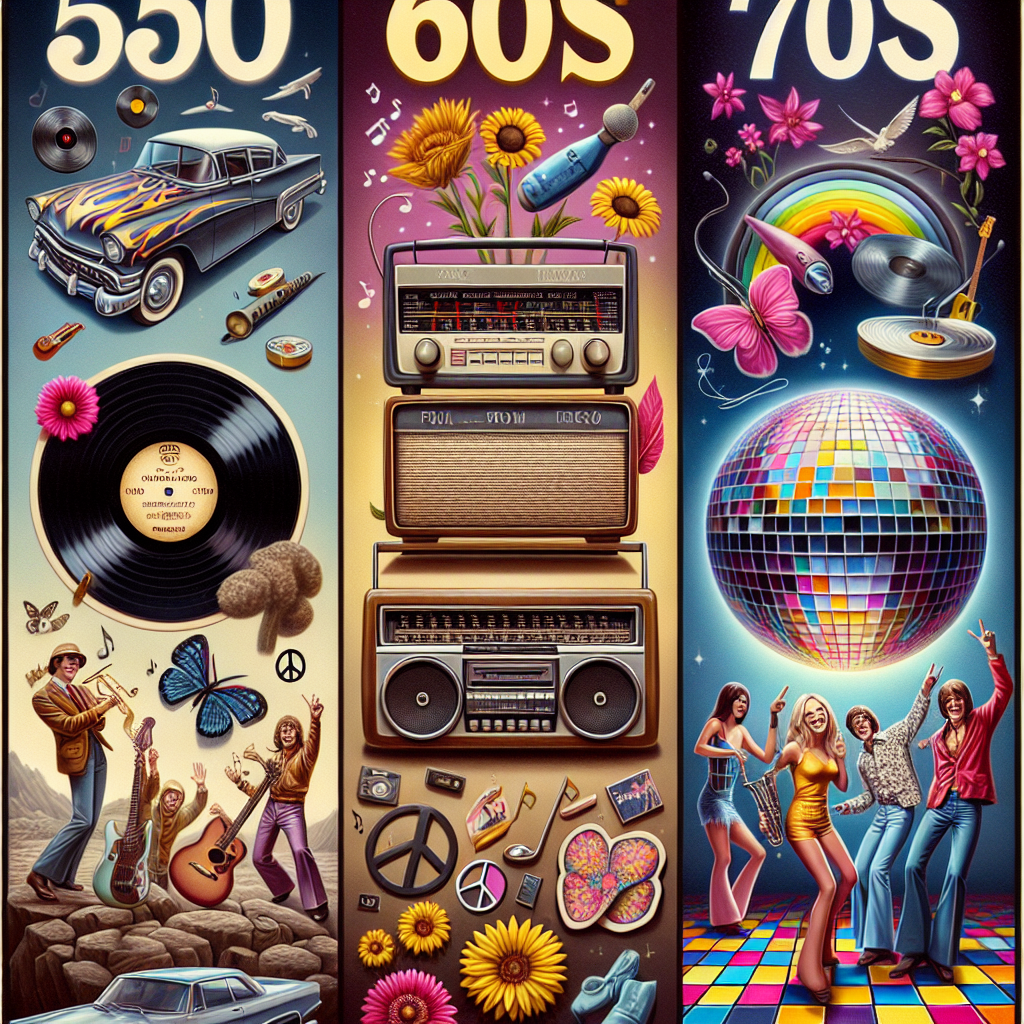
Exploring the Influence of Motown on Music in the 60’s and 70’s

During the 1960s and 1970s, Motown played a significant role in shaping music culture. The record label, founded by Berry Gordy Jr. in Detroit, Michigan, was responsible for producing some of the most iconic hits of the era. Motown not only influenced music but also had an impact on fashion, technology, and even politics.

Motown’s sound was unique and instantly recognizable. With its catchy melodies, tight harmonies, and infectious rhythms, Motown songs dominated the airwaves during this time. Artists like The Supremes, Marvin Gaye, Stevie Wonder, and The Temptations became household names thanks to their association with the label.

But Motown’s influence went beyond just the music itself. The label played a key role in breaking down racial barriers in the music industry. At a time when segregation was still prevalent in many parts of the country, Motown brought together black and white audiences with its universal appeal.

Politicians also took notice of Motown’s impact on popular culture. Artists from the label were invited to perform at political events and rallies, using their music to promote messages of unity and equality. Motown became a symbol of hope and inspiration during a tumultuous period in American history.

Furthermore, Motown artists were trendsetters when it came to fashion. Their stylish looks and glamorous stage presence influenced not only fans but also designers and fashionistas around the world. From Diana Ross’s elegant gowns to The Temptations’ sharp suits, Motown artists set the standard for style in the 60s and 70s.

Technology also played a role in Motown’s success. Berry Gordy Jr. was known for his innovative approach to recording techniques and production methods. He invested in state-of-the-art equipment and studios to ensure that his artists had access to the best resources available. This commitment to quality helped Motown stand out from other labels at the time.

In conclusion, it is clear that Motown had a profound influence on music culture in the 60s and 70s. The label’s unique sound, commitment to diversity, and innovative approach to production set it apart from its peers. Motown artists not only entertained audiences but also inspired them with their messages of love, unity, and empowerment.

Lost Gems: Underrated Bands and Artists from the Golden Era of Music

When we think of the Golden Era of music, our minds often drift to iconic bands and artists such as The Beatles, Led Zeppelin, and Michael Jackson. However, there were many underrated gems from this era that may not have received the recognition they deserved. These bands and artists may not have reached the same level of fame as their counterparts, but their contributions to music and culture should not be overlooked.

Music

During the Golden Era of music, there was a diverse range of genres that were thriving. From psychedelic rock to soul and funk, there was something for everyone to enjoy. Bands like Big Star and artists like Nick Drake may not have achieved mainstream success during their time, but they have since garnered a cult following for their unique sound and songwriting abilities.

Culture

The music of the Golden Era was deeply intertwined with the culture of the time. Artists like Joni Mitchell and Marvin Gaye used their music as a platform to address social issues such as civil rights and environmental conservation. These artists may not have been as outspoken or politically active as some of their peers, but their music still resonates with listeners today.

Politicians

While politicians often tried to censor or control the messages in music during this era, many bands and artists found ways to express themselves creatively. Artists like The Velvet Underground pushed boundaries with their lyrics about drugs and sexuality, while Bob Dylan used his platform to speak out against war and injustice. These musicians may not have been politicians themselves, but they certainly had an impact on political discourse at the time.

Fashion

The fashion of the Golden Era was just as eclectic as the music. From bell-bottom jeans to platform shoes, there was no shortage of bold styles on display. Bands like T.Rex embraced glam rock fashion with glittery makeup and flamboyant outfits, while artists like David Bowie experimented with gender-bending looks that challenged traditional notions of masculinity and femininity.

Technology

The technology of the Golden Era played a significant role in shaping the sound of music during this time. Advances in recording equipment allowed bands like Pink Floyd to experiment with new sounds and production techniques, while synthesizers opened up a whole new world of possibilities for electronic music. These technological advancements may not have been as flashy or headline-grabbing as some other innovations of the time, but they had a lasting impact on the evolution of music.

In conclusion, while it’s easy to focus on the most famous bands and artists from the Golden Era of music, it’s important to remember that there were many hidden gems waiting to be discovered. These underrated musicians may not have achieved widespread fame during their time, but their contributions to music and culture are undeniable. So next time you’re looking for something new to listen to, consider exploring some lost gems from this golden era – you might just find your new favorite band or artist!

A Look Back at the Iconic Woodstock Music Festival of 1969

Woodstock Music Festival of 1969 was a cultural phenomenon that continues to be celebrated and remembered today. The event, which took place in Bethel, New York, from August 15 to 18, brought together over 400,000 people for a weekend of music, peace, and love.

The festival featured iconic performances from legendary artists such as Jimi Hendrix, Janis Joplin, The Who, and Santana. The music showcased at Woodstock represented the counterculture movement of the 1960s and became a symbol of unity and freedom for the generation.

Not only did Woodstock highlight the power of music to bring people together, but it also reflected the changing social and political landscape of the time. The festival took place during a period of significant unrest in America, with protests against the Vietnam War and calls for civil rights dominating the headlines.

Despite these challenges, Woodstock provided a platform for young people to come together and express themselves through music and art. It was a moment of hope and optimism in an otherwise turbulent time.

Woodstock also had a lasting impact on fashion trends of the era. The festival-goers embraced a bohemian style with flowing skirts, tie-dye shirts, and fringe jackets. This laid-back and carefree look became synonymous with the hippie movement and continues to influence fashion today.

Furthermore, Woodstock showcased some of the latest advancements in technology at the time. The festival was one of the first to use large-scale sound systems to amplify performances to massive crowds. It also featured innovative lighting effects that added to the overall experience for attendees.

Looking back on Woodstock now, it is clear that the festival was more than just a music event – it was a cultural touchstone that defined an entire generation. It brought together people from all walks of life who shared a common love for music and a desire for change.

While politicians may have criticized Woodstock at the time as being chaotic or dangerous, history has shown that it was a peaceful gathering that promoted unity and understanding among its attendees. It served as a reminder that when people come together with open hearts and minds, anything is possible.

In conclusion, Woodstock Music Festival of 1969 remains an iconic moment in history that continues to inspire generations of music lovers around the world. Its impact on culture, politics, fashion, and technology cannot be overstated. As we reflect on this historic event, let us remember the power of music to bring people together and create positive change in our society.

A look back at Woodstock: the most iconic music festival of the 1960s

Woodstock was arguably the most iconic music festival of the 1960s, and its impact on music, culture, fashion, and technology continues to be felt today. The three-day event held in August 1969 in upstate New York brought together hundreds of thousands of people for a celebration of peace, love, and music.

The lineup featured some of the biggest names in music at the time, including Jimi Hendrix, Janis Joplin, The Who, and Crosby, Stills, Nash & Young. The performances were legendary and showcased the diversity of musical talent that was emerging during this era.

But Woodstock was about more than just the music. It was a cultural phenomenon that reflected the counterculture movement of the 1960s. The festival embraced ideals of peace, love, and unity at a time when the country was divided over issues like civil rights and the Vietnam War.

Politicians at the time were quick to criticize Woodstock as a gathering of rebellious youth engaging in drug use and promiscuity. However, many attendees saw it as a peaceful protest against war and injustice. The festival became a symbol of hope for a generation looking to create a better world.

Woodstock also had a significant impact on fashion. The style of dress at the festival – bell-bottoms, tie-dye shirts, fringe vests – became synonymous with the hippie movement. It represented a rejection of mainstream fashion norms in favor of individual expression and freedom.

Additionally, Woodstock showcased advancements in technology that allowed for such a large-scale event to take place. From sound systems to stage lighting to portable toilets, organizers had to think creatively to accommodate such a massive crowd. Despite logistical challenges like traffic jams and food shortages, the festival managed to run relatively smoothly thanks to innovative solutions.

Looking back on Woodstock now, it’s clear that its impact is still being felt today. The spirit of peace and love that permeated the festival continues to inspire movements for social justice and equality. The music from Woodstock remains timeless and influential across generations.

As we reflect on Woodstock’s legacy, let’s remember it not just as a music festival but as a cultural moment that defined an era. It showed us what is possible when people come together in pursuit of something greater than themselves – whether it’s through music, art, activism or simply being kind to one another.

The Influence of Motown on Music in the 60s and 70s

When we think of the 1960s and 70s, one of the first things that comes to mind is the iconic music of Motown. This influential record label not only shaped the sound of popular music during this time, but also had a profound impact on culture, fashion, technology, and even politics.

Music is often considered a reflection of society, and Motown was no exception. With its soulful melodies, catchy hooks, and powerful lyrics, Motown songs spoke to the struggles and triumphs of African Americans during a time of great social change. Hits like “My Girl” by The Temptations and “Ain’t No Mountain High Enough” by Marvin Gaye and Tammi Terrell became anthems for a generation fighting for civil rights and equality.

But Motown’s influence went beyond just music. The label’s artists were style icons in their own right, influencing fashion trends with their sharp suits, glamorous gowns, and signature dance moves. From The Supremes’ coordinated outfits to Stevie Wonder’s funky glasses, Motown artists set the standard for cool in the 60s and 70s.

Technology also played a role in Motown’s success. Founder Berry Gordy Jr. was a savvy businessman who embraced new recording techniques and equipment to create the label’s distinctive sound. By using innovative studio techniques like overdubbing and reverb, Motown was able to produce hit after hit that sounded fresh and exciting.

Even politicians took notice of Motown’s impact on society. Artists like Marvin Gaye used their platform to speak out against war, poverty, and injustice. In 1971, Gaye released his seminal album “What’s Going On,” which addressed issues like police brutality and environmental degradation. The album sparked important conversations about social change and inspired listeners to take action.

Overall, Motown’s influence on music in the 60s and 70s was overwhelmingly positive. The label not only produced some of the greatest hits of all time but also helped shape culture, fashion, technology, and politics during a tumultuous period in history. As we look back on this era, it’s clear that Motown will always be remembered as a trailblazer that paved the way for future generations of artists to come.

The Influence of Motown on Pop Music in the 60’s and 70’s

Motown Records, founded in Detroit in 1959 by Berry Gordy Jr., had a profound influence on pop music in the 1960s and 1970s. The label was responsible for creating some of the most iconic and beloved songs of that era, and its impact can still be felt today.

One of the key ways that Motown influenced pop music was through its innovative approach to production. Gordy was a visionary who understood the power of technology in shaping the sound of a record. He invested heavily in state-of-the-art recording equipment and techniques, which allowed Motown artists to create a polished, professional sound that set them apart from their competitors.

This commitment to quality helped Motown artists like The Supremes, The Temptations, and Marvin Gaye achieve mainstream success. Their catchy melodies, tight harmonies, and infectious rhythms made them household names and cemented Motown’s reputation as a hit-making machine.

But Motown’s influence wasn’t limited to just music. The label also played a significant role in shaping popular culture during this time. Its artists were style icons who set trends in fashion and hair trends. From Diana Ross’s glamorous gowns to The Jackson 5’s matching suits, Motown acts were always dressed to impress.

Politicians also recognized the power of Motown’s music to bring people together. During the civil rights movement of the 1960s, many Motown songs became anthems for social change. Tracks like “Ain’t No Mountain High Enough” by Marvin Gaye and Tammi Terrell inspired hope and unity among listeners.

In addition to its cultural impact, Motown also paved the way for future generations of musicians by breaking down racial barriers in the music industry. The label was one of the first to feature African American artists prominently on mainstream radio stations and television shows.

Overall, Motown’s influence on pop music in the 1960s and 1970s cannot be overstated. Its innovative approach to production, iconic artists, and commitment to social change helped shape the sound of an entire generation. Today, we can still hear echoes of Motown in modern pop music, proving that its legacy continues to resonate with audiences around the world.

The British Invasion: How Bands Like The Beatles and The Rolling Stones Took America by Storm in the 60’s

The British Invasion of the 1960s was a cultural phenomenon that forever changed the landscape of music in America. Bands like The Beatles and The Rolling Stones burst onto the scene, captivating audiences with their infectious tunes and charismatic personalities. Their impact extended far beyond just the realm of music, influencing everything from fashion to technology to politics.

Music

The music of The Beatles and The Rolling Stones was revolutionary for its time. Their catchy melodies, innovative songwriting, and dynamic performances captivated audiences around the world. Songs like “I Want to Hold Your Hand” and “Satisfaction” became anthems for a generation, defining the sound of the 60s.

Culture

The British Invasion brought with it a new sense of style and attitude that resonated with American youth. The Beatles’ shaggy haircuts and mod suits became iconic symbols of rebellion and individuality. The Rolling Stones’ edgier image appealed to those looking for something more raw and authentic. Together, these bands helped shape the cultural landscape of the 60s.

Politicians

Even politicians couldn’t escape the influence of The British Invasion. Leaders like President John F. Kennedy recognized the power of music in connecting with young voters. In fact, Kennedy famously invited The Beatles to perform at the White House in 1964, solidifying their status as cultural icons.

Fashion

The fashion industry was also deeply impacted by The British Invasion. Suddenly, everyone wanted to dress like their favorite rock stars, sporting skinny ties, mini skirts, and go-go boots. Designers took note of this new trend and began incorporating elements of British style into their collections, forever changing the way we think about fashion.

Technology

The British Invasion coincided with major advancements in technology that would forever alter the way we consume music. From transistor radios to vinyl records to television appearances, bands like The Beatles and The Rolling Stones utilized these new tools to reach a wider audience than ever before. This era marked a turning point in how music was produced, distributed, and consumed.

Overall, The British Invasion was a positive force that brought fresh energy and creativity to American culture. Bands like The Beatles and The Rolling Stones paved the way for future generations of musicians to push boundaries and challenge conventions. Their impact can still be felt today in everything from pop culture to fashion trends to political movements.

The British Invasion: How British Bands Shaped the Music Scene in the 60’s and Beyond

When we think of the 1960s music scene, one phrase that often comes to mind is “The British Invasion.” This period marked a significant shift in the music industry, as British bands began to dominate the charts and influence popular culture in a way that had never been seen before. From The Beatles to The Rolling Stones, these bands shaped not only the music of the time but also influenced fashion, technology, and even politics.

One of the most obvious ways in which British bands impacted the music scene was through their sound. The Beatles, for example, introduced a new style of songwriting and recording techniques that revolutionized the industry. Their innovative use of studio technology paved the way for future artists to experiment with different sounds and effects, leading to a more diverse and dynamic musical landscape.

But it wasn’t just their music that made an impact – British bands also played a key role in shaping popular culture during this time. With their distinctive fashion sense and rebellious attitudes, bands like The Rolling Stones became icons of a new generation. Their influence extended beyond just music – they were trendsetters in fashion, pushing boundaries with their bold choices and inspiring fans to express themselves through their clothing.

Politicians also took notice of the impact that British bands were having on society. In fact, some politicians even tried to capitalize on their popularity by associating themselves with these iconic musicians. For example, when The Beatles visited America for the first time in 1964, they were greeted by thousands of screaming fans – including politicians who saw an opportunity to connect with young voters by aligning themselves with the band.

Technology also played a crucial role in shaping the British Invasion. The rise of television allowed these bands to reach a wider audience than ever before, as they performed on popular shows like “The Ed Sullivan Show” and “Top of the Pops.” This exposure helped catapult them to international fame and solidify their status as cultural icons.

Overall, it’s clear that The British Invasion had a lasting impact on both music and popular culture. These bands not only changed the way we listen to music but also influenced our attitudes towards fashion, technology, and even politics. Their legacy continues to be felt today, as artists continue to draw inspiration from their groundbreaking work.

Music Festivals of the Decades: From Monterey Pop to

Music festivals have been a staple of popular culture for decades, bringing together people from all walks of life to celebrate the power of music. From the iconic Monterey Pop Festival of the 1960s to today’s Coachella and Bonnaroo, these events have not only shaped musical trends but also influenced fashion, technology, and even politics.

The 1960s marked a turning point in music festival history with the Monterey Pop Festival in 1967. This groundbreaking event featured legendary performances by artists such as Jimi Hendrix, The Who, and Janis Joplin, and set the stage for future festivals to come. The festival not only showcased some of the greatest musicians of the time but also highlighted the countercultural movement that was sweeping across America.

As music festivals grew in popularity throughout the following decades, they began to attract attention from politicians and policymakers. Woodstock in 1969 became a symbol of peace and love during a time of social and political unrest in America. Even today, music festivals continue to be platforms for social activism and change, with artists using their performances to raise awareness about important issues such as climate change and human rights.

One of the most noticeable aspects of music festivals is their influence on fashion trends. From flower crowns at Coachella to glittery body paint at Burning Man, festival fashion has become a cultural phenomenon in its own right. Music festivals provide a space for attendees to express themselves through their clothing choices, often pushing boundaries and experimenting with new styles.

Technology has also played a significant role in shaping the modern music festival experience. With advancements in sound systems, lighting effects, and live streaming capabilities, festivals have become more immersive than ever before. Attendees can now capture every moment on their smartphones and share it with the world instantly, creating a sense of community among fans both at the event and around the globe.

Despite all these changes over the years, one thing remains constant: the power of music to bring people together. Music festivals provide a space for individuals to connect with others who share their love for music, creating lasting memories that will stay with them long after the final encore has ended.

In conclusion, music festivals have evolved significantly since their inception in the 1960s but have remained an integral part of our cultural landscape. From influencing fashion trends to providing a platform for social activism, these events continue to shape our society in meaningful ways. As we look towards the future, we can only imagine what new innovations and experiences await us at upcoming music festivals.

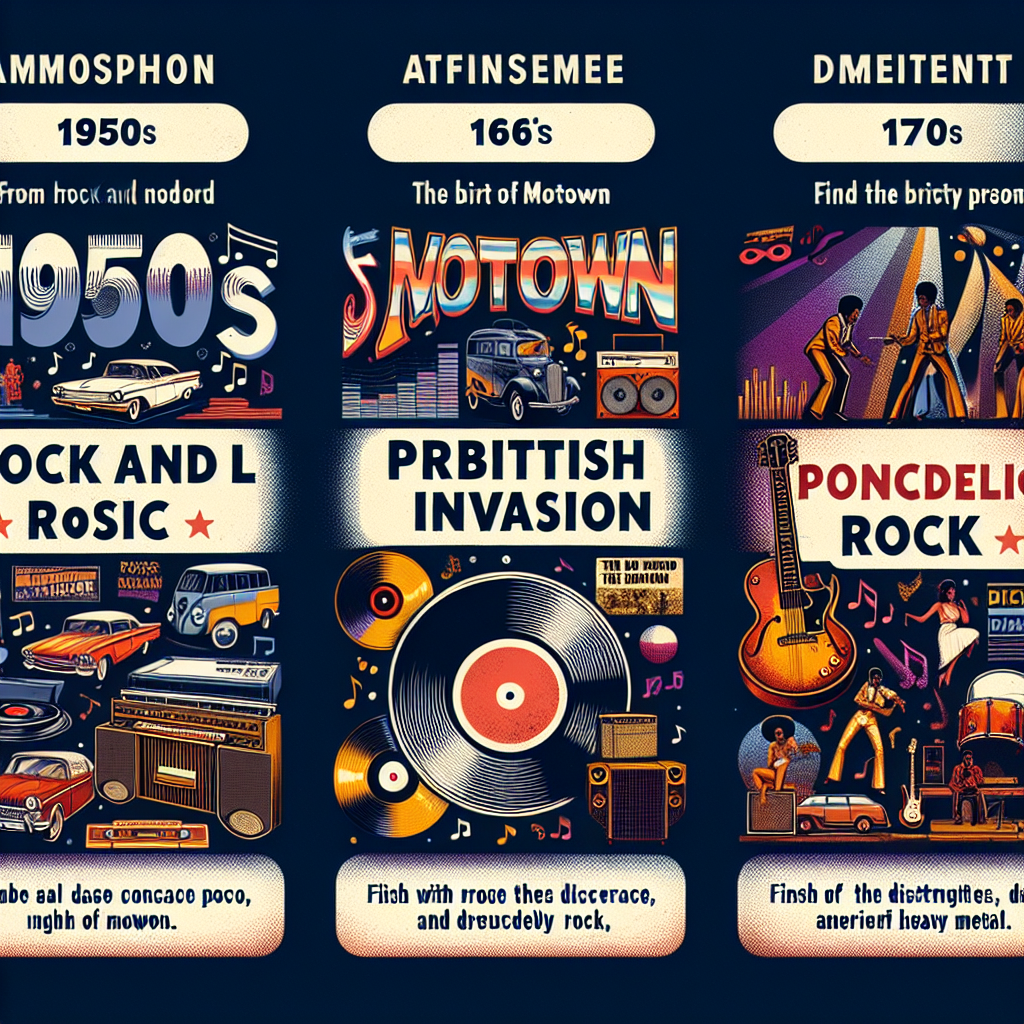
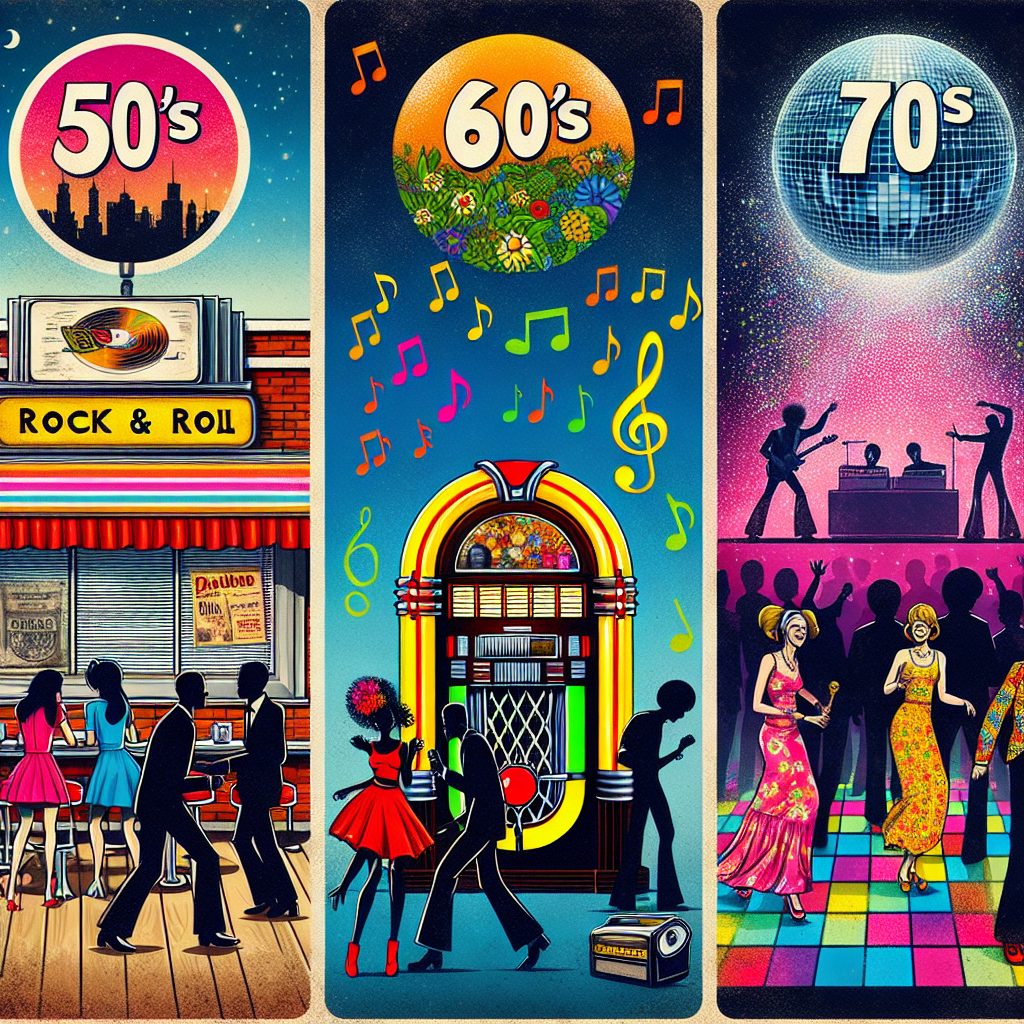
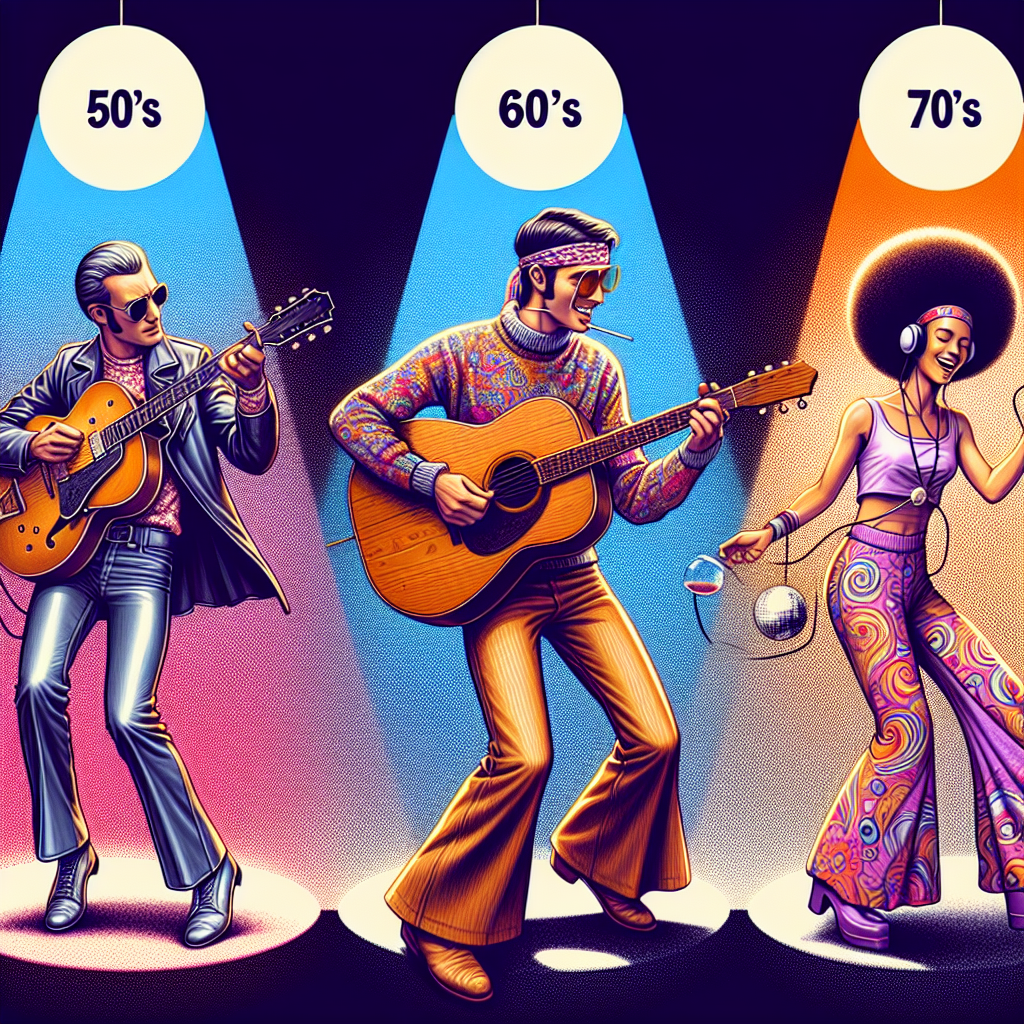
The Evolution of Rock ‘n’ Roll: A Look Back at the Music of the 50’s, 60’s, and 70’s

Rock ‘n’ roll music has been a driving force in shaping culture and society for decades. From its humble beginnings in the 1950s to its peak popularity in the 1960s and 70s, rock ‘n’ roll has evolved and transformed, leaving a lasting impact on music, fashion, technology, and even politics.

In the 1950s, rock ‘n’ roll emerged as a new and exciting genre that challenged the status quo. With artists like Elvis Presley, Chuck Berry, and Little Richard leading the way, rock ‘n’ roll quickly became a symbol of rebellion and youth culture. The music was raw, energetic, and full of attitude – qualities that resonated with young people around the world.

As rock ‘n’ roll continued to gain popularity in the 1960s, it also began to influence other aspects of culture. Politicians started to take notice of the power of music and its ability to mobilize young voters. Artists like Bob Dylan used their platform to speak out against social injustices and advocate for change. Rock ‘n’ roll became a voice for a generation that was seeking freedom and equality.

Alongside its cultural impact, rock ‘n’ roll also played a significant role in shaping fashion trends. The iconic looks of bands like The Beatles and The Rolling Stones set the standard for coolness and individuality. From leather jackets to bell-bottom jeans, rock ‘n’ roll fashion became synonymous with rebellion and self-expression.

Technology also played a crucial role in the evolution of rock ‘n’ roll. The invention of electric guitars and amplifiers revolutionized the sound of music, allowing artists to experiment with new sounds and styles. Advances in recording technology made it easier for bands to produce albums and reach a wider audience. Rock ‘n’ roll was no longer confined to small clubs – it had become a global phenomenon.

Looking back at the music of the 50s, 60s, and 70s, it’s clear that rock ‘n’ roll has had a lasting impact on our culture. It continues to inspire new generations of artists who are pushing boundaries and challenging conventions. While some may argue that rock ‘n’ roll is a thing of the past, its influence can still be felt in modern music genres like punk rock, alternative rock, and indie pop.

As we reflect on the evolution of rock ‘n’ roll, we should celebrate its legacy and remember all the ways it has shaped our world for the better. From giving voice to marginalized communities to inspiring social change, rock ‘n’ roll has proven time and time again that music has the power to unite us all.