
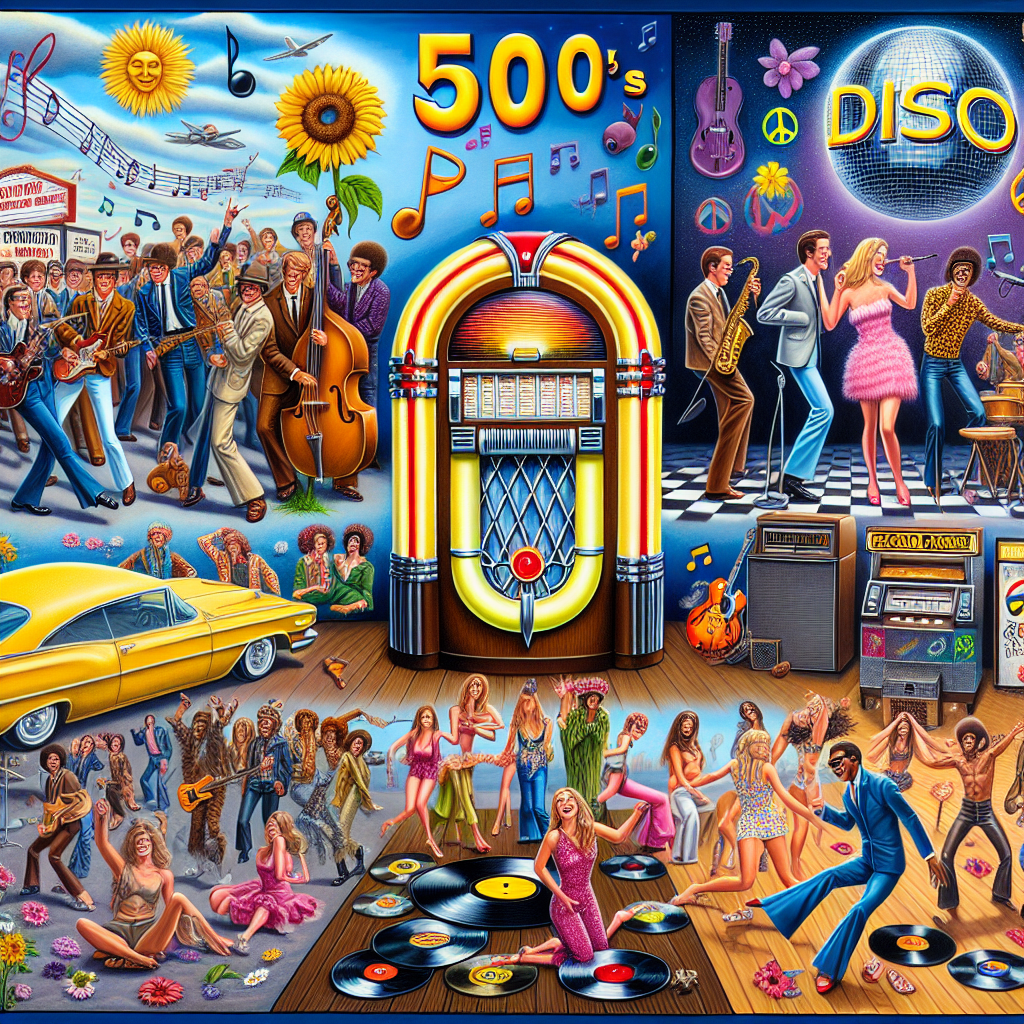
Pop music has been a dominant force in the music industry for decades, shaping culture and influencing generations. The rise of pop music in the 50’s, 60’s, and 70’s was a pivotal time in history that saw the genre reach new heights of popularity and innovation.
During this time period, pop music became more than just a form of entertainment – it became a cultural phenomenon that reflected the changing times and attitudes of society. Politicians, fashion designers, and technology all played a role in shaping pop music into what it is today.
The 1950s
In the 1950s, pop music underwent a major transformation with the rise of rock and roll. Artists like Elvis Presley, Chuck Berry, and Little Richard brought a new sound to the airwaves that captured the hearts of young people everywhere. This new style of music was rebellious and energetic, reflecting the changing social norms of the time.
Politicians were quick to denounce rock and roll as dangerous and corrupting to youth culture. However, this only served to make it more popular among teenagers who were eager to rebel against authority. Fashion also played a role in the rise of pop music in the 50s, with artists like Elvis Presley setting trends with their iconic looks.
The 1960s
The 1960s saw pop music continue to evolve with the British Invasion led by bands like The Beatles and The Rolling Stones. These bands brought a new sound to American audiences that was fresh and exciting. Pop music became more experimental during this time period, with artists pushing boundaries and exploring new genres.
Politicians also began to take notice of pop music’s influence on society, with some even using it as a platform for their campaigns. Fashion continued to play an important role in shaping pop culture in the 60s, with artists like Jimi Hendrix setting trends with their psychedelic style.
The 1970s
In the 1970s, pop music continued to diversify with genres like disco and punk gaining popularity. Artists like Donna Summer and The Ramones brought new sounds to audiences around the world that were both fun and rebellious. Technology also played a role in shaping pop music during this time period, with advancements in recording equipment allowing artists to experiment with new sounds.
Politicians continued to try and control pop music’s influence on society during this time period, but ultimately failed as artists continued to push boundaries and challenge societal norms. Fashion also continued to play an important role in shaping pop culture in the 70s, with artists like David Bowie setting trends with their flamboyant style.
In Conclusion
The rise of pop music in the 50’s, 60’s, and 70’s was a transformative time in history that saw the genre reach new heights of popularity and innovation. Politicians tried to control its influence on society, but ultimately failed as artists continued to push boundaries and challenge societal norms through their music.
Fashion also played an important role in shaping pop culture during this time period, with artists setting trends that are still influential today. Technology advancements allowed for greater experimentation within the genre, leading to new sounds that captivated audiences around the world.
Overall, the rise of pop music in these decades was a positive force that brought people together through shared experiences and emotions. It continues to shape culture today as artists continue to push boundaries and explore new sounds within the genre.
Get involved!
Comments