
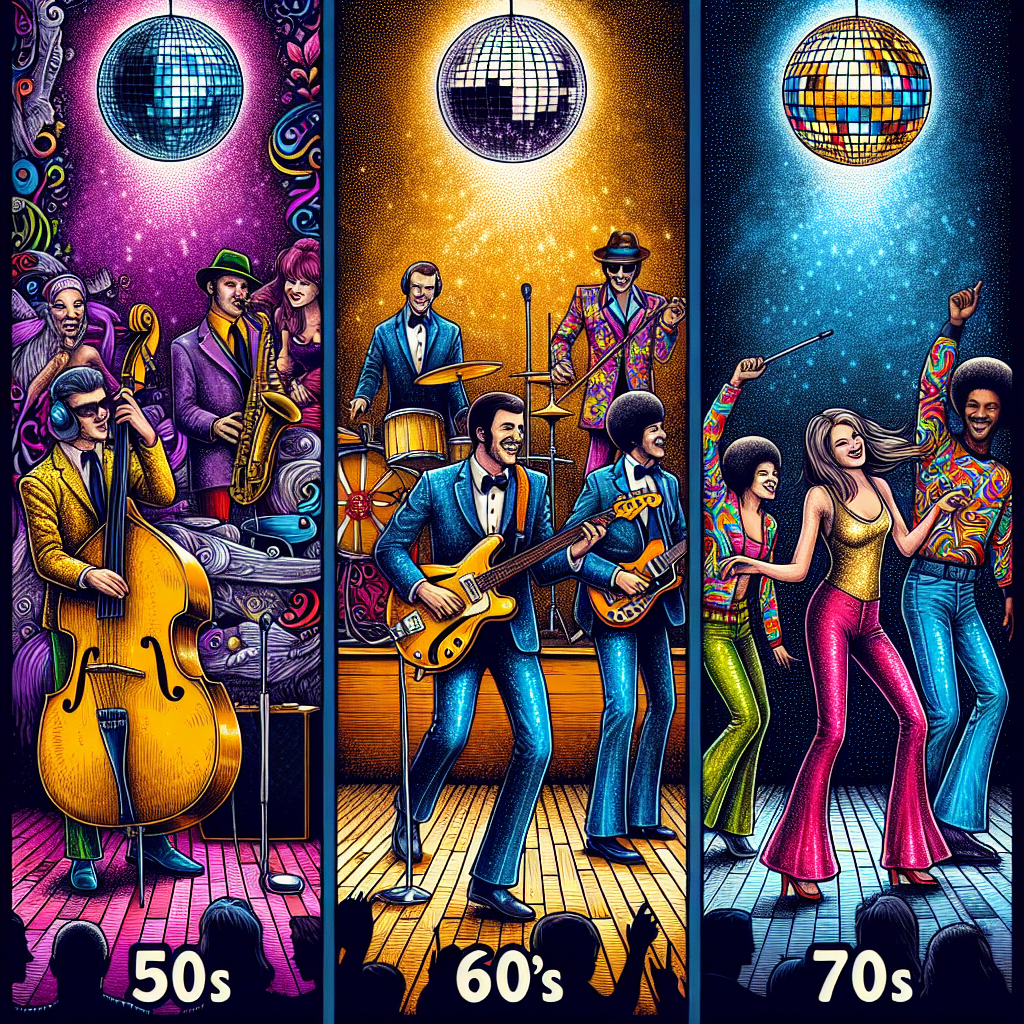
Folk music has always had a strong influence on society, reflecting the culture and values of a particular time period. In the 1960s and 70s, folk music played a significant role in shaping protest songs that addressed important social and political issues of the era.
During this time, musicians used their platform to speak out against war, civil rights injustices, and other pressing concerns. Artists like Bob Dylan, Joan Baez, and Pete Seeger were at the forefront of this movement, using their music to inspire change and challenge the status quo.
One of the key aspects of folk music that made it so effective in protest songs was its ability to tell stories and convey emotions in a raw and authentic way. Folk songs often featured simple melodies and lyrics that were easy to sing along to, making them accessible to a wide audience.
Politicians and policymakers were not immune to the power of folk music during this time. Songs like “Blowin’ in the Wind” by Bob Dylan and “We Shall Overcome” sung by Joan Baez became anthems for social justice movements, influencing public opinion and putting pressure on those in positions of power to address these issues.
Even fashion trends of the 60s and 70s were influenced by folk music. Artists like Joni Mitchell and Crosby, Stills, Nash & Young popularized a laid-back, bohemian style that became synonymous with the counterculture movement of the era. This style continues to influence fashion today, with many modern artists drawing inspiration from the iconic looks of these musicians.
Technology also played a role in spreading folk music and protest songs during this time. The invention of the portable cassette player made it easier for people to listen to music on-the-go, allowing protest songs to reach a wider audience than ever before. Additionally, television programs like “The Smothers Brothers Comedy Hour” provided a platform for musicians to perform their protest songs on national television.
Overall, the influence of folk music on protest songs of the 60s and 70s was undeniable. Through their powerful lyrics and moving melodies, musicians were able to ignite social change and inspire generations of activists to fight for justice. Today, we can still see traces of this influence in modern protest songs that continue to address important issues facing our society.
Get involved!
Comments