
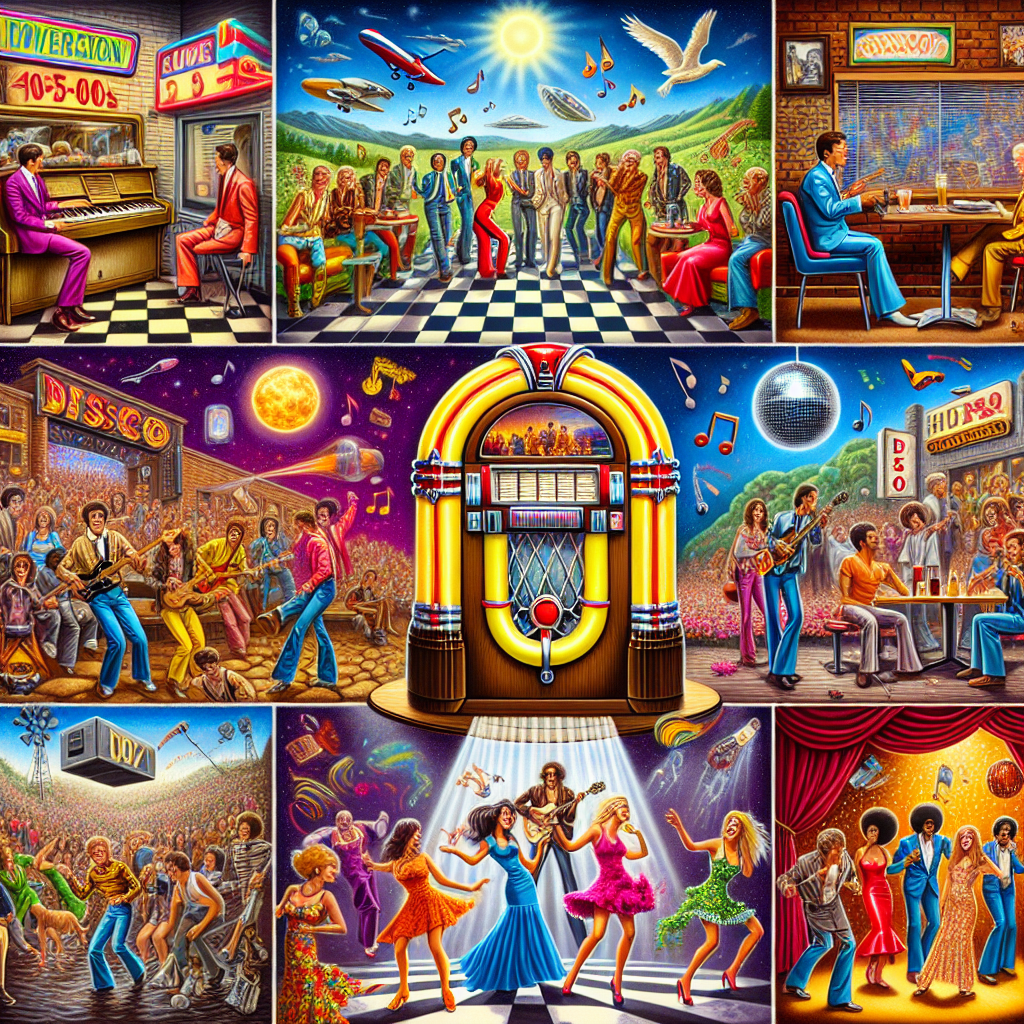
Psychedelic rock emerged in the 1960s as a subgenre of rock music that is characterized by its use of psychedelic effects and themes, often inspired by hallucinogenic drugs such as LSD. This genre revolutionized the music scene of the time and had a lasting impact on music today.
During the 60s, there was a cultural revolution happening around the world. The younger generation was questioning traditional values and seeking new ways to express themselves. Psychedelic rock became the soundtrack to this cultural shift, with its experimental sounds and lyrics that often touched on themes of love, peace, and unity.
Politicians at the time were not always supportive of this new wave of music. Many saw it as a threat to traditional values and feared that it would lead to social unrest. However, despite their efforts to suppress it, psychedelic rock continued to grow in popularity and influence.
One of the most iconic aspects of psychedelic rock was its fashion. Musicians and fans alike embraced bold colors, flowing fabrics, and intricate patterns that reflected the trippy nature of the music. This fashion sense has continued to influence modern styles, with many designers drawing inspiration from the psychedelic era.
Technology also played a significant role in the rise of psychedelic rock. Advancements in recording techniques allowed musicians to experiment with new sounds and effects, creating a sonic landscape that was truly unique. This innovation paved the way for future generations of musicians to push boundaries and explore new possibilities in music.
Today, we can still see the impact of psychedelic rock on music. Many contemporary artists cite bands like The Beatles, Pink Floyd, and Jefferson Airplane as major influences on their work. The experimental spirit of psychedelic rock lives on in genres like indie rock, shoegaze, and electronic music.
Overall, the rise of psychedelic rock in the 60s had a profound impact on music and culture that continues to be felt today. It opened up new possibilities for artistic expression and challenged societal norms in ways that were both liberating and inspiring. As we look back on this pivotal moment in musical history, we can appreciate the creativity and innovation that came out of this era.
Get involved!
Comments