
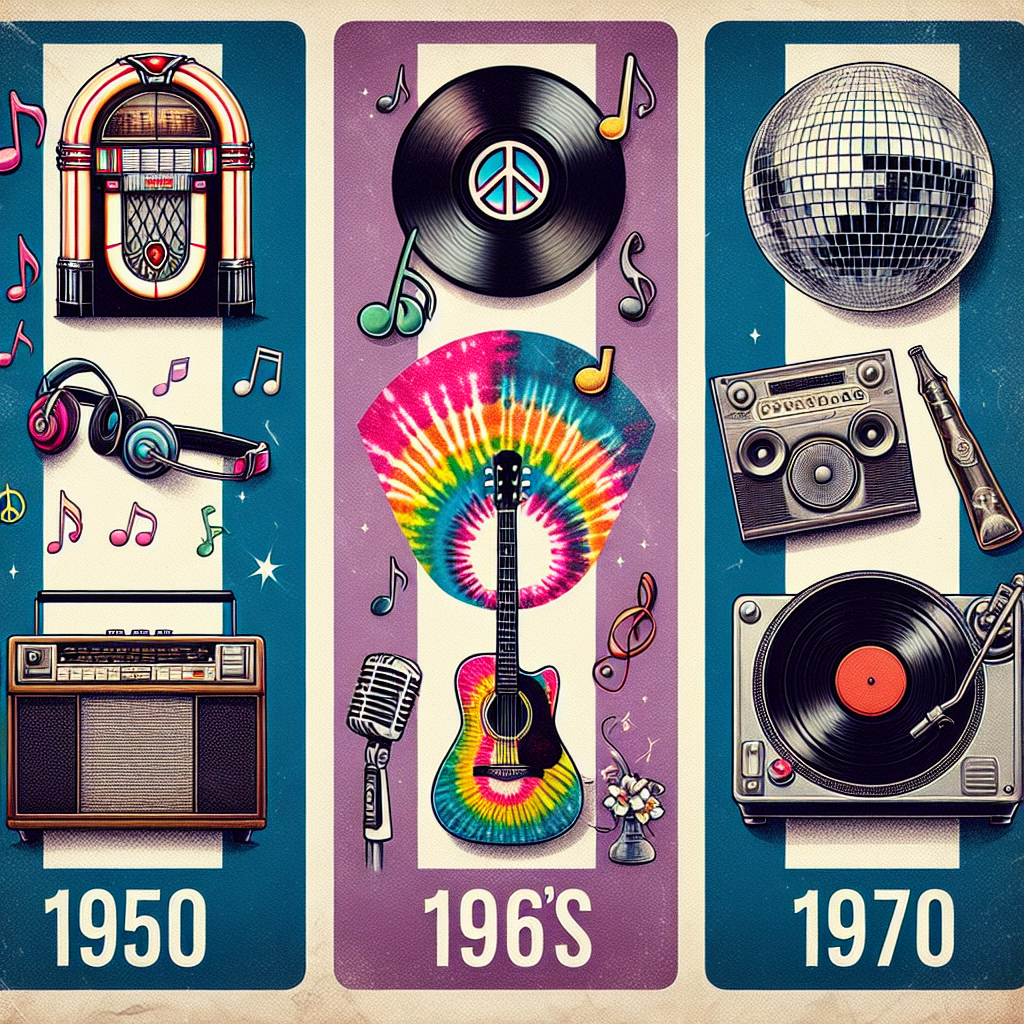
Rock ‘n’ roll music has been a driving force in popular culture for decades, influencing not only the music industry but also fashion, technology, and even politics. The evolution of rock ‘n’ roll from the 1950s to the 1970s is a fascinating journey that showcases the power of music to shape society and bring people together.
The 1950s: The Birth of Rock ‘n’ Roll
The 1950s saw the emergence of rock ‘n’ roll as a distinct genre, blending elements of rhythm and blues, country, and gospel music. Artists like Elvis Presley, Chuck Berry, and Little Richard became household names, bringing this new style of music to mainstream audiences.
Rock ‘n’ roll quickly became a symbol of rebellion and youth culture, with its energetic rhythms and provocative lyrics challenging societal norms. Politicians and parents alike were quick to denounce rock ‘n’ roll as corrupting influences on young people, but its popularity only continued to grow.
Alongside the music itself, rock ‘n’ roll also influenced fashion trends with its iconic leather jackets, pompadour hairstyles, and rebellious attitude. Teenagers across America embraced this new style as a way to express their individuality and push back against conformity.
The 1960s: The Golden Age of Rock ‘n’ Roll
The 1960s saw rock ‘n’ roll reach new heights of creativity and innovation. Bands like The Beatles, The Rolling Stones, and The Beach Boys revolutionized the genre with their catchy melodies, intricate harmonies, and experimental instrumentation.
Rock ‘n’ roll became more than just music – it became a cultural movement that reflected the changing times. Songs like Bob Dylan’s “The Times They Are A-Changin'” captured the spirit of social upheaval and political activism that defined the era.
Technology also played a key role in shaping the sound of 1960s rock ‘n’ roll. Advances in recording techniques allowed artists to experiment with new sounds and production methods, leading to groundbreaking albums like The Beatles’ “Sgt. Pepper’s Lonely Hearts Club Band.”
The 1970s: Rock Goes Mainstream
By the 1970s, rock ‘n’ roll had firmly established itself as a dominant force in popular music. Bands like Led Zeppelin, Pink Floyd, and Queen pushed the boundaries of what was possible in rock music with their epic compositions and elaborate stage shows.
Rock ‘n’ roll had become big business by this point, with stadium tours and multi-platinum albums becoming the norm. Despite this commercial success, however, many artists continued to use their platform to address social issues and advocate for change.
Fashion trends in the 1970s reflected this blend of mainstream appeal and countercultural ideals. Bell-bottom jeans, platform shoes, and psychedelic prints were all popular choices among rock fans looking to make a statement with their style.
In Conclusion
The evolution of rock ‘n’ roll from the 1950s to the 1970s is a testament to the power of music to transcend boundaries and bring people together. Through its influence on culture, politics, fashion, and technology, rock ‘n’ roll has left an indelible mark on society that continues to resonate today.
Get involved!
Comments