
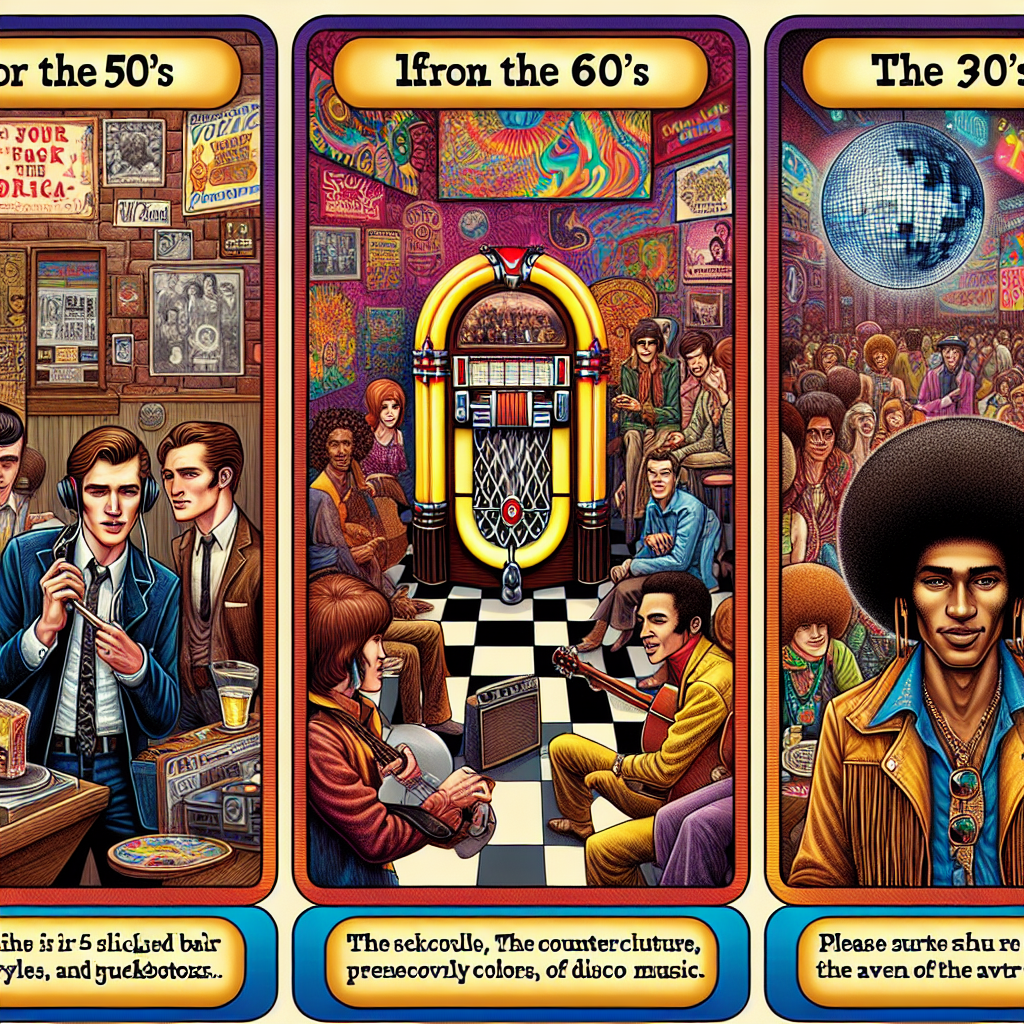
Disco Fever: A Look Back
Disco music, with its infectious beats and catchy tunes, took the world by storm in the 1970s. It was a time of cultural revolution, where music, fashion, and technology all came together to create a unique experience that defined an era. Let’s take a closer look at how disco fever swept the nation and left a lasting impact on our society.
The Music
At the heart of disco fever was, of course, the music. Disco songs were characterized by their uptempo rhythms, soulful vocals, and pulsating basslines. Artists like Donna Summer, The Bee Gees, and Gloria Gaynor dominated the charts with their disco hits, creating anthems that are still beloved today.
The Culture
Disco wasn’t just about the music – it was a lifestyle. Nightclubs became hotspots for dancing the night away to disco beats, while roller discos popped up all over the country as a fun way to get your groove on. The disco culture promoted inclusivity and acceptance, with people from all walks of life coming together to dance and have a good time.
The Politicians
Even politicians couldn’t resist the allure of disco fever. In 1979, President Jimmy Carter hosted a White House event called “Salute to Disco,” where he famously declared that “America needed more dancing.” Politicians across the country embraced disco as a way to connect with voters and show off their fun side.
The Fashion
One of the most iconic aspects of disco fever was the fashion. Bell-bottom pants, platform shoes, sequined dresses – disco fashion was all about making a statement and standing out on the dance floor. People embraced bold colors and flashy accessories as they danced the night away in style.
The Technology
Disco wouldn’t have been possible without advancements in technology. The rise of electronic instruments like synthesizers and drum machines allowed musicians to create new sounds that defined the disco genre. Disco clubs also invested in state-of-the-art sound systems and lighting rigs to create an immersive experience for club-goers.
In conclusion,
Disco fever may have come and gone, but its impact is still felt today. The music continues to inspire artists across genres, while the culture of inclusivity and acceptance lives on in our society. So next time you hear a disco hit on the radio or see someone rocking bell-bottoms on the street, take a moment to appreciate the legacy of disco fever.
Get involved!
Comments