
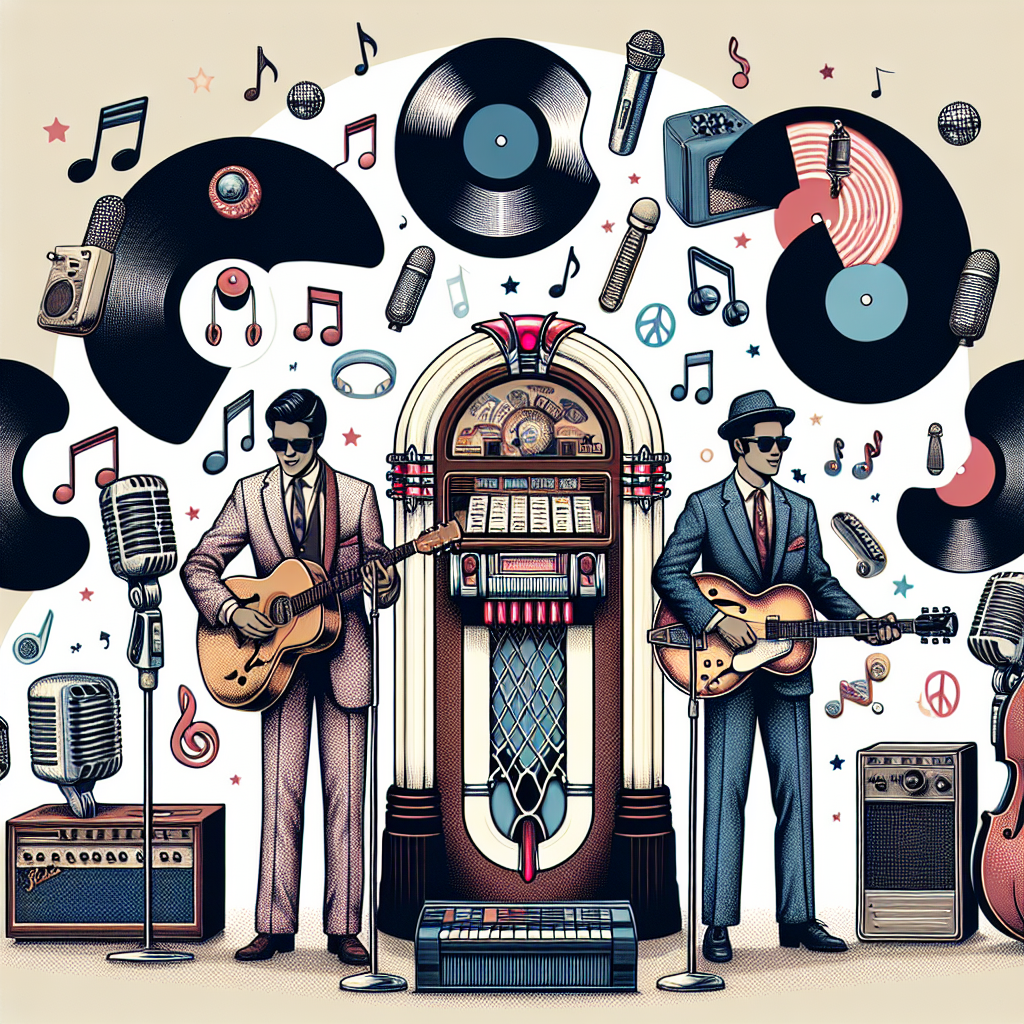
Rock ‘n’ roll has been a driving force in shaping music, culture, and society for decades. From its humble beginnings in the 1950s to its peak popularity in the 1960s and 70s, rock ‘n’ roll has evolved and changed with the times, reflecting the social and political climate of each era.
The 1950s: The Birth of Rock ‘n’ Roll
The 1950s saw the emergence of rock ‘n’ roll as a new genre of music that combined elements of rhythm and blues, country, and gospel. Artists like Elvis Presley, Chuck Berry, and Little Richard brought this new sound to mainstream audiences, challenging traditional norms and values.
Politicians and parents alike were wary of this new form of music, fearing that it would corrupt the youth and lead to moral decay. However, despite these concerns, rock ‘n’ roll continued to gain popularity among young people who saw it as a form of rebellion against societal norms.
Rock ‘n’ roll also had a significant impact on fashion during this time. Artists like Elvis Presley popularized trends such as leather jackets, pompadour hairstyles, and tight-fitting jeans. These styles became synonymous with the rebellious spirit of rock ‘n’ roll.
The 1960s: The Golden Age of Rock ‘n’ Roll
The 1960s marked the golden age of rock ‘n’ roll, with bands like The Beatles, The Rolling Stones, and The Beach Boys dominating the charts. This decade saw an explosion of creativity and innovation in music, with artists experimenting with new sounds and pushing boundaries.
Rock ‘n’ roll became more than just music – it became a cultural movement that challenged societal norms and advocated for social change. Songs like Bob Dylan’s “Blowin’ in the Wind” addressed issues such as civil rights and war, inspiring a generation to stand up for what they believed in.
Technology also played a significant role in shaping rock ‘n’ roll during this time. The invention of the electric guitar revolutionized the sound of rock music, allowing artists to create new sounds and experiment with different tones. Advances in recording technology also made it easier for bands to produce high-quality albums that showcased their talent.
The 1970s: Rock ‘n’ Roll Goes Mainstream
By the 1970s, rock ‘n’ roll had firmly established itself as a mainstream genre of music that appealed to audiences around the world. Bands like Led Zeppelin, Pink Floyd, and Queen pushed boundaries even further by incorporating elements of progressive rock into their music.
Fashion also played a significant role in defining the look of rock ‘n’ roll during this time. Glam rock bands like David Bowie embraced flamboyant costumes and makeup, blurring gender lines and challenging traditional notions of masculinity.
In conclusion,
- Music: Rock ‘n’ roll has evolved from its roots in rhythm and blues to become a diverse genre that incorporates elements from various musical traditions.
- Culture: Rock ‘n’ roll has influenced fashion trends, social movements, and attitudes towards authority throughout its history.
- Politicians: While some politicians have criticized rock ‘n’ roll for its rebellious nature, others have embraced it as a form of artistic expression that reflects society’s values.
- Fashion: Rock ‘n’ roll has always been closely tied to fashion trends, with artists using their style choices to express their individuality or make statements about society.
- Technology: Advances in technology have played a crucial role in shaping the sound of rock ‘n’
Get involved!
Comments