
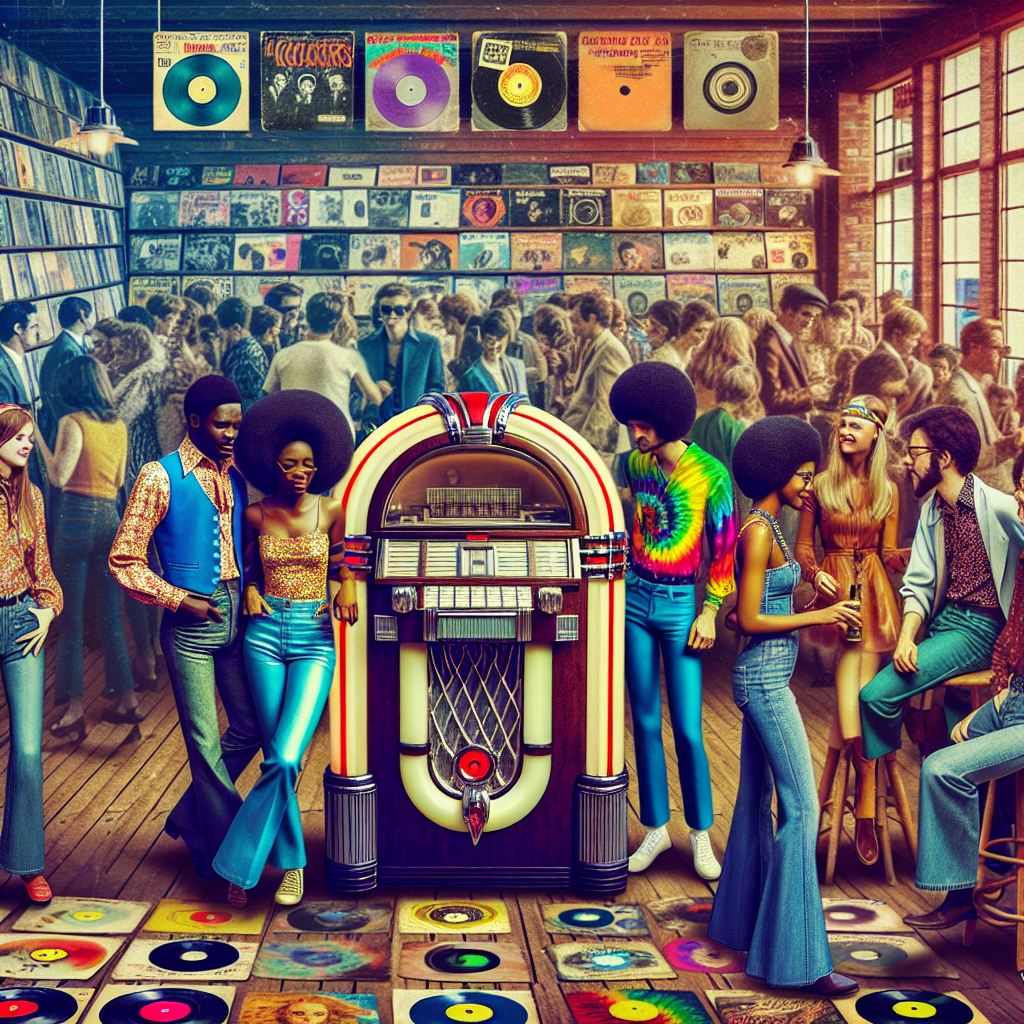
Woodstock. The name alone evokes images of peace, love, and music. It was the iconic music festival of the 1960s that defined a generation and left a lasting impact on our culture and society. As we look back on Woodstock, we are reminded of the power of music to bring people together, to inspire change, and to create unforgettable memories.
One of the most remarkable things about Woodstock was its lineup of legendary musicians. From Jimi Hendrix to Janis Joplin to The Who, the festival featured some of the biggest names in rock and roll. Their performances captivated audiences and solidified their places in music history. The music at Woodstock wasn’t just entertainment – it was a reflection of the social and political climate of the time.
Woodstock took place during a turbulent period in American history. The Vietnam War was raging, civil rights movements were gaining momentum, and young people were questioning authority like never before. In this context, Woodstock became a symbol of peace and unity. It was a gathering place for people from all walks of life to come together, listen to music, and celebrate their shared values.
Politicians at the time may have seen Woodstock as a threat to their authority, but they couldn’t deny its cultural significance. The festival showcased the power of youth culture and its ability to shape society. It inspired a sense of community and belonging that transcended traditional boundaries.
But Woodstock wasn’t just about the music – it was also about fashion. The festival is remembered for its bohemian style, with attendees wearing tie-dye shirts, bell-bottom jeans, and flower crowns. This fashion statement reflected the free-spirited nature of the event and became an enduring symbol of 1960s counterculture.
Technology also played a role in making Woodstock such a groundbreaking event. Despite facing numerous logistical challenges, organizers managed to pull off one of the largest music festivals in history with only makeshift facilities and limited resources. The fact that they were able to do so speaks volumes about their creativity and determination.
As we remember Woodstock today, we can’t help but feel nostalgic for a time when music had the power to bring people together in such a profound way. It serves as a reminder that despite our differences, we are all connected by our shared humanity.
In conclusion, Woodstock was more than just a music festival – it was a cultural phenomenon that continues to resonate with us today. It reminds us of the transformative power of art, music, and community in shaping our world for the better.
Get involved!
Comments