
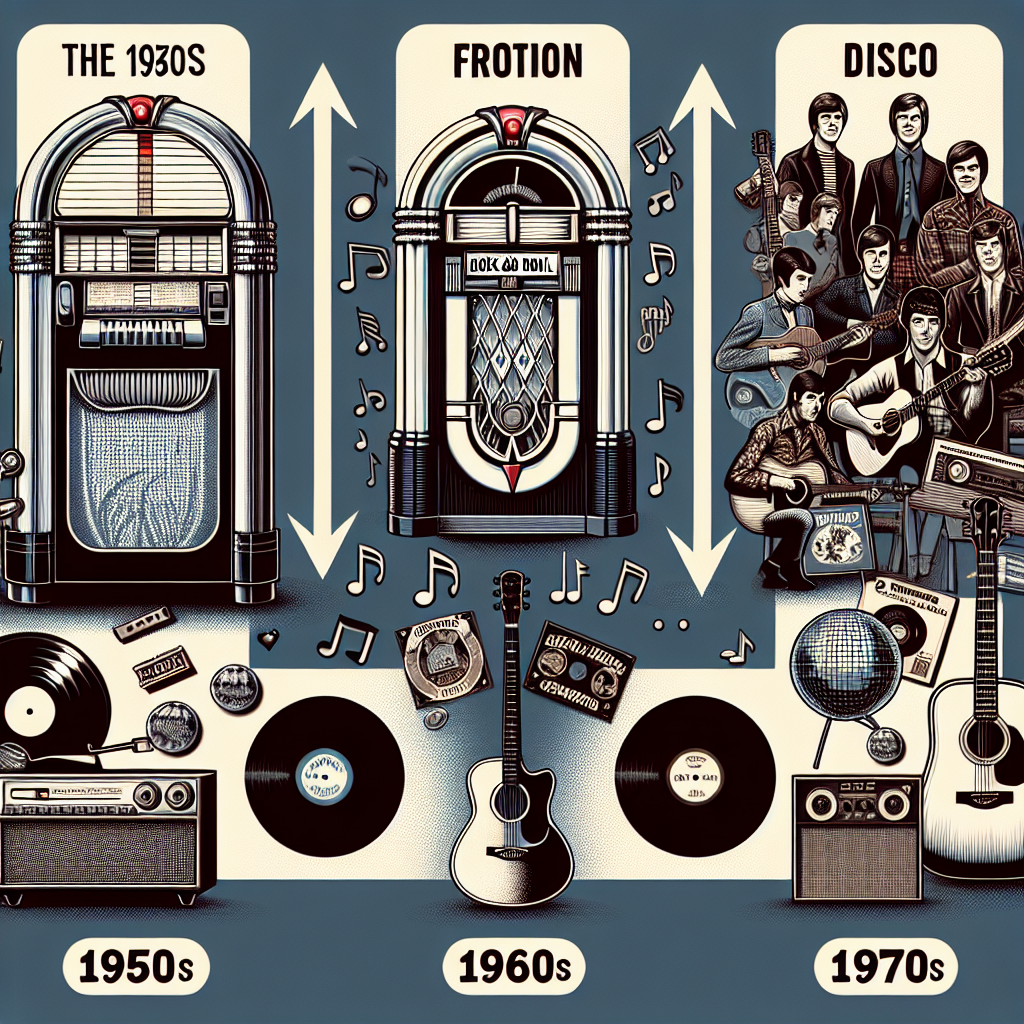
Music festivals have long been a staple of the cultural landscape, providing a platform for artists to showcase their talents and fans to come together in celebration of music. One of the most iconic music festivals of all time is Woodstock, which took place in 1969 and has since become synonymous with the counterculture movement of the 60’s and 70’s.
Woodstock was more than just a music festival – it was a cultural phenomenon that had a lasting impact on society. The event brought together hundreds of thousands of people from all walks of life, united by their love of music and desire for peace and unity. The festival featured legendary performances by artists such as Jimi Hendrix, Janis Joplin, and The Who, who captivated audiences with their powerful music and messages of love and acceptance.
Woodstock also played a significant role in shaping the fashion trends of the era. The festival-goers embraced a bohemian style, characterized by flowing dresses, fringe vests, and tie-dye shirts. This laid-back, free-spirited aesthetic became emblematic of the counterculture movement and was adopted by many young people as a form of self-expression.
Furthermore, Woodstock showcased the power of technology in bringing people together. Despite facing numerous logistical challenges, including overcrowding and inclement weather, the organizers managed to pull off one of the largest music festivals in history thanks to advancements in sound equipment and communication technology. This demonstrated how technology could be used to facilitate connections between individuals and create shared experiences.
Politicians also took notice of the influence that music festivals like Woodstock were having on society. Many politicians sought to align themselves with popular musicians in order to appeal to younger voters and tap into the growing youth movement. This led to collaborations between artists and political figures, such as John Lennon’s anti-war activism or Bob Dylan’s support for civil rights causes.
Overall, music festivals like Woodstock had a profound impact on the culture of the 60’s and 70’s. They provided a space for people to come together, celebrate their shared humanity, and push back against societal norms. These events helped shape fashion trends, inspire political activism, and showcase the potential of technology to connect individuals across distances.
In conclusion, music festivals have played an important role in shaping our cultural landscape. Events like Woodstock remind us of the power that music has to bring people together and inspire change. As we look back on these iconic moments from history, we can appreciate how they have influenced our society for the better.
Get involved!
Comments