
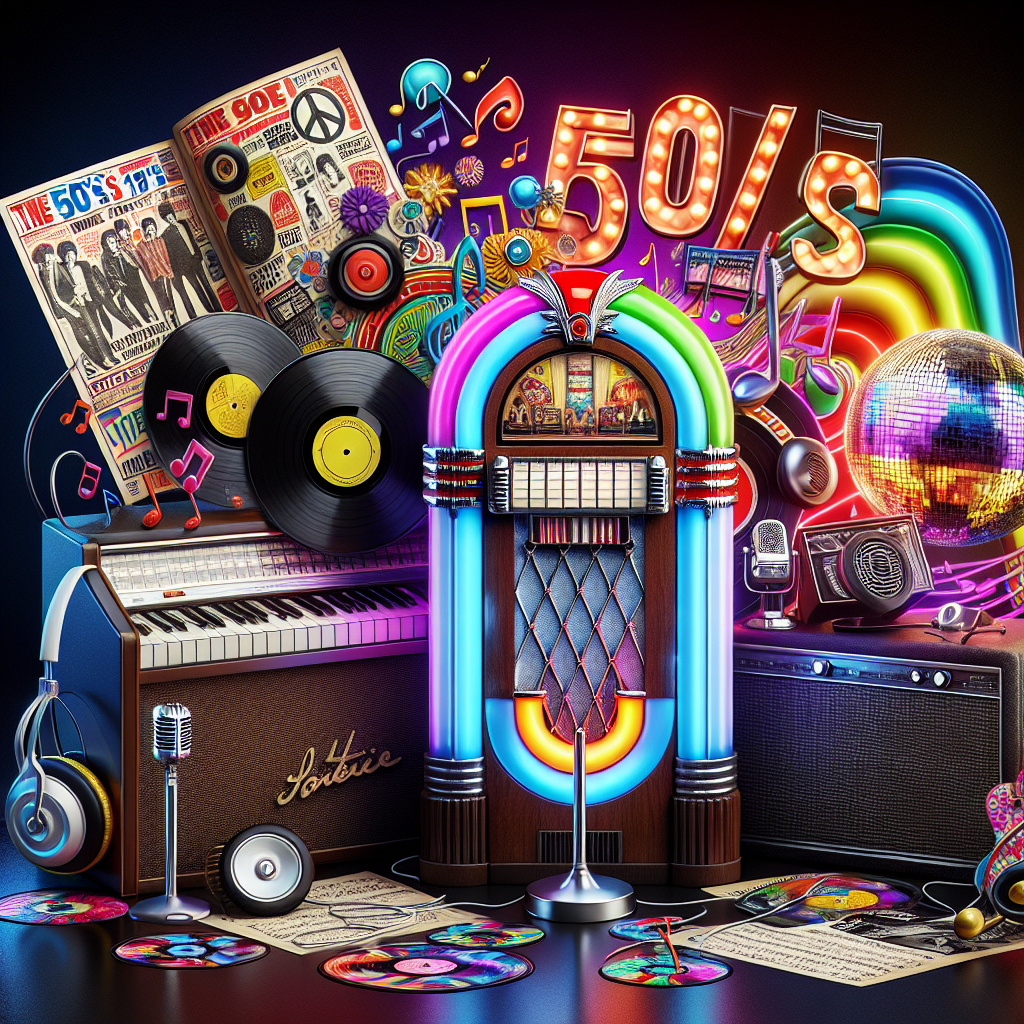
Rock ‘n’ roll music has been a powerful force in shaping culture and society for decades. From its roots in the 1950s to its heyday in the 1960s and 70s, rock ‘n’ roll has influenced everything from fashion to technology. Let’s take a look back at the evolution of this iconic genre and how it has impacted our world.
The 1950s: The Birth of Rock ‘n’ Roll
In the 1950s, rock ‘n’ roll burst onto the scene with artists like Elvis Presley, Chuck Berry, and Little Richard leading the way. This new style of music was a fusion of rhythm and blues, country, and gospel music that appealed to young people looking for something different. Rock ‘n’ roll quickly became a symbol of rebellion against the conservative values of the time.
Politicians and parents alike were quick to denounce rock ‘n’ roll as dangerous and corrupting, but its popularity only continued to grow. The music was accompanied by a new style of fashion that included leather jackets, greased hair, and denim jeans. Teenagers embraced this rebellious look as a way to express their independence from their parents.
The 1960s: The Golden Age of Rock ‘n’ Roll
By the 1960s, rock ‘n’ roll had evolved into a more sophisticated and experimental genre. Bands like The Beatles, The Rolling Stones, and The Beach Boys dominated the charts with their catchy melodies and innovative sound. This era saw an explosion of creativity in both music and fashion.
Rock ‘n’ roll became intertwined with the counterculture movement of the 1960s, which advocated for social change and equality. Artists used their music as a platform to speak out against war, racism, and injustice. The Woodstock Music Festival in 1969 became a symbol of this movement, bringing together hundreds of thousands of people for three days of peace, love, and music.
The 1970s: Rock ‘n’ Roll Goes Mainstream
By the 1970s, rock ‘n’ roll had become mainstream with arena rock bands like Led Zeppelin, Pink Floyd, and Queen selling out stadiums around the world. This era saw an explosion of technological advancements in music production with the introduction of synthesizers and electronic effects.
Fashion also continued to evolve with glam rock bands like David Bowie pushing boundaries with their elaborate costumes and makeup. Music videos became popular on television channels like MTV, allowing artists to showcase their creativity visually as well as musically.
The Legacy of Rock ‘n’ Roll
Today, rock ‘n’ roll continues to influence popular culture with artists like Foo Fighters, Green Day, and The Black Keys carrying on the tradition of rebelliousness and innovation. While technology has changed how we consume music, the spirit of rock ‘n’ roll lives on in its raw energy and passion.
As we look back at the evolution of rock ‘n’ roll from its humble beginnings in the 1950s to its mainstream success in the 1970s, we can see how this genre has shaped our world in profound ways. From influencing fashion trends to challenging political norms, rock ‘n’ roll has left an indelible mark on our society that will continue to resonate for generations to come.
Get involved!
Comments