
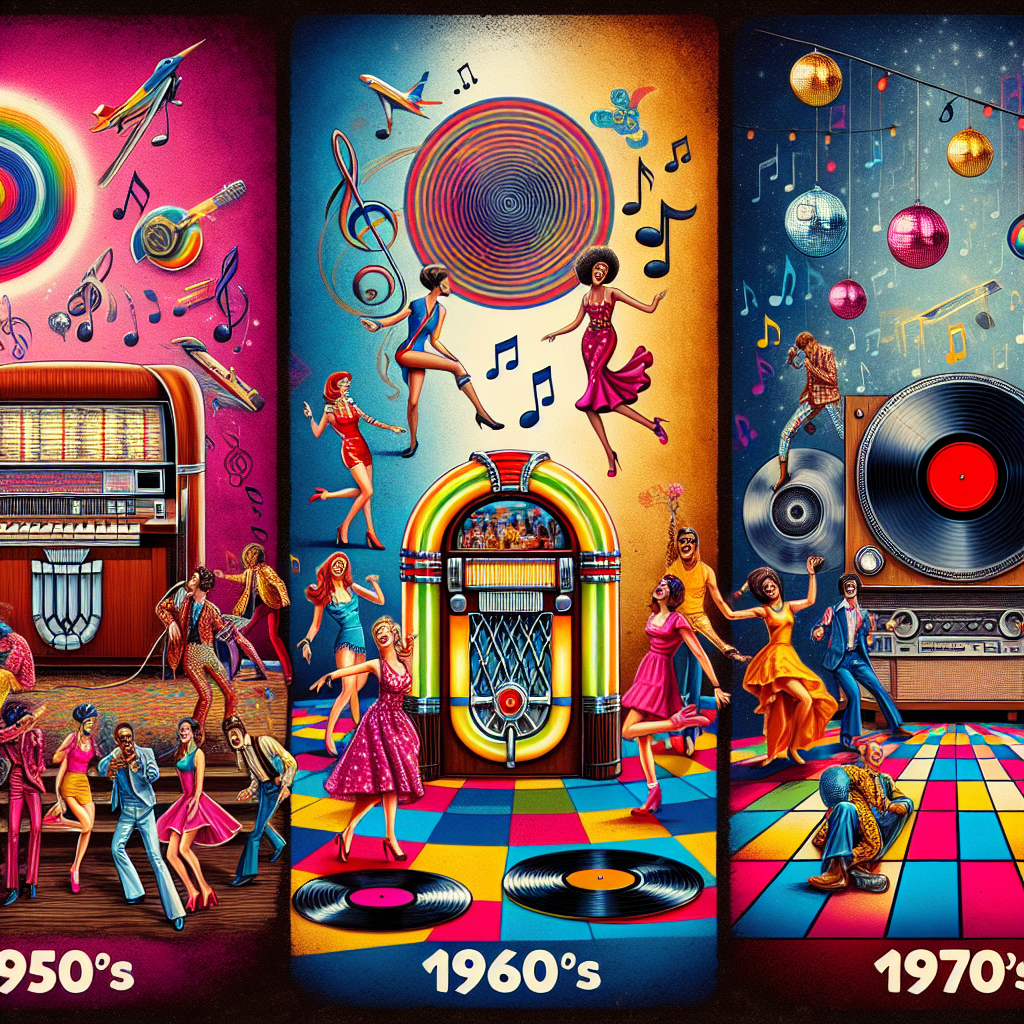
Rock and roll music in the 1950s was a revolutionary force that changed the cultural landscape of America. It was a time of rebellion, innovation, and excitement as artists like Elvis Presley and Chuck Berry paved the way for a new era of music.
Music in the 1950s was heavily influenced by rhythm and blues, country, and gospel music. Artists like Elvis Presley combined these genres to create a sound that was unique and exciting. Presley’s energetic performances and charismatic stage presence captivated audiences around the world, making him a household name and an icon of rock and roll.
Chuck Berry was another influential figure in the evolution of rock and roll in the 1950s. His innovative guitar playing style and catchy lyrics helped to shape the sound of rock music for generations to come. Berry’s songs like “Johnny B. Goode” became anthems for rebellious youth who were looking for an outlet to express themselves through music.
Politicians in the 1950s were often critical of rock and roll music, viewing it as a dangerous influence on young people. However, despite this opposition, rock and roll continued to grow in popularity as artists pushed boundaries and challenged societal norms through their music.
Culture in the 1950s was also greatly impacted by rock and roll music. The emergence of television allowed artists like Presley and Berry to reach a wider audience than ever before, helping to popularize their music across different demographics. Rock and roll fashion also became a trend during this time, with leather jackets, tight jeans, and slicked-back hair becoming synonymous with the genre.
Technology played a significant role in shaping the sound of rock and roll in the 1950s. The invention of electric guitars, amplifiers, and recording equipment allowed artists to experiment with new sounds and techniques that would define the genre for years to come. This technological advancement helped to create a more dynamic sound that resonated with audiences around the world.
Overall, the evolution of rock and roll in the 1950s was a transformative period in music history. Artists like Elvis Presley and Chuck Berry pushed boundaries, challenged societal norms, and created a sound that would influence generations of musicians to come. Despite opposition from politicians and critics, rock and roll continued to thrive as audiences embraced its rebellious spirit and infectious energy.
Get involved!
Comments