
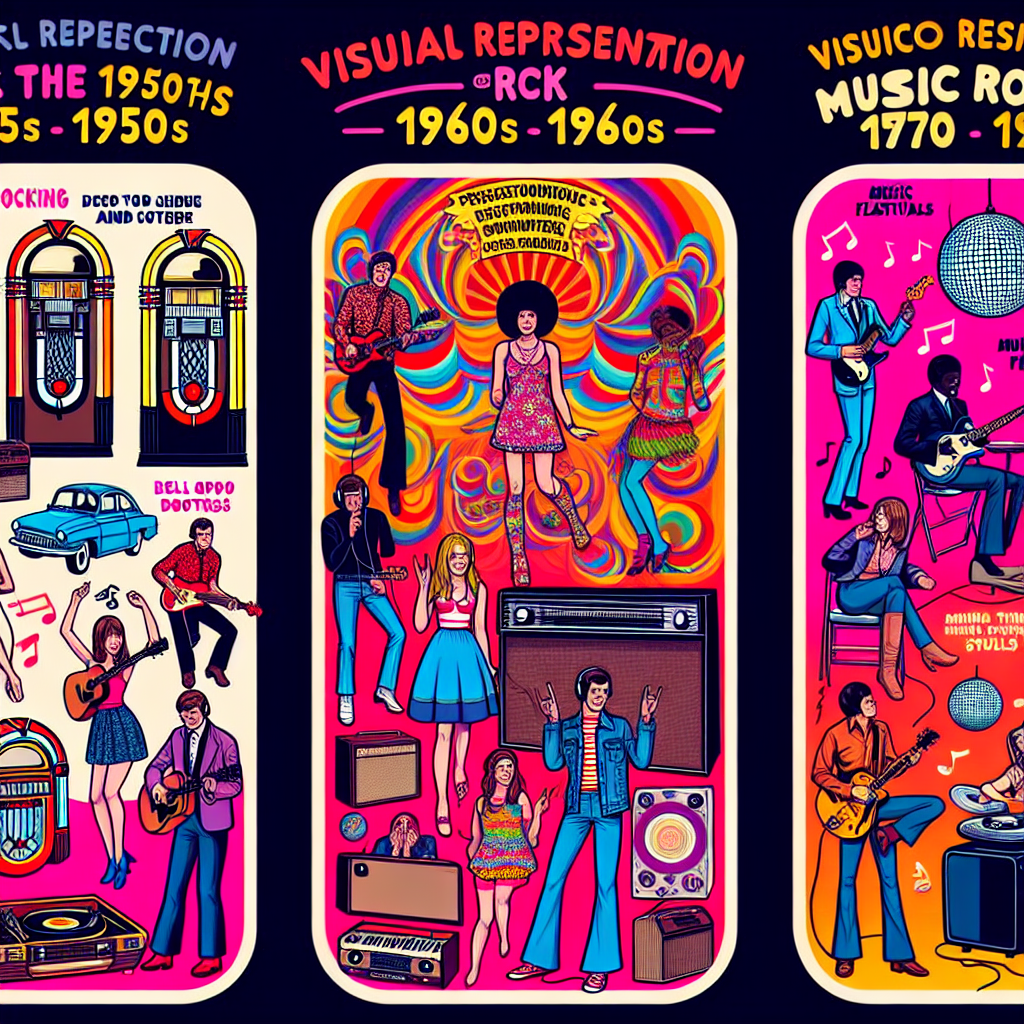
The 1960s and 1970s were a time of significant cultural and musical change in the United States. From the iconic Woodstock festival to the rise of disco, these decades were filled with groundbreaking music festivals that shaped the way we experience live music today. Let’s take a look back at some of the most influential music festivals of the 60’s and 70’s and how they impacted our culture, fashion, technology, and even politics.
Woodstock: A Cultural Phenomenon
One of the most famous music festivals of all time, Woodstock took place in August 1969 in upstate New York. The festival featured legendary performances from artists like Jimi Hendrix, Janis Joplin, The Who, and many more. Woodstock became a symbol of the counterculture movement of the 1960s, promoting peace, love, and unity among young people who were disillusioned with mainstream society.
Woodstock also had a significant impact on fashion trends of the time. Attendees embraced a bohemian style with flowing dresses, fringe vests, and bell-bottom jeans. This laid-back and free-spirited fashion sense became synonymous with the hippie movement that was prevalent during this era.
Disco Fever Takes Over
As the 1970s rolled around, disco music began to dominate the airwaves. This genre of dance music was characterized by its upbeat tempo and catchy melodies that encouraged people to hit the dance floor. Disco culture was all about glitz and glamour – think sequined dresses, platform shoes, and flashy accessories.
The rise of disco also brought about changes in technology as clubs started using new sound systems and lighting effects to enhance the overall experience for club-goers. The disco ball became an iconic symbol of this era, reflecting light onto dancers as they grooved to their favorite tunes.
The Influence on Politics
Music festivals of the 60’s and 70’s weren’t just about entertainment – they also played a role in shaping political attitudes at the time. Woodstock was a prime example of this as it promoted messages of peace and anti-war sentiment during a tumultuous period in American history.
Artists like Bob Dylan used their platform at these festivals to speak out against social injustices and advocate for change. Their music became anthems for those fighting for civil rights, women’s rights, LGBTQ+ rights, and environmental protection.
Looking Ahead
Despite facing criticism from politicians who viewed these festivals as breeding grounds for rebellion and dissent, they ultimately left a lasting impact on our culture. Music festivals continue to be popular today as people gather to celebrate their love for music in a communal setting.
As we reflect on the music festivals of the past, let’s remember how they brought us together through shared experiences and created lasting memories that have stood the test of time. From Woodstock to disco, these events have shaped our cultural landscape in ways that will continue to influence future generations.
Get involved!
Comments