
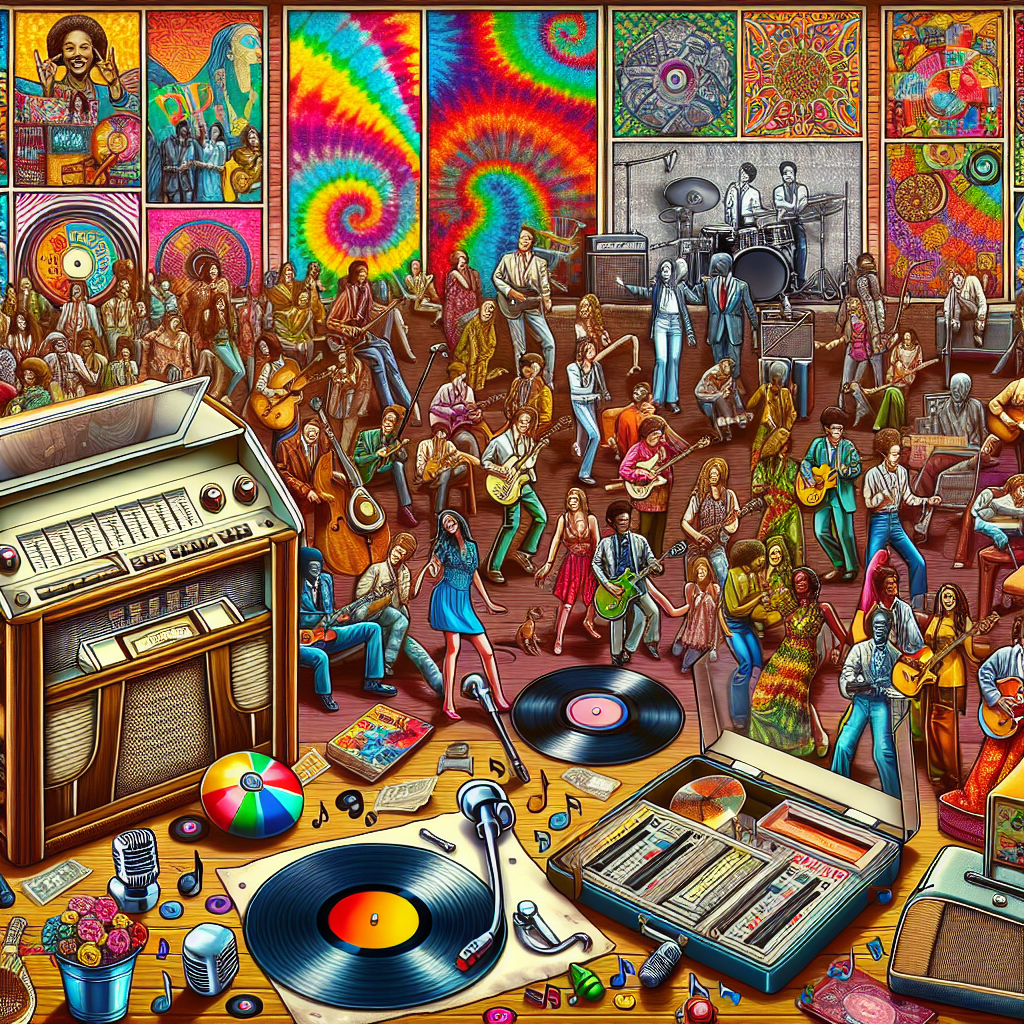
Rock ‘n’ roll music has been a powerful force in shaping culture and society for decades. From its humble beginnings in the 1950s to its peak popularity in the 1960s and 70s, rock ‘n’ roll has evolved and changed along with the times. Let’s take a look back at the music of these three decades and how it influenced not only the music industry but also fashion, technology, and even politics.
The 1950s: The Birth of Rock ‘n’ Roll
The 1950s saw the birth of rock ‘n’ roll, with artists like Elvis Presley, Chuck Berry, and Little Richard leading the way. This new style of music was a fusion of rhythm and blues, country, and gospel music, creating a sound that was fresh and exciting. Rock ‘n’ roll quickly became popular among young people, who were eager to rebel against the conservative values of their parents.
Along with the rise of rock ‘n’ roll came a shift in fashion. Teenagers began to dress in a more rebellious manner, with leather jackets, jeans, and slicked-back hair becoming popular among both male and female fans of the genre. This new style was seen as a form of rebellion against societal norms, with young people using fashion as a way to express their individuality.
The 1960s: The Golden Age of Rock ‘n’ Roll
The 1960s are often considered the golden age of rock ‘n’ roll, with bands like The Beatles, The Rolling Stones, and The Beach Boys dominating the charts. These bands brought a new level of sophistication to rock music, incorporating complex harmonies and innovative production techniques into their songs.
During this time period, rock ‘n’ roll also began to influence politics. Musicians like Bob Dylan used their platform to speak out against social injustices and advocate for change. Songs like “Blowin’ in the Wind” became anthems for the civil rights movement and anti-war protests, showing that music could be a powerful tool for social change.
The 1970s: Rock Goes Mainstream
By the 1970s, rock ‘n’ roll had firmly established itself as mainstream music genre. Bands like Led Zeppelin, Pink Floyd, and Queen pushed boundaries with their experimental sounds and elaborate stage shows. Rock concerts became larger than life events, drawing thousands of fans from all over the world.
Technology also played a role in shaping rock music during this decade. Advancements in recording equipment allowed musicians to create more complex sounds in the studio, while innovations like synthesizers opened up new possibilities for musical experimentation.
In Conclusion
Looking back at the evolution of rock ‘n’ roll from the 1950s through the 1970s is truly awe-inspiring. This genre of music has not only entertained millions of people around the world but has also had a profound impact on culture, fashion , technology ,and even politics . As we continue into future decades ,it is important to remember how influential rock n’roll has been throughout history . It’s safe to say that without this genre ,our world would be missing something truly special .
Get involved!
Comments