
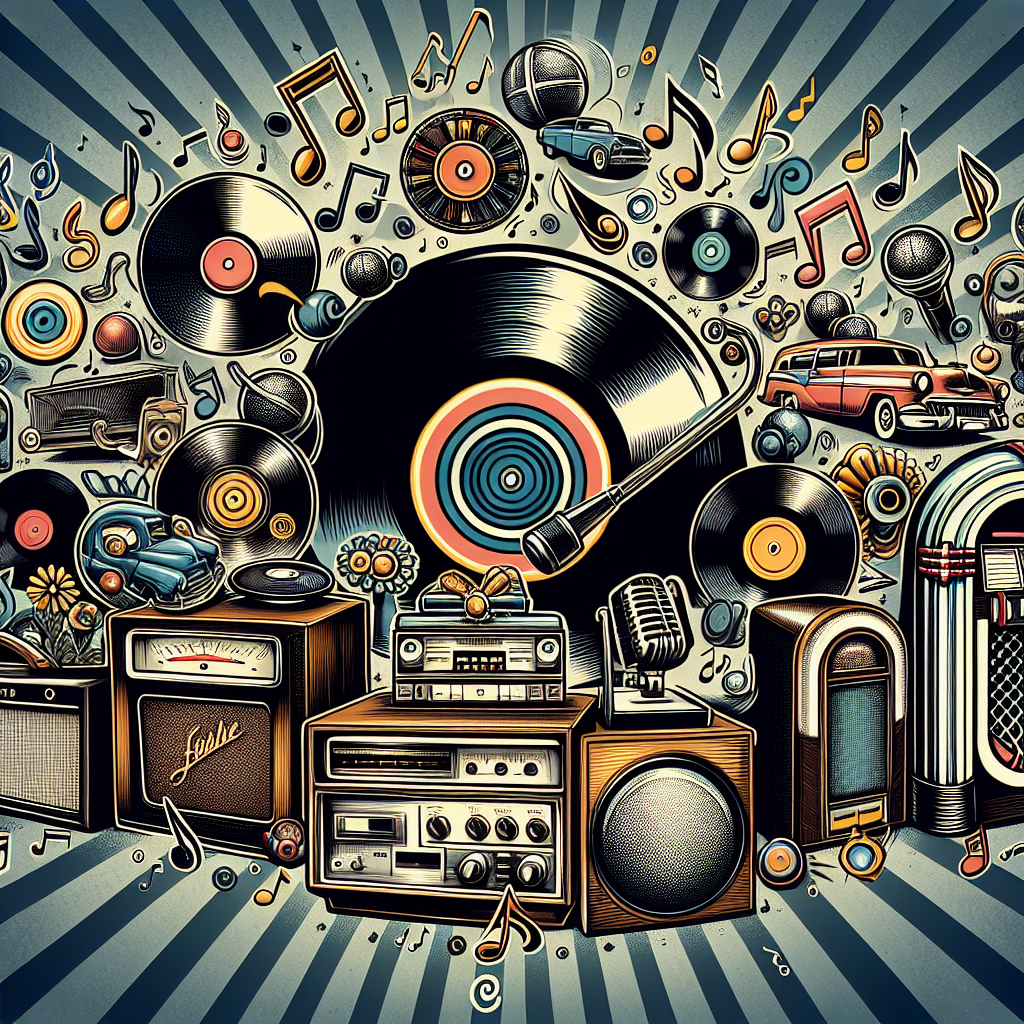
Rock and roll has been a driving force in music culture for decades, shaping the way we listen to and appreciate music. From its humble beginnings in the 1950s to its peak popularity in the 1960s and 70s, rock and roll has evolved with the times, reflecting the changing attitudes of society.
One of the most significant aspects of rock and roll is its influence on popular culture. The music of the 50s, 60s, and 70s spoke to a generation that was looking for something new and exciting. Rock and roll provided an outlet for young people to express themselves and rebel against societal norms. This rebellious spirit was reflected not only in the music itself but also in the fashion choices of rock stars like Elvis Presley, The Beatles, and Jimi Hendrix.
Politicians also took notice of the power of rock and roll. During the 1960s, politicians began to see how they could use music to connect with younger voters. Rock concerts became a platform for political messages, with artists like Bob Dylan using their songs to protest war and social injustice. This fusion of music and politics helped shape the cultural landscape of the time.
Technology played a crucial role in the evolution of rock and roll. The invention of electric guitars, amplifiers, and recording equipment allowed artists to experiment with new sounds and push boundaries. The rise of radio stations dedicated to playing rock music helped spread this new genre to audiences around the world.
Despite some critics dismissing rock as just a passing fad, it has stood the test of time. The music of the 50s, 60s, and 70s continues to inspire new generations of musicians who are drawn to its raw energy and emotional depth. Bands like Led Zeppelin, Pink Floyd, and The Rolling Stones have become iconic figures in rock history.
Looking back at the evolution of rock and roll from its early days in the 1950s to its peak popularity in the 1970s is a reminder of how far we’ve come as a society. The music reflects our changing attitudes towards freedom, individuality, and self-expression. It’s a testament to the power of art to shape culture and inspire change.
In conclusion, rock and roll has had a lasting impact on our society through its influence on music culture, fashion trends, political movements, and technological advancements. As we look back at this pivotal era in music history, we can appreciate how far we’ve come while still being inspired by the timeless sound of rock and roll.
Get involved!
Comments